Artwork
Portrait of a Young Man with a Golden Chain
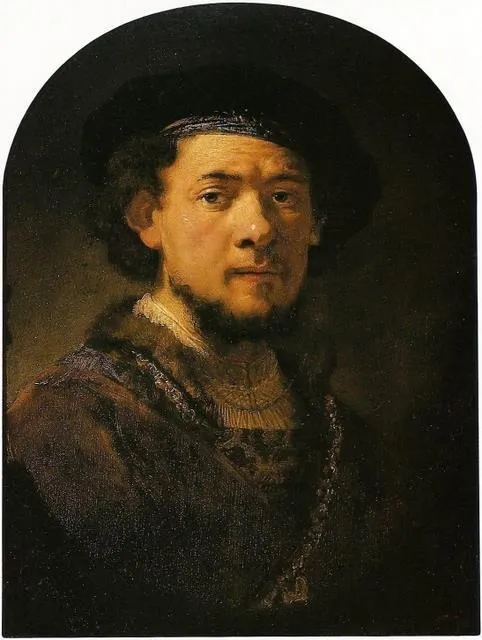
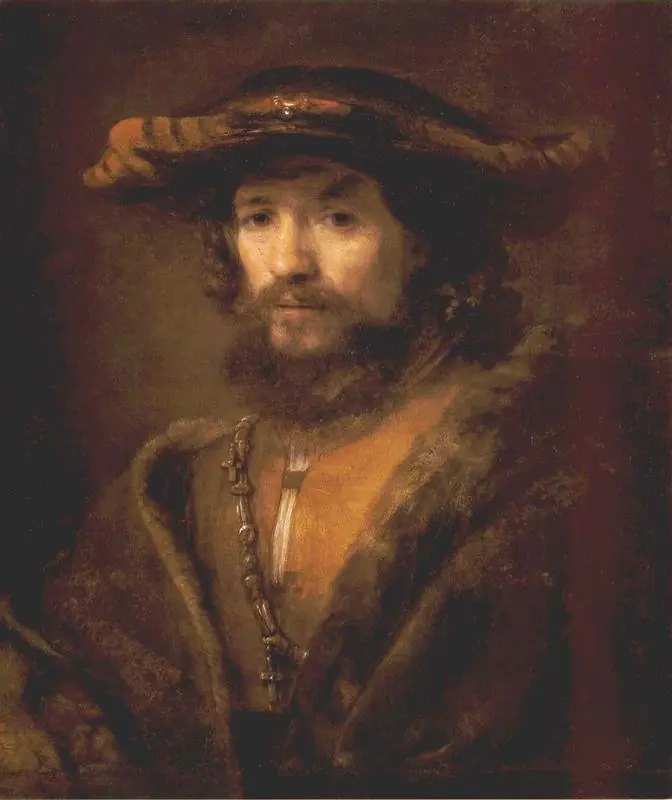
Portrait of a Young Man with a Golden Chain is an oil painting by the Dutch Golden Age artist Rembrandt. It dates from 1635 and is held in the collection of the São Paulo Museum of Art. Painted in 1635, this oil portrait depicts a young man adorned with a heavy gold chain.
About this work
Portrait of a Young Man with a Golden Chain is an oil painting by Rembrandt, dated 1635.
Portrait of a Young Man with a Golden Chain is an oil painting by Rembrandt, dated 1635. The work shows a young sitter wearing a gold chain. It has long been thought to be a self‑portrait, but recent scholars question that idea.
The canvas is signed and dated by the artist, confirming his hand. It is executed in oil paint, a common medium for Dutch painters of the time. No specific movement is attached to the piece.
The painting is part of the collection at the São Paulo Museum of Art.
Overview
Painted in 1635, this oil portrait depicts a young man adorned with a heavy gold chain. Signed and dated by the artist, it was long considered a self-portrait by Rembrandt van Rijn. While seventeenth-century records support his authorship, scholarly opinion shifted in 1989 when the Rembrandt Research Project reclassified it as the work of his circle. The painting remains in the collection of the São Paulo Museum of Art, where its attribution continues to be debated.
Subject & Meaning
The subject is a young man, possibly in his twenties, wearing a substantial gold chain that rests across his chest. The chain, a symbol of status or affiliation, suggests social standing or membership in a civic or professional group. His direct gaze and modest posture convey quiet confidence rather than overt display. Though once thought to be Rembrandt himself, the lack of definitive facial resemblance has led scholars to view him as an anonymous sitter, perhaps a patron or associate.
Technique & Style
Executed in oil on canvas, the painting reflects the refined brushwork and chiaroscuro typical of Dutch portraiture in the 1630s. The chain is rendered with meticulous attention to light and texture, contrasting with the softer, more loosely painted fabric of the garment. The background is dark and unobtrusive, focusing attention on the figure’s face and the metallic sheen of the chain. The handling of light suggests familiarity with Rembrandt’s methods, though some details lack the depth of his mature style.
History & Provenance
The painting was documented in seventeenth-century inventories as a work by Rembrandt and bore his signature. It entered the São Paulo Museum of Art’s collection in the mid-twentieth century. In 1989, the Rembrandt Research Project, after technical analysis and stylistic comparison, removed it from the artist’s autograph works, placing it in his circle. This reclassification sparked disagreement among specialists, including Brazilian art historians who maintained its authenticity as a Rembrandt.
Context
Created during Rembrandt’s early Amsterdam period, the painting aligns with a time when he frequently portrayed individuals with symbolic accessories, reflecting the city’s rising merchant class. Gold chains were worn by members of guilds or as tokens of honor, making such portraits common among patrons seeking to project dignity. While Rembrandt painted many self-portraits, this work’s subject lacks the introspective quality of his known self-images, supporting the view that it depicts another.
Legacy
The painting’s contested attribution has made it a touchstone in discussions of authorship and stylistic analysis in Dutch Golden Age art. Its presence in São Paulo underscores the global reach of Rembrandt’s influence and the complexity of attributing works from his workshop. Though no longer universally accepted as his hand, it remains a significant example of his circle’s output and continues to prompt scholarly inquiry into the boundaries of his artistic practice.
Artist & collection
Artist
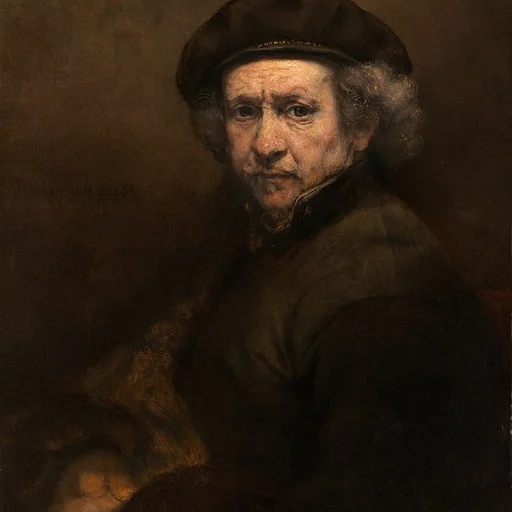
Rembrandt Harmenszoon van Rijn (15 July 1606 – 4 October 1669), known mononymously as Rembrandt, was a Dutch Golden Age painter, printmaker, and draughtsman.

 Bust of man wearing a large-brimmed hat
 Stegar civil
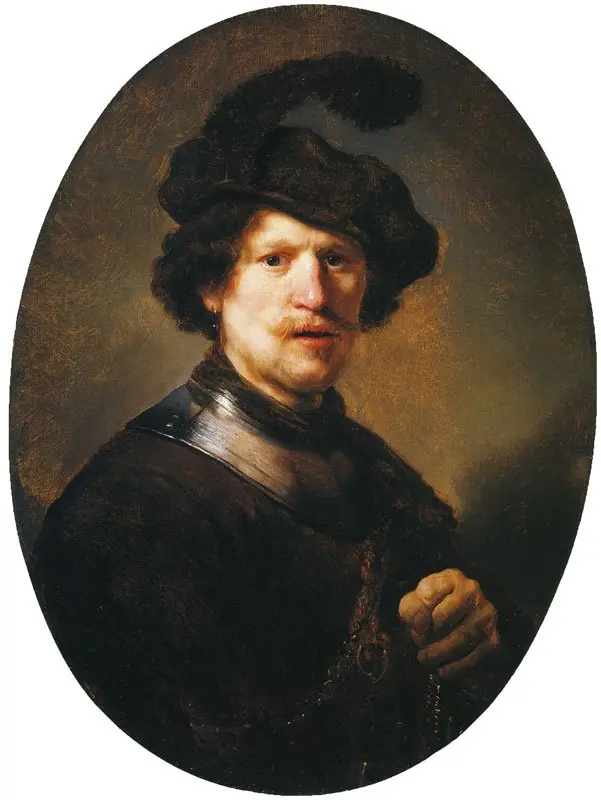 Man Wearing a Plumed Beret and Gorget
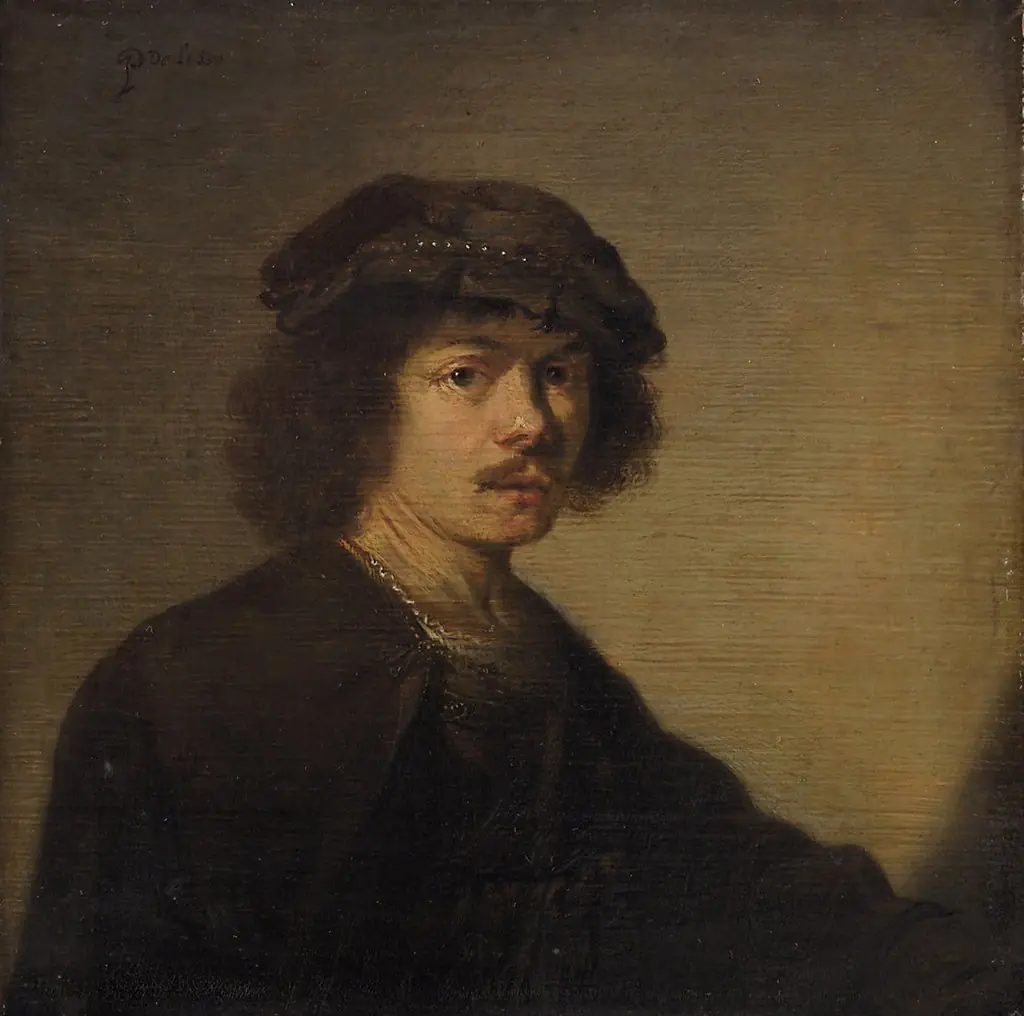 Selbstbildnis in Phantasietracht
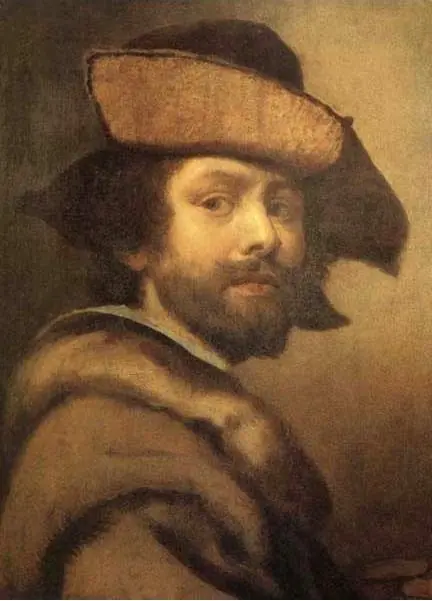 Self-portrait
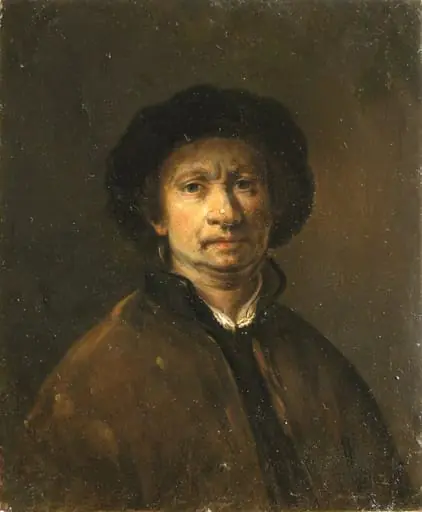 Autoportret
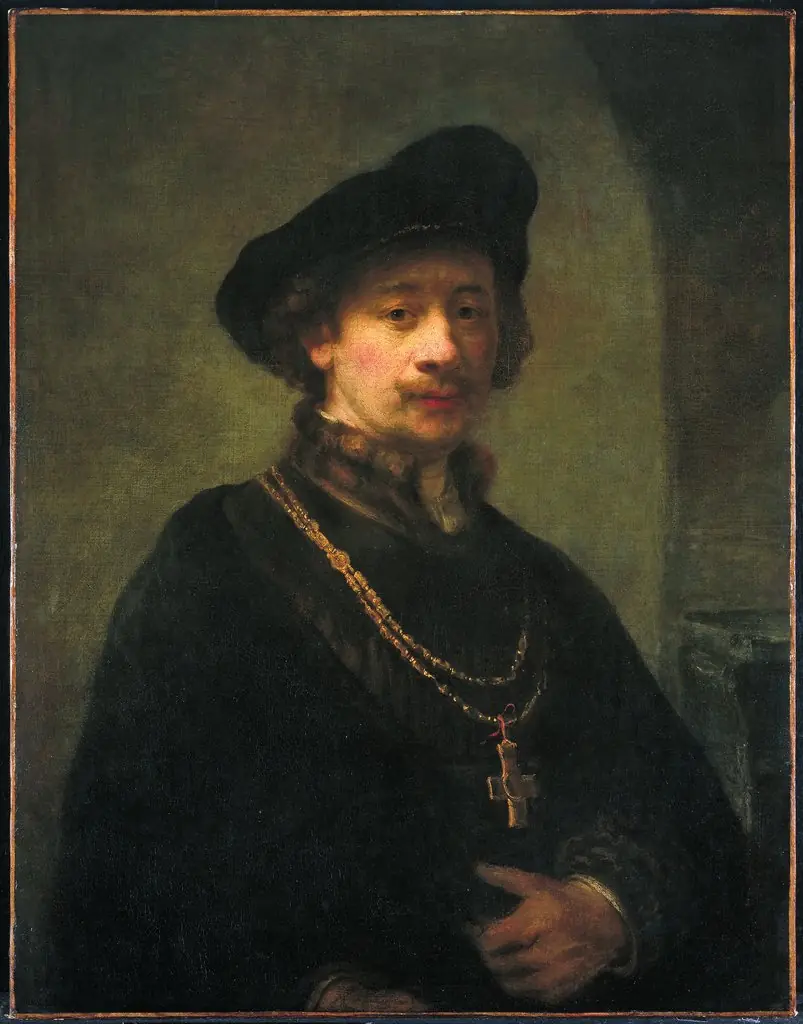 Self-portrait with beret, gold chain, and cross
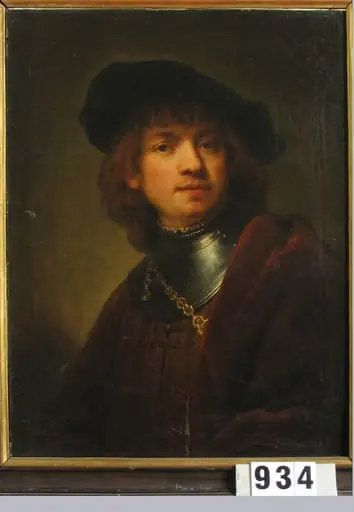 Autoportret cu guler de fier (în Reg. Inv.: Autoportret)
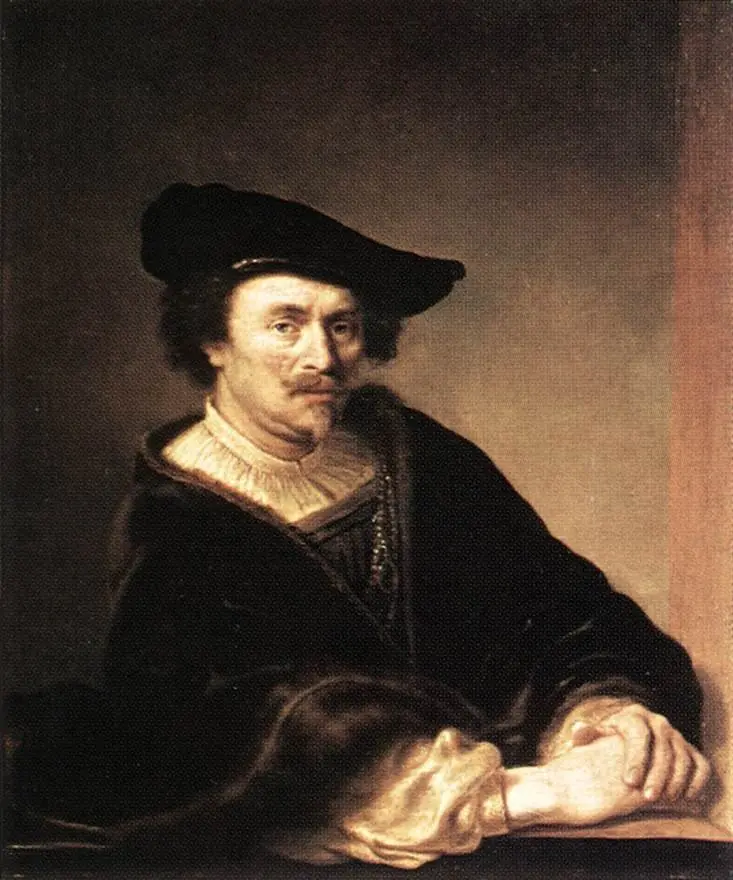 Portrait of a Man
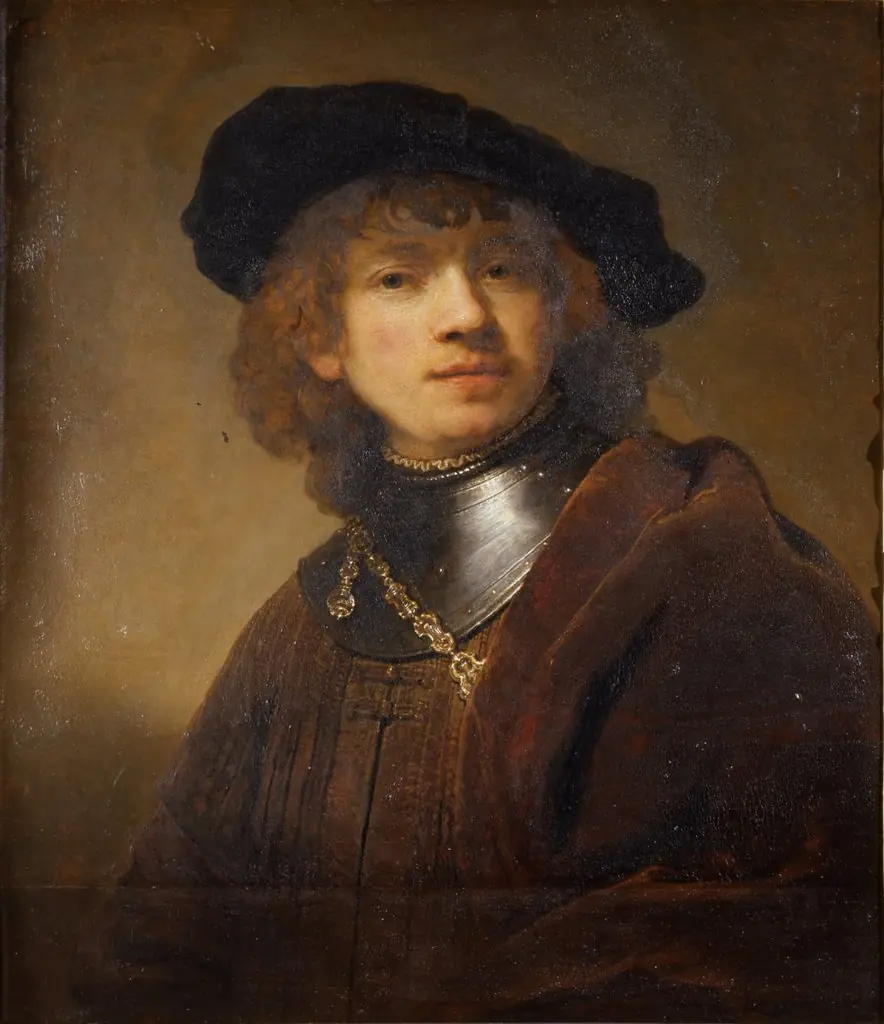 Tronie of a Young Man with Gorget and Beret
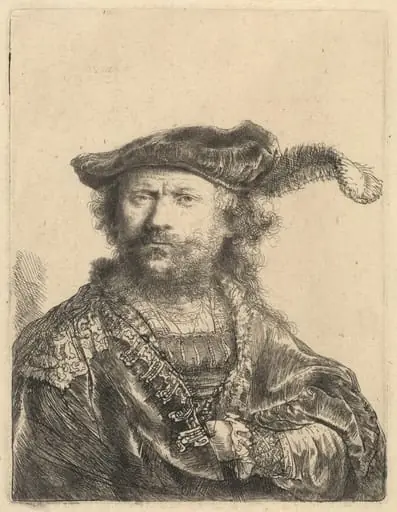 Self-Portrait in a Velvet Cap with Plume
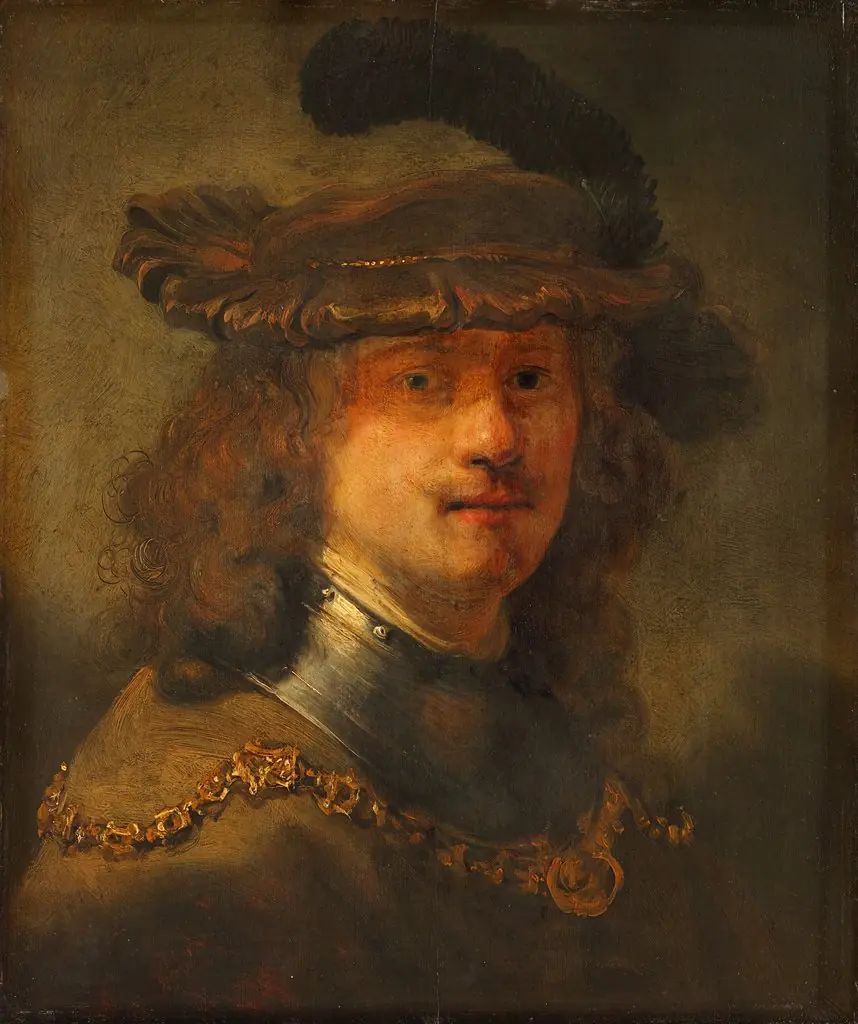 Self portrait with a velvet beret and gold chain