Artwork
Portrait of a Young Woman
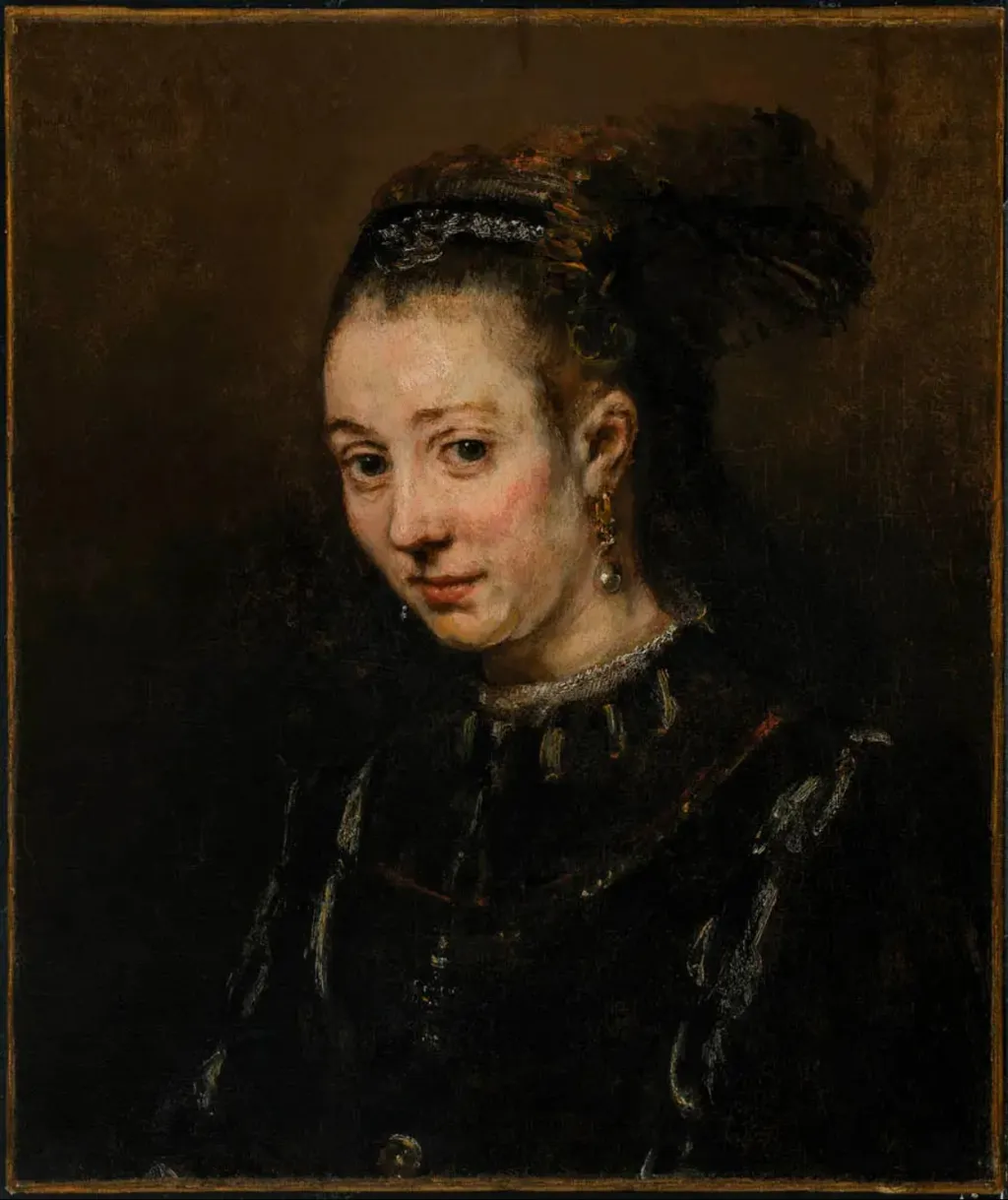
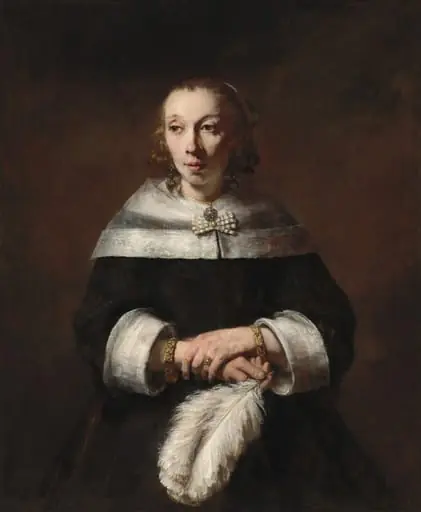
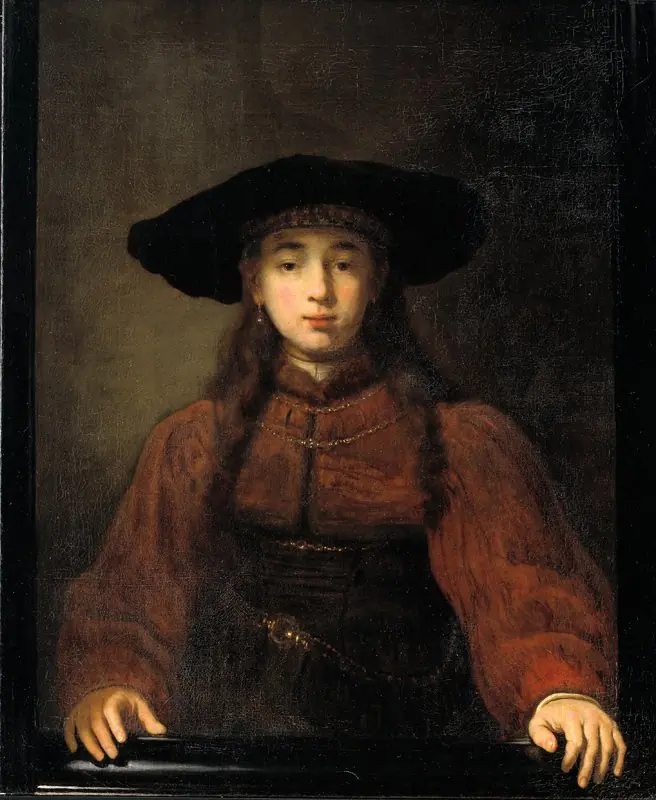
Portrait of a Young Woman is an oil painting by the Dutch Golden Age artist Rembrandt. It dates from 1665 and is held in the collection of the Montreal Museum of Fine Arts.
About this work
Overview
Executed during the later phase of his career, the work reflects his enduring interest in psychological depth and intimate portraiture.
Painted in 1665 by Rembrandt van Rijn, this oil portrait captures a young woman in quiet stillness. Executed during the later phase of his career, the work reflects his enduring interest in psychological depth and intimate portraiture. It is held in the collection of the Montreal Museum of Fine Arts, where it stands as a representative example of his mature style—unadorned, contemplative, and grounded in careful observation.
Subject & Meaning
The subject is a young woman, dressed in dark clothing with a simple pearl necklace and dangling earrings. Her expression is calm, her gaze averted, suggesting introspection rather than performance. There is no indication of status or identity beyond her attire and adornments, inviting viewers to engage with her presence as an individual rather than a social type. The absence of narrative context deepens the sense of private moment.
Technique & Style
Rembrandt employed chiaroscuro to model the woman’s face and neckline with soft, directional light against a deep, unbroken background. Visible brushwork textures the fabric of her dress and the sheen of her pearls, while the subtle gradations in her skin convey lifelike warmth. The composition is tightly focused, eliminating extraneous detail to heighten emotional resonance. His handling of paint balances precision with spontaneity, characteristic of his late period.
History & Provenance
The painting entered the Montreal Museum of Fine Arts’ collection in the 20th century, though its earlier ownership remains undocumented. It has been consistently attributed to Rembrandt since its modern rediscovery, supported by stylistic analysis and technical examination. No records confirm its original commission or early history, leaving its patronage and purpose speculative, but its quality aligns with his private portraits of the 1660s.
Context
Created during a period of personal and financial hardship for Rembrandt, this portrait reflects a shift toward more introspective subjects. While public commissions declined, he continued producing intimate likenesses, often of unidentified individuals. These works reveal a deepening focus on inner life over external display, resonating with broader Dutch cultural values that prized modesty and personal dignity in the post-1650s era.
Legacy
This portrait exemplifies Rembrandt’s enduring influence on the language of psychological portraiture. Its quiet intensity and tactile brushwork inspired later artists seeking emotional authenticity over idealization. Though not widely exhibited, it remains a touchstone in studies of his late technique and the evolution of Dutch portraiture beyond aristocratic convention.
Artist & collection
Artist
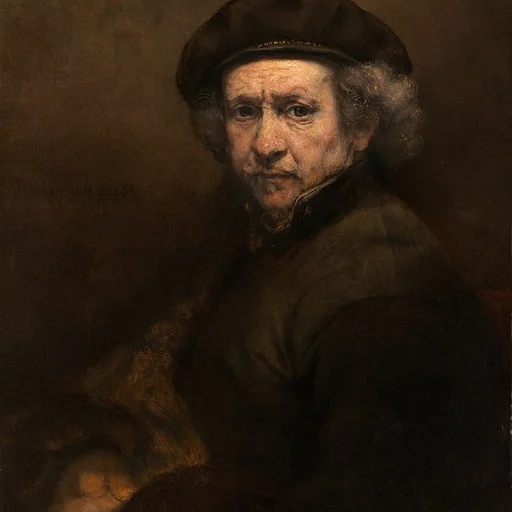
Rembrandt Harmenszoon van Rijn (15 July 1606 – 4 October 1669), known mononymously as Rembrandt, was a Dutch Golden Age painter, printmaker, and draughtsman.

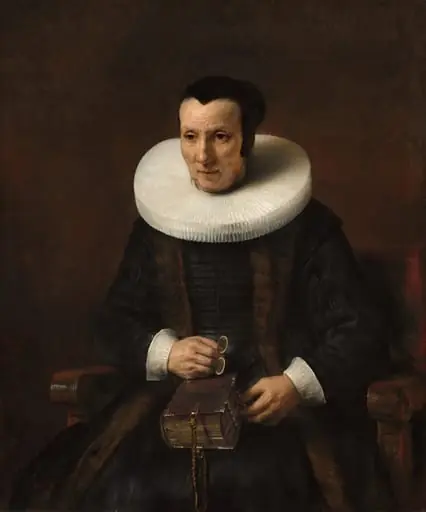
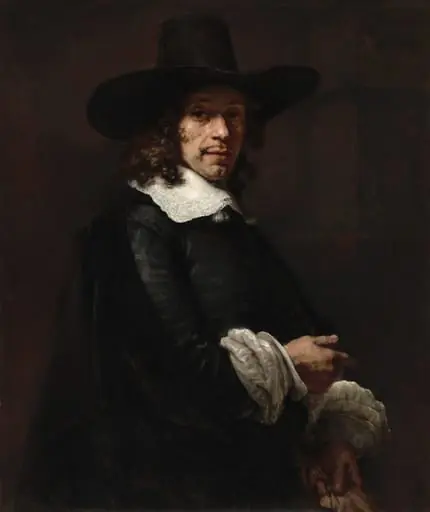
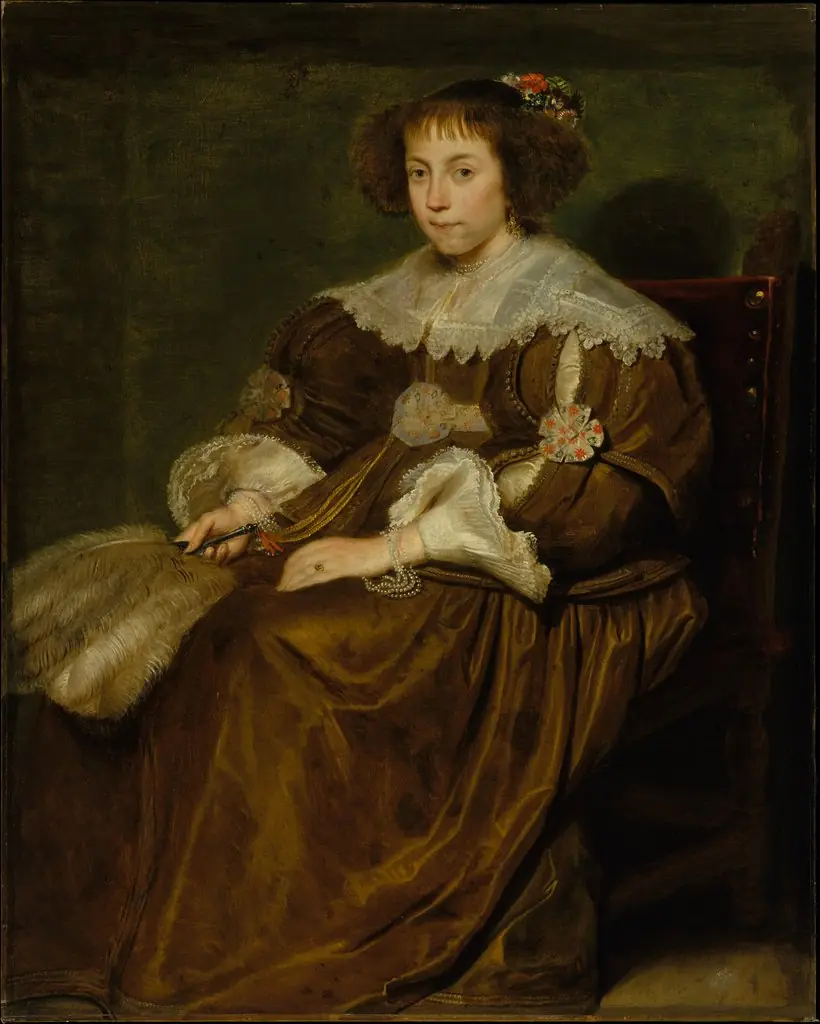 Portrait of a Young Woman
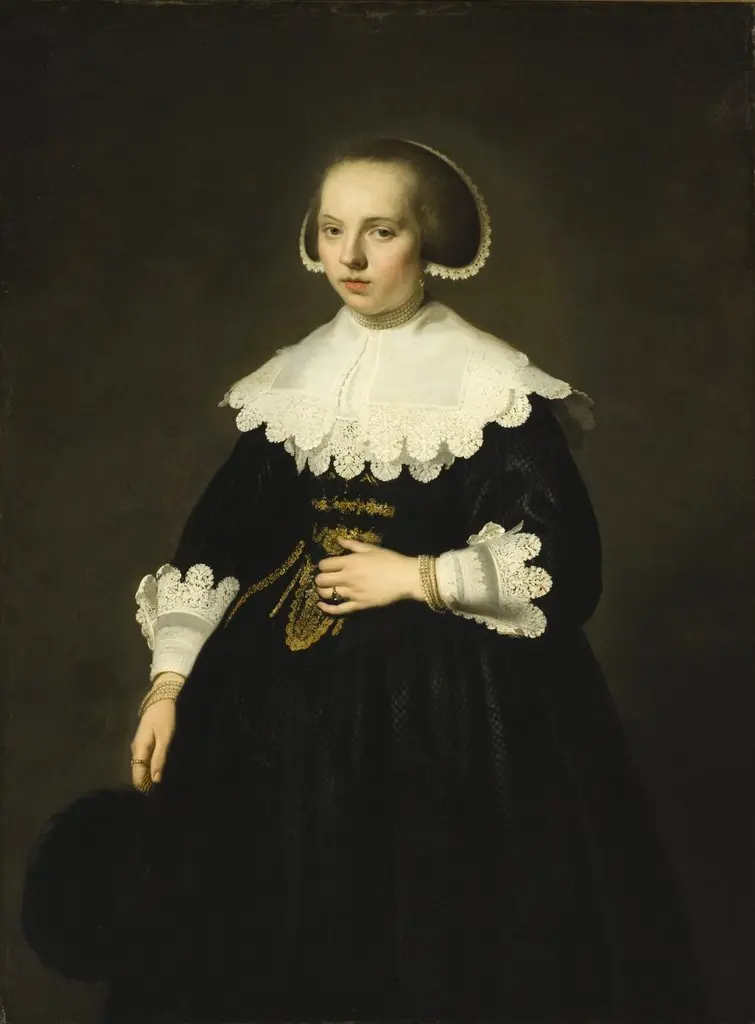 Portrait of a Young Woman
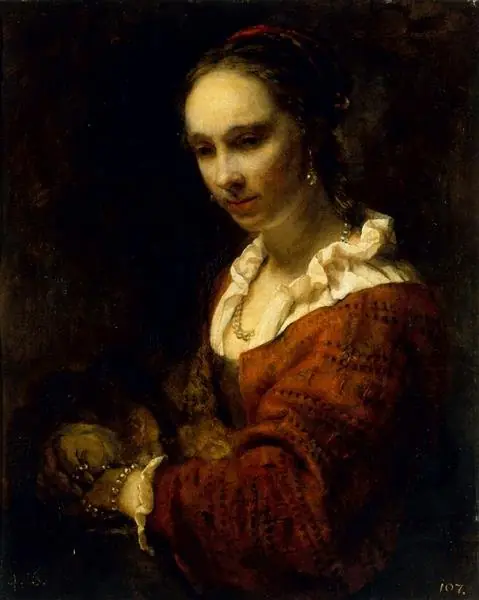 Young Woman with a Pearl Necklace
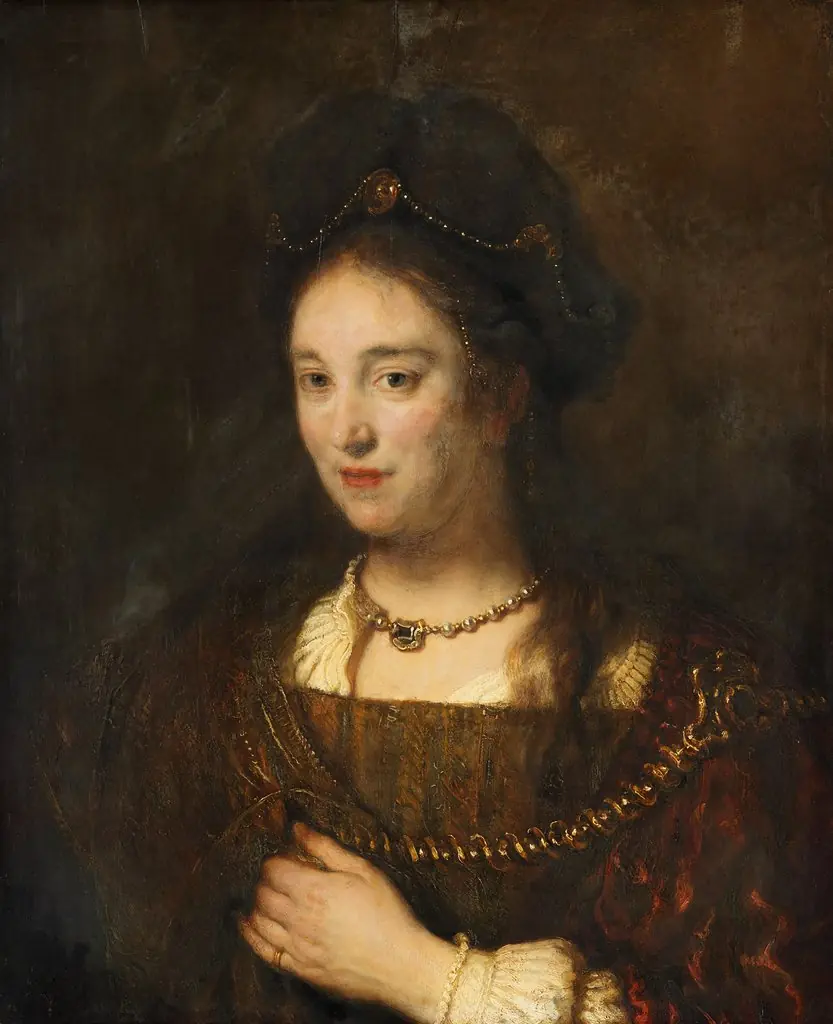 Half-figure of a woman with a beret
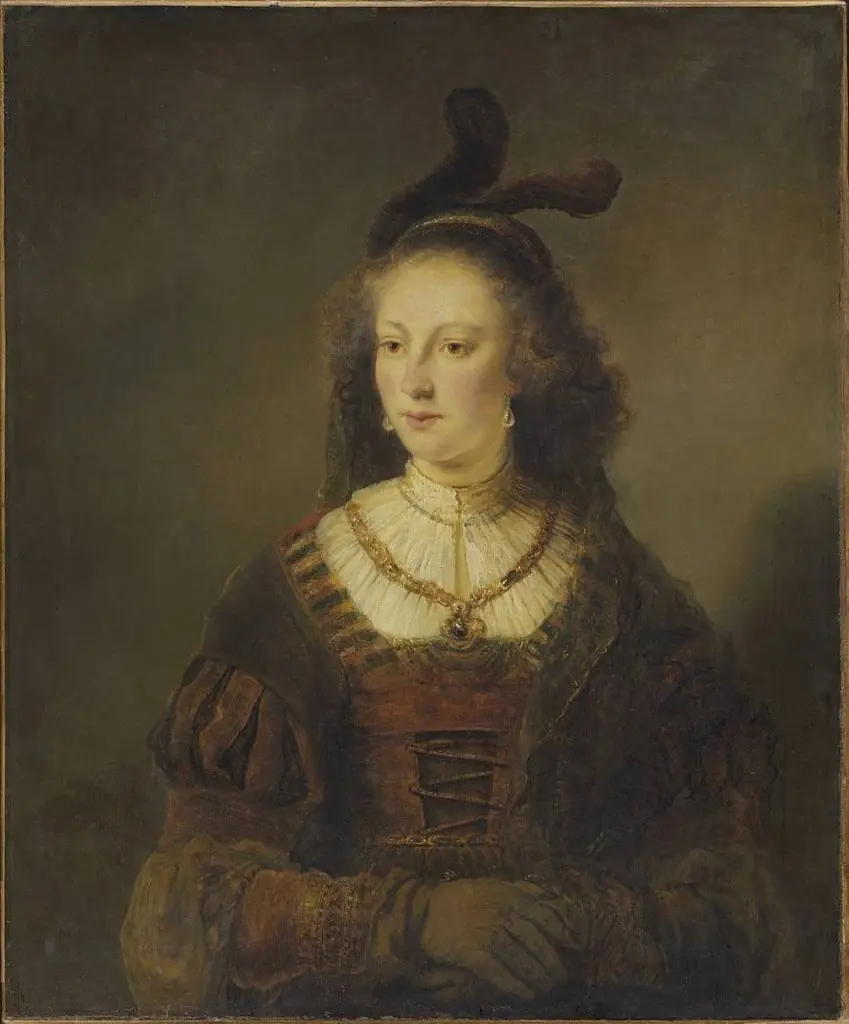 Woman wearing a feather cap and veil
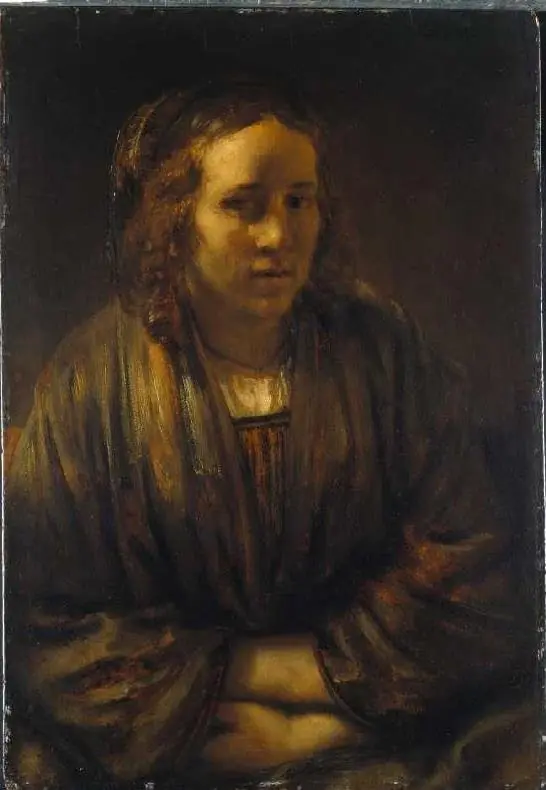 Portrait of Hendrickje Stoffels in silk wrap
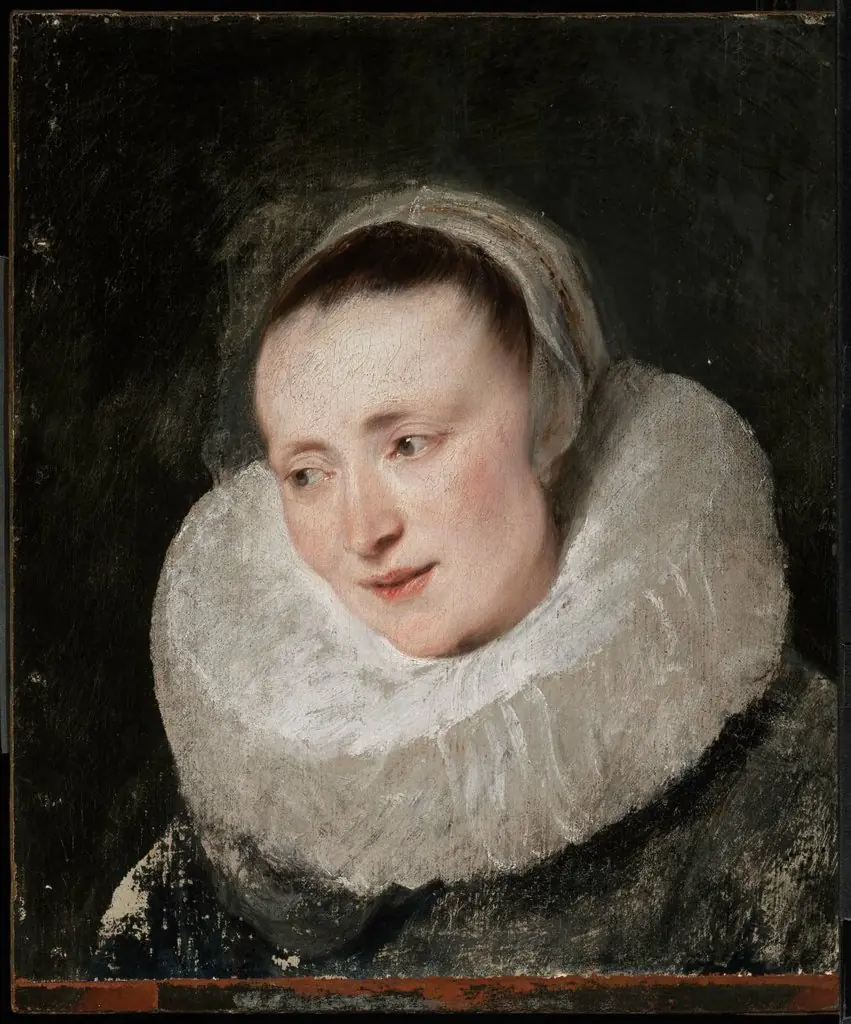 Margareta Snyders (Born de Vos)
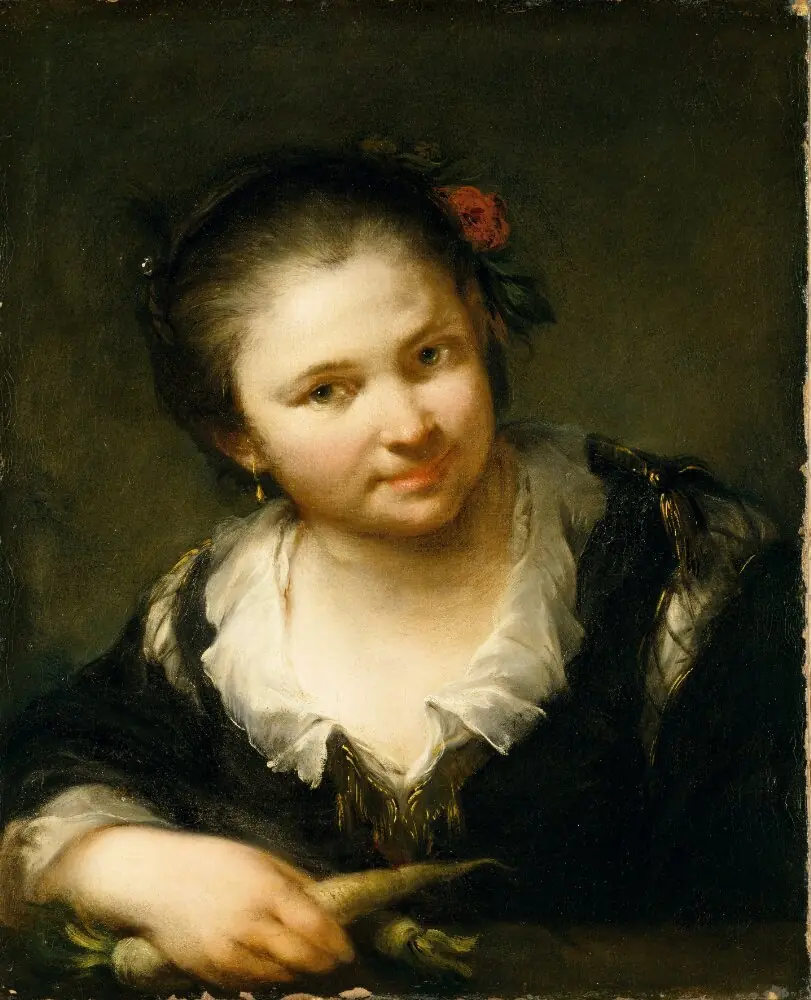 Girl with Vegetables
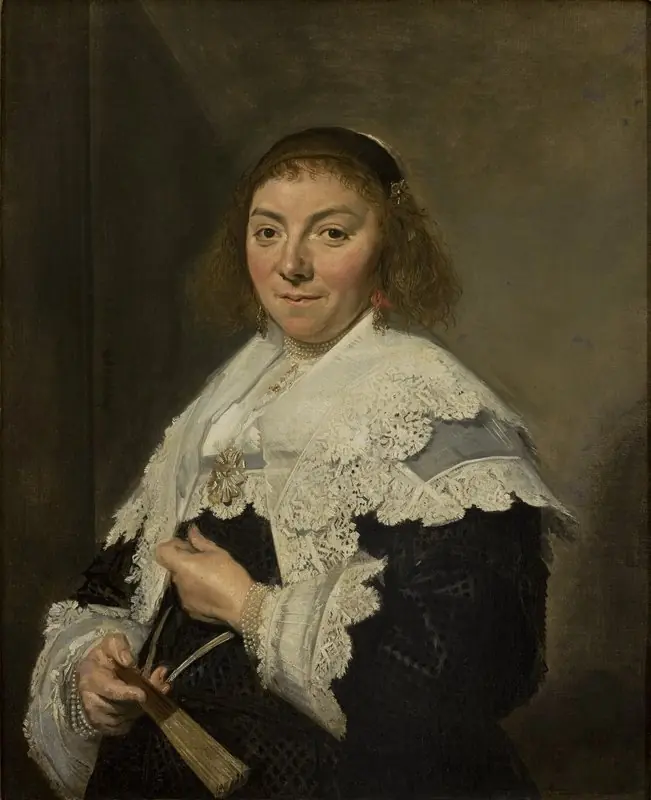 Portrait of Maria Pietersdr Olycan
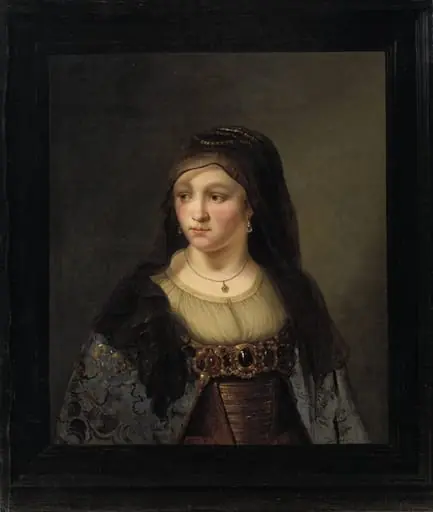 Portrait of a Lady in a Veil
 A Young Woman Resting her Hands on the Picture Frame
 A Young Woman Resting her Hands on the Picture Frame