Artwork
Portrait of Eleazar Swalmius
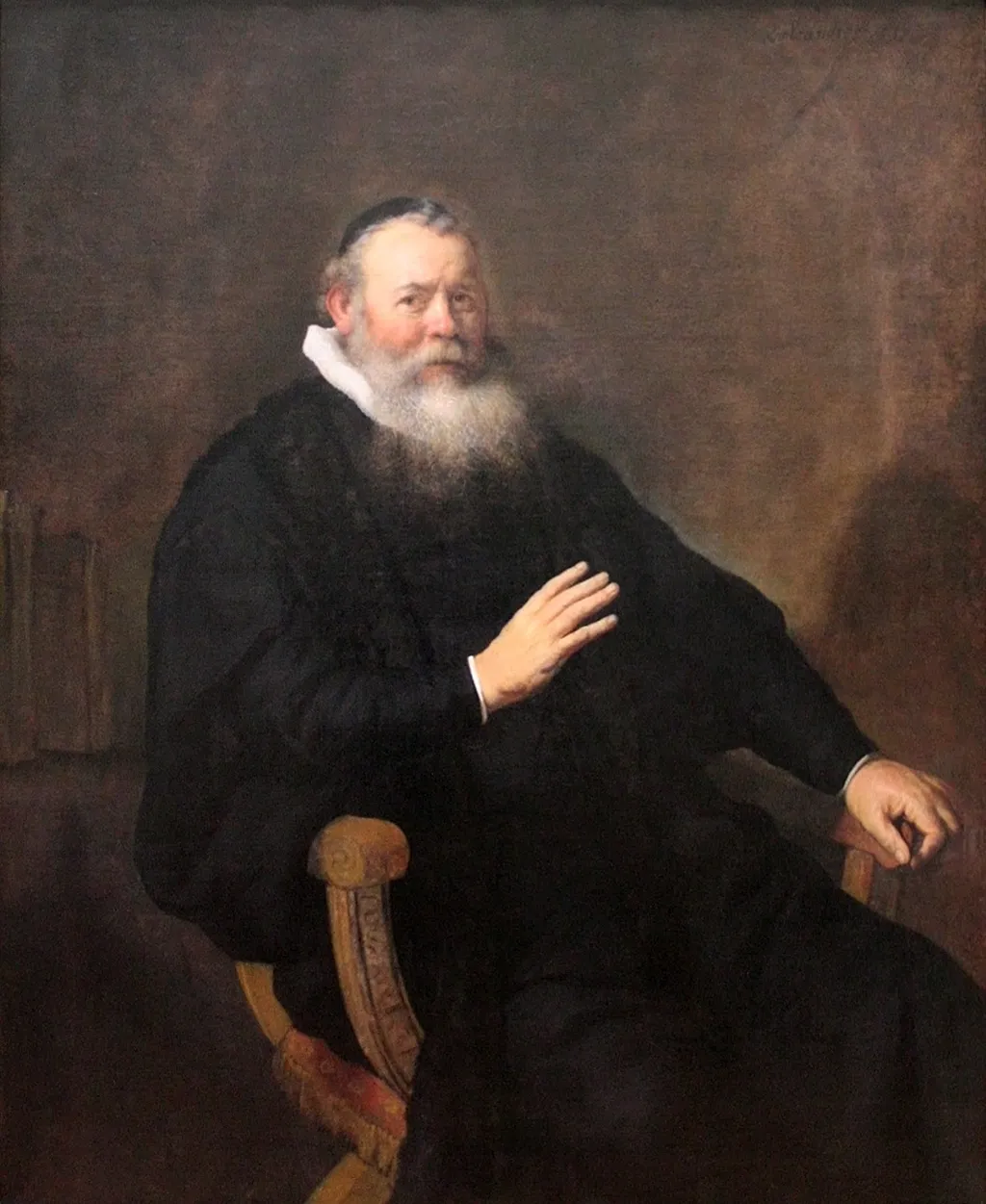
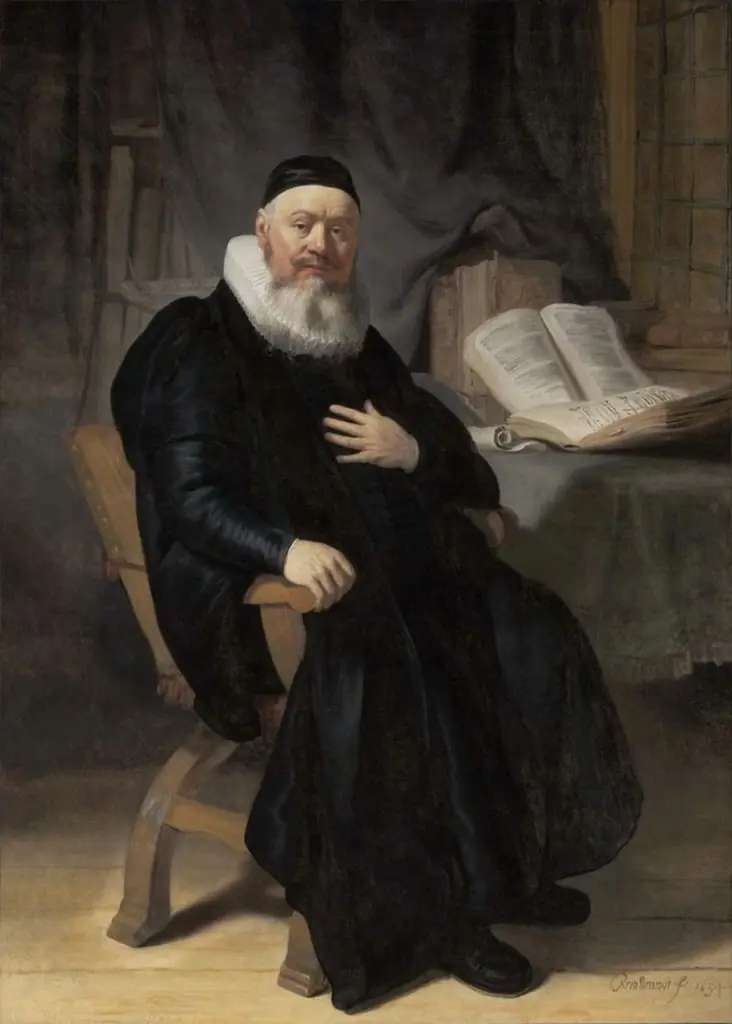
Portrait of Eleazar Swalmius is an oil painting by the Dutch Golden Age artist Rembrandt. It dates from 1637 and is held in the collection of the Royal Museum of Fine Arts Antwerp. Created in 1637, this oil-on-canvas work depicts the Dutch preacher Eleazar Swalmius.
About this work
Overview
Created in 1637, this oil-on-canvas work depicts the Dutch preacher Eleazar Swalmius. Executed by Rembrandt, the portrait presents the elderly cleric seated against a dark backdrop, his white beard illuminated by a focused light source. The painting now belongs to the Royal Museum of Fine Arts in Antwerp and is recognized as an authentic Rembrandt.
Subject & Meaning
Eleazar Swalmius, a noted preacher of the Dutch Republic, is shown in a moment of oration. His right hand gestures subtly, suggesting speech, while his left hand rests on the arm of a wooden chair. The solemn expression and austere attire convey the gravitas of his religious vocation and the intellectual authority he commanded.
Technique & Style
Rembrandt employs chiaroscuro to isolate the figure from the surrounding gloom, allowing the light to model the folds of the black robe and the texture of the beard. The brushwork is refined yet expressive, especially in rendering the wrinkles of the face and the subtle transitions of tone that give the portrait its depth.
History & Provenance
Subsequent owners included several English collectors, after which the Cologne‑based Bourgeois brothers acquired it and sold it to the Antwerp museum in 1886.
The portrait entered the Duke of Orléans collection by 1727, catalogued as a likeness of an Amsterdam mayor. It remained with the ducal family until 1792, when Louis‑Philippe‑Joseph sold the entire holdings. Subsequent owners included several English collectors, after which the Cologne‑based Bourgeois brothers acquired it and sold it to the Antwerp museum in 1886. Uncertainty about its authorship led to its storage for many years.
Context and Legacy
Restoration work in the early 2000s clarified the painting’s material and stylistic attributes, prompting scholars to reaffirm its attribution to Rembrandt. The revalidation has reinforced the work’s significance within the artist’s early portraiture, illustrating his mastery of light and psychological insight during the Dutch Golden Age.
Artist & collection
Artist
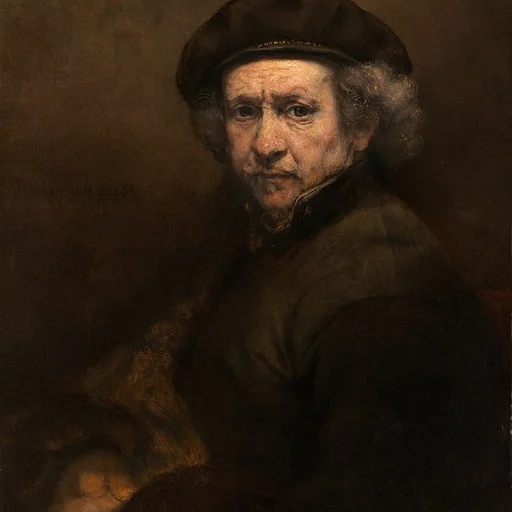
Rembrandt Harmenszoon van Rijn (15 July 1606 – 4 October 1669), known mononymously as Rembrandt, was a Dutch Golden Age painter, printmaker, and draughtsman.

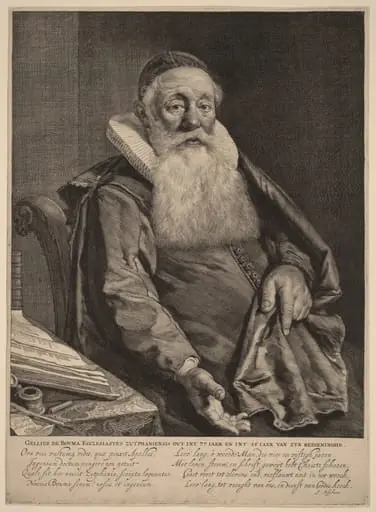 Gellius de Bouma
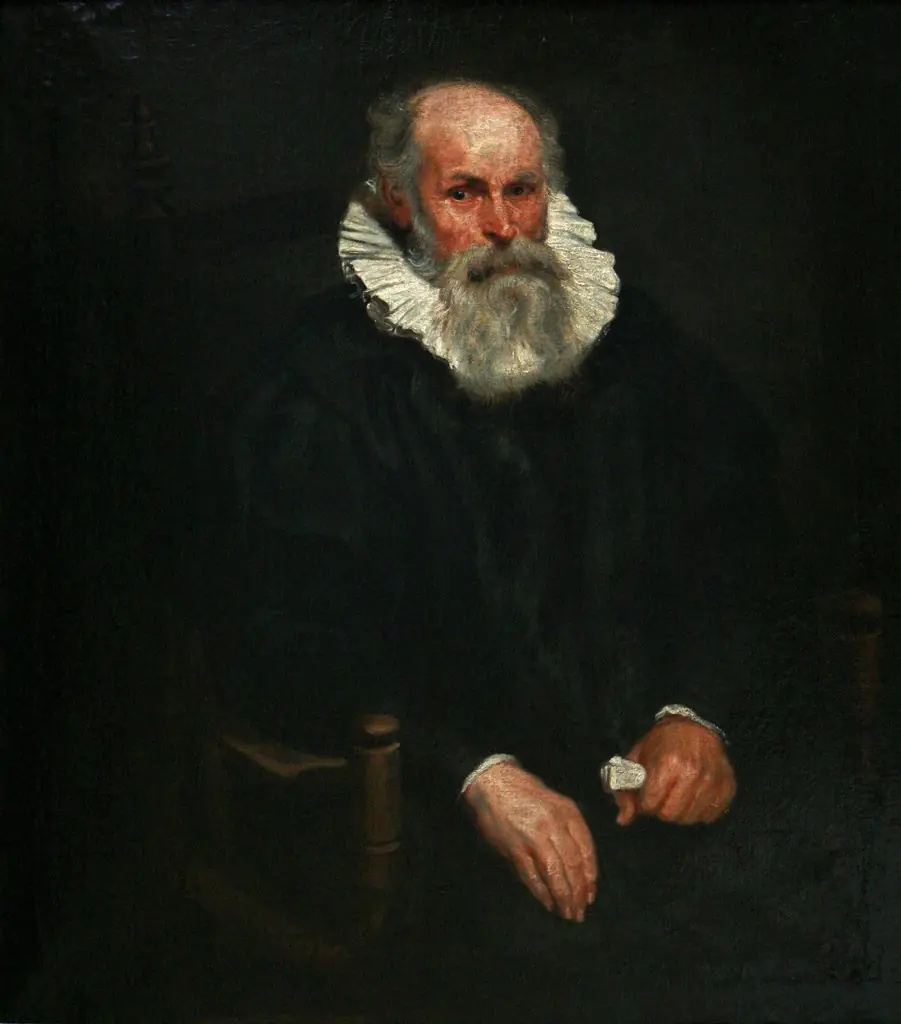 Portrait of an old man
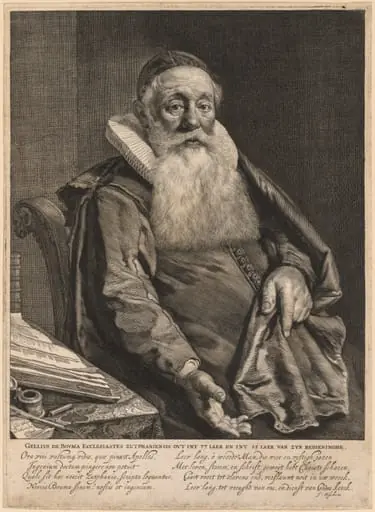 Gellius de Bouma, Minister of the Gospel at Zutphen
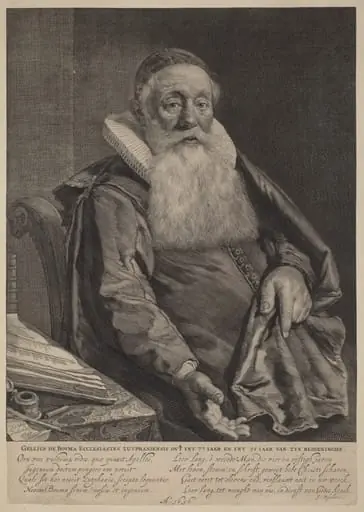 Gellius de Bouma
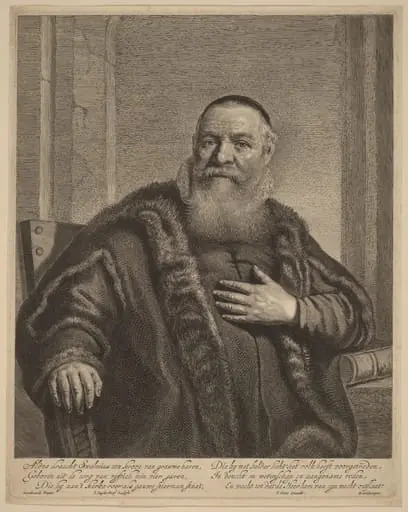 Eleazer Swalmius
 Reverend Johannes Elison
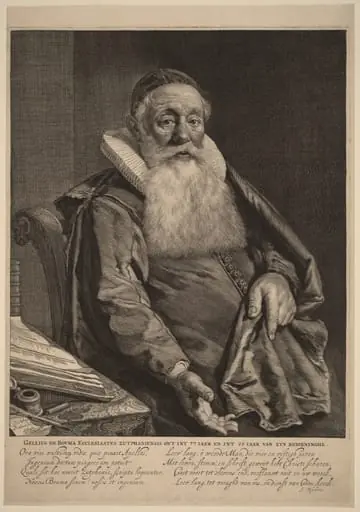 Gellius de Bouma
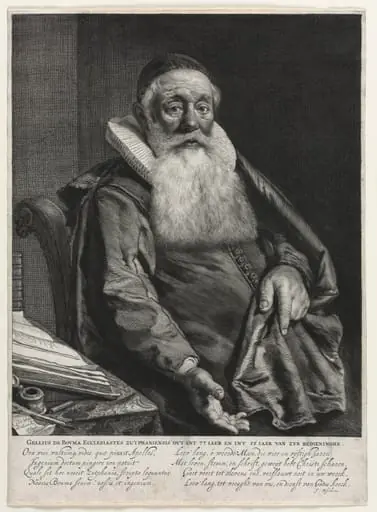 Gellius de Bouma
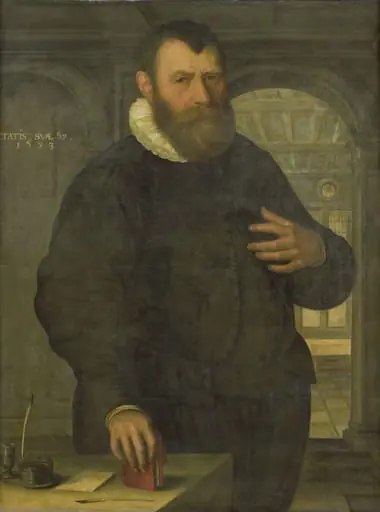 Portrait of Bartholomeus van der Wiere (1534-1603)
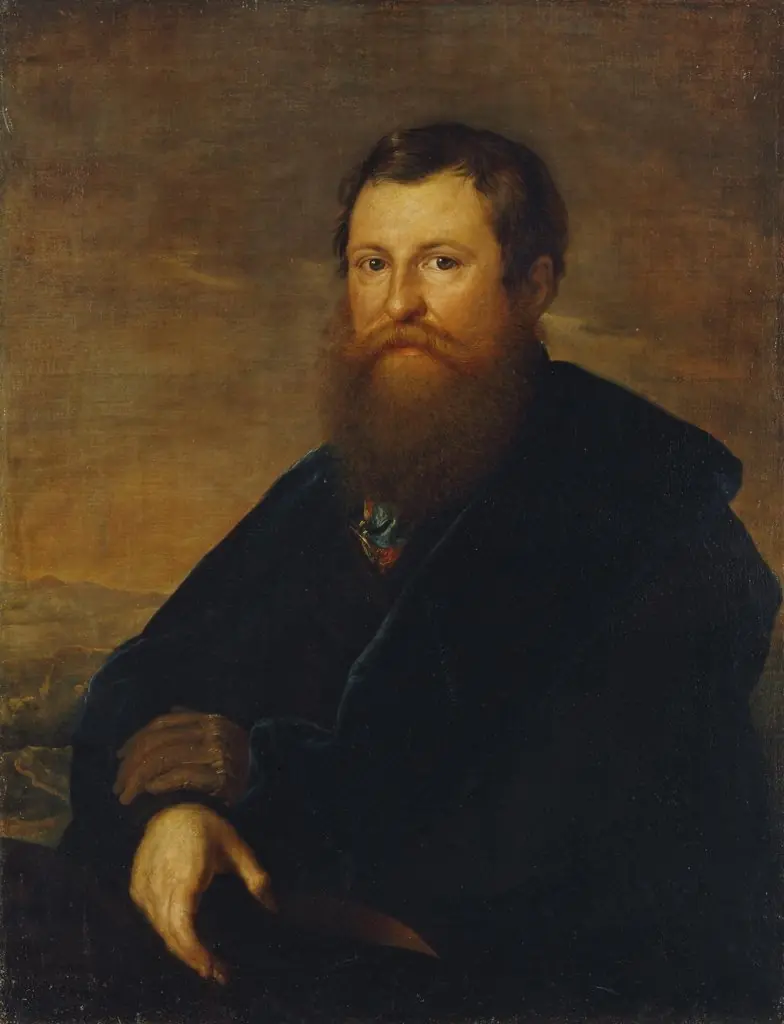 Portrait of the Merchant Alexander Sapozhnikov
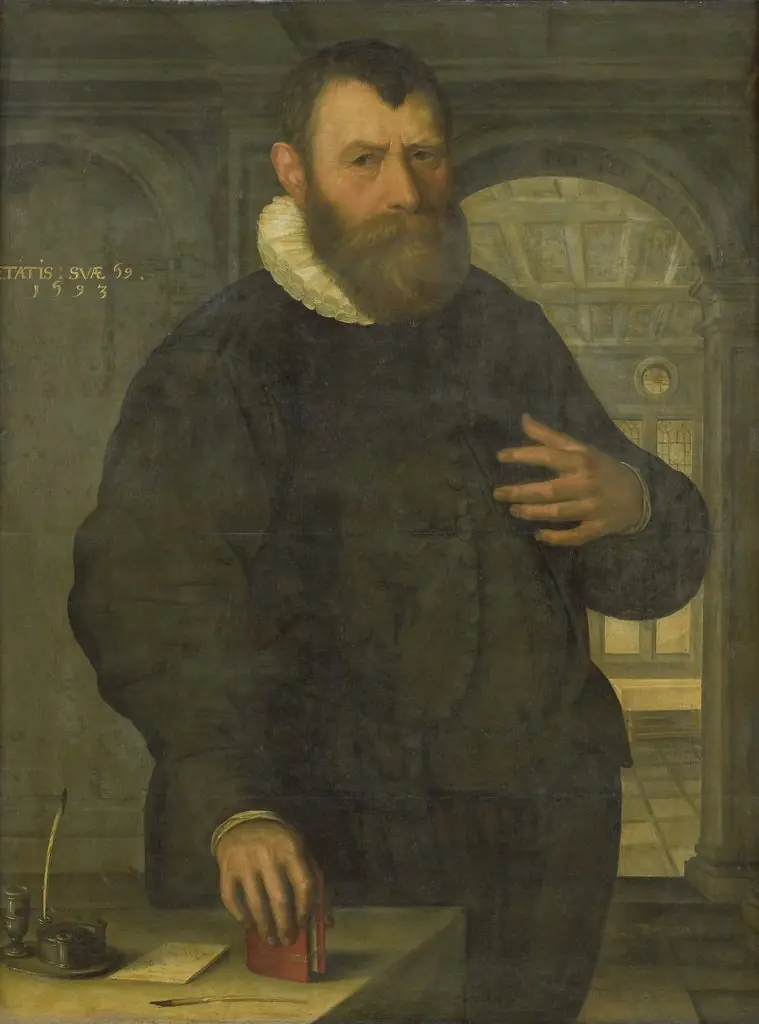 Portrait of Bartholomeus van der Wiere (1534-1603)
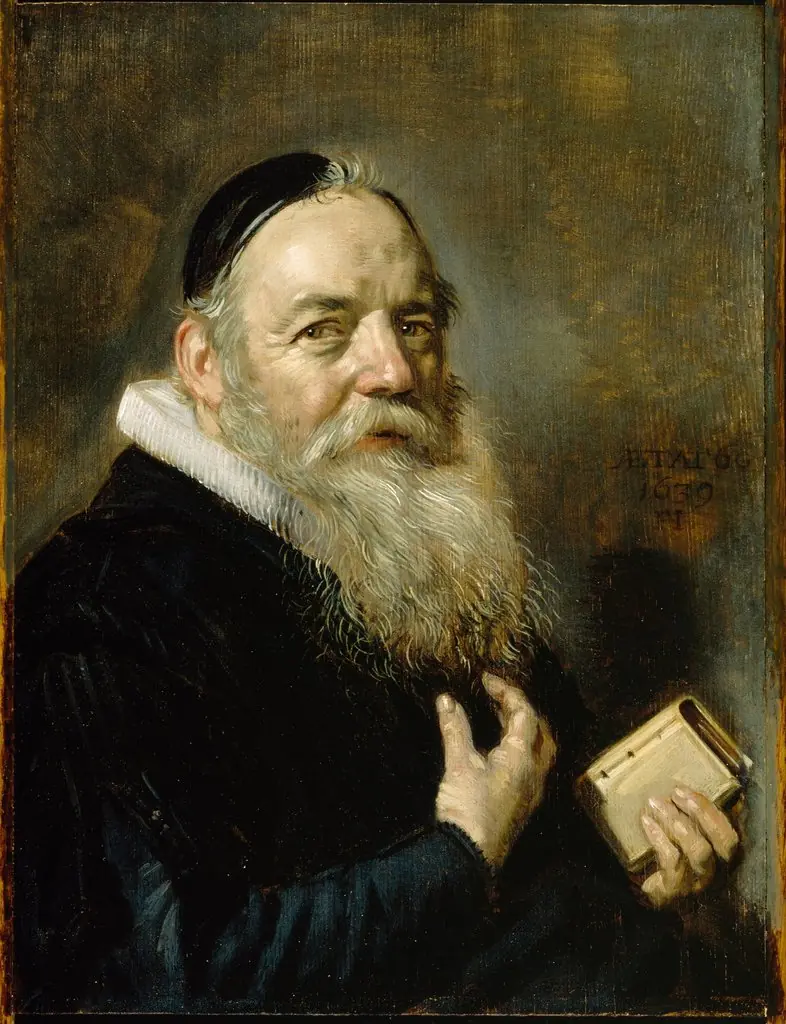 Portrait of Hendrik Swalmius