Artwork
Portrait of Maertgen van Bilderbeecq, Wife of Willem Burggraeff
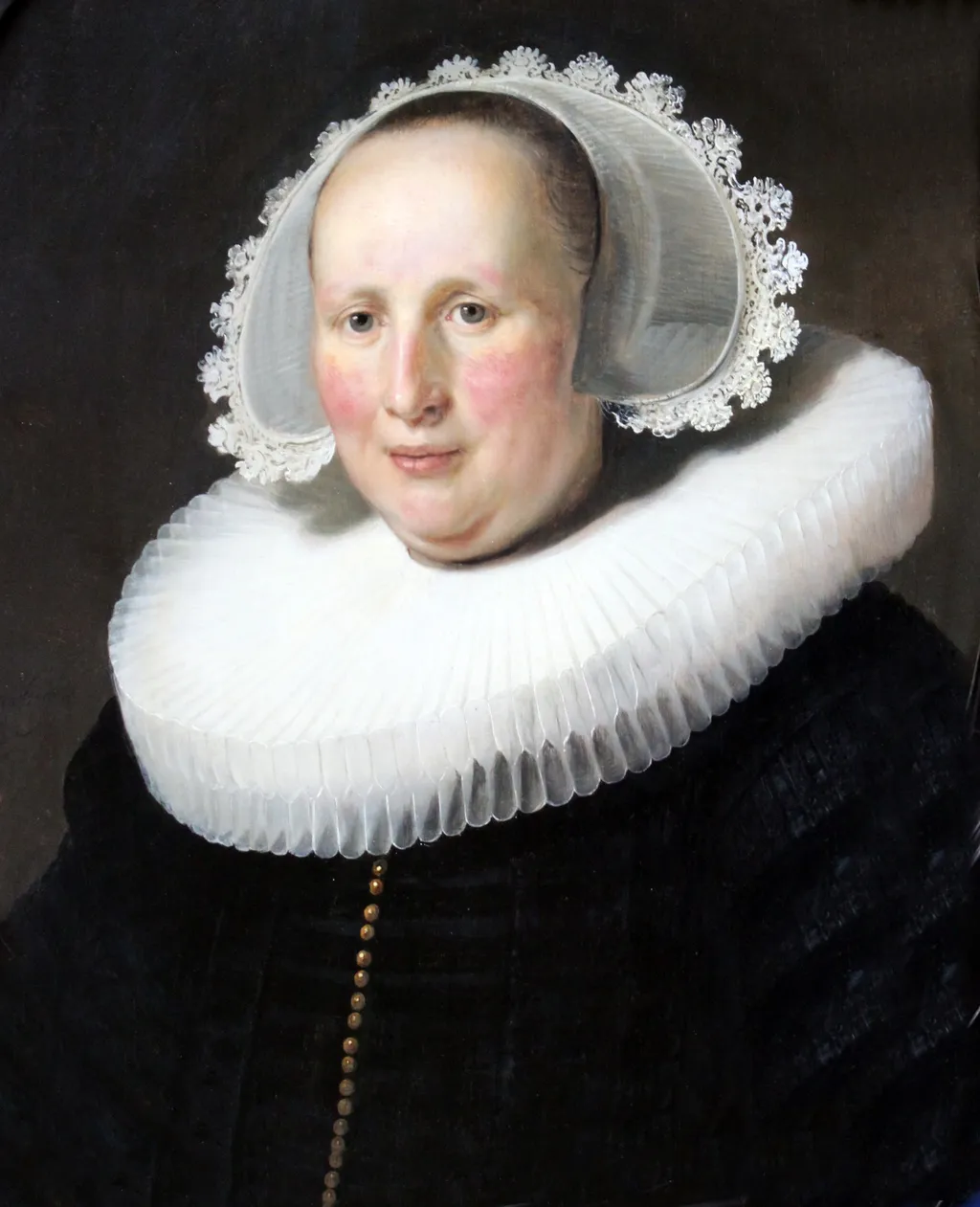
Portrait of Maertgen van Bilderbeecq, Wife of Willem Burggraeff is an oil painting by the Dutch Golden Age artist Rembrandt. It dates from 1633 and is held in the collection of the Städel Museum. Painted in 1633, this oil portrait captures Maertgen van Bilderbeecq, wife of Willem Burggraeff, in a restrained yet intimate composition.
About this work
Overview
Painted in 1633, this oil portrait captures Maertgen van Bilderbeecq, wife of Willem Burggraeff, in a restrained yet intimate composition.
Painted in 1633, this oil portrait captures Maertgen van Bilderbeecq, wife of Willem Burggraeff, in a restrained yet intimate composition. Executed by Rembrandt van Rijn during his early Amsterdam period, the work exemplifies his growing mastery in rendering psychological depth through subtle facial expression and controlled lighting. It resides today in the Städel Museum’s collection, one of many private portraits he produced for the city’s merchant class.
Subject & Meaning
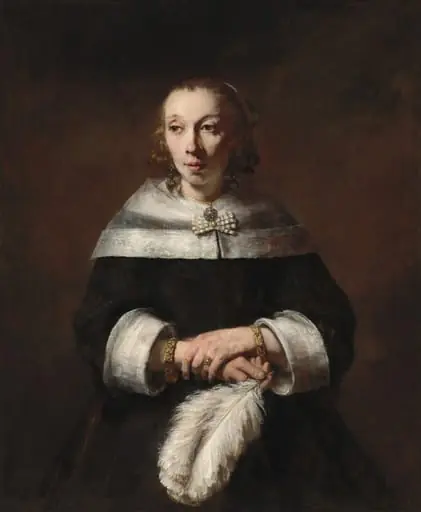
Maertgen is portrayed not as an idealized figure but as a person of quiet dignity. Her dark attire and minimal jewelry reflect the Protestant values of modesty common among Amsterdam’s elite. The faint, unassuming smile and direct gaze suggest a sense of self-possession rather than performative grace. The portrait functions as both a personal record and a statement of social standing, emphasizing character over ornamentation.
Technique & Style
Rembrandt employed layered glazes and textured brushwork to convey the sheen of lace and the weight of wool. The face is rendered with delicate transitions between light and shadow, drawing attention to the eyes and mouth without overt dramatization. The dark, indistinct background isolates the figure, focusing attention on her presence. The handling of fabric and skin reveals a keen observation of material and texture, hallmarks of his evolving naturalism.
History & Provenance
The painting remained in the Burggraeff family until the 19th century, after which it entered private collections in the Netherlands before being acquired by the Städel Museum in Frankfurt. Its attribution to Rembrandt has been consistently supported by stylistic analysis and archival records. No major restorations have altered its original surface, preserving the artist’s intended tonal harmony and detail.
Context
In 1630s Amsterdam, portraiture was a thriving market among wealthy merchants seeking to document their status. Rembrandt distinguished himself by moving beyond conventional flattery, emphasizing individuality and emotional nuance. This portrait aligns with his broader shift toward psychological realism, contrasting with the more rigid conventions of earlier Dutch portraiture and anticipating his later, more introspective works.
Legacy
The portrait stands as an early example of Rembrandt’s ability to transform a conventional commission into a deeply human representation. It influenced subsequent generations of portraitists who sought to capture inner life rather than external prestige. Though less famous than his later works, it remains a significant reference in studies of 17th-century Dutch identity and the evolution of portraiture as a medium of personal expression.
Own this work as a print
Artist & collection
Artist
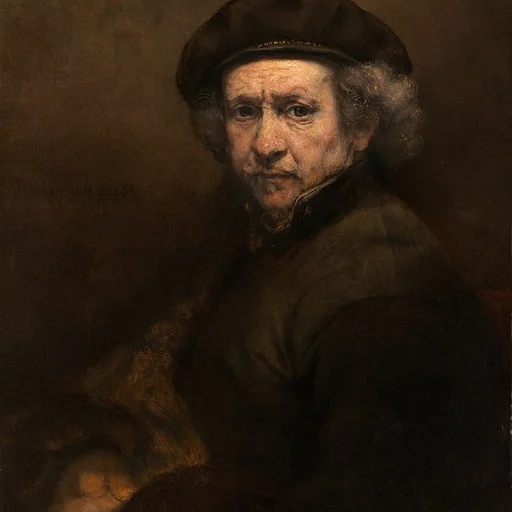
Rembrandt Harmenszoon van Rijn (15 July 1606 – 4 October 1669), known mononymously as Rembrandt, was a Dutch Golden Age painter, printmaker, and draughtsman.

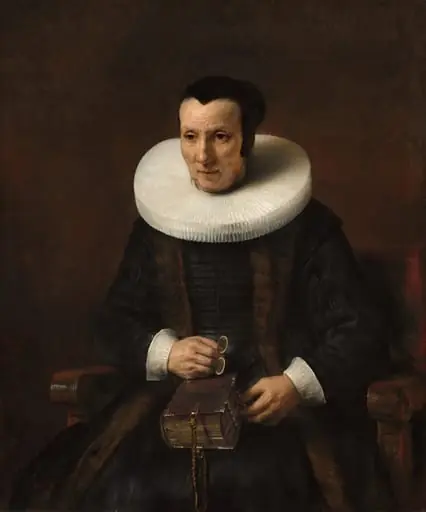
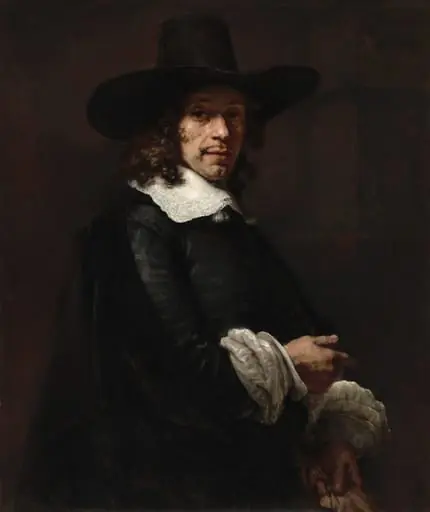
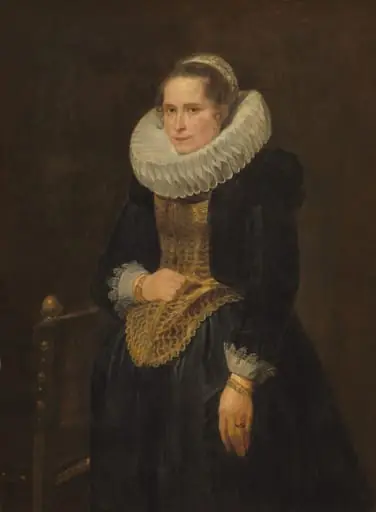 Portrait of a Flemish Lady
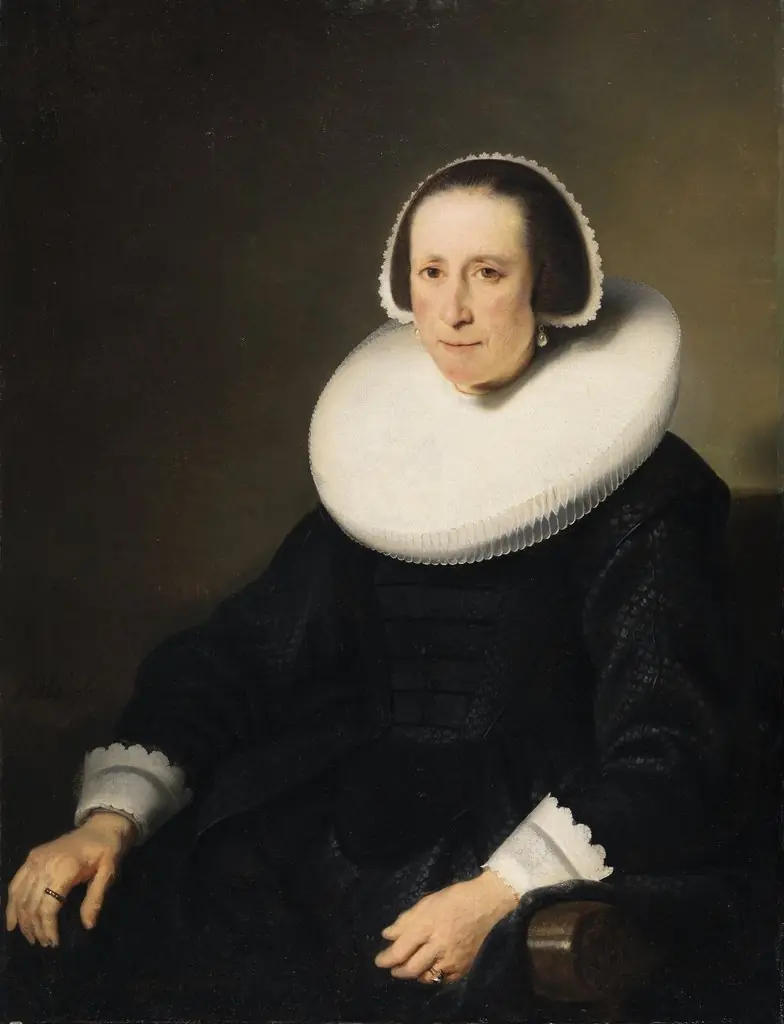 Portrait of a Lady
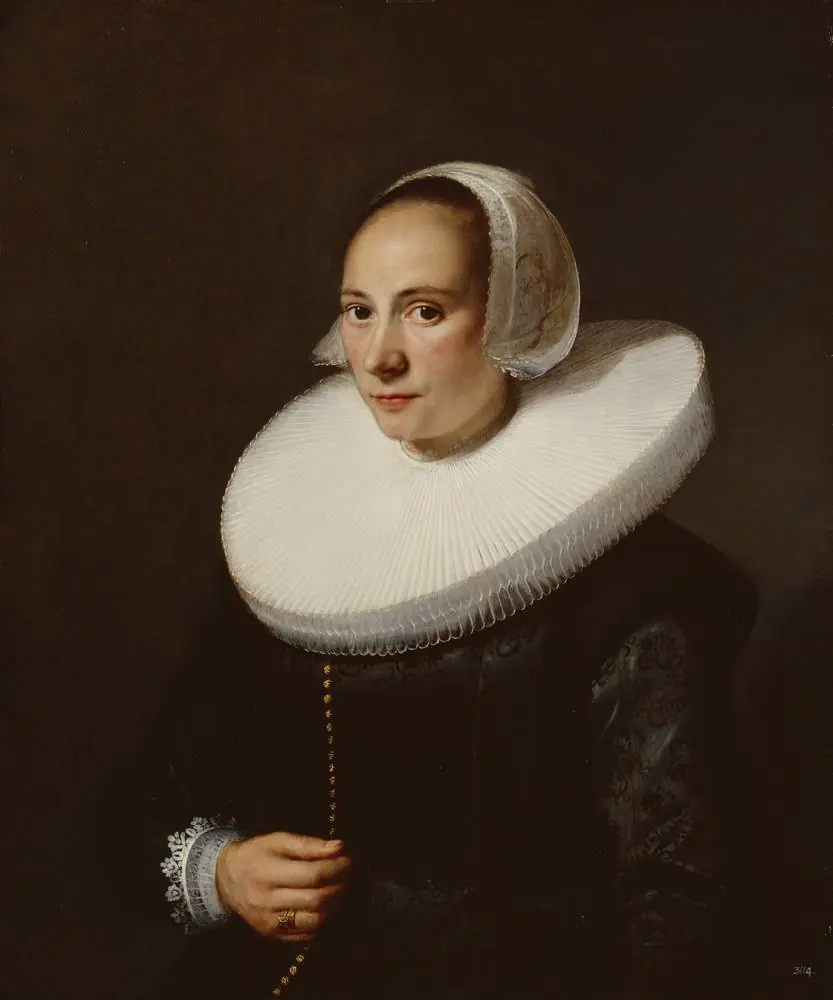 Portrait of a Woman
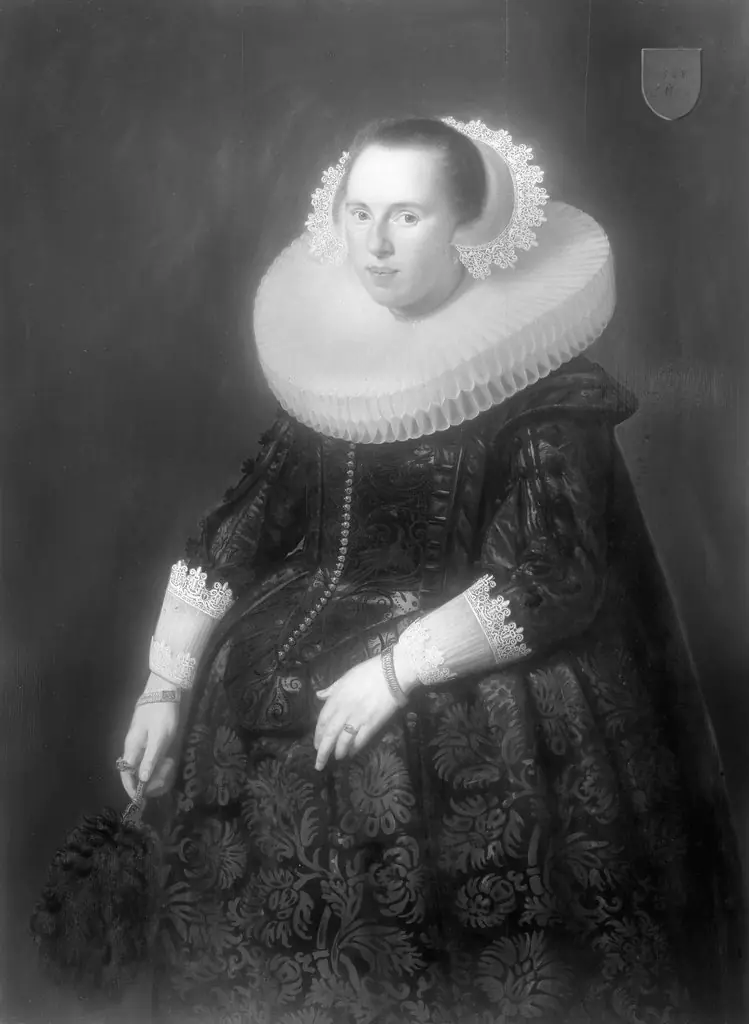 Portrait of a Young Woman
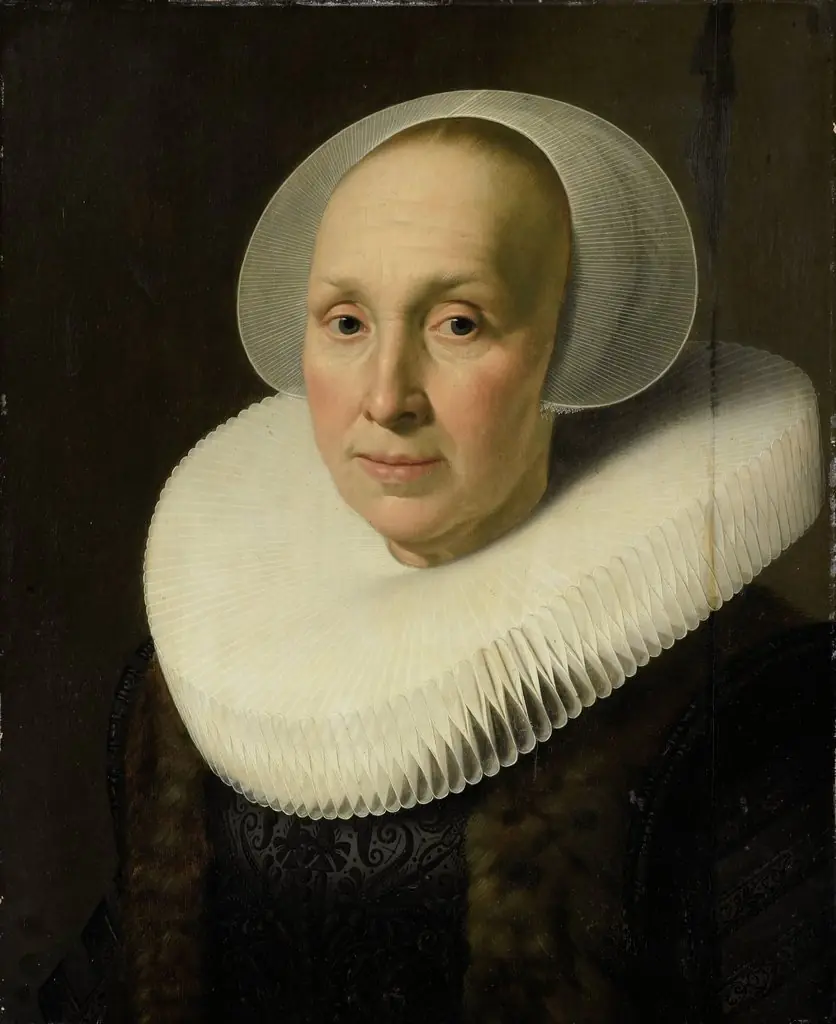 Portrait of Margriet Benningh (1565-1641)
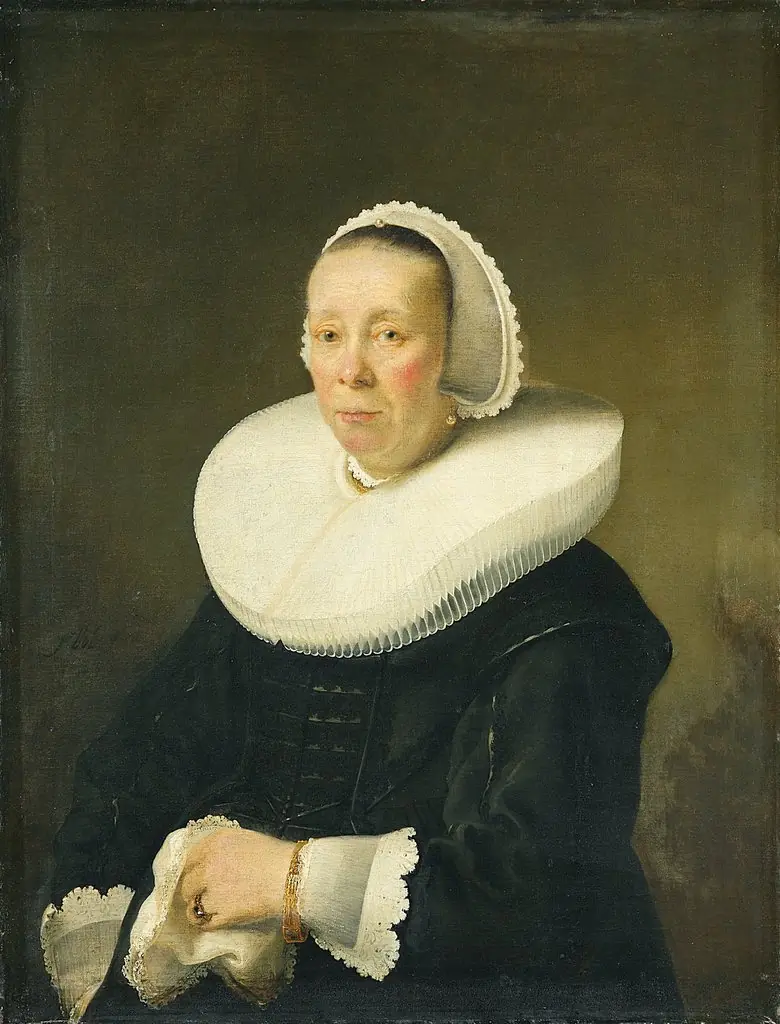 Portrait of an older Women
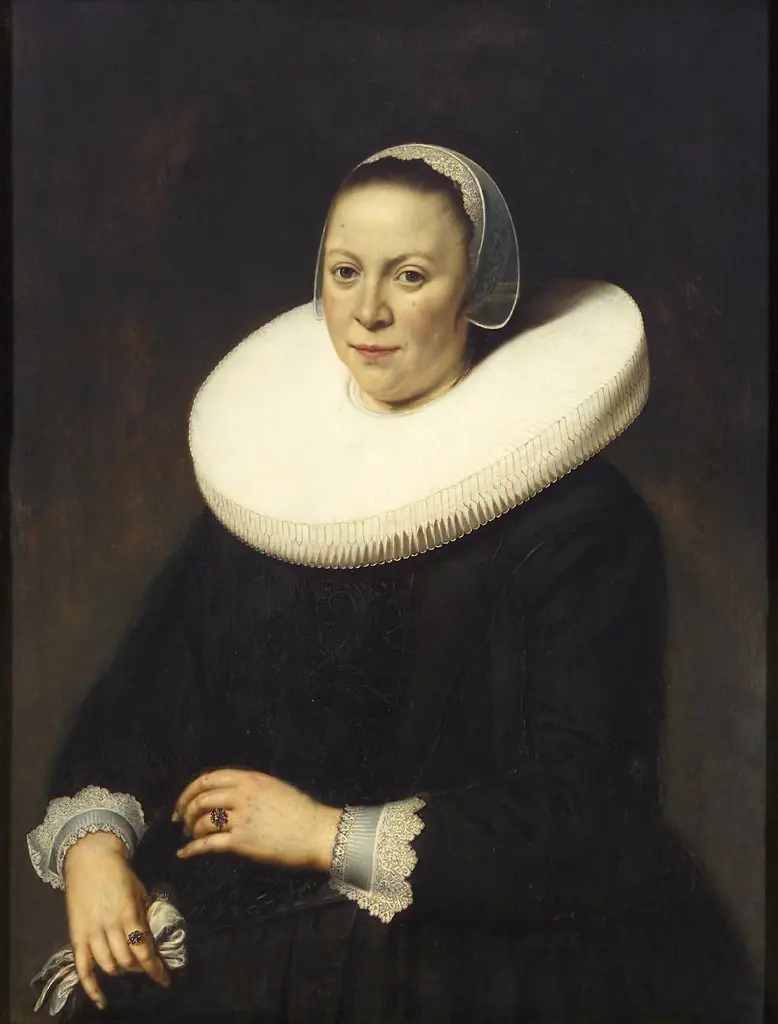 Anna Heinz von Jaden, Gemahlin des Casanova del Monte Turris
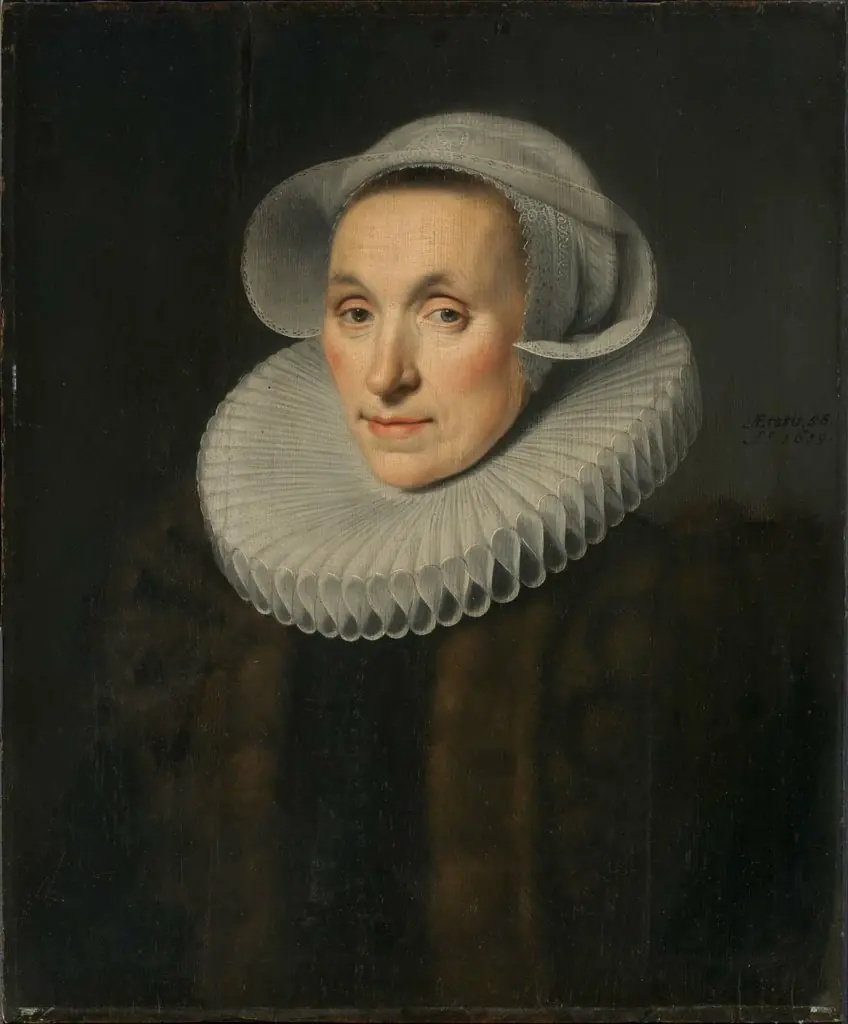 Sara van Bosschaert (version of 1/2-length portrait in the Prinsenhof, Delft)
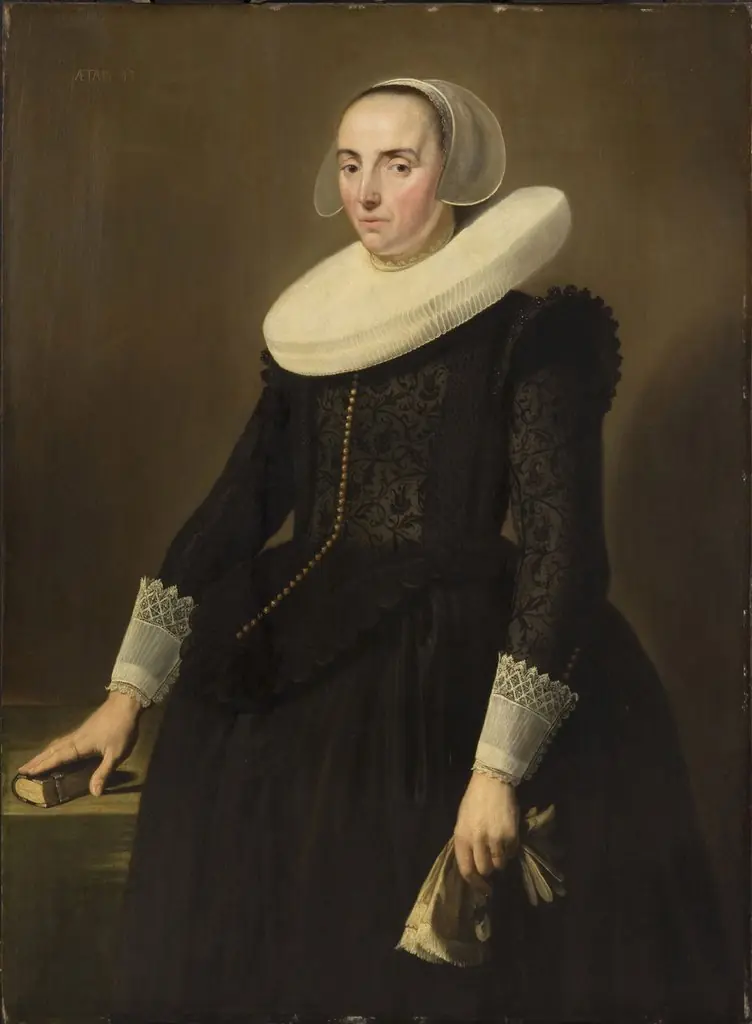 Portrait of Jeanne de Planque
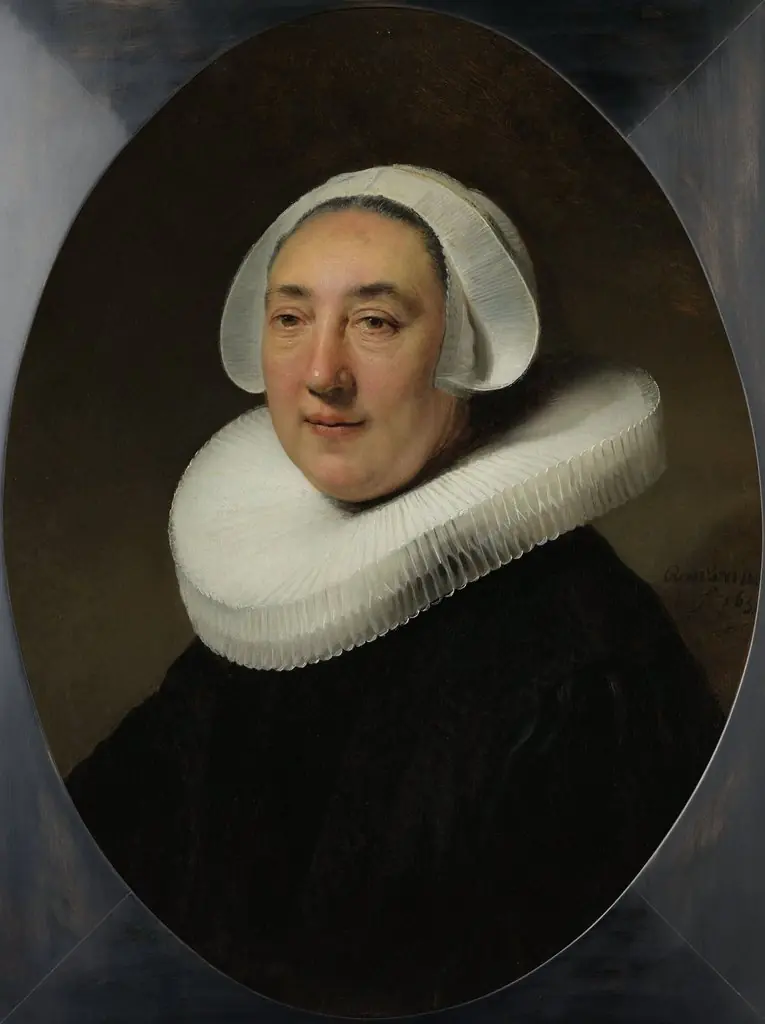 Portrait of Haesje Jacobsdr van Cleyburg
 Portrait of Maria Petitpas (?-1640)
 Portrait of Susanna Pietersdr Oostdijk (b. 1597)