Artwork
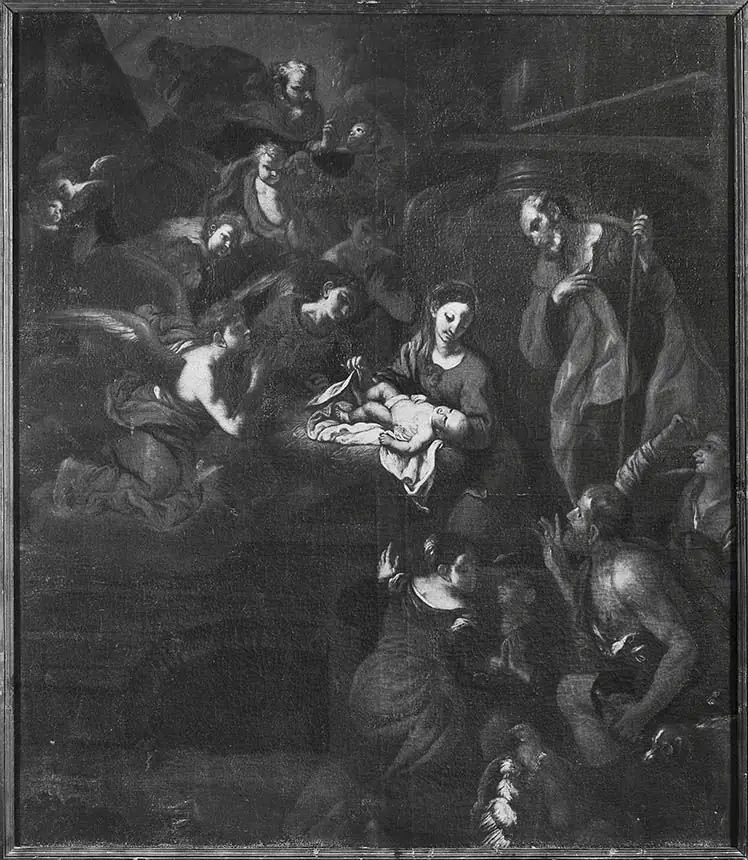
Anbetung der Hirten (Nachfolger)
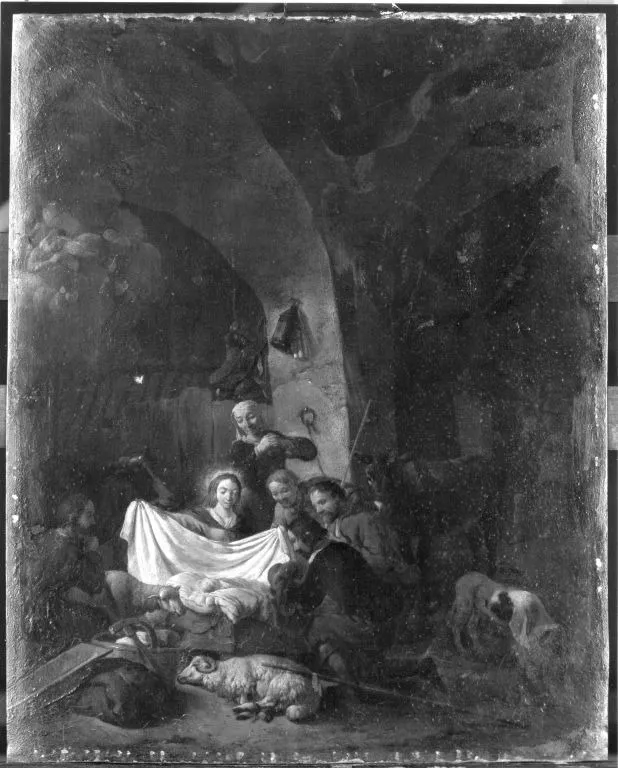
Anbetung der Hirten (Nachfolger) is an unspecified painting by the Dutch Golden Age artist Rembrandt. It dates from 1637 and is held in the collection of the Bavarian State Painting Collections. Created in 1637, this oil painting presents a religious tableau centered on a woman clothed in white, surrounded by figures and animals.
About this work
Overview
Created in 1637, this oil painting presents a religious tableau centered on a woman clothed in white, surrounded by figures and animals. The composition is dominated by a dark background illuminated from the left, giving the scene a subdued atmosphere and emphasizing the central figure’s contemplative gaze.
Subject & Meaning
The work portrays a biblical or devotional moment, likely referencing the adoration of shepherds, as suggested by the presence of a sheep and a dog among the attendants. The central woman's white garment and serene expression convey themes of purity and reverence within the narrative.
Technique & Style
The painting employs pronounced chiaroscuro, with strong contrasts between light and shadow that model the figures and create depth. Muted earth tones and careful handling of texture reflect the influence of Rembrandt’s early Dutch Baroque style, particularly his skill in rendering dramatic illumination.
History & Provenance
Attributed to a follower of Rembrandt Harmenszoon van Rijn, the piece belongs to the broader output of artists working in the Dutch Golden Age. It entered the collection of the Alte Pinakothek, where it remains part of the museum’s holdings of 17th‑century Dutch painting.
Artist & collection
Artist
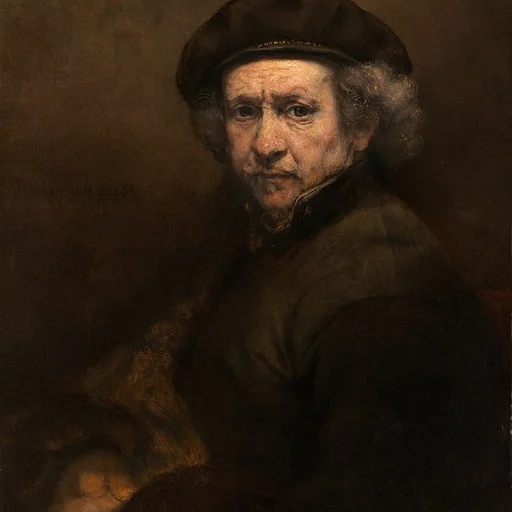
Rembrandt Harmenszoon van Rijn (15 July 1606 – 4 October 1669), known mononymously as Rembrandt, was a Dutch Golden Age painter, printmaker, and draughtsman.

 Anbetung der Hirten (Schule)
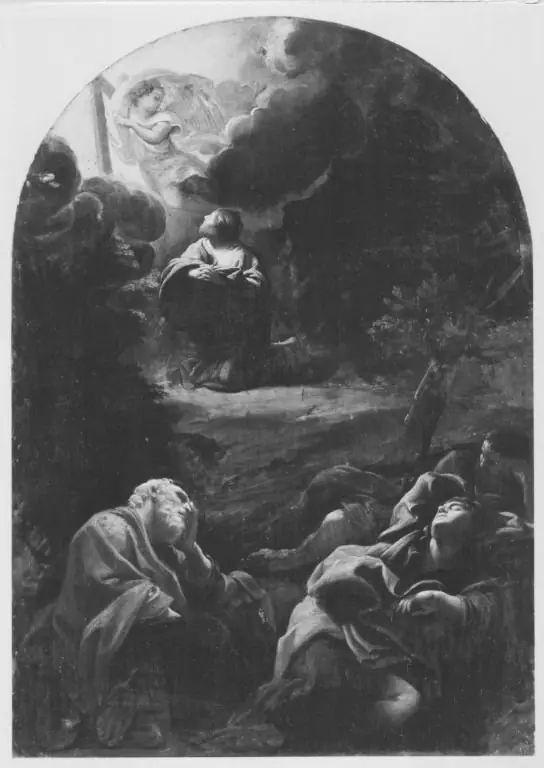 Christus am Ölberg
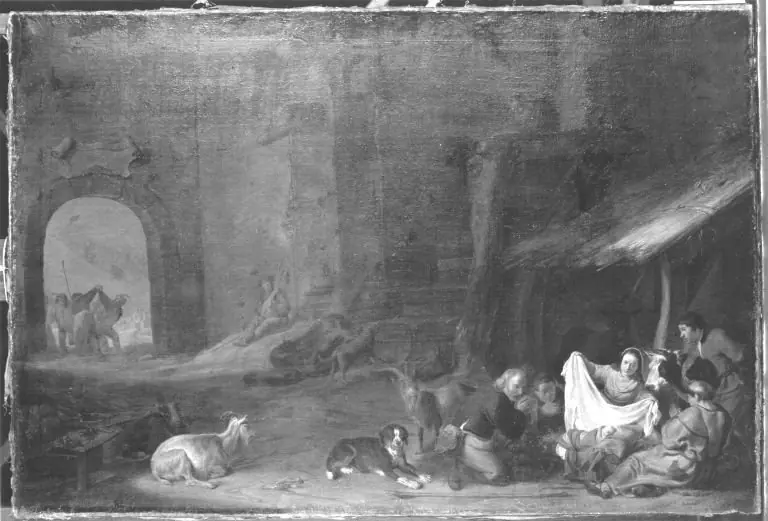 Anbetung der Hirten
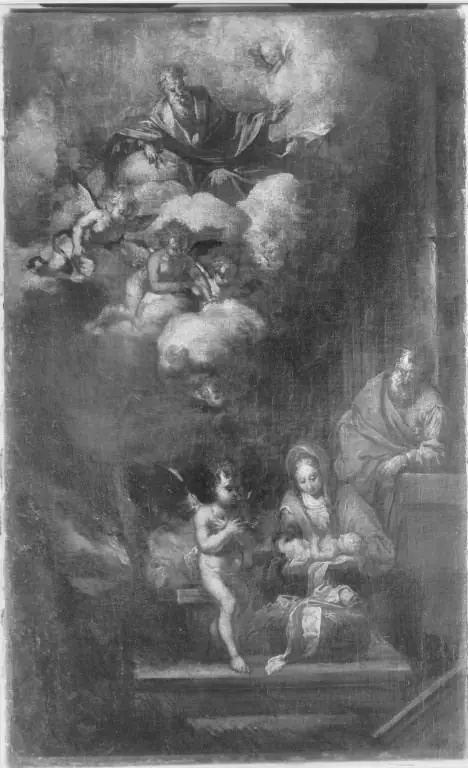 Geburt Christi (Art des)
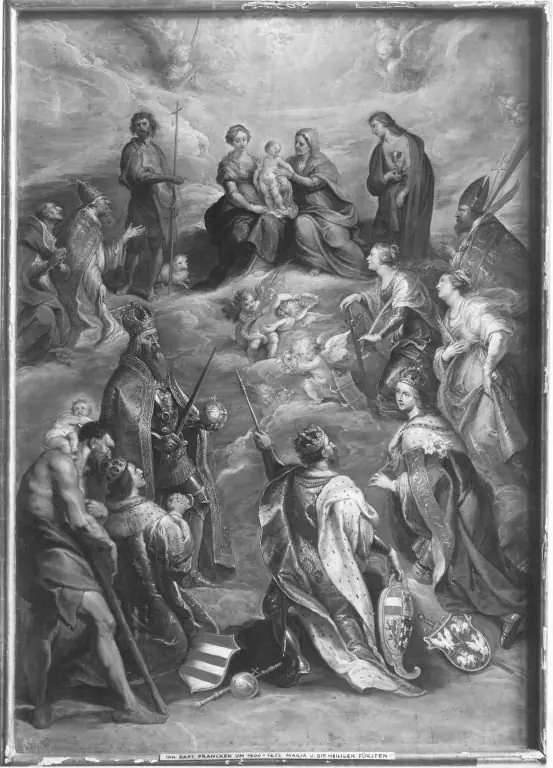 Virgin with child and St. Anna, surrounded by Saints and the Saints of the House of Austria
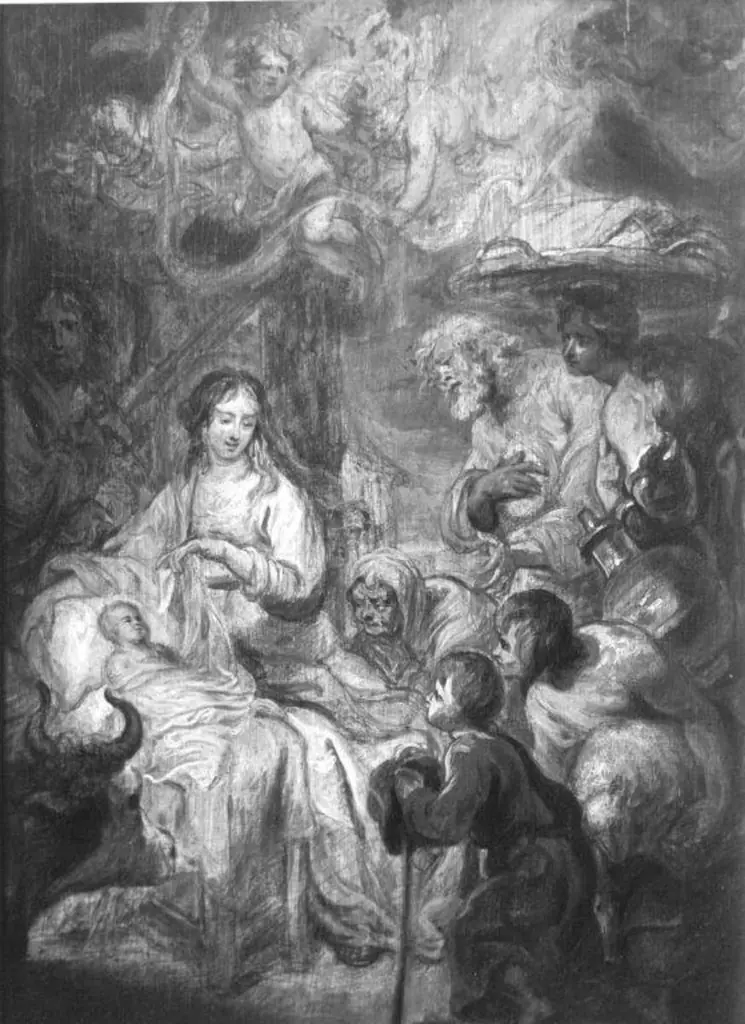 Anbetung der Hirten
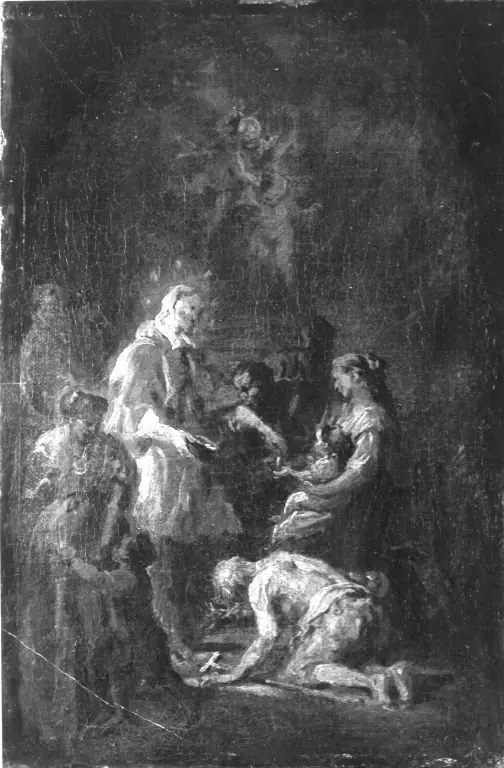 Der hl. Nepomuk Almosen spendend
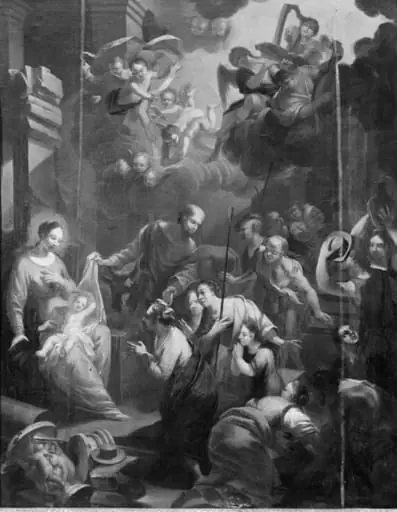 The Adoration of the Shepherds
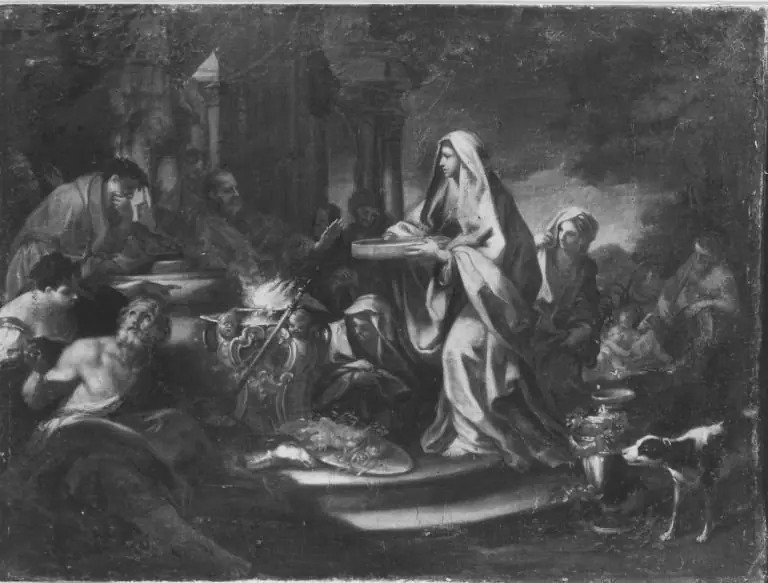 Vestalinnenopfer
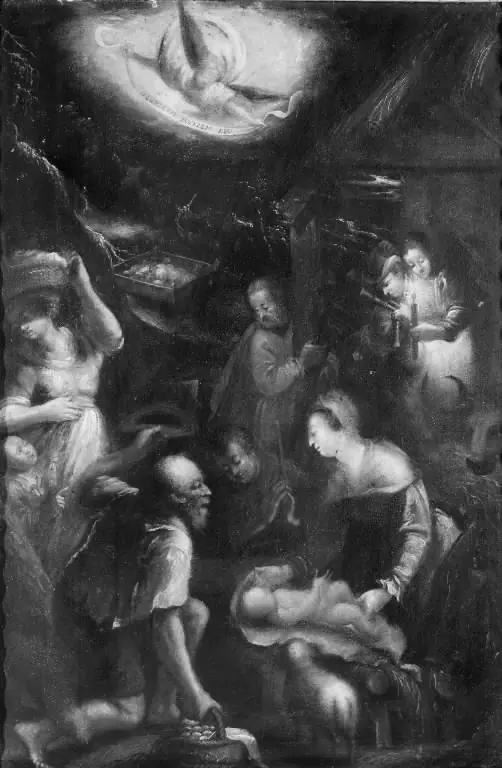 The Adoration of the Shepherds
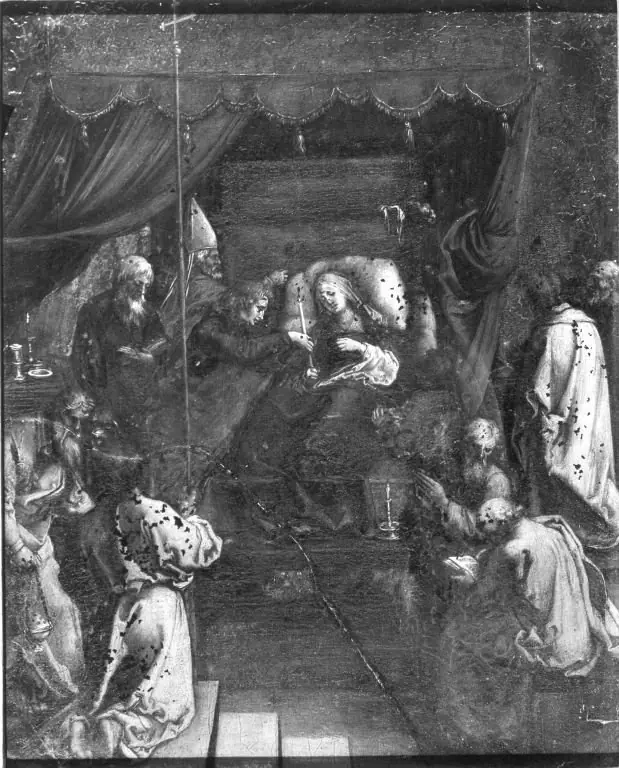 Tod Mariae (Kopie nach)
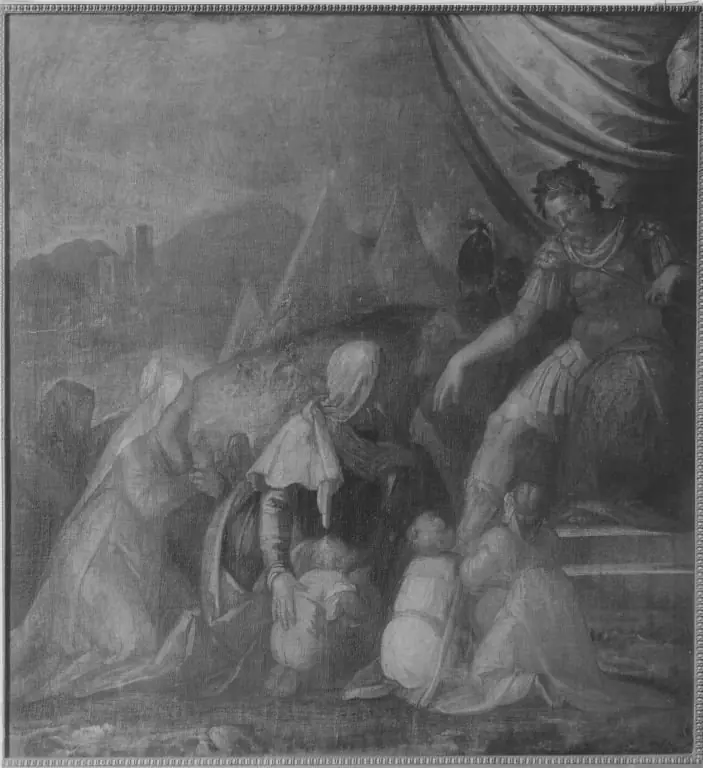 Coriolan lässt sich von seiner Familie bereden