Artwork
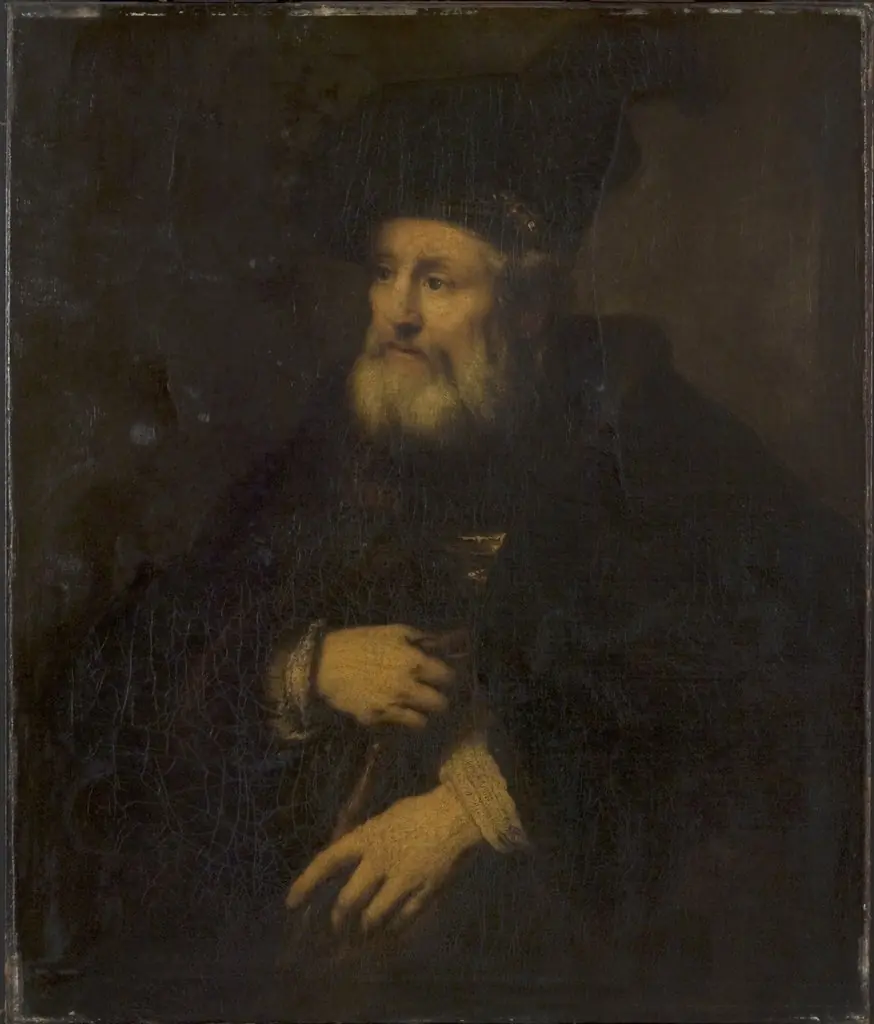
Ein alter Mann (Kopie nach)
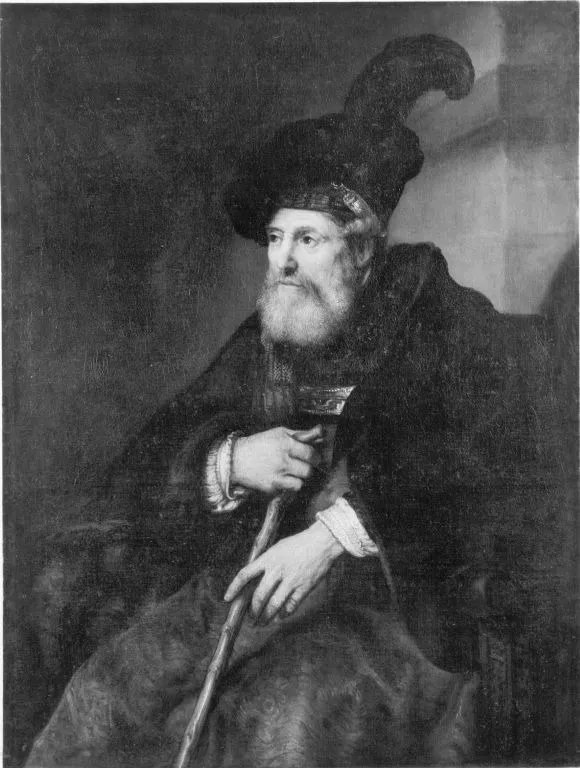
Ein alter Mann (Kopie nach) is an unspecified painting by the Dutch Golden Age artist Rembrandt. It dates from 1637 and is held in the collection of the Bavarian State Painting Collections.
About this work
Overview
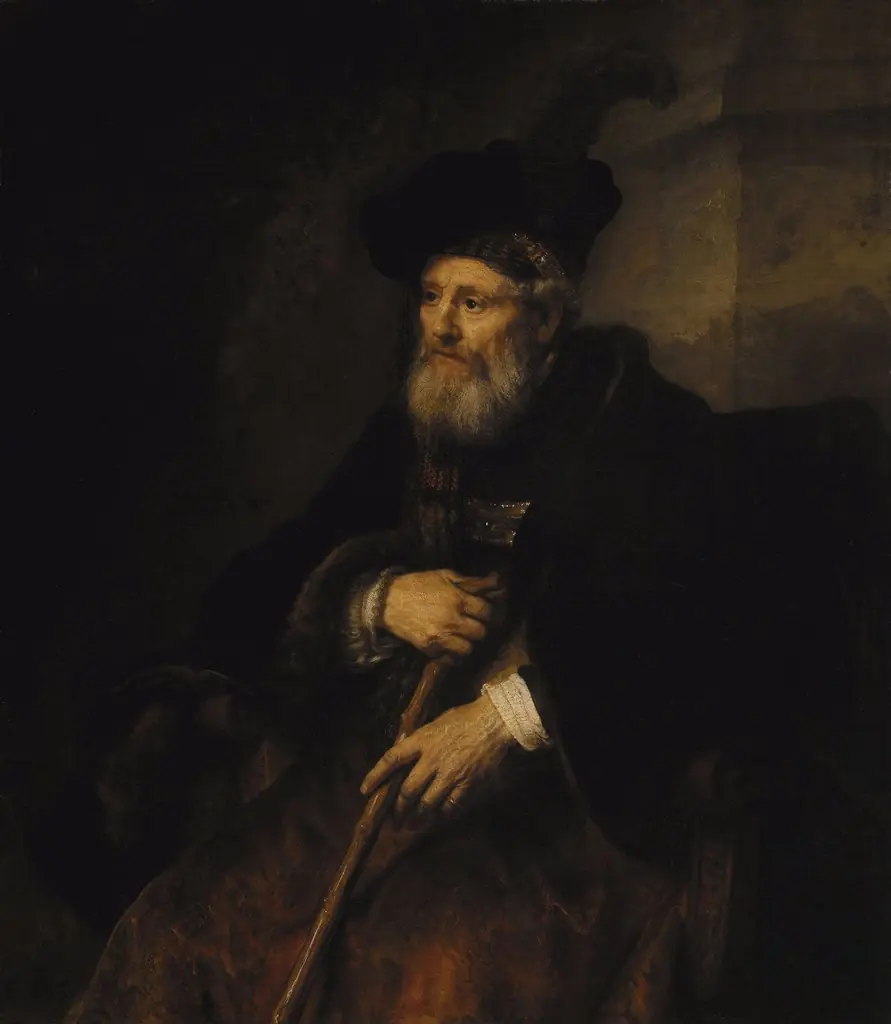
Created in 1637 by Rembrandt van Rijn, a central figure of the Dutch Golden Age, this oil painting depicts an elderly man rendered with striking chiaroscuro. The work is part of the Alte Pinakothek’s collection and exemplifies the artist’s focus on individual character during a prolific period in which he produced roughly three hundred canvases.
Subject & Meaning
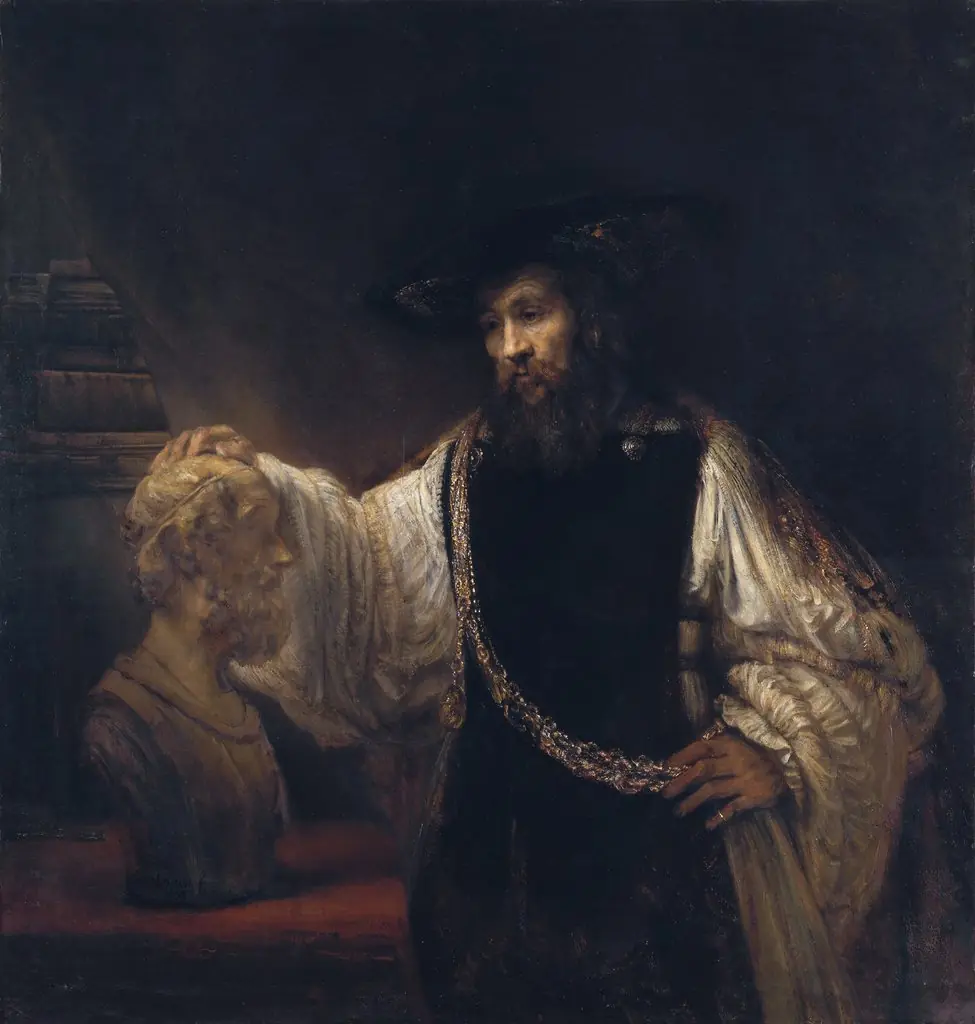
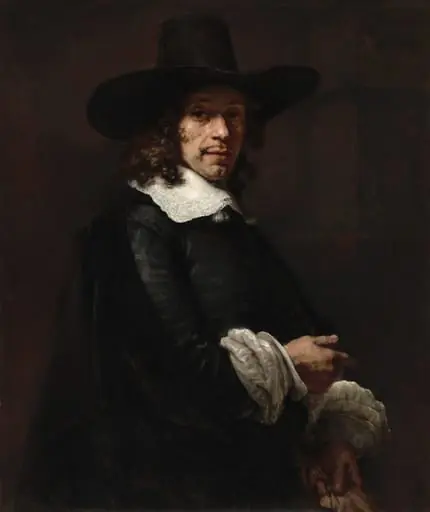
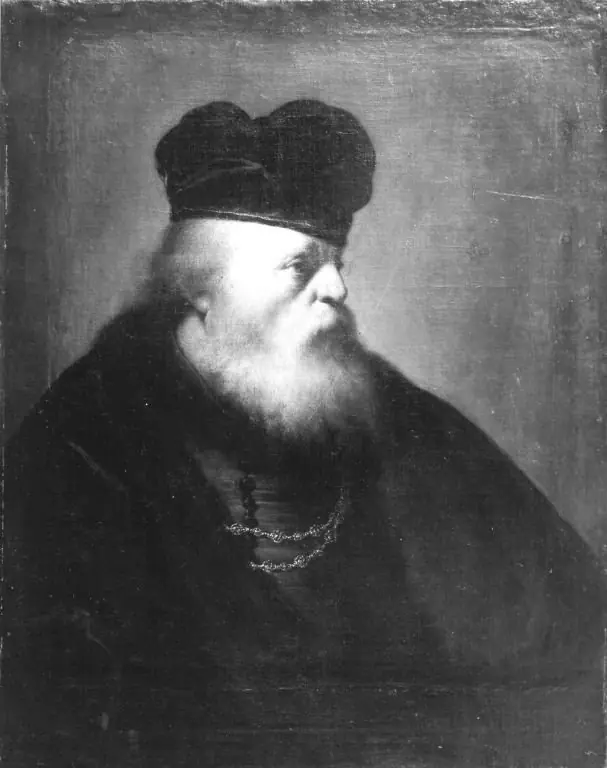
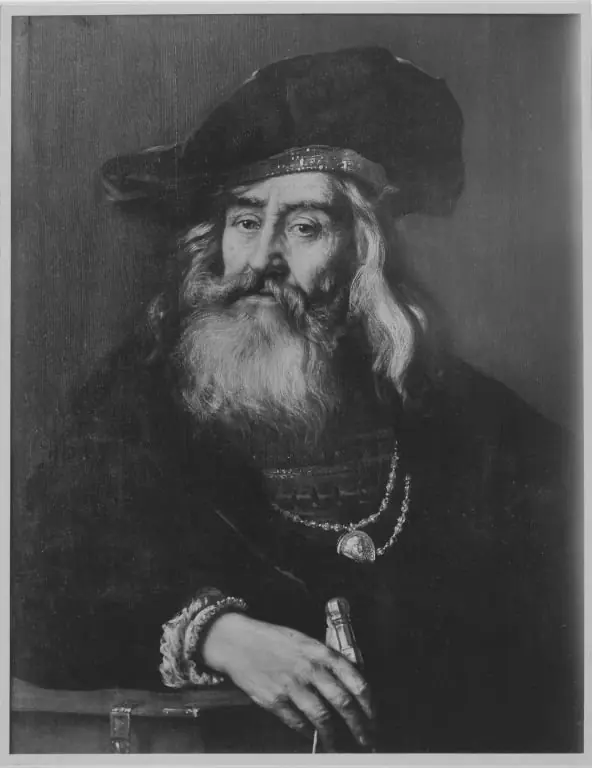
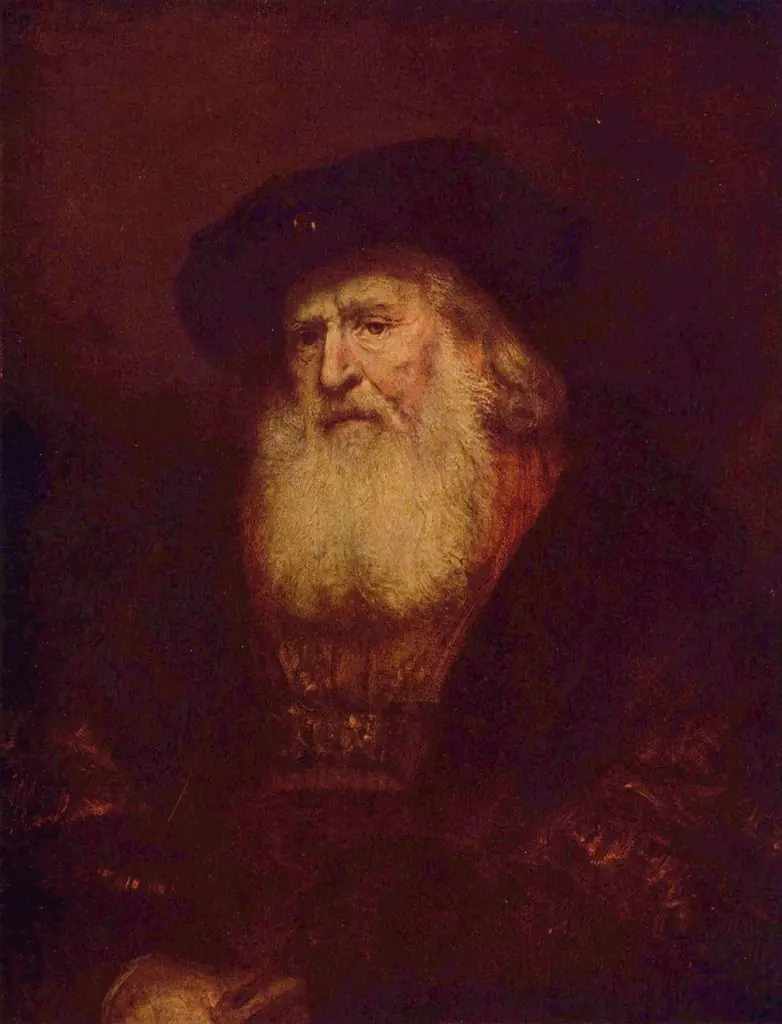
The sitter is an aged gentleman with a flowing white beard, a wide-brimmed hat, and a dark fur mantle, his hand resting on a cane. The composition conveys a solemn dignity, emphasizing the passage of time and the gravitas of experience through the subject’s direct, yet contemplative, gaze.
Technique & Style
Rembrandt employs a dramatic contrast of light and shadow, illuminating the face and beard while the surrounding space recedes into darkness. This chiaroscuro treatment creates a three‑dimensional presence, highlighting texture in the fur coat and the subtle folds of the hat, and reinforces the portrait’s emotional intensity.
History & Provenance
The painting has remained within the holdings of the Alte Pinakothek in Munich, where it is displayed as part of the museum’s Dutch Golden Age collection. Its provenance traces back to the artist’s workshop, reflecting the practice of producing copies after original compositions for patrons and collectors.
Artist & collection
Artist
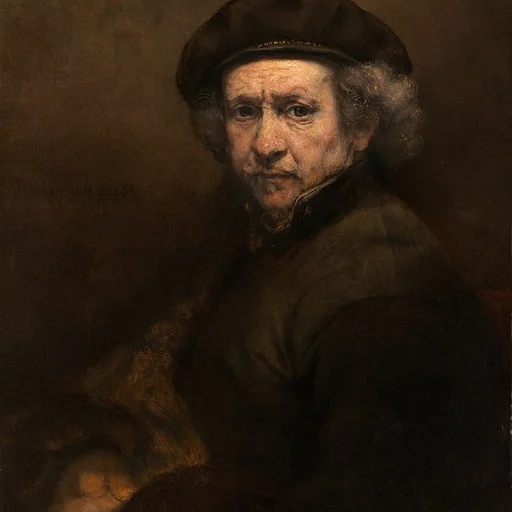
Rembrandt Harmenszoon van Rijn (15 July 1606 – 4 October 1669), known mononymously as Rembrandt, was a Dutch Golden Age painter, printmaker, and draughtsman.