Artwork
The Abduction of Europa
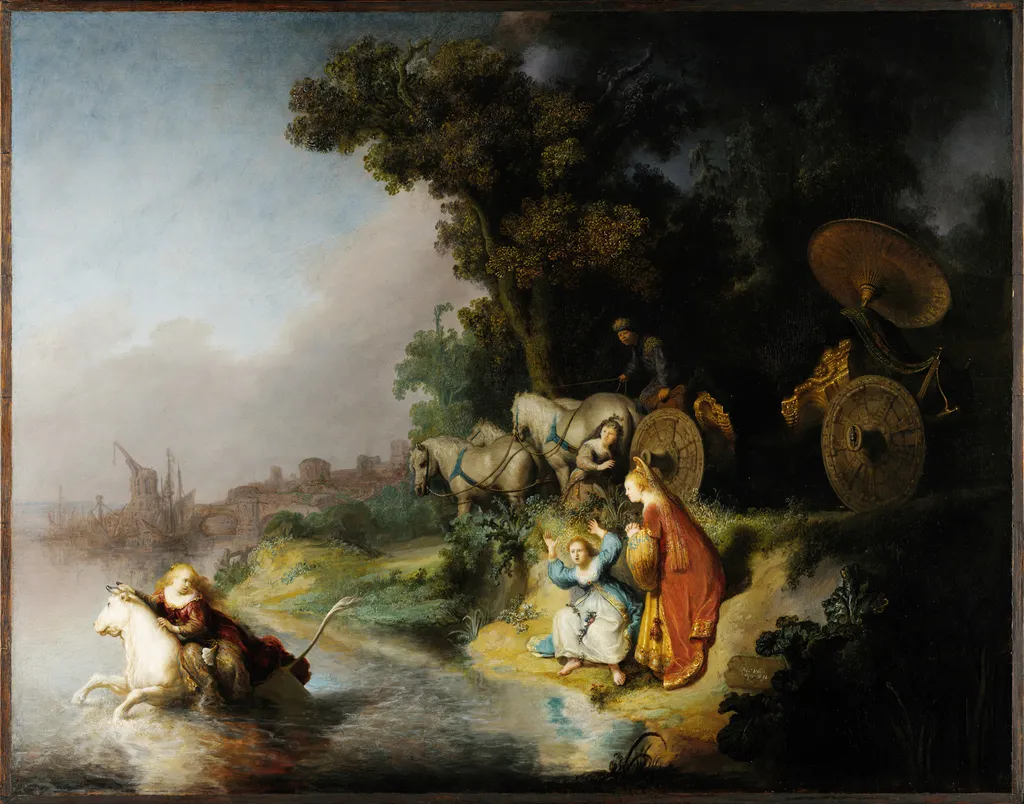
The Abduction of Europa is an oil painting by the Dutch Golden Age artist Rembrandt. It dates from 1632 and is held in the collection of the J. Paul Getty Museum.
About this work
Overview
The Abduction of Europa is a 1632 oil painting on oak panel by Rembrandt Harmenszoon van Rijn, depicting a mythological scene from Ovid's Metamorphoses. It is characterized by dramatic light, visible brushstrokes, and a textured quality.
Subject & Meaning
The painting illustrates Zeus's abduction of Europa, disguised as a white bull, as her companions watch in horror from the shore. The work allegorically conveys a contemporary thought through an ancient myth.
Technique & Style
Rembrandt employed High Baroque style, evident in the dramatic interplay of light and shadow. The visible, expressive brushstrokes lend the painting a nearly three-dimensional, textured appearance.
History & Provenance
Created in 1632 for a patron, the painting combines Rembrandt's classical literary knowledge with the patron's interests. It is now part of the J. Paul Getty Museum's collection.
Context
One of Rembrandt's rare mythological subjects, this work reflects his ability to merge classical themes with the tastes of his contemporaries.
Artist & collection
Artist
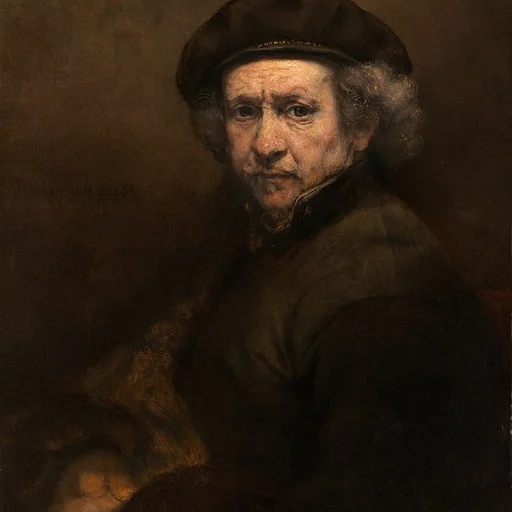
Rembrandt Harmenszoon van Rijn (15 July 1606 – 4 October 1669), known mononymously as Rembrandt, was a Dutch Golden Age painter, printmaker, and draughtsman.


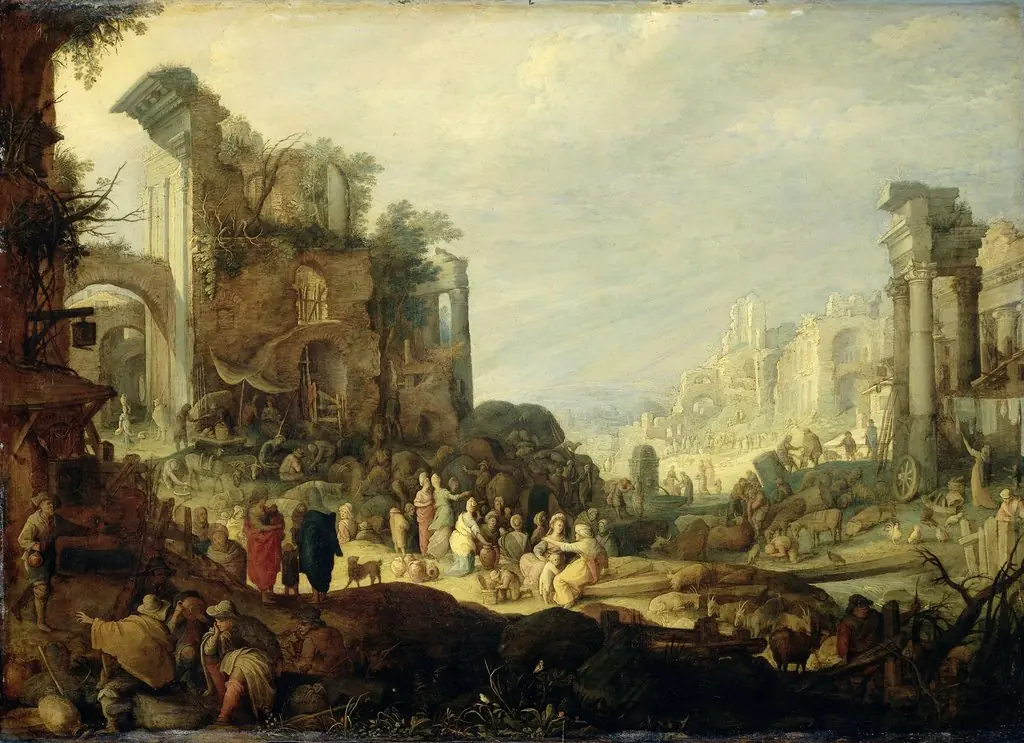 Landscape with Roman Ruins and the Meeting of Rebecca and Eliezer
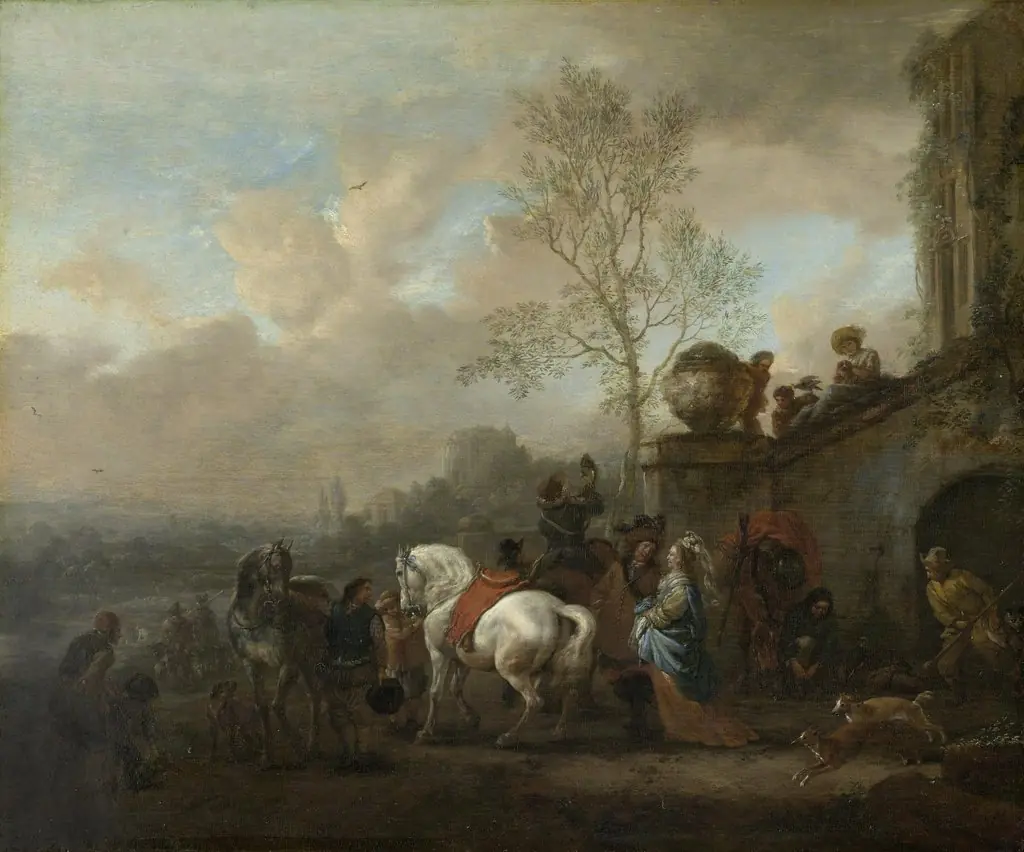 Starting for the Chase
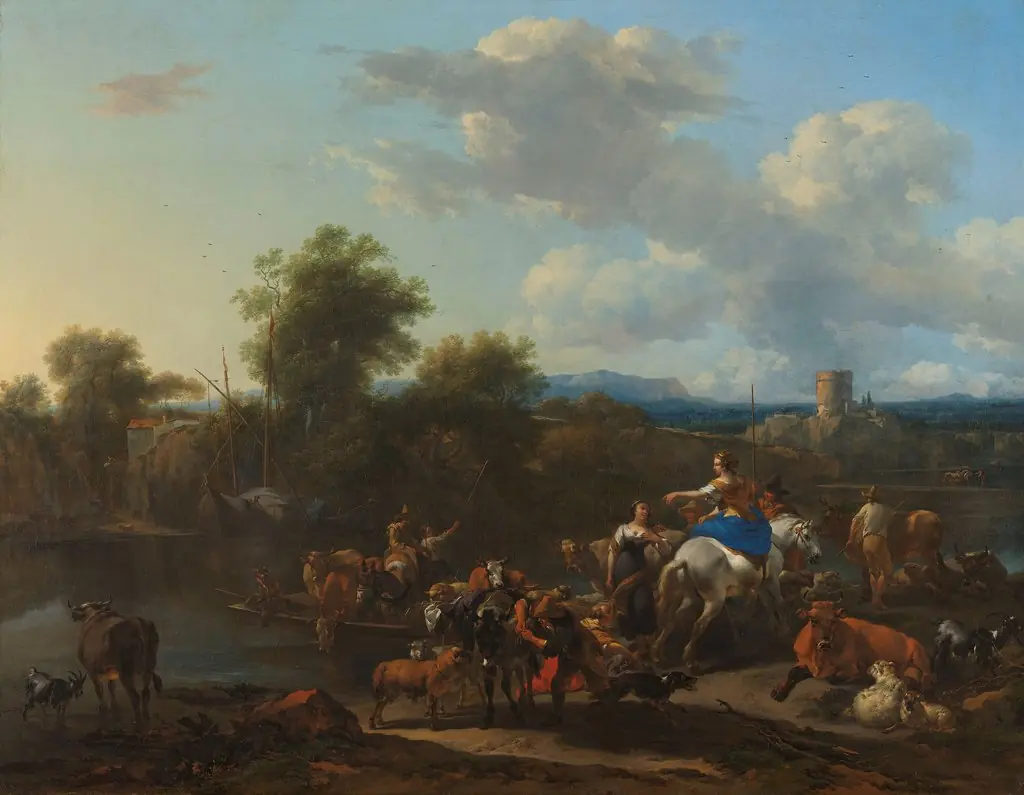 The Cattle Ferry
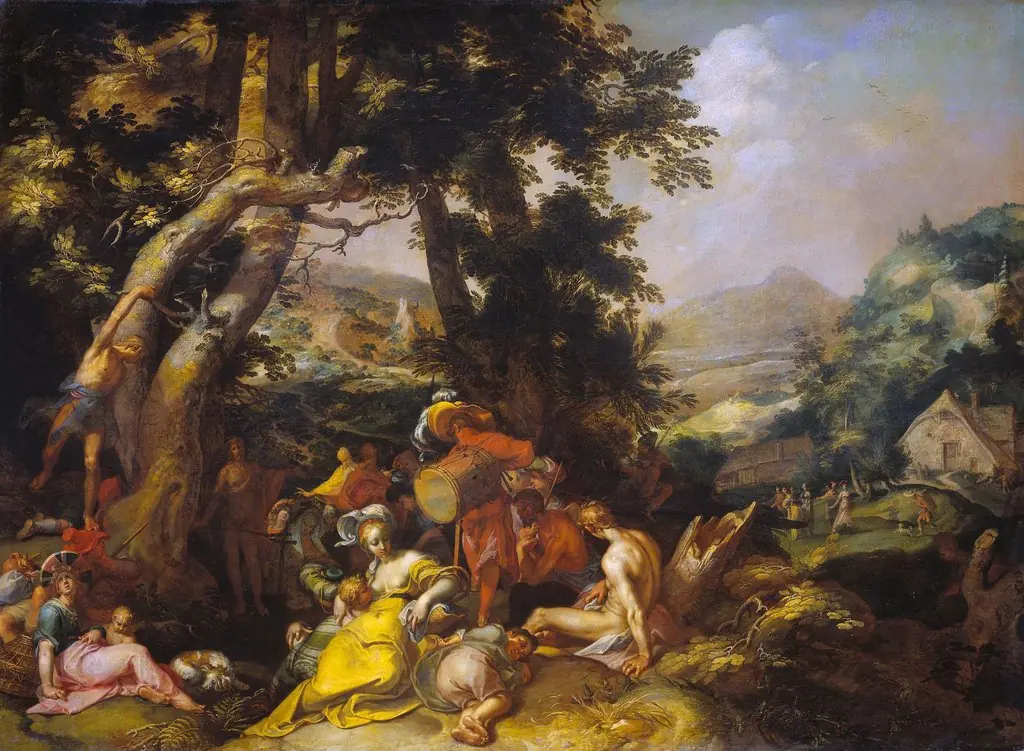 Landscape with the Ministry of John the Baptist
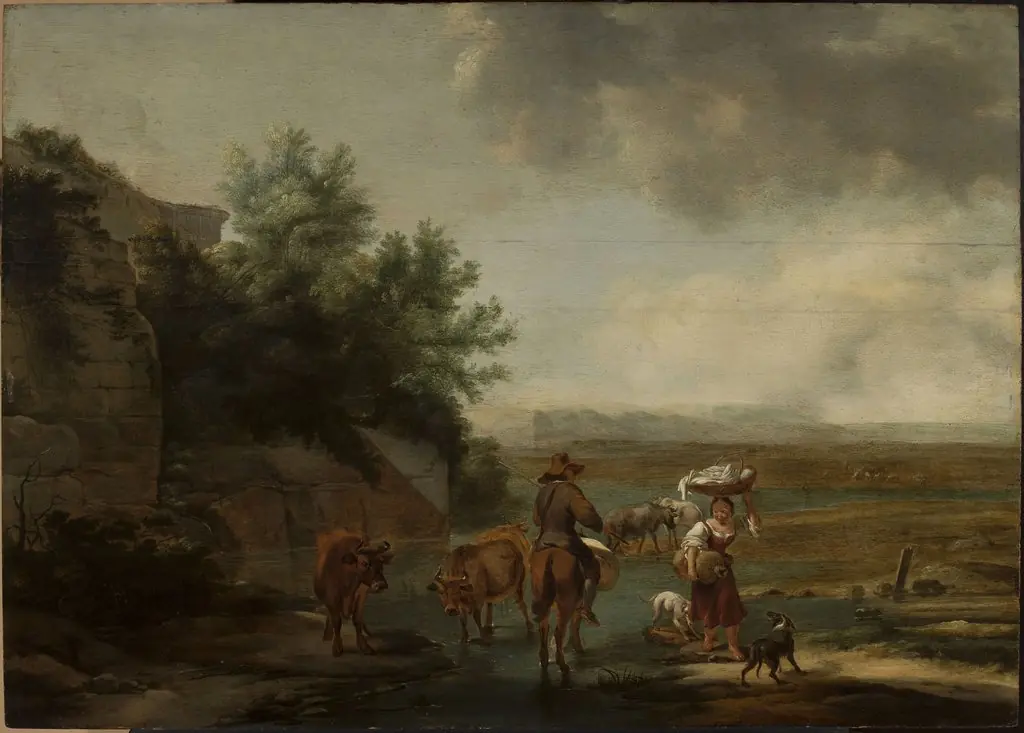 Pastoral landscape
 Country inn with a horse at the trough
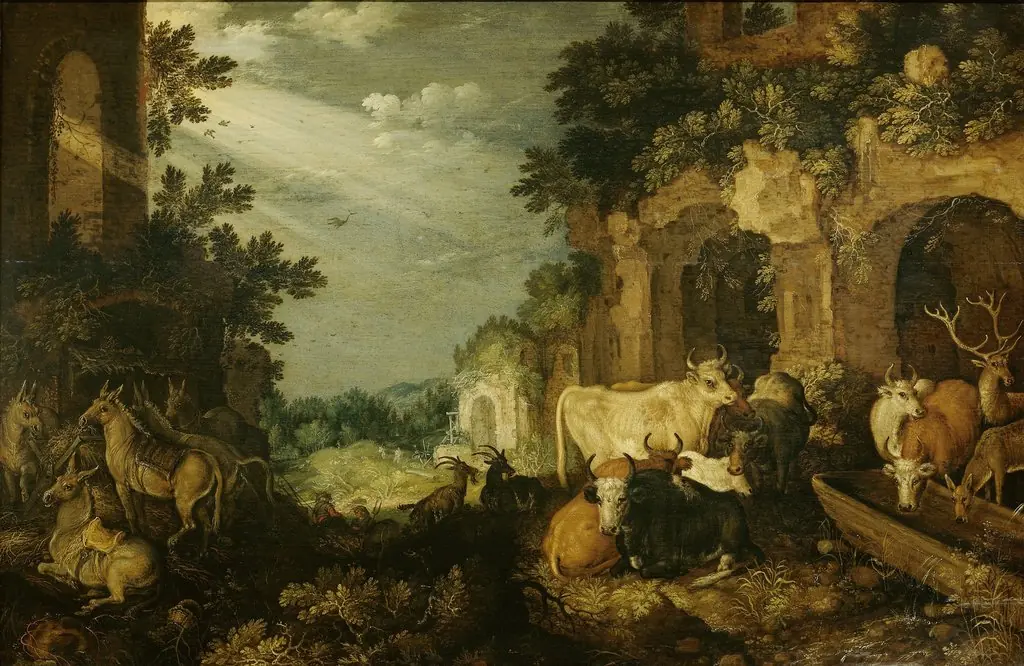 Landscape with ruins, cattle and deer
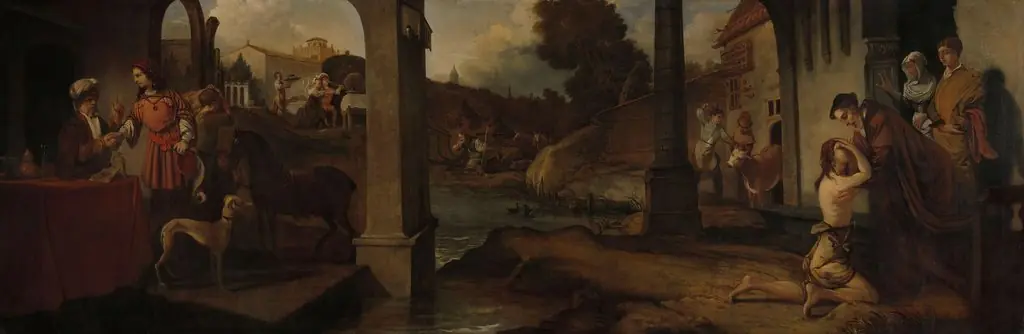 The prodigal son
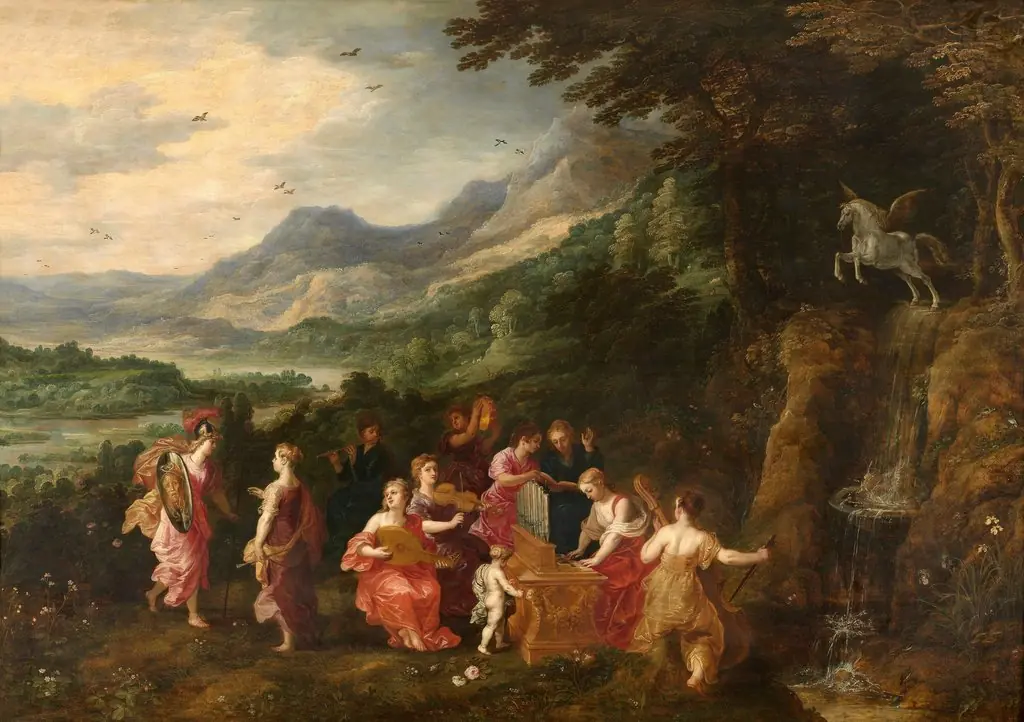 Minerva Visits the Muses
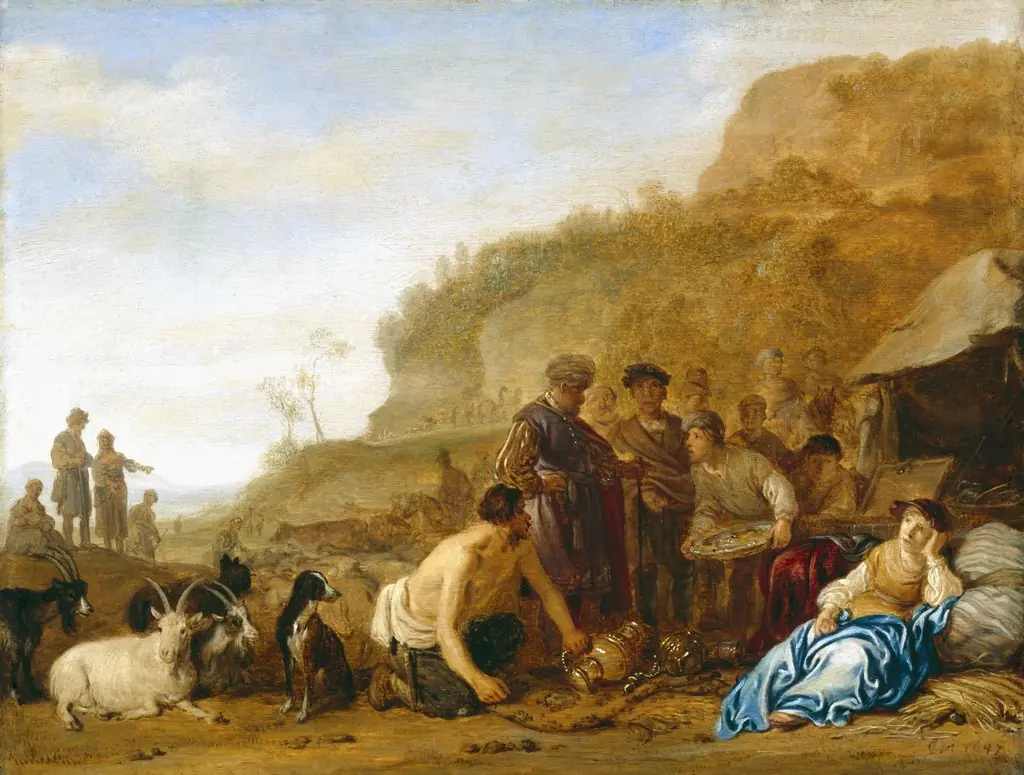 Laban Searching for His Gods
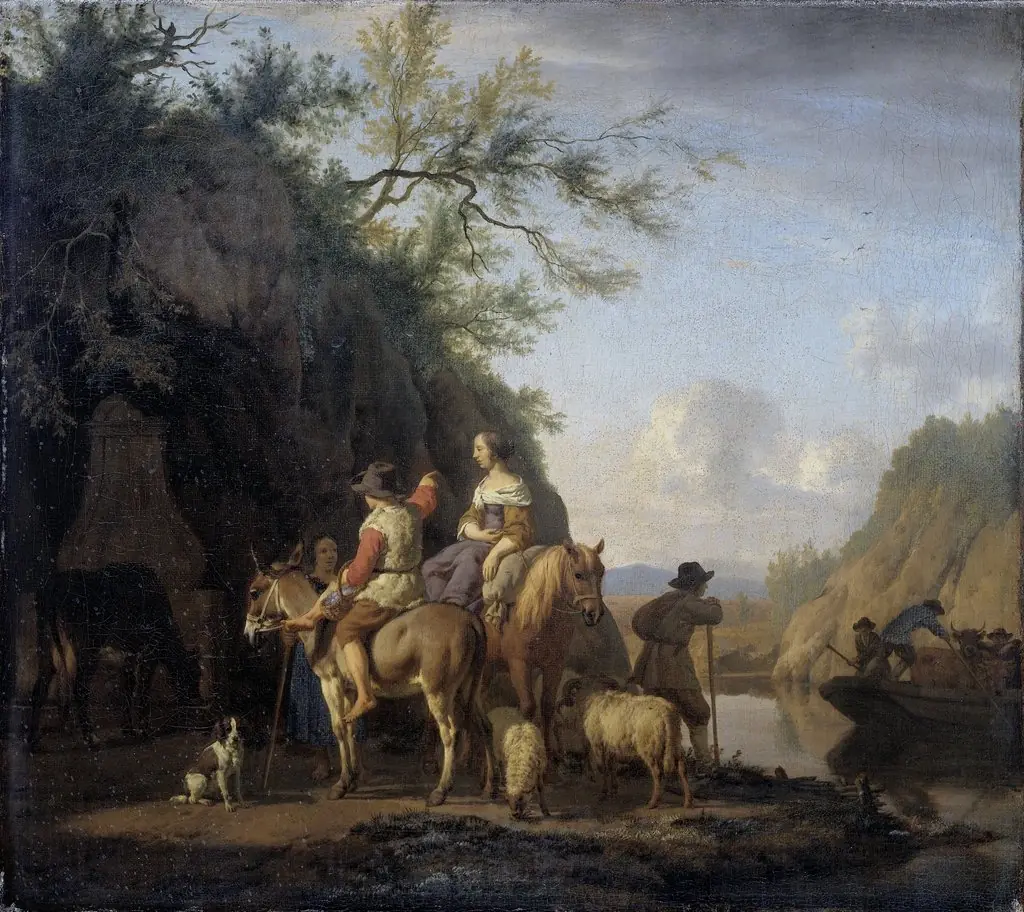 The cattle ferry
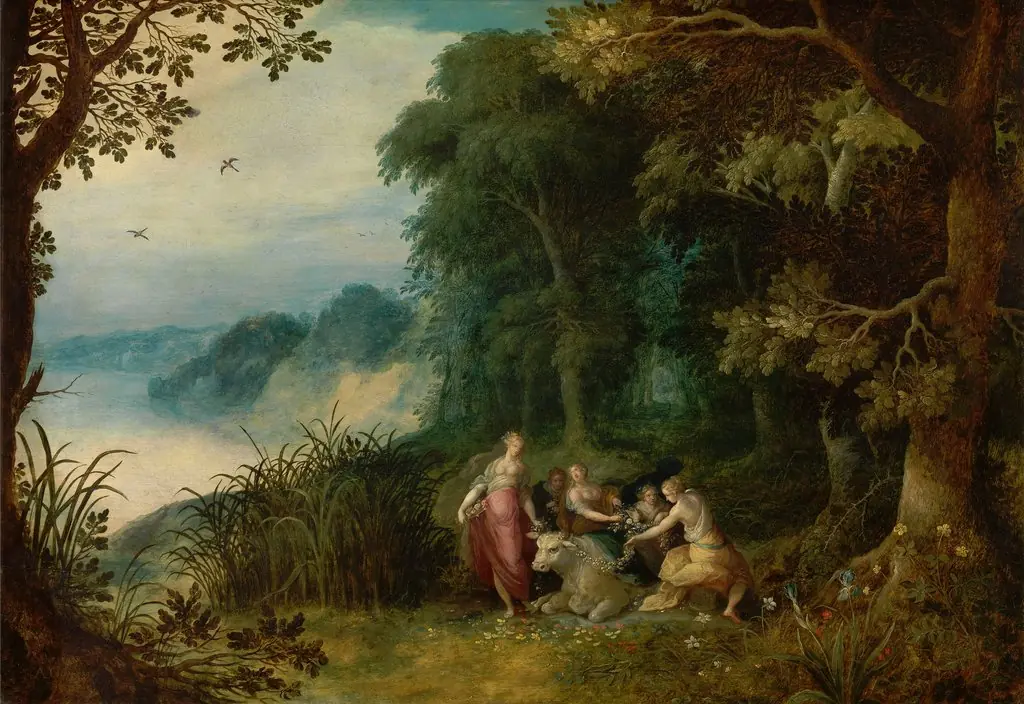 The rape of Europa