Artwork
Bald Man in a Fur Cloak
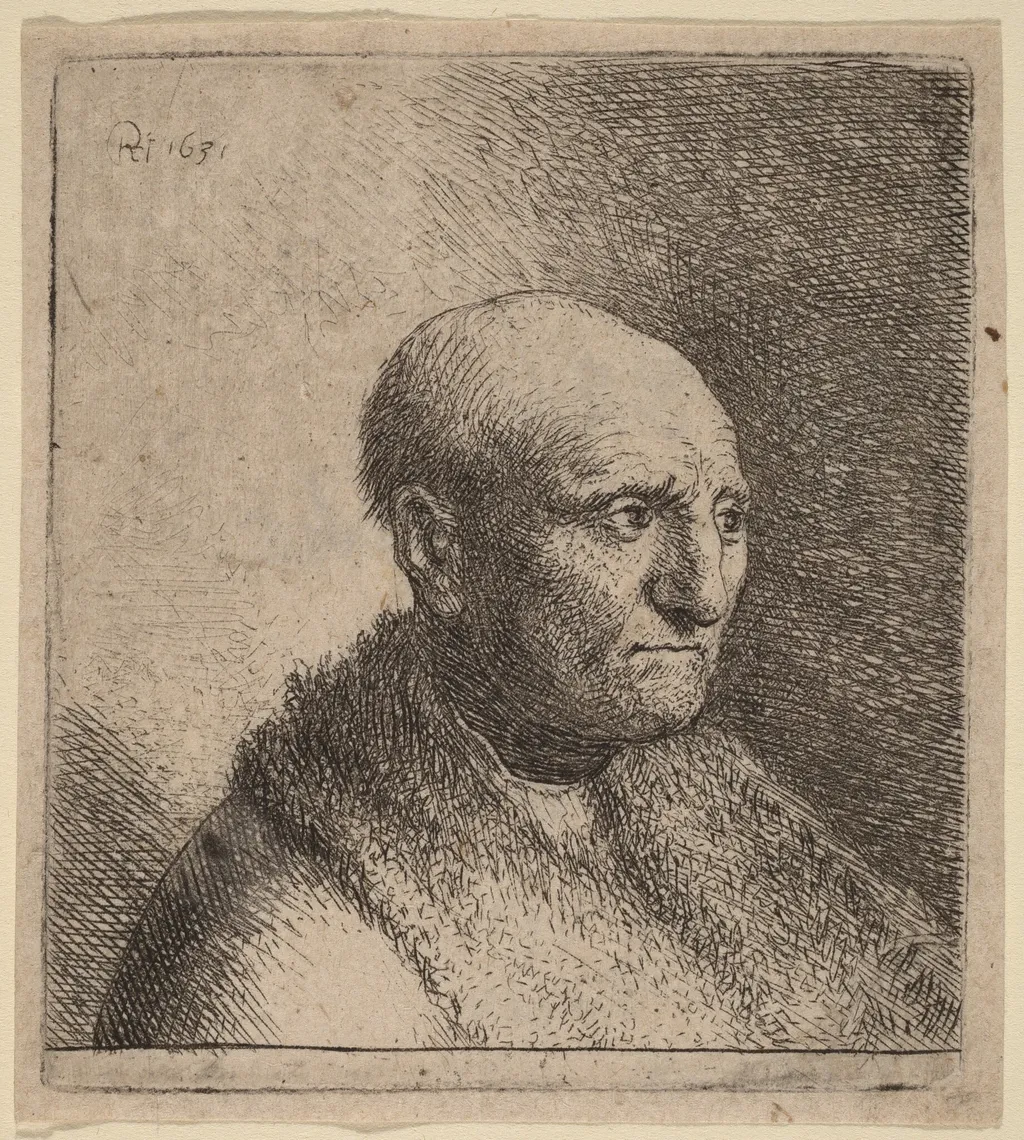
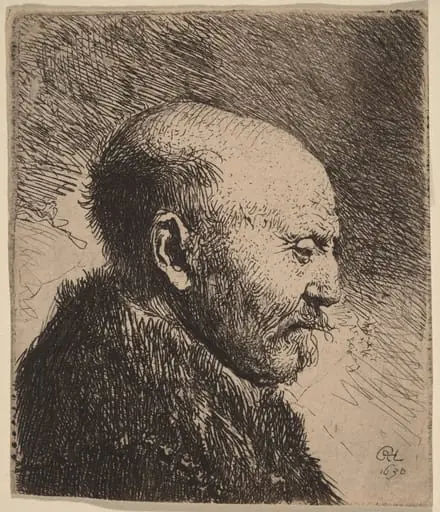
Bald Man in a Fur Cloak is an ink print by the Baroque artist Rembrandt. It dates from 1630 and is held in the collection of the National Gallery of Art.
About this work
Overview
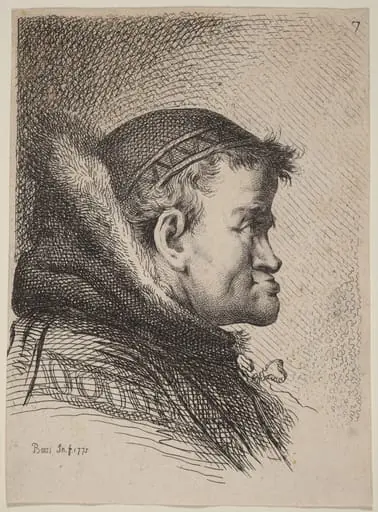
Bald Man in a Fur Cloak is a black‑and‑white print executed by Rembrandt van Rijn around 1630. The work is an etching that presents a solitary figure, rendered in a stark tonal range that emphasizes texture and contrast.
Subject & Meaning
The image depicts a middle‑aged man with a shaved head, a full beard and moustache, and a heavy fur collar that frames his face. His gaze is direct and his expression solemn, suggesting a portrait intended to convey dignity or introspection rather than narrative action.
Technique & Style
Rembrandt employed drypoint, a variant of intaglio printing, to incise deep, burr‑laden lines into the plate. The resulting marks are rough and grainy, giving the portrait a tactile, almost hand‑drawn quality that distinguishes it from smoother etched works.
History & Provenance
Created circa 1630, the print belongs to the early period of Rembrandt’s printmaking, when he was experimenting with drypoint and other intaglio methods. Details of its ownership history are sparse, but it is catalogued among the artist’s early portrait prints.
Artist & collection
Artist
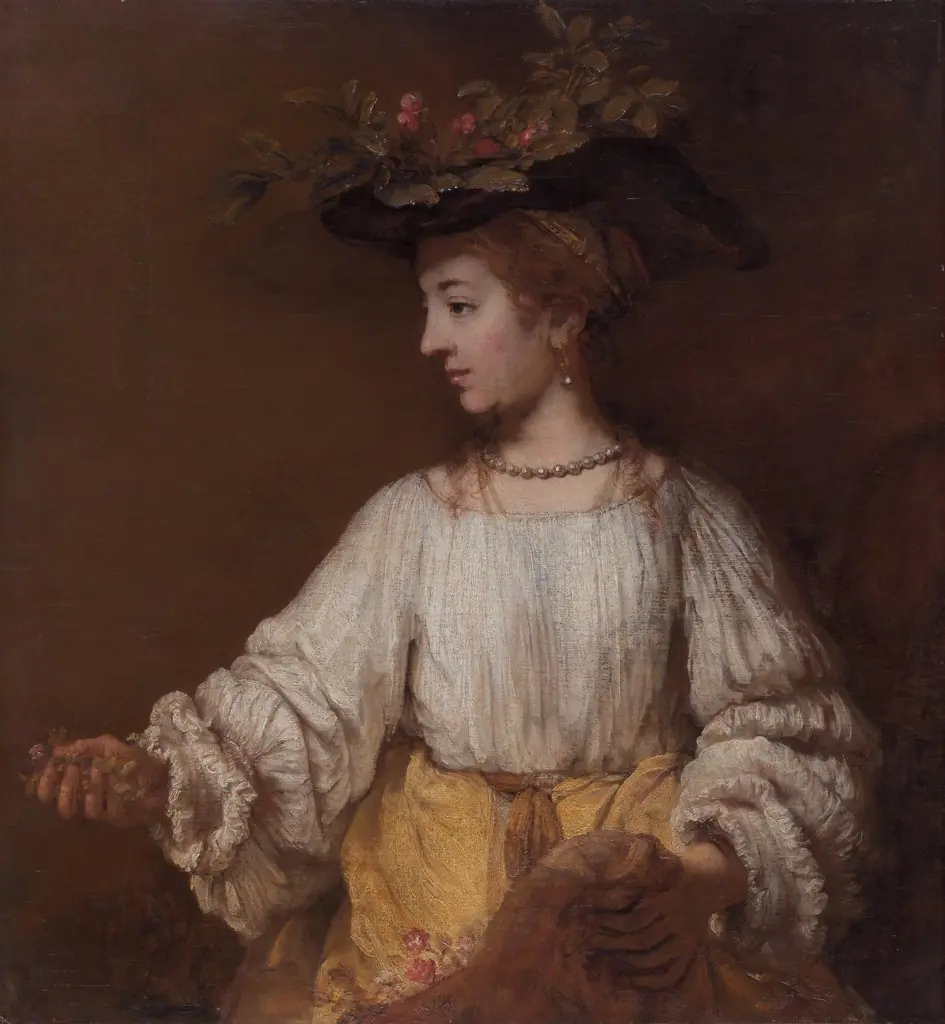
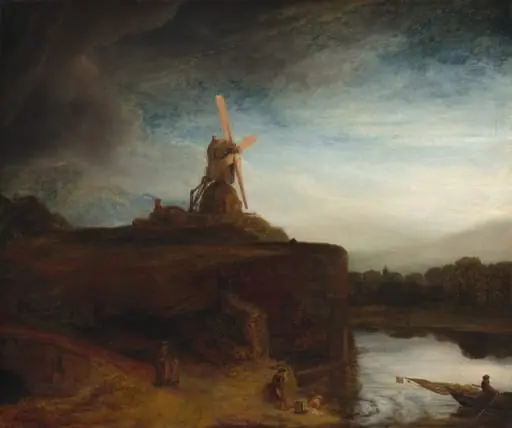
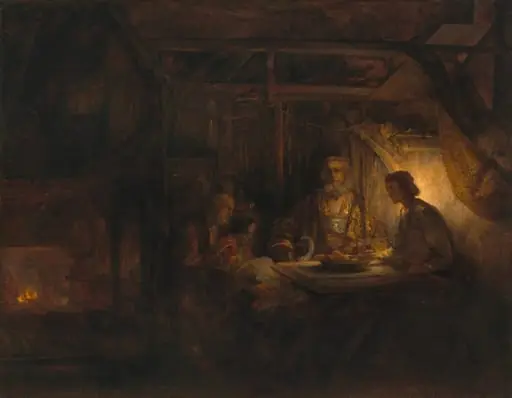
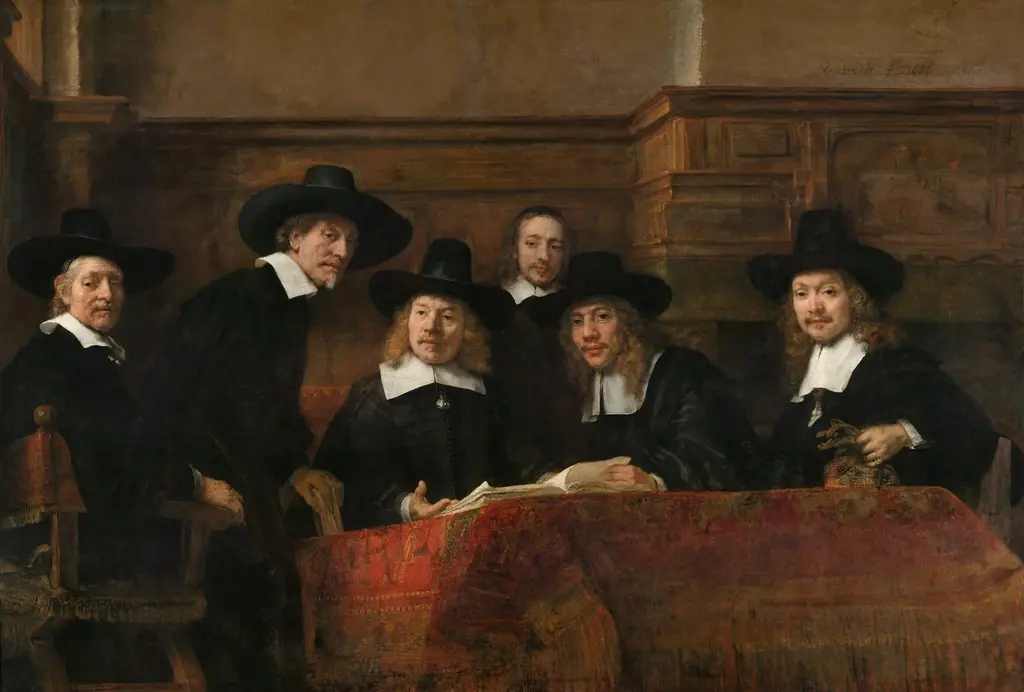
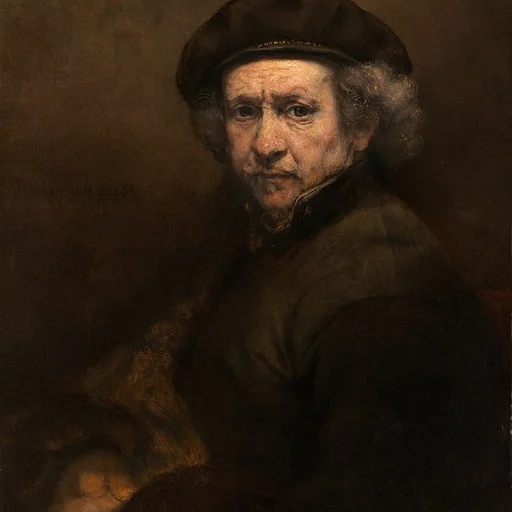
Rembrandt Harmenszoon van Rijn (15 July 1606 – 4 October 1669), known mononymously as Rembrandt, was a Dutch Golden Age painter, printmaker, and draughtsman.