Artwork
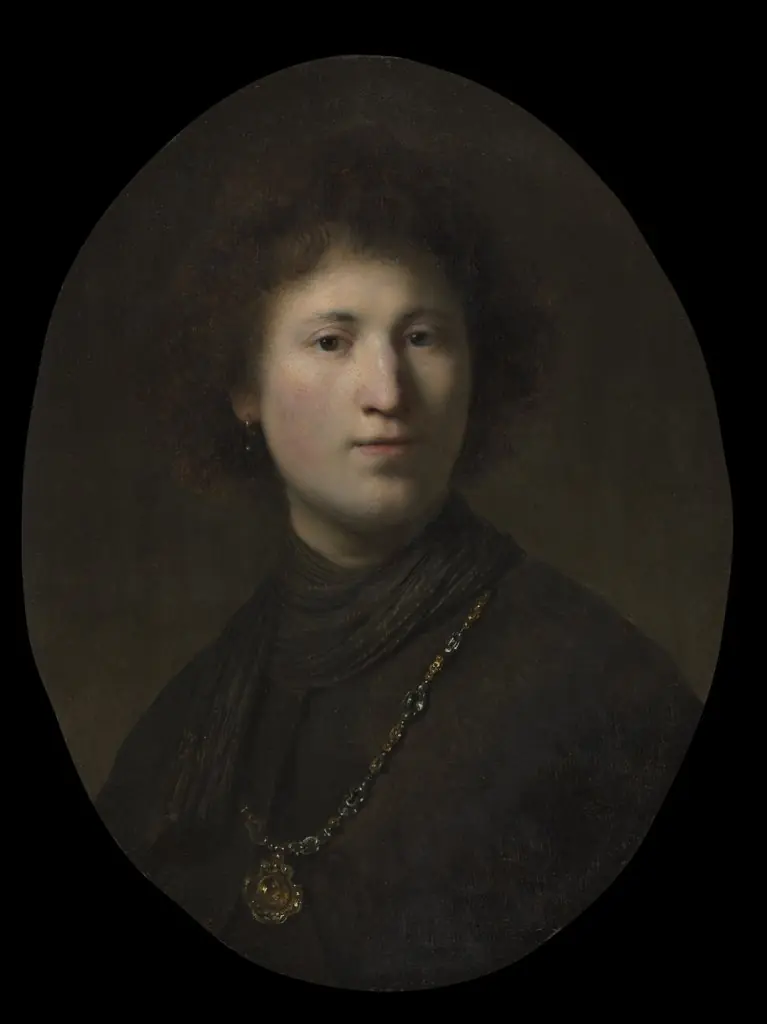
A Young Man with a Chain
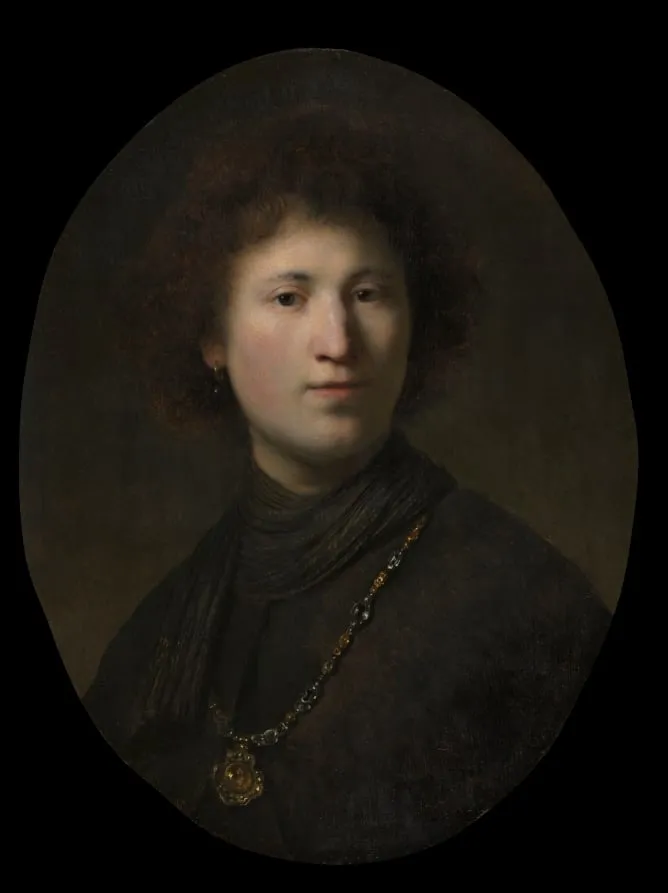
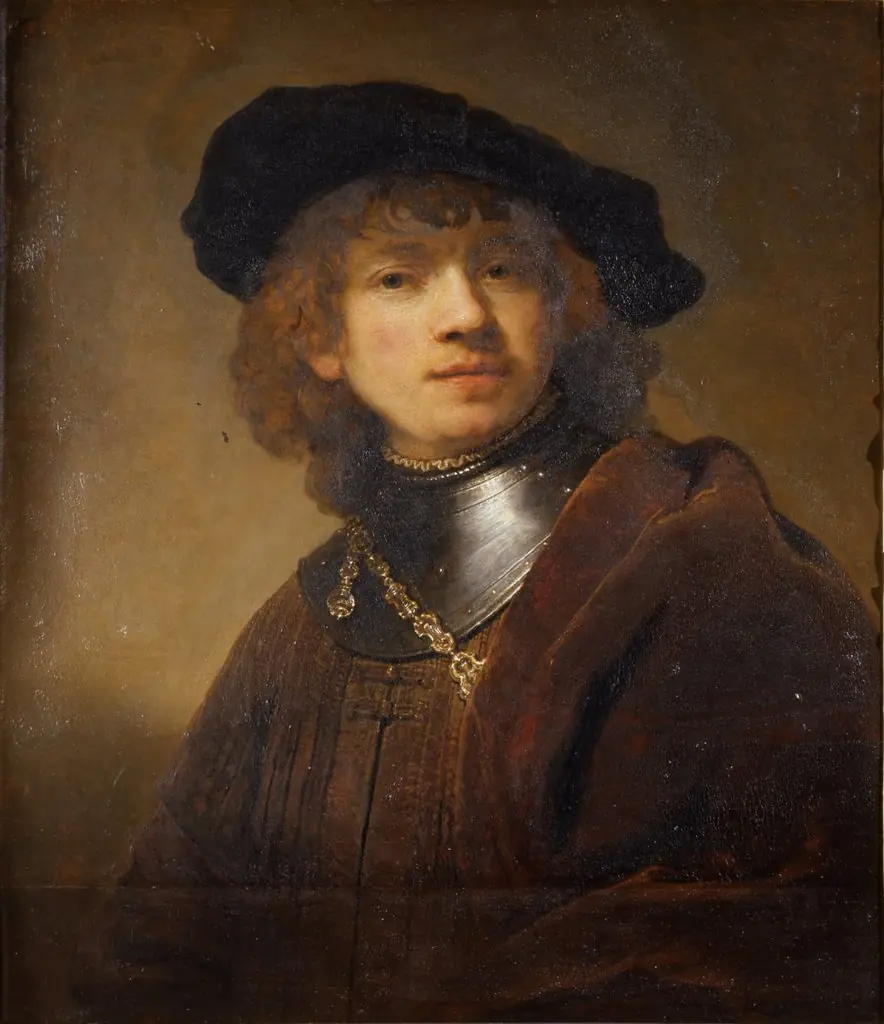
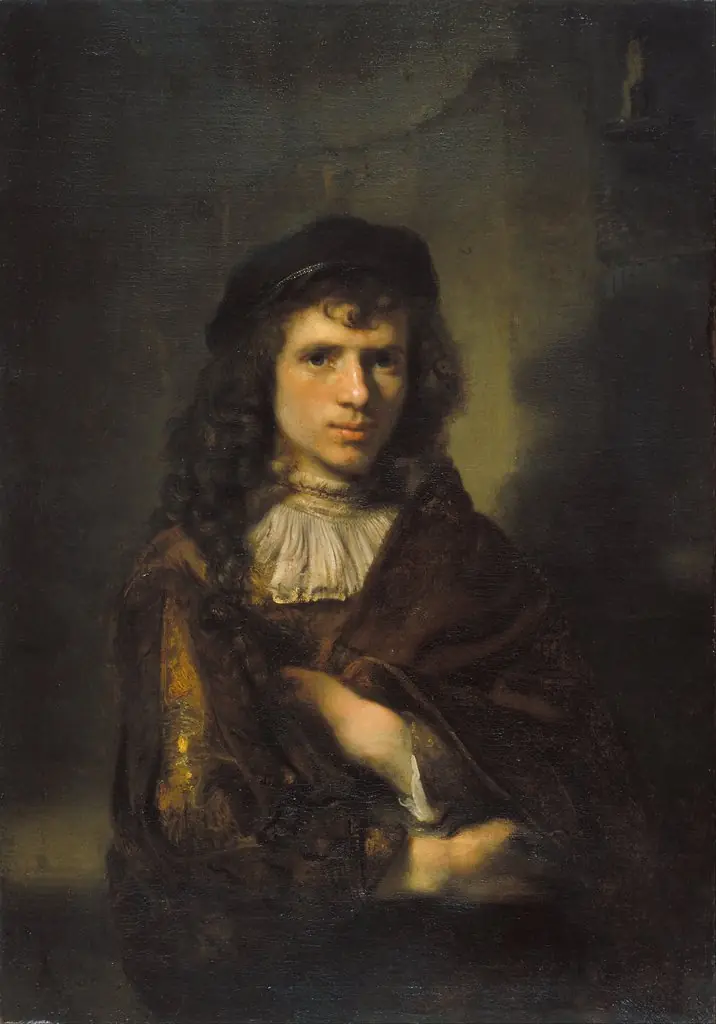
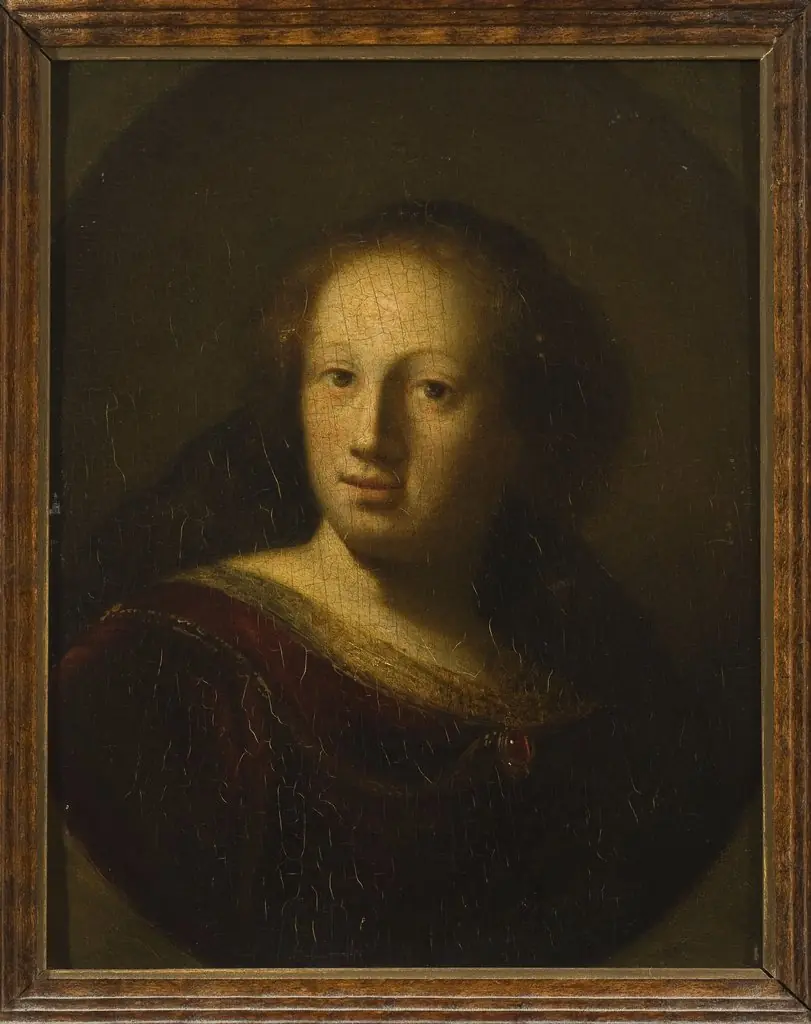
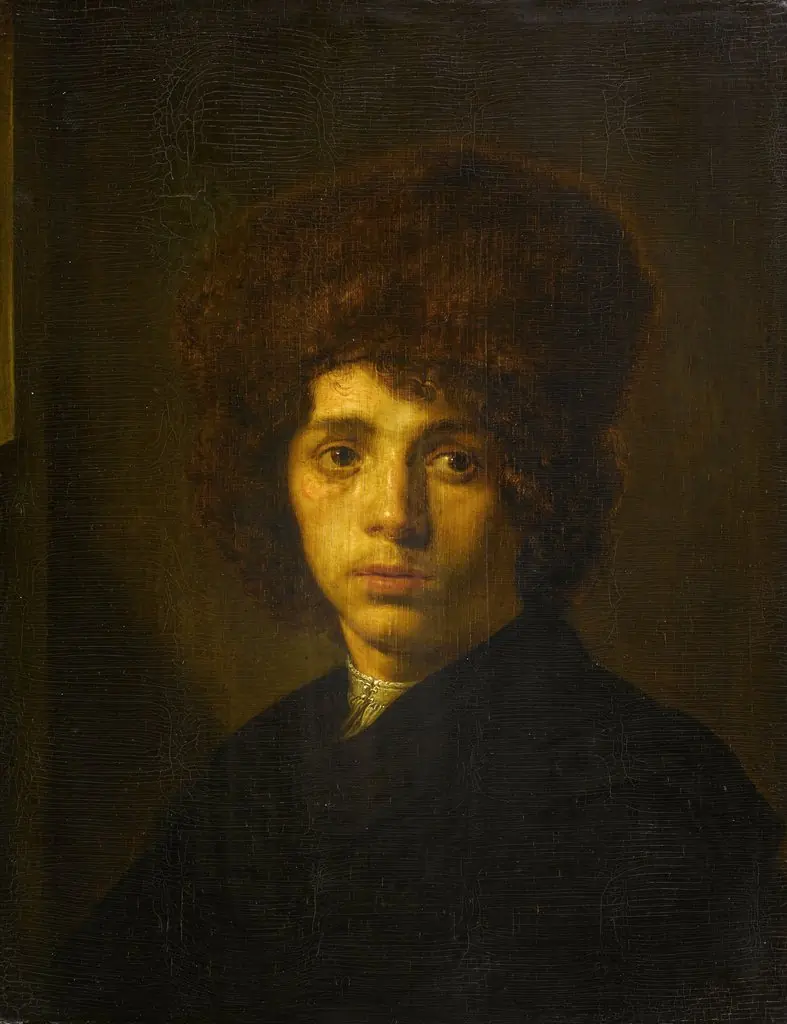
A Young Man with a Chain is an unspecified painting by the Baroque artist Rembrandt. It dates from 1629 and is held in the collection of the Cleveland Museum of Art. This painting belongs to the Dutch tronie tradition—a genre focused on expressive facial studies rather than individual identification.
About this work
Overview
Though signed with Rembrandt’s monogram, its attribution remains debated among scholars, with some suggesting it may stem from his circle.
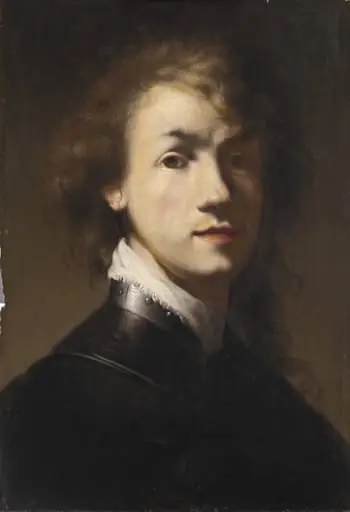
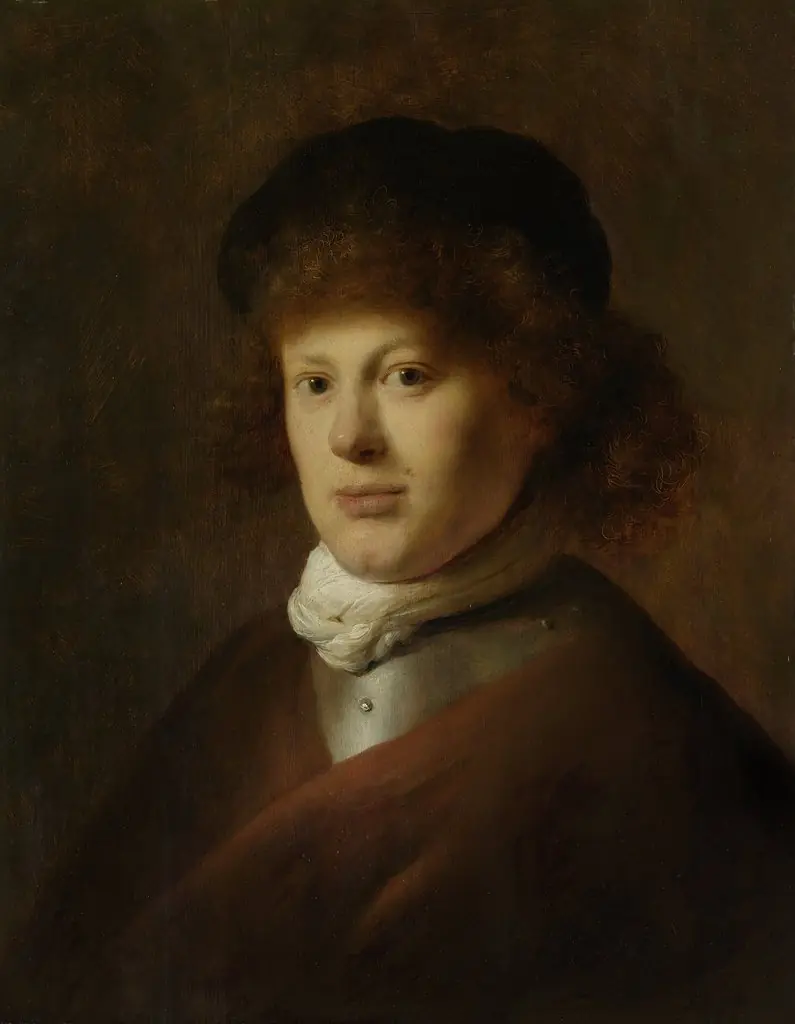
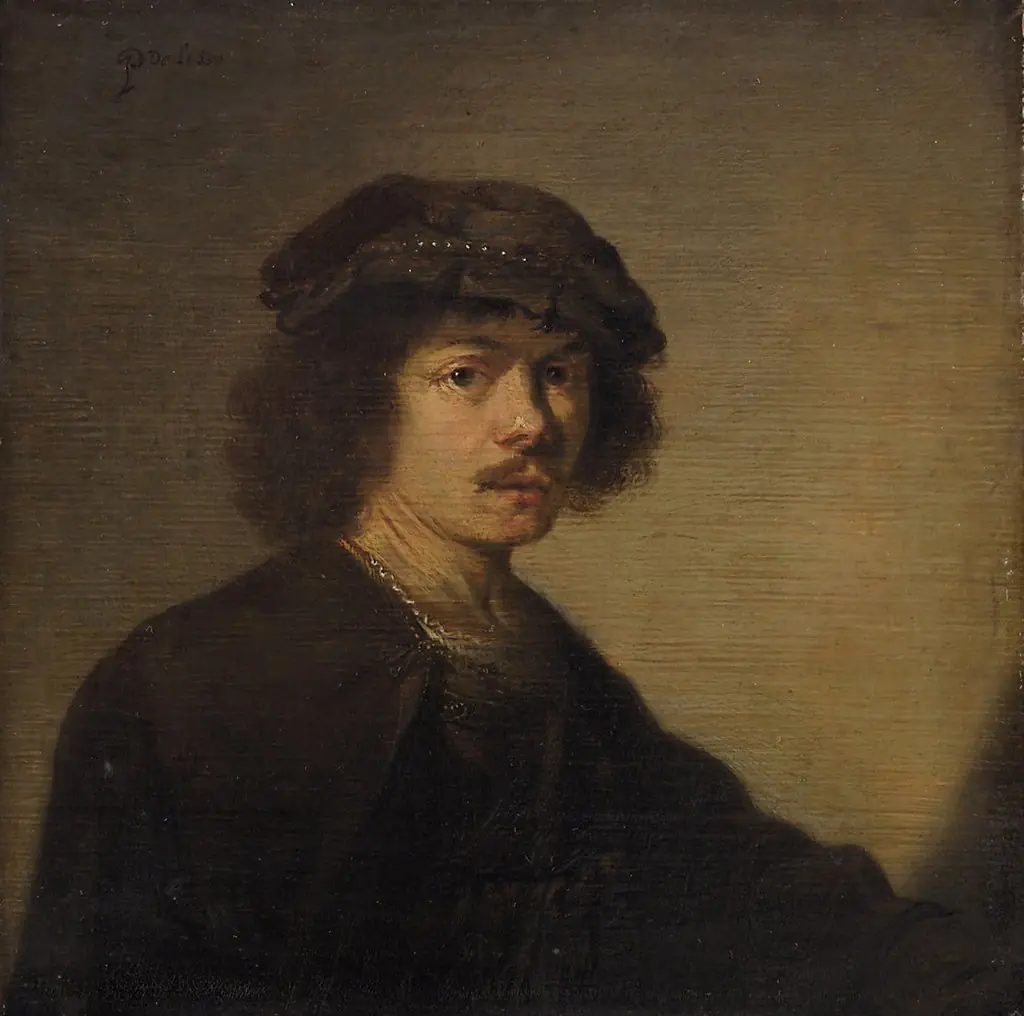
This painting belongs to the Dutch tronie tradition—a genre focused on expressive facial studies rather than individual identification. Created around 1630, it presents a young man in partial shadow, illuminated by a directional light that sculpts his features. Though signed with Rembrandt’s monogram, its attribution remains debated among scholars, with some suggesting it may stem from his circle.
Subject & Meaning
The figure is not a portrait but a study of appearance and costume. His exotic accessories—a striped scarf and jeweled chain—serve as visual props, not indicators of identity. The intent lies in capturing a fleeting expression and the interplay of texture and light, reflecting the tronie’s purpose as an exploration of human physiognomy rather than a record of a specific person.
Technique & Style
The painting employs chiaroscuro to define form, with light striking the cheek and jaw while receding into shadow near the ear and neck. Brushwork is refined, particularly in the rendering of the metallic chain and fabric folds, suggesting a smooth, polished technique. This attention to surface detail aligns with the aesthetic of Rembrandt’s pupils, complicating attribution to the master himself.
History & Provenance
The work carries Rembrandt’s signature, but its origins are contested. Early records do not conclusively link it to his studio, and stylistic comparisons have led some experts to propose Isaac de Joudreville as the likely hand. Joudreville, active in the same period, produced similar tronies with comparable elegance, making him a plausible candidate for authorship.
Context
In early 1630s Amsterdam, tronies were popular among artists seeking to demonstrate technical skill without the constraints of commissioned portraiture. These studies allowed experimentation with lighting, costume, and emotion. Rembrandt and his followers used them to refine their grasp of human expression, often selling them as independent works to collectors interested in artistic virtuosity.
Legacy
Though its authorship remains unresolved, the painting exemplifies how tronies bridged portraiture and genre study in Dutch art. Its emphasis on light and texture influenced later explorations of psychological depth in painting. The work endures as a quiet testament to the period’s fascination with the human face as a vehicle for artistic inquiry.
Artist & collection
Artist
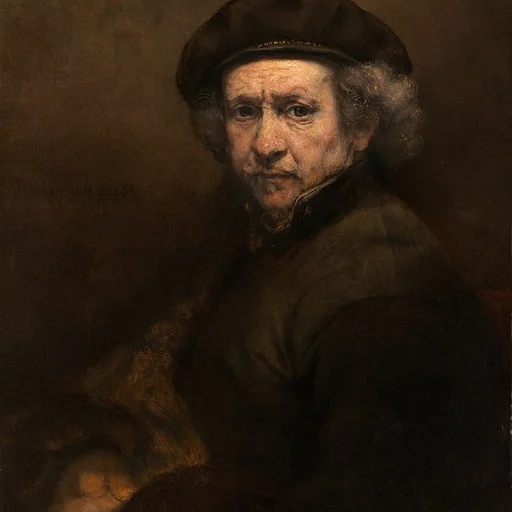
Rembrandt Harmenszoon van Rijn (15 July 1606 – 4 October 1669), known mononymously as Rembrandt, was a Dutch Golden Age painter, printmaker, and draughtsman.