Artwork
The Raising of Lazarus: Small Plate
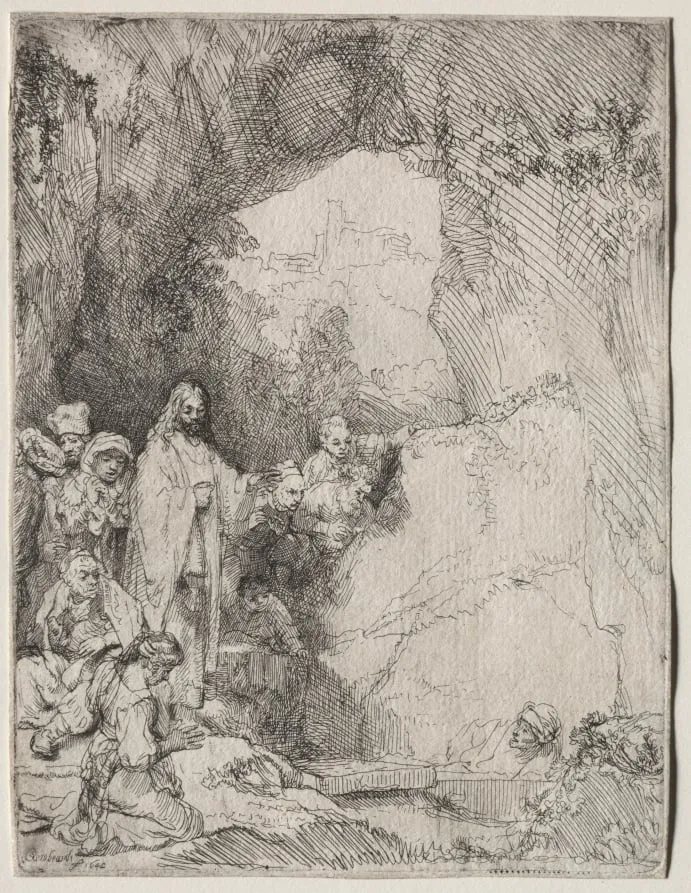
The Raising of Lazarus: Small Plate is a print by the Baroque artist Rembrandt. It dates from 1642 and is held in the collection of the Cleveland Museum of Art.
About this work
Overview
Created in 1642, this small plate print by Rembrandt van Rijn portrays the biblical episode of Lazarus’s resurrection. Executed in the artist’s characteristic print medium, the work is part of the collection of the Cleveland Museum of Art, where it is displayed among other Dutch Golden Age pieces.
Subject & Meaning
The image gathers a crowd around a man lying on a stretcher, the moment before Lazarus returns to life. A robed figure gestures upward, directing attention to the divine intervention, while surrounding onlookers display a range of reactions that underscore the drama and spiritual significance of the miracle.
Technique & Style
Rembrandt employs stark chiaroscuro, using deep shadows and bright highlights to model the figures and create a three‑dimensional effect on a flat surface. Rough, expressive lines define the forms, and the contrast between illuminated faces and a dark background concentrates the viewer’s focus on the central action.
History & Provenance
The plate was produced in the artist’s workshop during the later phase of Rembrandt’s career, a period marked by heightened emotional intensity. It entered the Cleveland Museum of Art’s holdings through acquisition in the early twentieth century, joining a broader collection of European prints.
Context
The Raising of Lazarus reflects the 17th‑century Dutch fascination with biblical narratives rendered in a human, emotionally resonant manner. Rembrandt’s treatment aligns with his broader interest in light as a narrative device, a technique he refined across paintings and prints to convey spiritual revelation.
Artist & collection
Artist
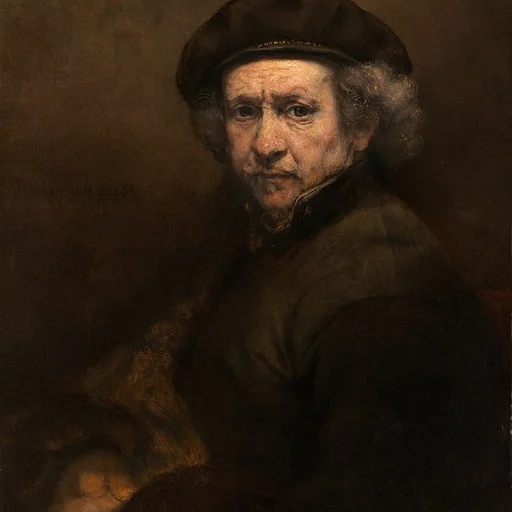
Rembrandt Harmenszoon van Rijn (15 July 1606 – 4 October 1669), known mononymously as Rembrandt, was a Dutch Golden Age painter, printmaker, and draughtsman.

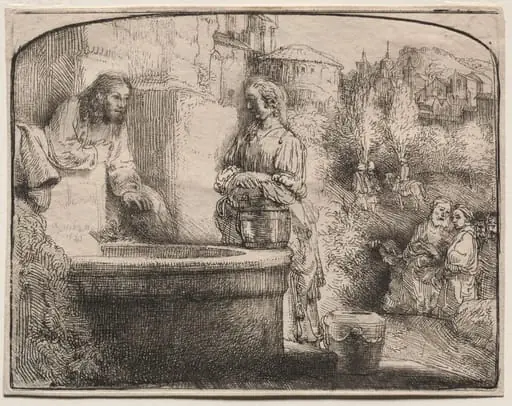 Christ and the Woman of Samaria: An Arched Print
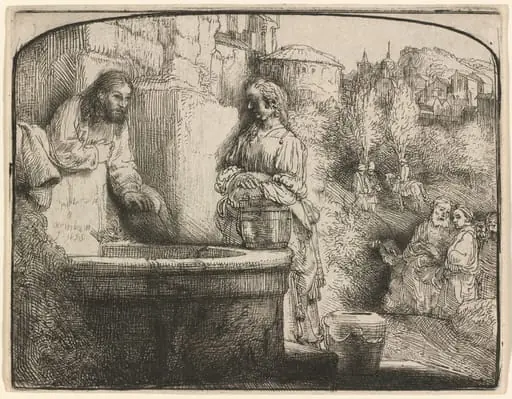 Christ and the Woman of Samaria: an Arched Print
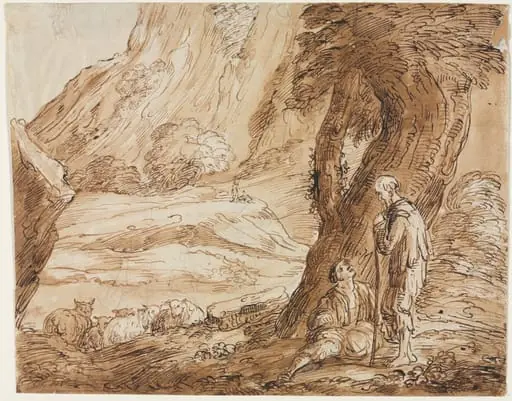 Landscape with Sheep and Two Shepherds
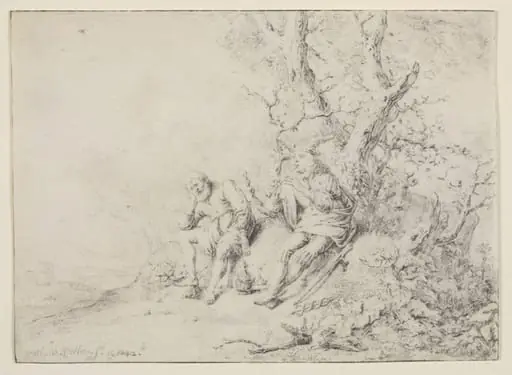 Mercury and Argus (Ovid, Metamorphoses i.668–721)
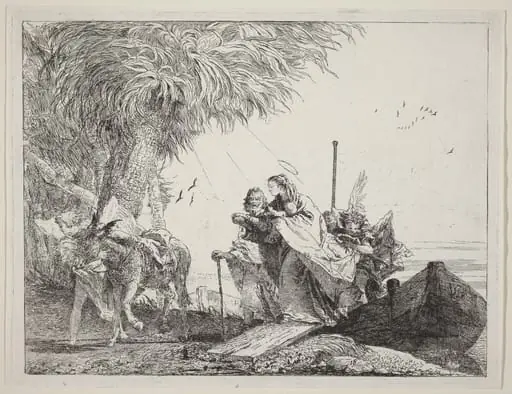 The Holy Family Disembarking
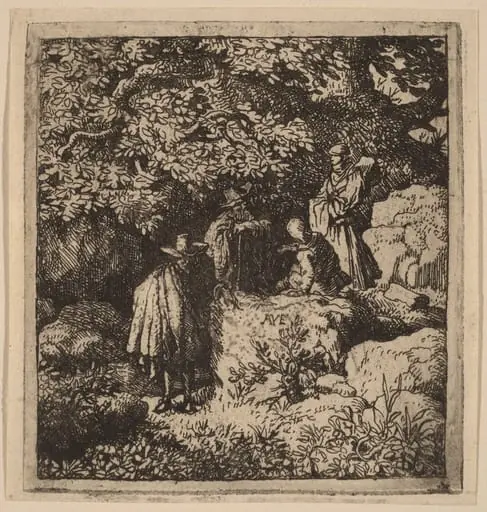 Four Figures under a Tree
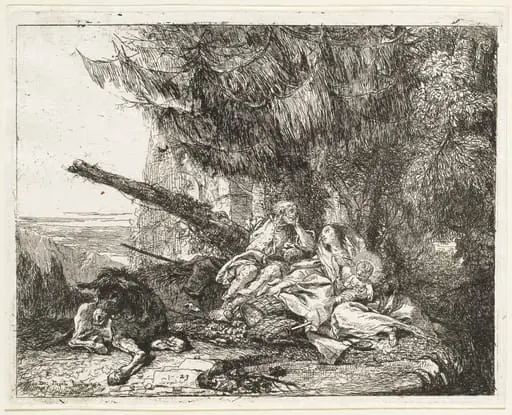 The Rest on the Flight, with Holy Family under a Tree
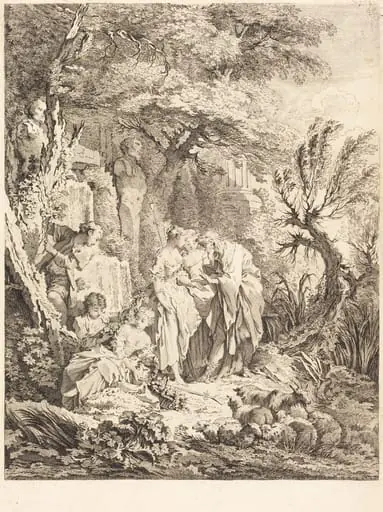 La Bonne Aventure
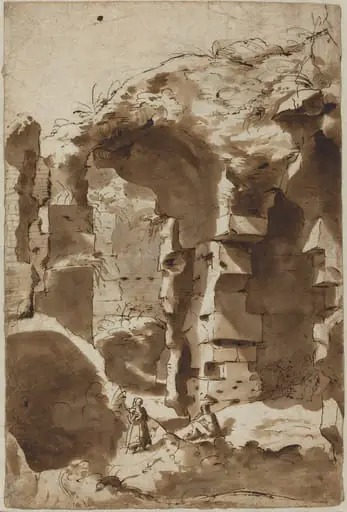 The Ruins of the Colosseum
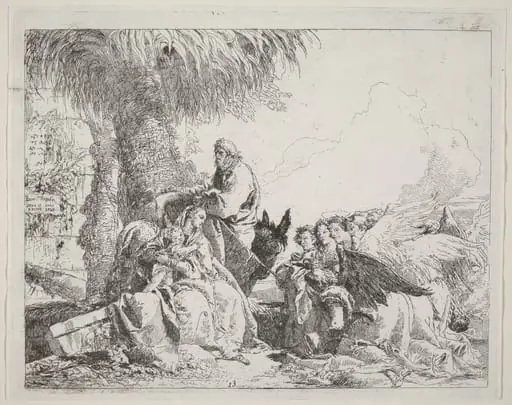 The Rest on the Flight, with Adoring Angels