Artwork
The Circumcision: Small Plate
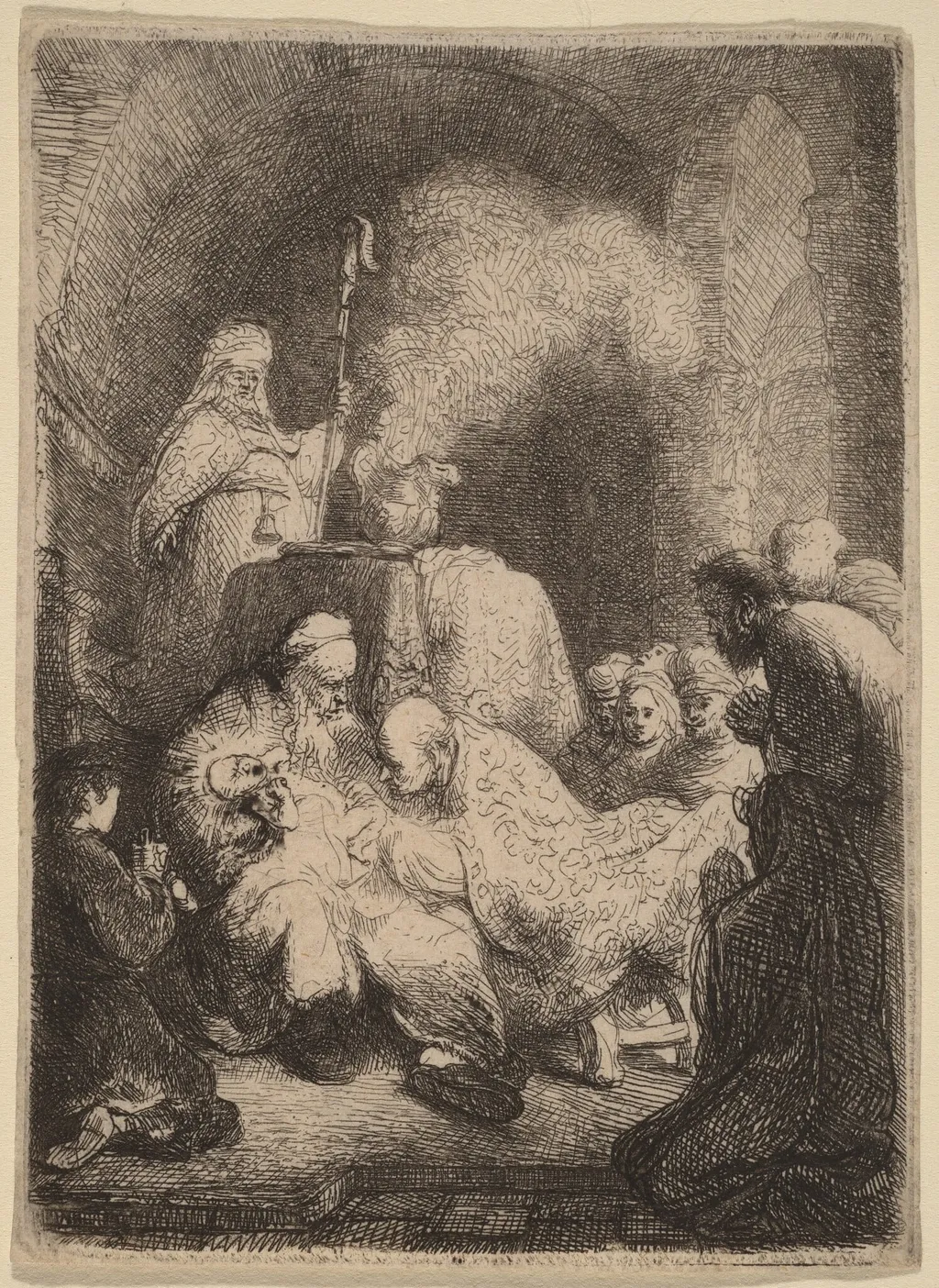
The Circumcision: Small Plate is an ink print by the Baroque artist Rembrandt. It dates from 1630 and is held in the collection of the National Gallery of Art.
About this work
Overview
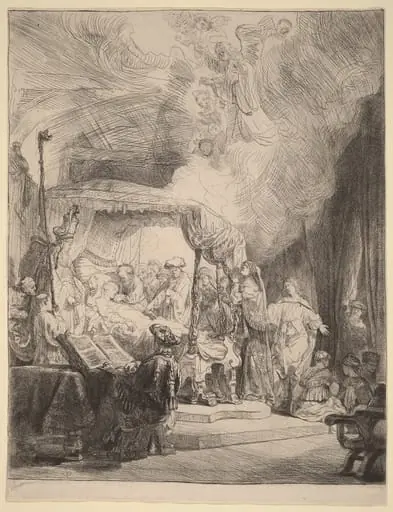
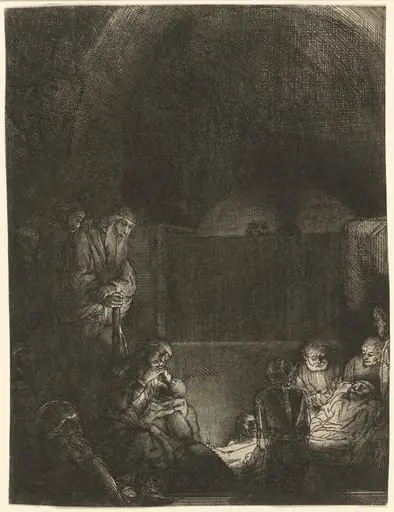
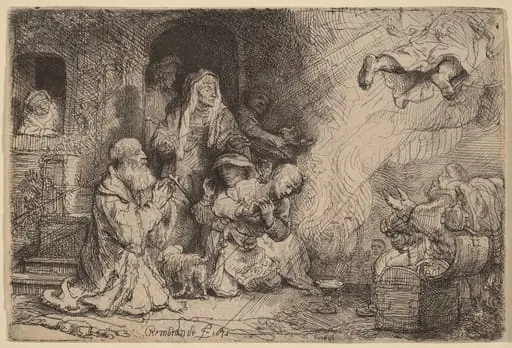
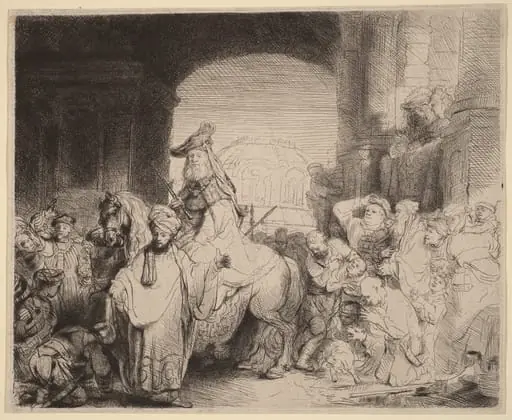
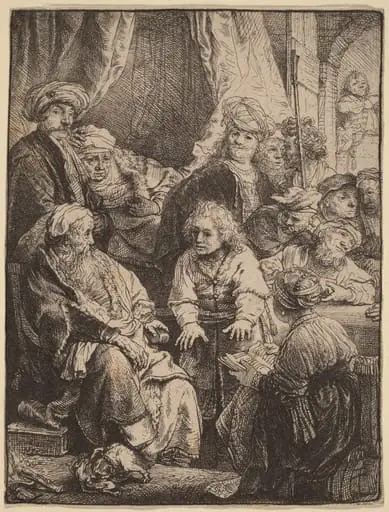
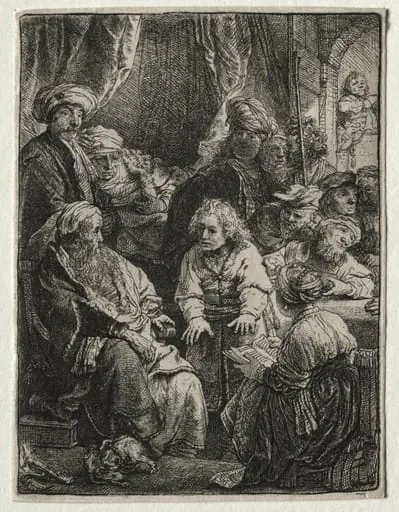
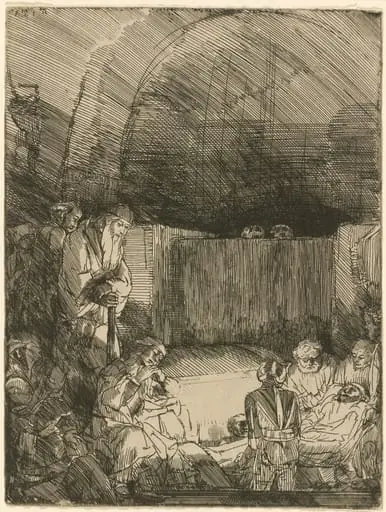
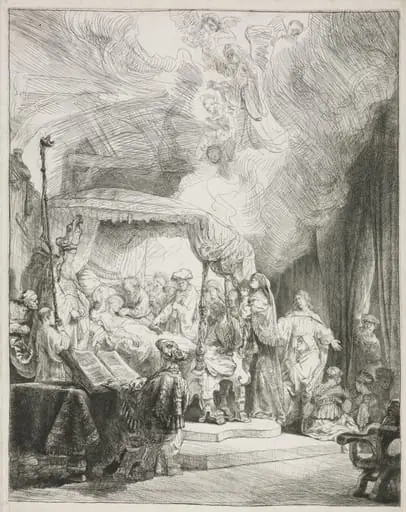
Created around 1630, this small etching by Rembrandt van Rijn depicts the ritual circumcision of Christ, rendered in fine lines and expressive drypoint.
Created around 1630, this small etching by Rembrandt van Rijn depicts the ritual circumcision of Christ, rendered in fine lines and expressive drypoint. The plate combines delicate etching with bolder, scratchy drypoint marks to suggest texture and shadow. Unlike grand historical compositions, this work focuses on intimate, quiet moments, emphasizing the emotional weight of the event through minimal detail and atmospheric darkness.
Subject & Meaning
The scene illustrates the circumcision of Jesus, an event described in the Gospel of Luke, marking his entry into the covenant of Abraham. Figures gather around a low bed in a dim interior, their postures conveying reverence and solemnity. The central figure holding the candle may represent the officiant or a witness, while others kneel in quiet contemplation. The composition avoids theatricality, instead inviting quiet reflection on the ritual’s spiritual significance.
Technique & Style
Rembrandt employed etching for precise lines and drypoint for rich, velvety blacks, allowing him to build depth with minimal strokes. The background is densely worked with overlapping, irregular marks that suggest shadow and spatial ambiguity. Figures are rendered with loose, almost sketch-like contours, emphasizing gesture over detail. This approach prioritizes emotional resonance over clarity, aligning with his interest in inner states over external realism.
History & Provenance
This print belongs to a group of small religious etchings Rembrandt produced in the early 1630s, during a period of intense experimentation with printmaking. It was likely made for private collectors rather than public sale, reflecting his growing focus on intimate devotional imagery. Surviving impressions are rare, and the plate shows signs of multiple states, indicating Rembrandt’s ongoing revisions to refine the composition and tonal balance.
Context
In early 17th-century Holland, religious imagery in prints was increasingly personal and accessible, moving away from grand ecclesiastical commissions. Rembrandt’s small-scale etchings catered to a market of educated, devout collectors who valued spiritual introspection. His use of chiaroscuro and emotional realism in these works distinguished them from more formulaic religious prints of the time, aligning with broader Reformed Protestant sensibilities.
Legacy
This etching exemplifies Rembrandt’s influence on the evolution of printmaking as a medium for psychological depth. His integration of drypoint and etching inspired later artists to explore expressive mark-making beyond mere reproduction. Though modest in size, the work contributed to a shift in how religious narratives were visualized—emphasizing quiet humanity over spectacle, a precedent echoed in 19th-century printmakers and beyond.
Artist & collection
Artist
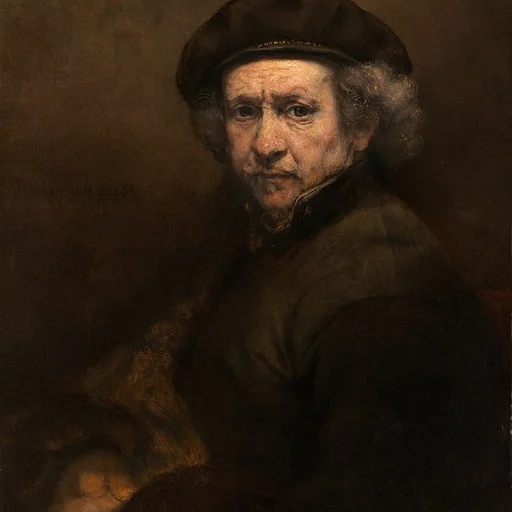
Rembrandt Harmenszoon van Rijn (15 July 1606 – 4 October 1669), known mononymously as Rembrandt, was a Dutch Golden Age painter, printmaker, and draughtsman.