Artwork
The Raising of Lazarus: Small Plate
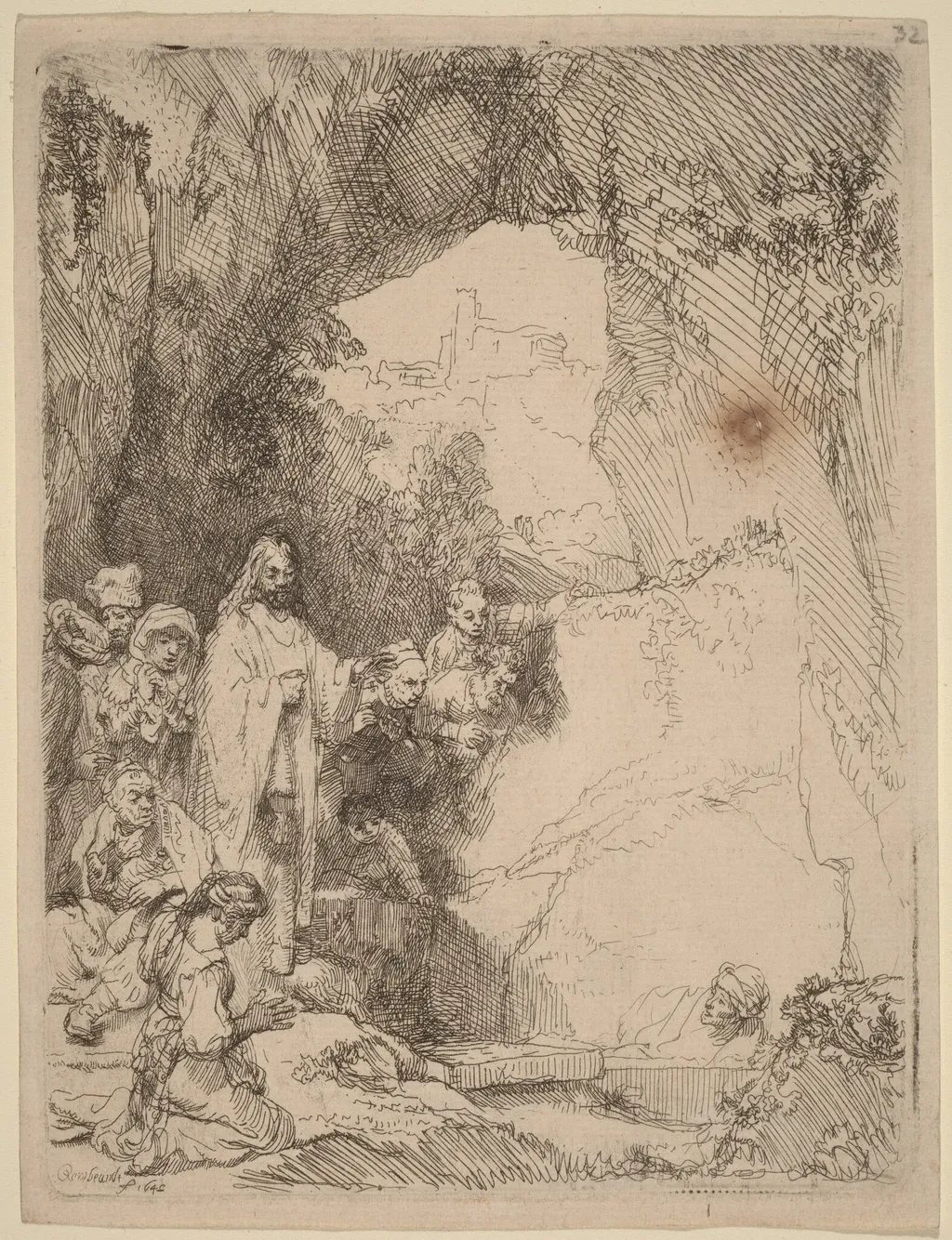
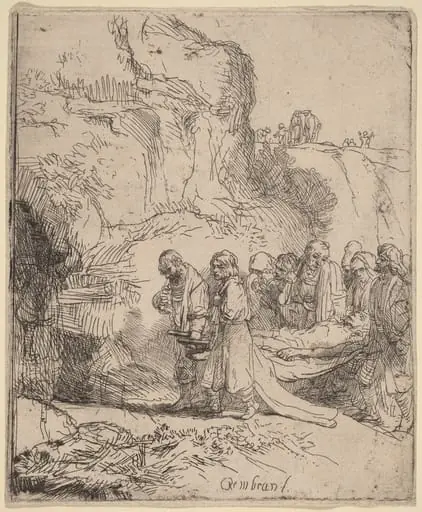
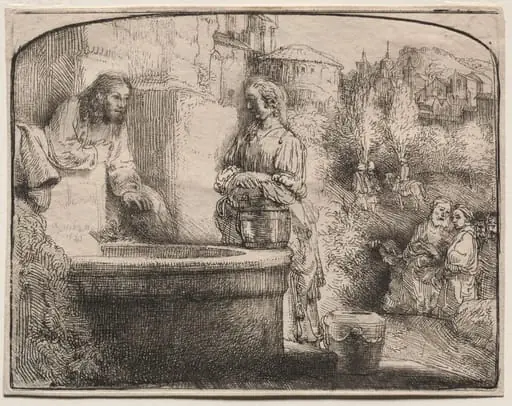
The Raising of Lazarus: Small Plate is an ink print by the Baroque artist Rembrandt. It dates from 1642 and is held in the collection of the National Gallery of Art.
About this work
Overview
Executed on a single copper plate, the print measures modestly, allowing intimate viewing of the dramatic moment when Lazarus is called forth from death.
Rembrandt’s 1642 etching titled The Raising of Lazarus: Small Plate presents a compact, yet intense biblical tableau. Executed on a single copper plate, the print measures modestly, allowing intimate viewing of the dramatic moment when Lazarus is called forth from death. The composition centers on a figure poised in a shadowed space, surrounded by onlookers whose gestures convey astonishment and reverence.
Subject & Meaning
The work illustrates the New Testament miracle in which Jesus commands the dead Lazarus to arise. The central figure, presumed to be Christ, is depicted in the act of invoking the resurrection, while the surrounding crowd reacts with a mixture of fear and awe. The scene underscores themes of divine power, faith, and the tension between life and death that permeate the narrative.
Technique & Style
Rembrandt employs the etching process to achieve a nuanced range of tones, from velvety blacks to luminous whites. Fine lines and cross‑hatching generate texture and depth, while the pronounced chiaroscuro—sharp contrasts of light and shadow—heightens the emotional charge. The artist’s mastery of line work renders the figures with a palpable sense of volume and three‑dimensionality.
History & Provenance
Created in the later period of Rembrandt’s career, the Small Plate version was part of a series of biblical prints he produced for the Dutch market. The plate was likely struck in limited numbers, and surviving impressions have passed through several European collections before entering public holdings, reflecting the work’s enduring scholarly interest.
Context
The etching belongs to a broader 17th‑century Dutch fascination with biblical subjects rendered in a personal, human scale. Rembrandt’s approach contrasts with the grandiose altar paintings of his contemporaries, focusing instead on intimate, psychologically charged moments. This print aligns with his ongoing exploration of light as a narrative device, a hallmark of his mature oeuvre.
Artist & collection
Artist
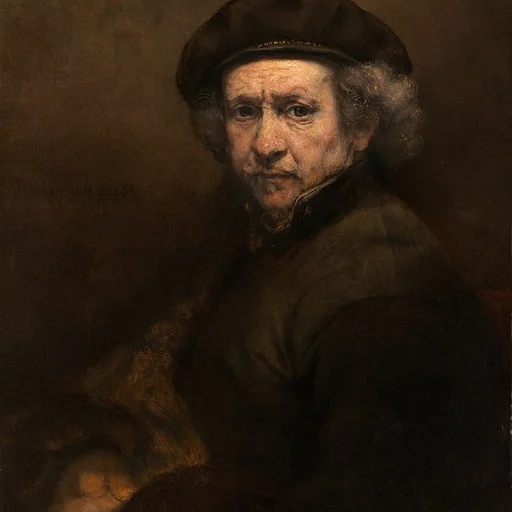
Rembrandt Harmenszoon van Rijn (15 July 1606 – 4 October 1669), known mononymously as Rembrandt, was a Dutch Golden Age painter, printmaker, and draughtsman.