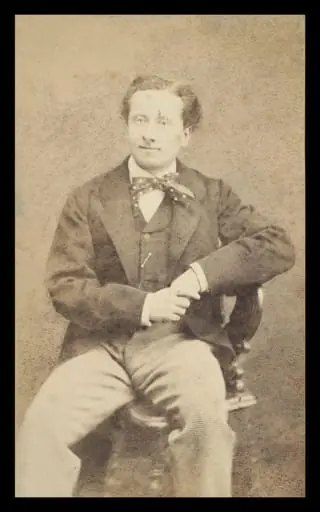
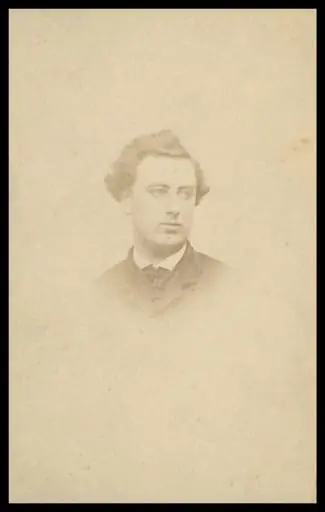
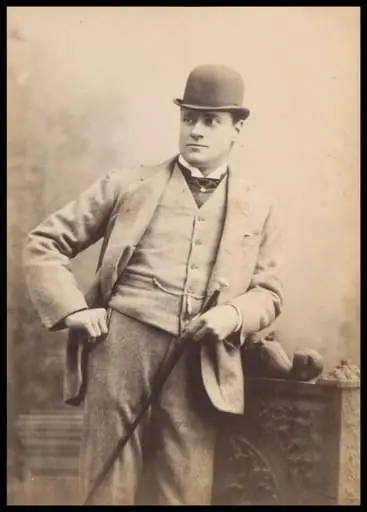
Artwork
Guy Little Theatrical Photograph
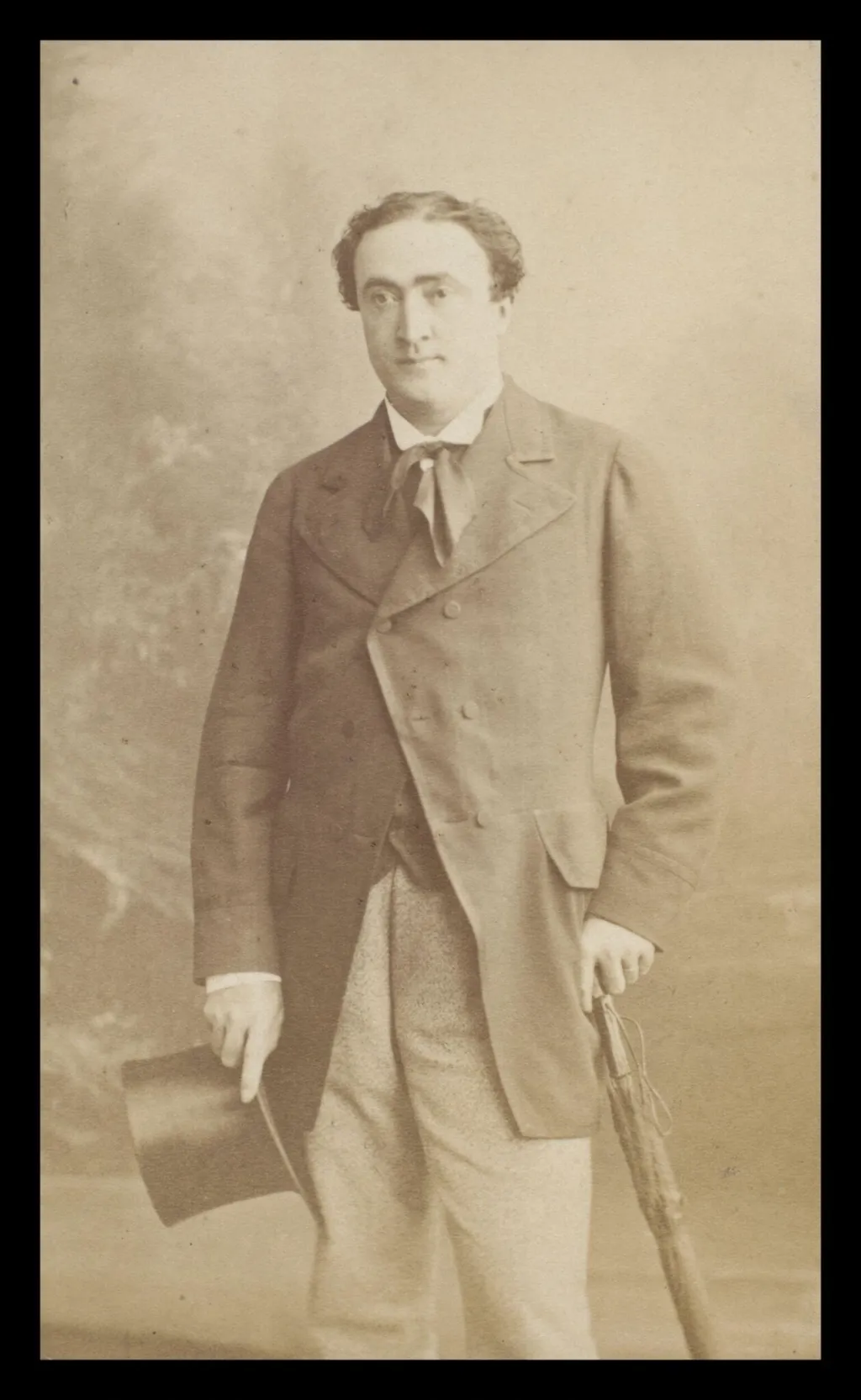
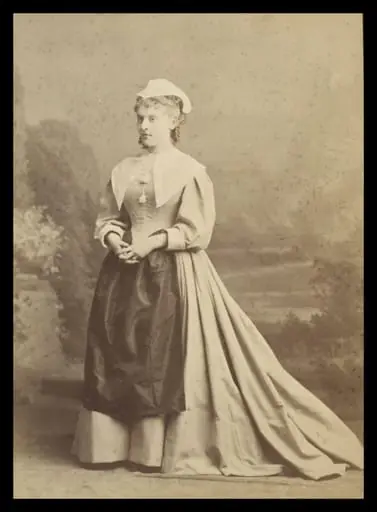
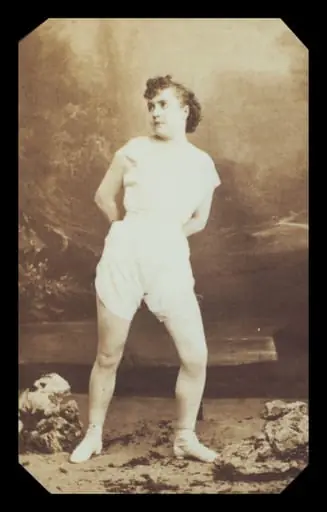
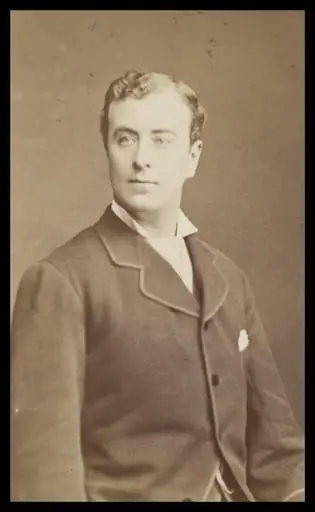
Guy Little Theatrical Photograph is a photographic photography by the Impressionist artist Reutlinger Studio. It dates from 1859 and is held in the collection of the Victoria and Albert Museum.
About this work
People, especially actors and actresses, would have their pictures taken to make 'cartes de visite' or 'cabinet cards'.
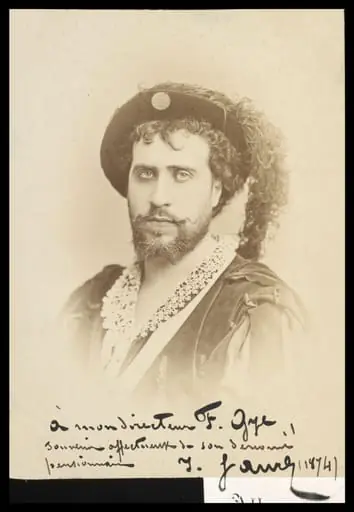
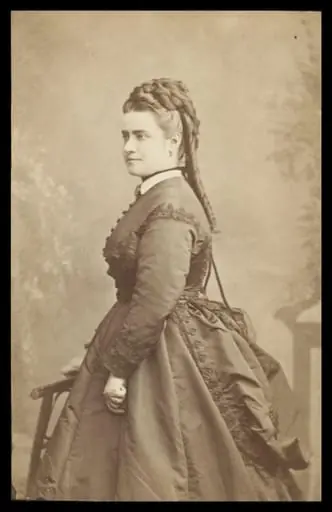
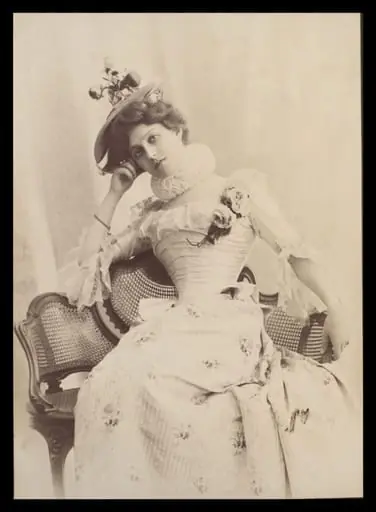
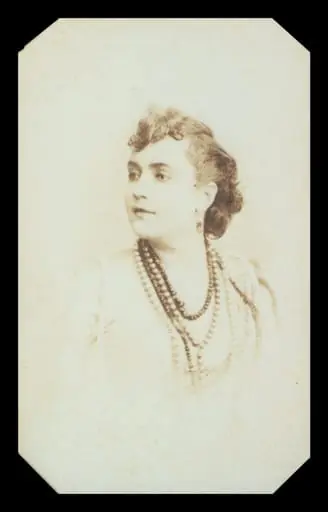
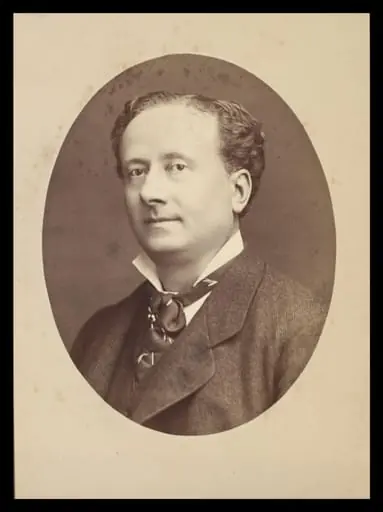
This photograph is from the Reutlinger Studio. It's a picture of M. Dupuis.
The photo was made around 1859, a time when photography was new and exciting. People, especially actors and actresses, would have their pictures taken to make 'cartes de visite' or 'cabinet cards'. These were small photos on card backing that people would collect.
You can learn more about the movement that influenced this kind of work by looking up Realism.
Overview
This photograph, taken around 1859 by the Reutlinger Studio, is a portrait of the actor M. Dupuis, produced as a carte de visite. It belongs to a personal collection assembled by Guy Tristram Little, a solicitor and avid collector of visual ephemera. Little later bequeathed his albums to the Victoria and Albert Museum, where they form part of the foundational material for the museum’s Theatre Collections.
Subject & Meaning
M. Dupuis, a stage performer of the mid-19th century, is depicted in his theatrical attire, reflecting the era’s practice of capturing actors in character to promote their public persona. These portraits served both as personal mementos and commercial tools, allowing audiences to connect with performers beyond the stage. The image embodies the growing cultural fascination with celebrity and the visual documentation of theatrical life during the Victorian period.
Technique & Style
The photograph is an albumen print on card, made from a glass negative—a standard process in the 1850s and 1860s. The Reutlinger Studio employed precise lighting and composition typical of commercial portrait studios, emphasizing clarity and formal presentation. The small format, roughly the size of a visiting card, was designed for easy handling, exchange, and collection, aligning with the popular trend of assembling photographic albums.
History & Provenance
The photograph was originally part of a vast personal archive gathered by Guy Tristram Little, who meticulously removed such images from their original mounts and reorganized them into themed albums. Little, a partner in a London law firm and executor of Gabrielle Enthoven’s estate, preserved these materials with scholarly intent. His collection, donated to the V&A, became a critical resource for the study of British theatre history.
Context
During the 1850s and 1860s, the carte de visite became a mass-produced phenomenon, fueled by advances in photographic technology and rising middle-class consumer culture. Actors, artists, and royalty were common subjects, and collecting these portraits was a social habit. The format’s popularity declined after the 1870s as larger cabinet cards and later postcards replaced it, marking a shift in how the public engaged with visual media.
Legacy
Little’s collection, preserved at the V&A, offers a rare, intact record of 19th-century theatrical portraiture. By safeguarding these images outside their original commercial context, he enabled future scholars to study performance culture, studio practices, and public taste. His contribution remains a vital archive for understanding the intersection of photography, theatre, and collecting in Victorian Britain.
Artist & collection
Artist
This studio took photos of actors backstage in the 1800s. Their collection shows five theatrical portraits from the 1860s to 1900, all labeled Guy Little Theatrical Photograph. You’ll find the 1874 portrait, a clear…