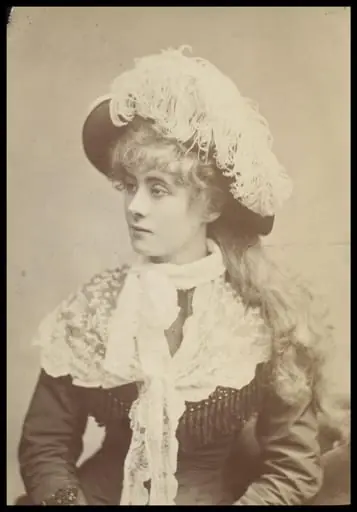
Artwork
Guy Little Theatrical Photograph
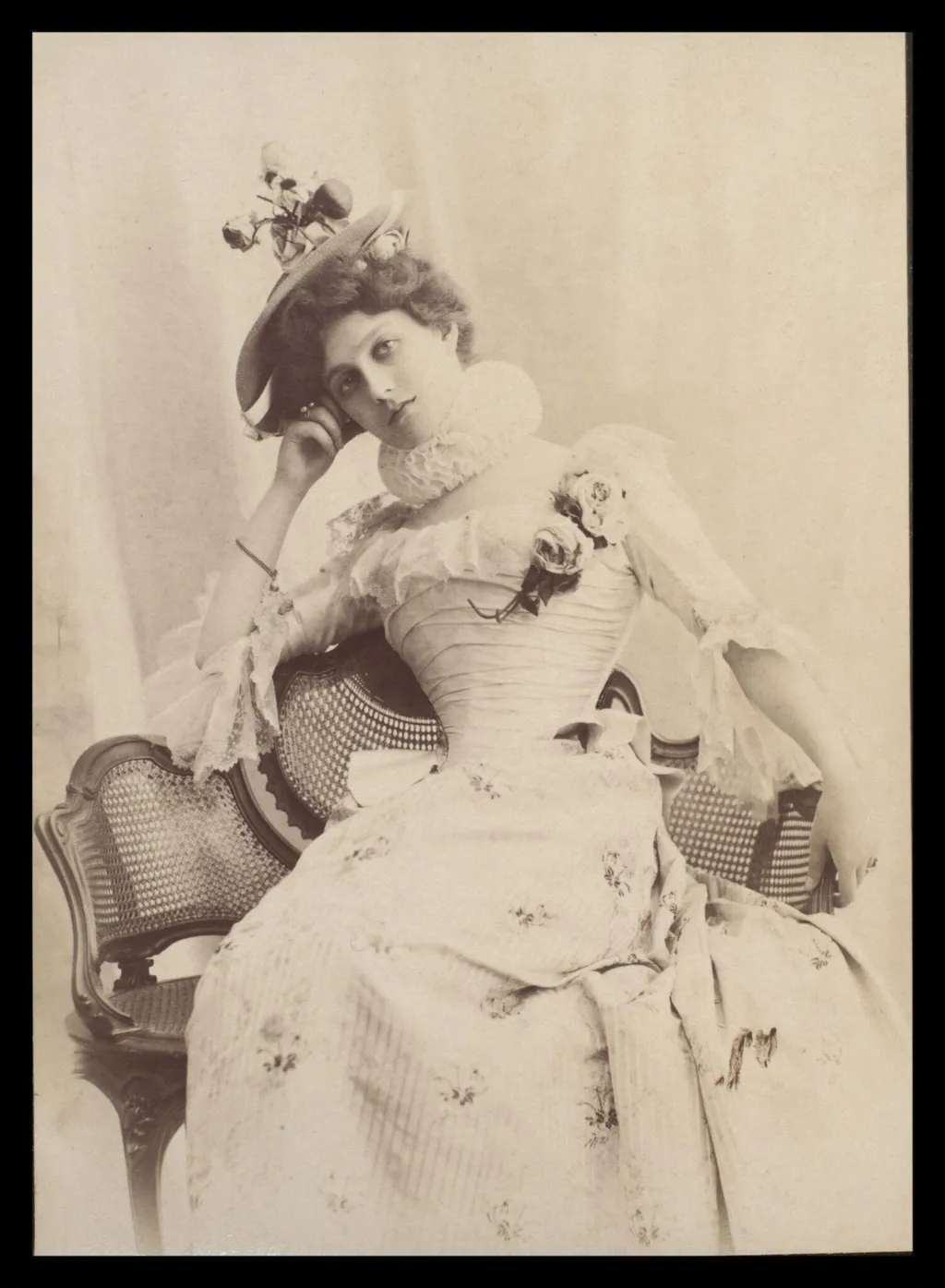
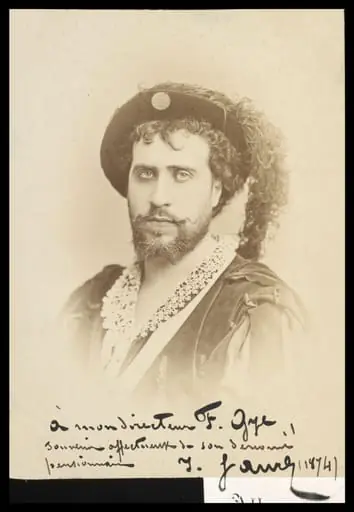
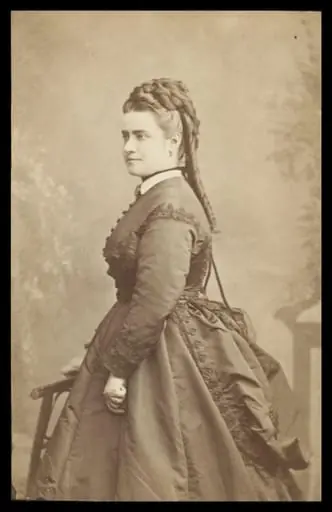
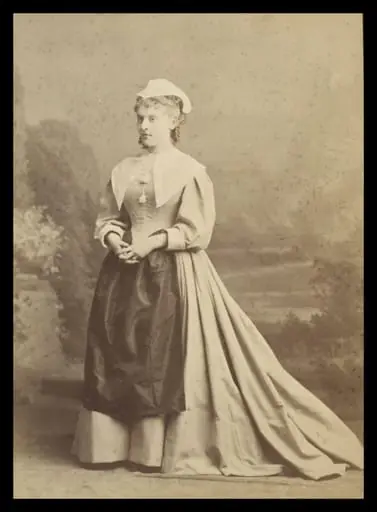
Guy Little Theatrical Photograph is a photographic photography by Reutlinger Studio. It dates from 1900 and is held in the collection of the Victoria and Albert Museum.
About this work
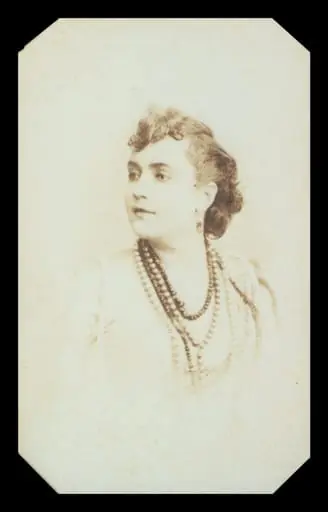
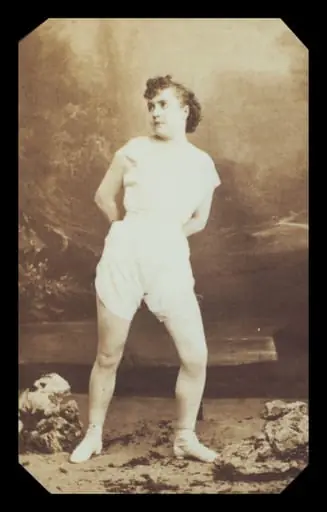
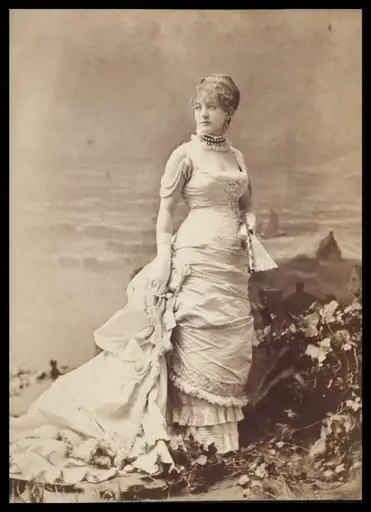
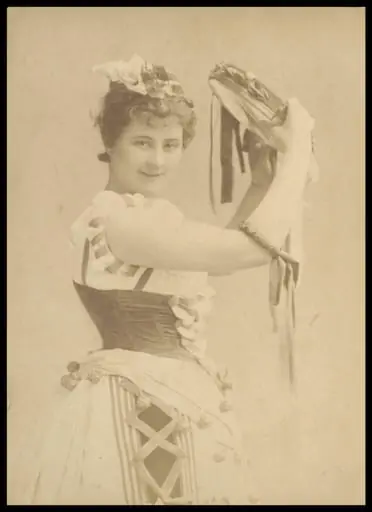
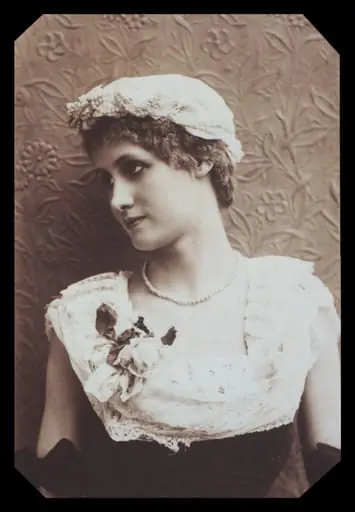
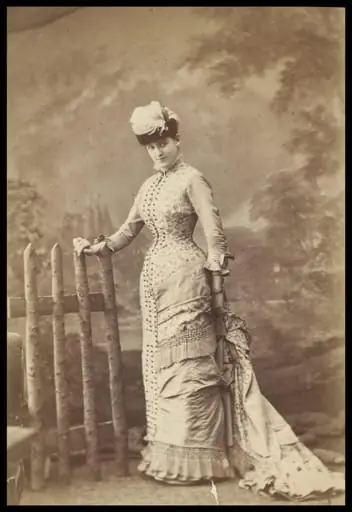
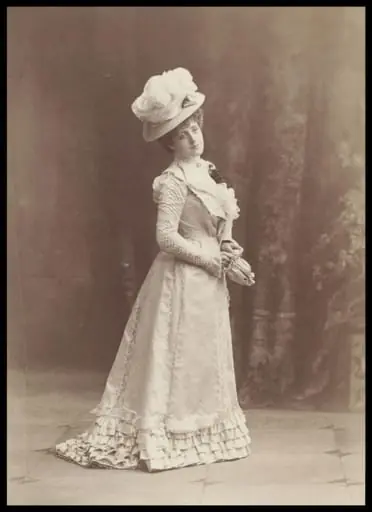
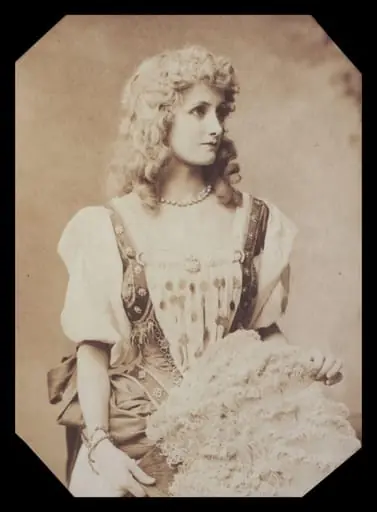
This photo from around 1900 shows actress Henriette Henriot in a studio shot. It’s one of many theatrical portraits made for fans back then.
These small portraits were called “cartes de visite.” They were cheap to print and easy to collect, which made them super popular in the 1860s.
Next time you visit London, check out the Victoria and Albert Museum.
Overview
It belongs to a group of albumen prints originally produced as cartes de visite or cabinet cards, small photographic formats popular in the late 19th century.
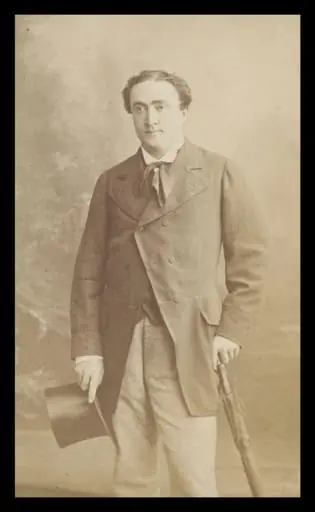
This photograph of actress Henriette Henriot was taken around 1900 by Guy Little, a collector and legal professional who assembled a substantial archive of theatrical portraits. It belongs to a group of albumen prints originally produced as cartes de visite or cabinet cards, small photographic formats popular in the late 19th century. Little removed these images from their original card mounts and bound them into personal albums, later bequeathing the collection to the Victoria and Albert Museum.
Subject & Meaning
Henriette Henriot, a French stage actress known for her performances in Parisian theaters, is depicted in a formal studio pose, likely in costume or attire associated with a recent role. These portraits served as tangible connections between performers and their audiences, allowing fans to own a personal memento of a favorite artist. The image reflects the cultural practice of celebrity worship through mass-produced photography during a time when live theater was a dominant form of public entertainment.
Technique & Style
The photograph is an albumen print, a common process using egg white to bind light-sensitive chemicals to paper, printed from a glass negative. It was originally mounted on a stiff card, either as a carte de visite or cabinet card, standardized formats designed for easy handling and collection. The composition is restrained, emphasizing the subject’s facial expression and attire, typical of studio portraiture meant to convey dignity and recognition rather than dramatic flair.
History & Provenance
The image was part of Guy Tristram Little’s personal collection of theatrical photographs, which he systematically removed from their original mounts and organized into albums. Little, a solicitor and executor of Gabrielle Enthoven’s estate, inherited her extensive theatrical memorabilia. Upon his death in 1953, the collection was donated to the Victoria and Albert Museum, forming a key component of its Theatre and Performance holdings.
Context
During the late 19th century, cartes de visite and cabinet cards were ubiquitous in middle-class homes, serving as both personal keepsakes and social currency. Theatrical portraits were among the most sought-after subjects, capitalizing on the rising fame of stage actors. As photography became more accessible, these images helped democratize access to celebrity culture, bridging the gap between public performance and private life.
Legacy
Little’s assembled collection preserves a vast visual record of Victorian and Edwardian theater, offering insight into how performers were marketed and remembered. The V&A’s holdings, built largely from his bequest, remain a vital resource for scholars studying the intersection of photography, performance, and popular culture. The photograph of Henriot exemplifies how ephemeral media became enduring historical documents through careful curation.
Artist & collection
Artist
This studio took photos of actors backstage in the 1800s. Their collection shows five theatrical portraits from the 1860s to 1900, all labeled Guy Little Theatrical Photograph. You’ll find the 1874 portrait, a clear…