Artwork
H Beard Print Collection
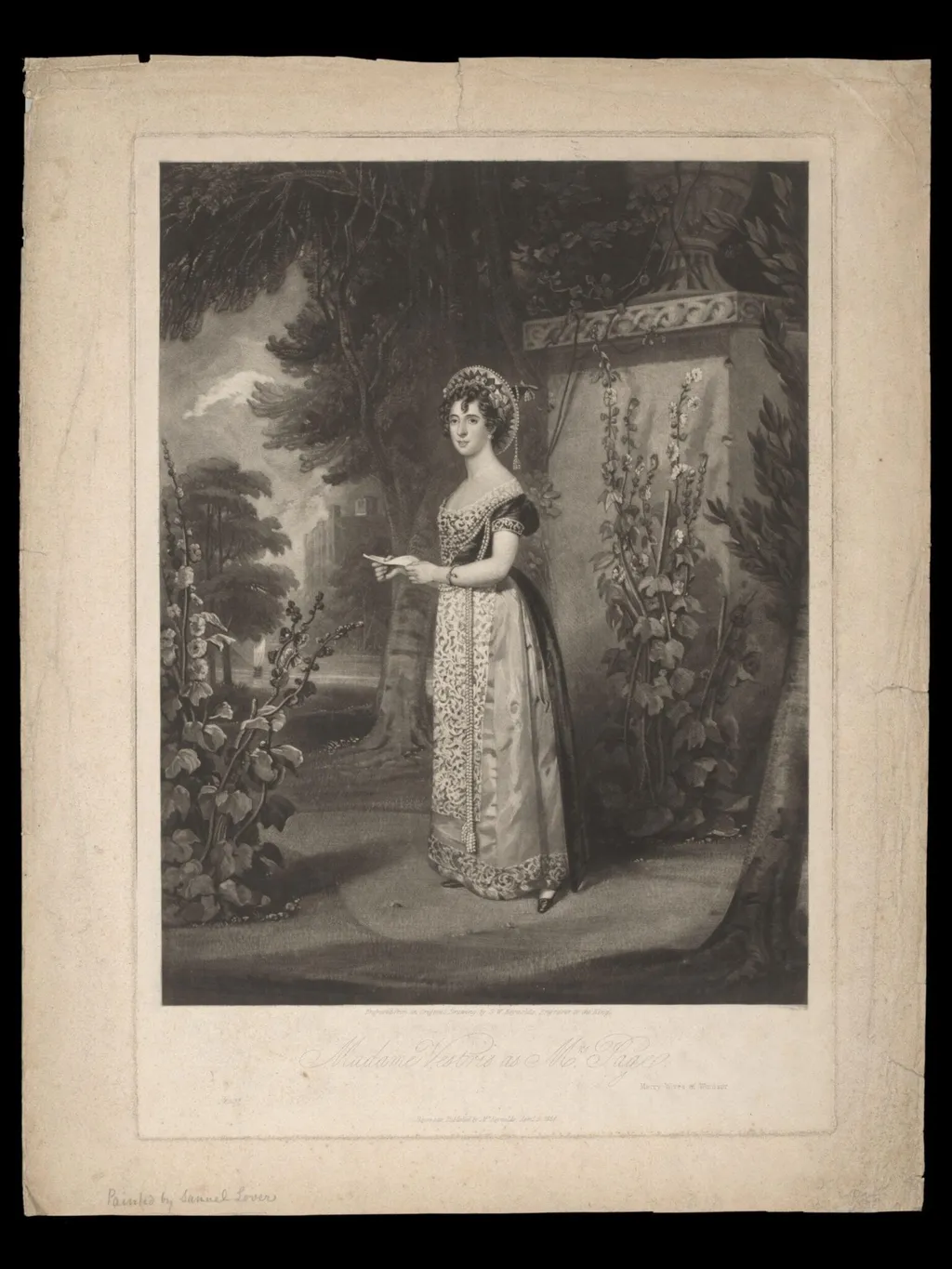
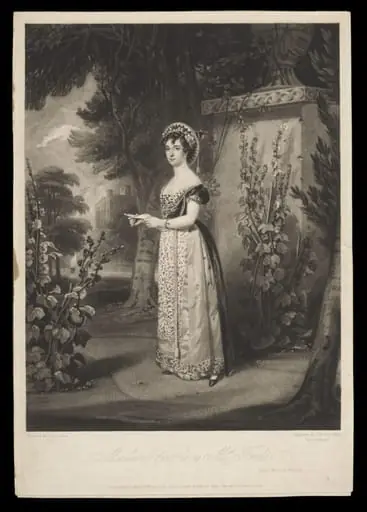
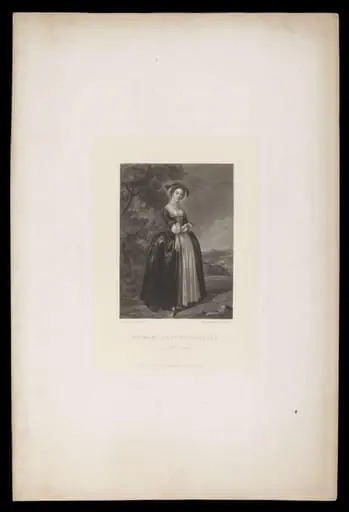
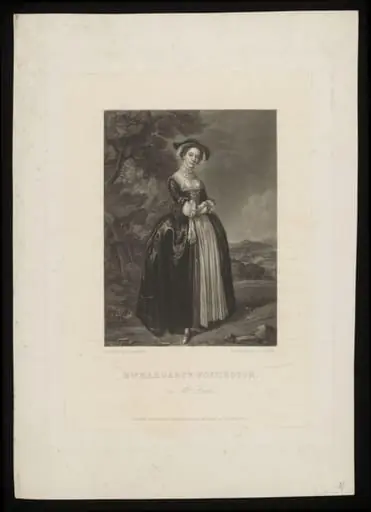
H Beard Print Collection is a print by the Romanticist artist Samuel William Reynolds. It dates from 5 and is held in the collection of the Victoria and Albert Museum. This 1828 print depicts the actress Madame Vestris in the role of Mrs.
About this work
This print shows an actress in a Shakespeare play. It’s from 1828, done by Samuel William Reynolds the elder. The work is a print, not a painting, and fits under Romanticism.
Reynolds used a printing method to capture a stage moment. The scene is Madame Vestris playing Mrs Page in *The Merry Wives of Windsor*.
See what else the Victoria and Albert Museum holds.
Overview
Beard Print Collection and reflects the 19th-century practice of preserving stage imagery through print media.
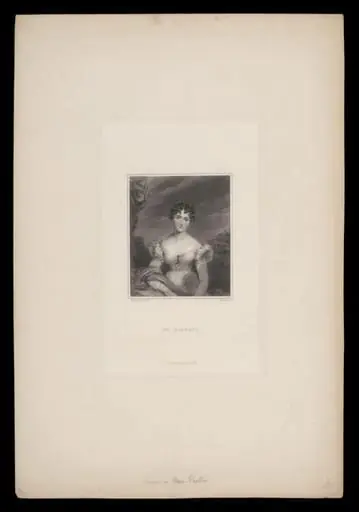
This 1828 print depicts the actress Madame Vestris in the role of Mrs. Page from Shakespeare’s *The Merry Wives of Windsor*. Created by Samuel William Reynolds the Elder, it is a reproductive print made using engraving techniques, intended to document a theatrical performance rather than serve as an original artwork. The piece belongs to the H. Beard Print Collection and reflects the 19th-century practice of preserving stage imagery through print media.
Subject & Meaning
The print captures Madame Vestris portraying Mrs. Page, a sharp-witted character in Shakespeare’s comedy of mistaken identities and social maneuvering. As a leading actress of her time, Vestris was celebrated for her command of comic roles. The image emphasizes her poised demeanor and period costume, reinforcing the cultural significance of theatrical performance as a public spectacle and a vehicle for literary interpretation during the Romantic era.
Technique & Style
Samuel William Reynolds the Elder employed engraving to reproduce the likeness of Vestris on stage, translating the immediacy of live performance into a static, reproducible format. The lines are precise and controlled, with attention to costume detail and facial expression. The style aligns with Romantic-era theatrical portraiture, prioritizing emotional presence and narrative clarity over idealized beauty, reflecting the period’s interest in realism and character authenticity.
History & Provenance
The print was produced in 1828, shortly after Vestris’s acclaimed performance in the role. It entered the H. Beard Print Collection, a significant archive of theatrical imagery assembled in the 19th century. The collection later became part of the Victoria and Albert Museum’s holdings, where it remains a resource for studying British stage history. Its survival underscores the value placed on documenting performers and their roles during a time of expanding public theater culture.
Context
In the 1820s, Shakespearean drama experienced a revival on the British stage, with actresses like Vestris gaining prominence in leading roles. Prints such as this one circulated widely, allowing audiences who could not attend performances to engage with theatrical culture. The medium bridged elite and popular audiences, transforming the stage into a shared cultural space. Reynolds’s work exemplifies how print technology democratized access to performance imagery during the early Industrial Age.
Legacy
This print contributes to a broader visual record of 19th-century British theater, preserving the appearance and presence of performers who shaped the era’s dramatic landscape. As part of the V&A’s collection, it continues to inform scholarship on gender, performance, and print culture. Its existence highlights the role of reproductive prints in sustaining the memory of ephemeral stage events long after the curtain fell.
Artist & collection
Artist
Samuel William Reynolds made finely detailed prints in England during the late 1700s and early 1800s.