Artwork
La Toilette
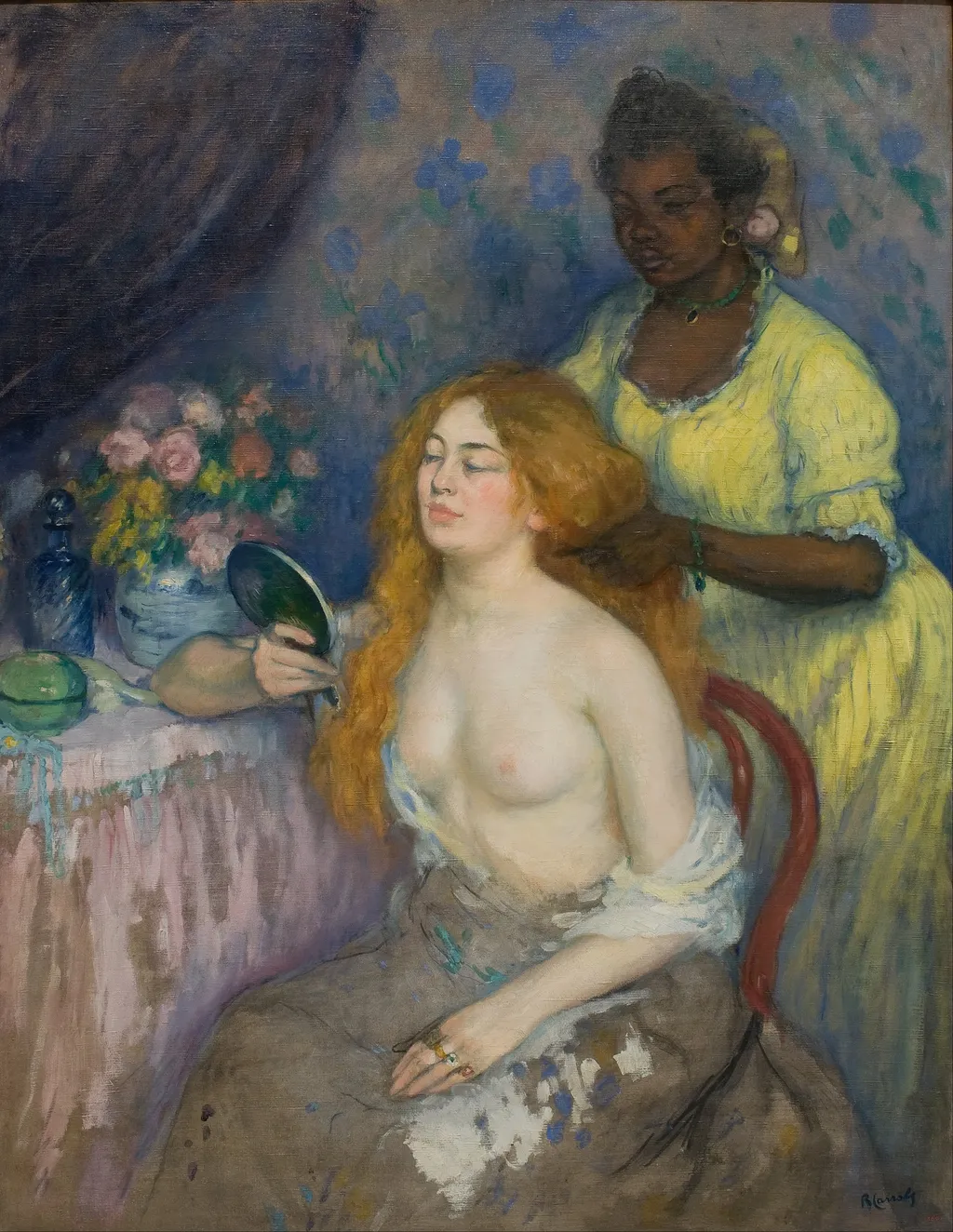
La Toilette is an oil painting by the Impressionist artist Ricard Canals. It dates from 1903 and is held in the collection of the Museu Nacional d'Art de Catalunya.
About this work
Overview
Canals, active in painting, illustration, and printmaking, was briefly associated with the Saffron Group, a collective noted for its restrained palette.
La Toilette, painted in 1903 by Spanish artist Ricard Canals Llambí, is an oil on canvas work that captures a quiet moment of personal ritual. Canals, active in painting, illustration, and printmaking, was briefly associated with the Saffron Group, a collective noted for its restrained palette. The painting resides in the Museu Nacional d'Art de Catalunya, reflecting its significance within Catalan artistic circles of the early 20th century.
Subject & Meaning
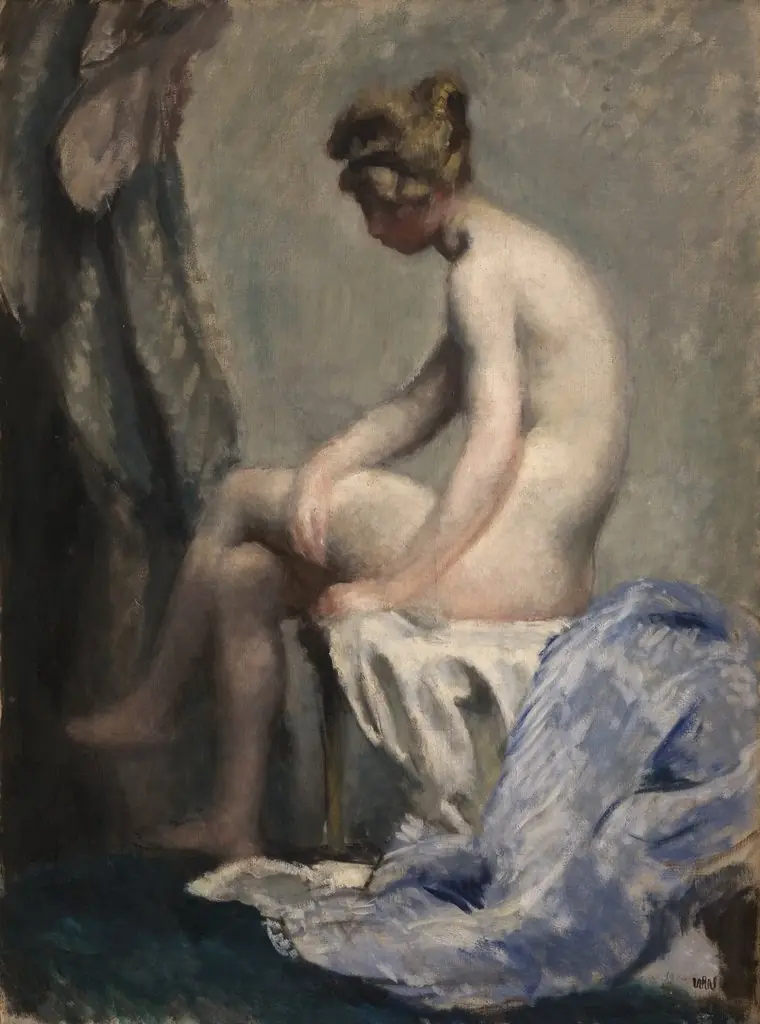
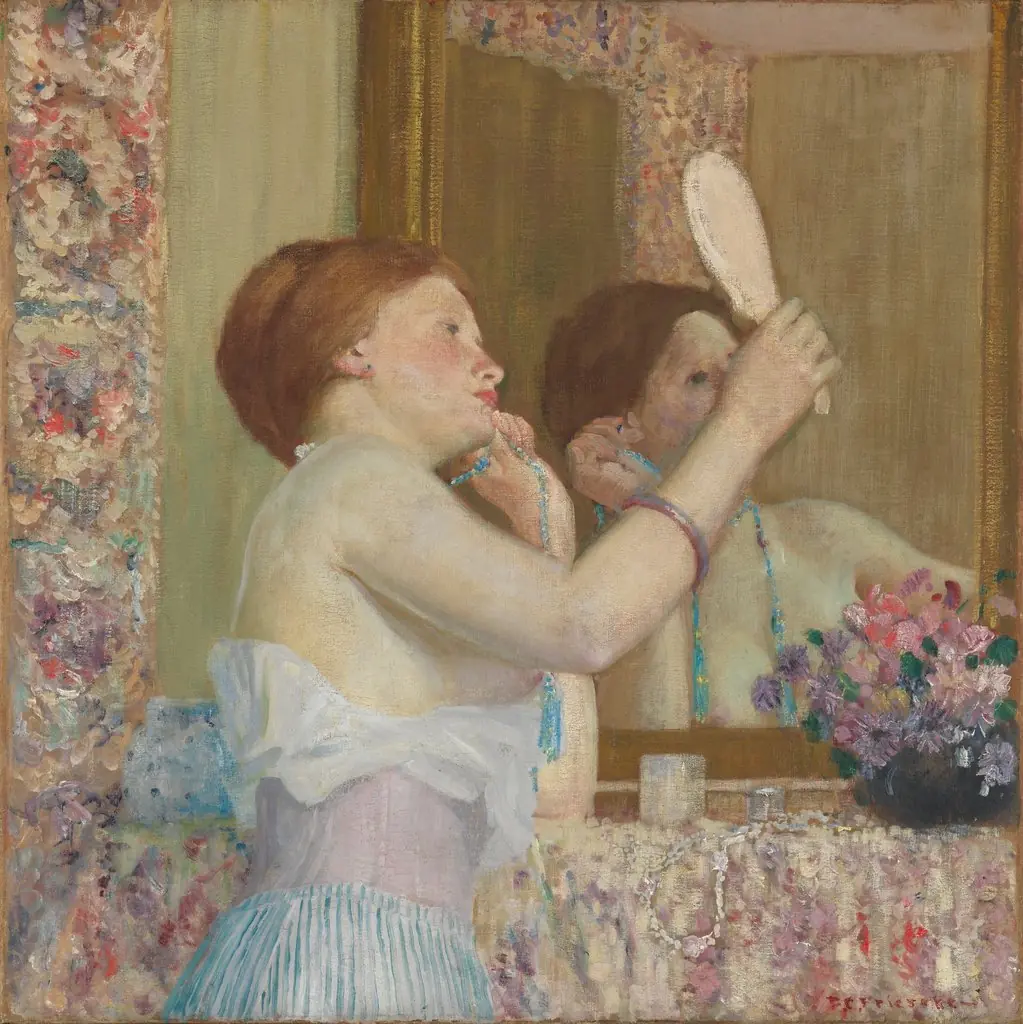
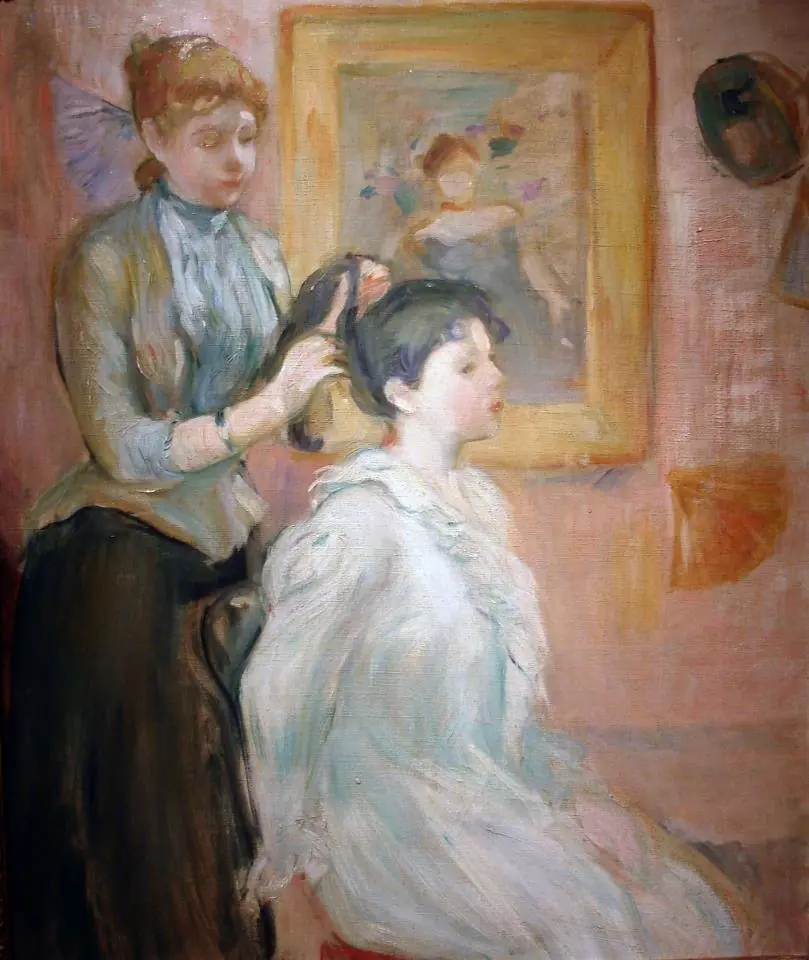
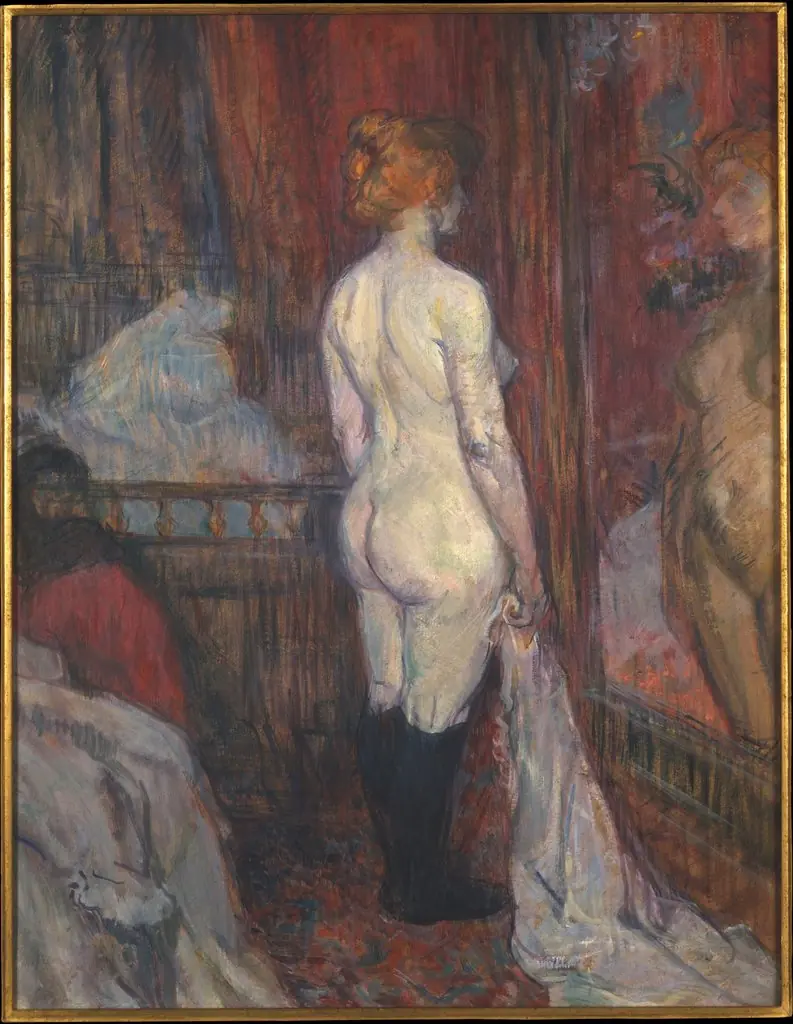
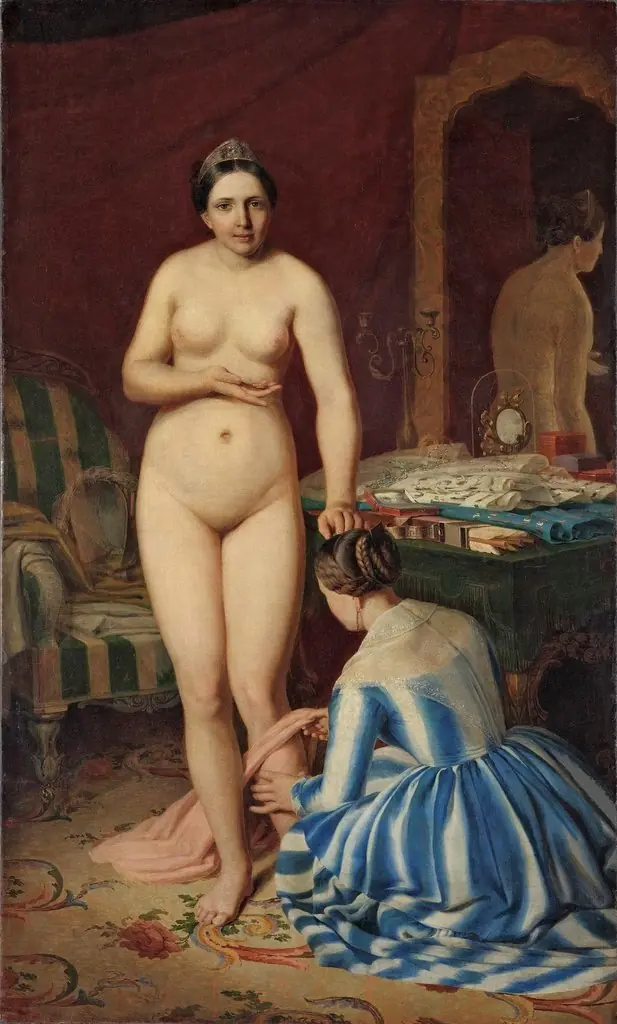
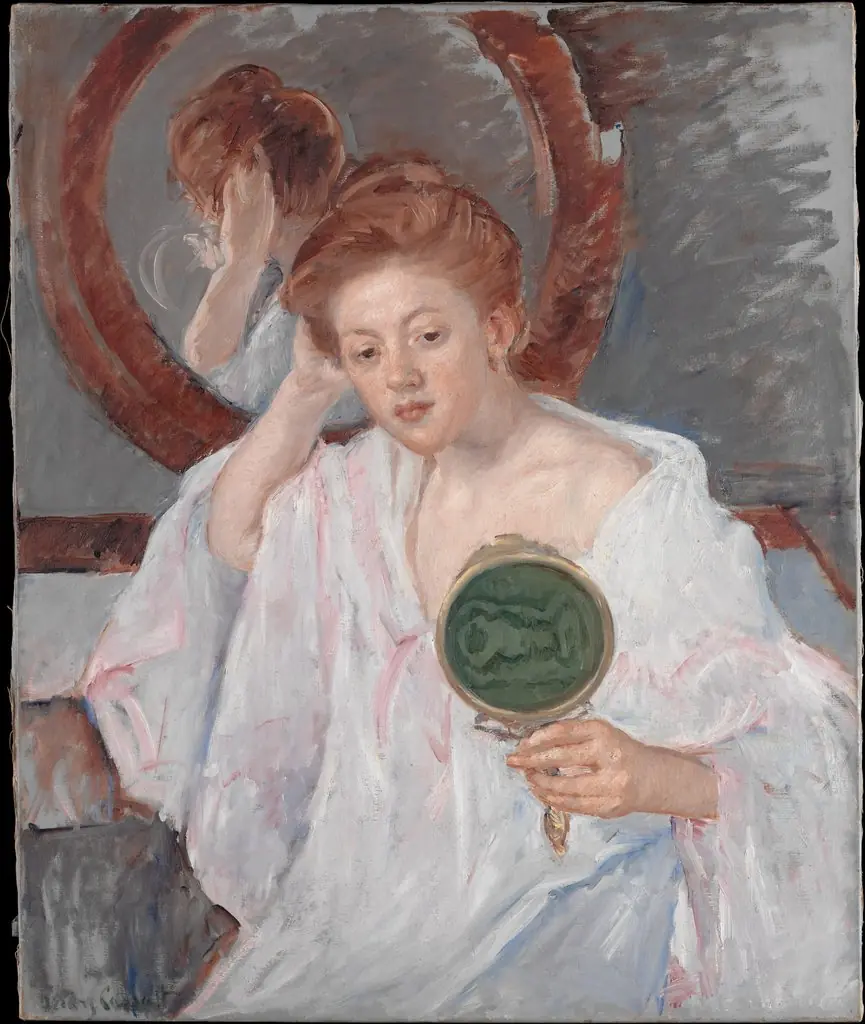
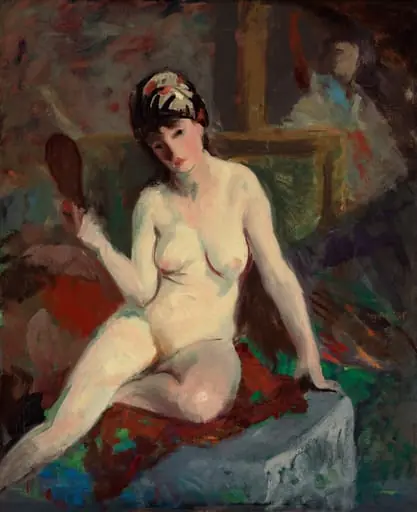
The scene depicts two women in a private interior: one seated, topless, holding a mirror, while another stands behind her, gently brushing her long red hair. The intimacy of the moment suggests a ritual of grooming, not merely physical but perhaps symbolic of care or connection. The absence of narrative drama or theatricality emphasizes stillness and quiet companionship, grounding the work in everyday femininity rather than idealized myth or spectacle.
Technique & Style
Canals employs soft, modulated brushwork to render light across skin and fabric, with subtle contrasts between the warm tones of the figures and the cool blue of the wall. The composition avoids sharp chiaroscuro, favoring a gentle diffusion of light that enhances the scene’s serenity. The yellow dress of the standing figure provides a restrained chromatic counterpoint, while the vase of flowers adds a touch of natural detail without disrupting the calm.
History & Provenance
Created in 1903, La Toilette entered the collection of the Museu Nacional d'Art de Catalunya, where it remains today. Canals’s association with the Saffron Group, though short-lived, positioned him within a regional movement that sought to redefine Catalan art through tonal harmony and domestic subjects. The painting’s preservation in a national institution underscores its role in documenting early modern Catalan painting beyond academic traditions.
Context
In early 20th-century Catalonia, artists like Canals moved between Impressionist influences and local sensibilities, often focusing on interior life and personal moments. La Toilette reflects this shift away from grand historical themes toward intimate, psychologically grounded scenes. The work aligns with broader European trends in depicting private female spaces, yet its subdued palette and quiet composition distinguish it as a regional variation rooted in Catalan visual culture.
Legacy
Though Canals is less widely known than his contemporaries, La Toilette endures as a representative example of Catalan modernism’s quieter impulses. Its emphasis on domestic tranquility and restrained color contributed to a broader redefinition of subject matter in Spanish art. The painting continues to be studied for its nuanced handling of light and its quiet elevation of ordinary moments, offering insight into the evolving identity of Catalan painting at the turn of the century.
Own this work as a print
Artist & collection
Artist
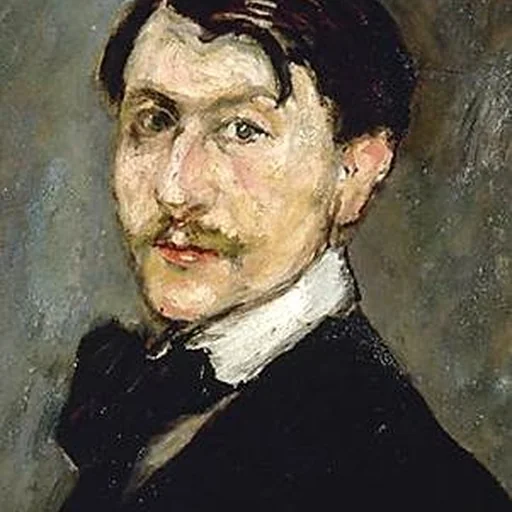
Ricard Canals Llambí (13 December 1876 – 7 February 1931) was a Spanish Impressionist painter, illustrator and engraver; initially associated with the short-lived "Saffron Group" of Isidre Nonell; named after what critics said was their…