Artwork
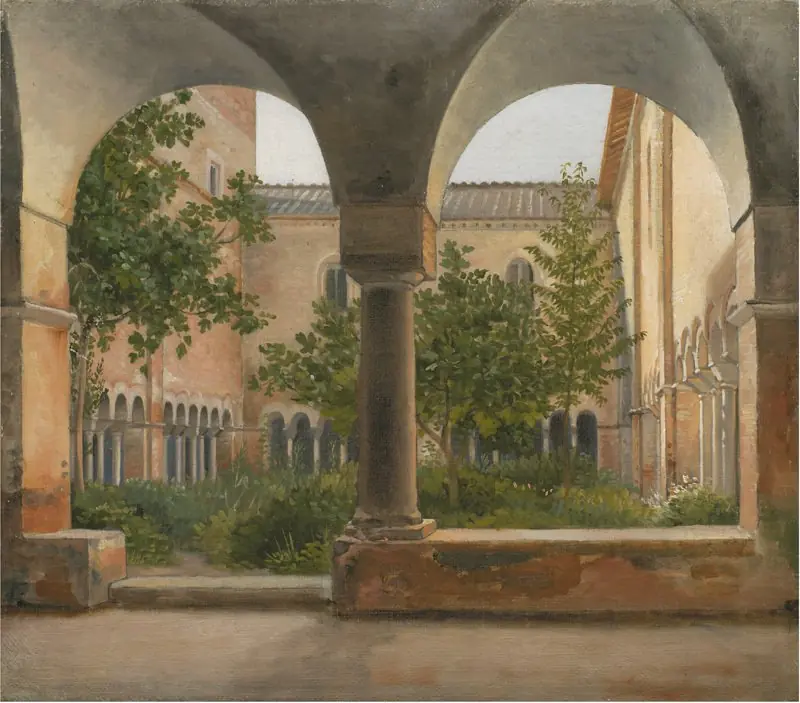
Claustro de San Juan de los Reyes
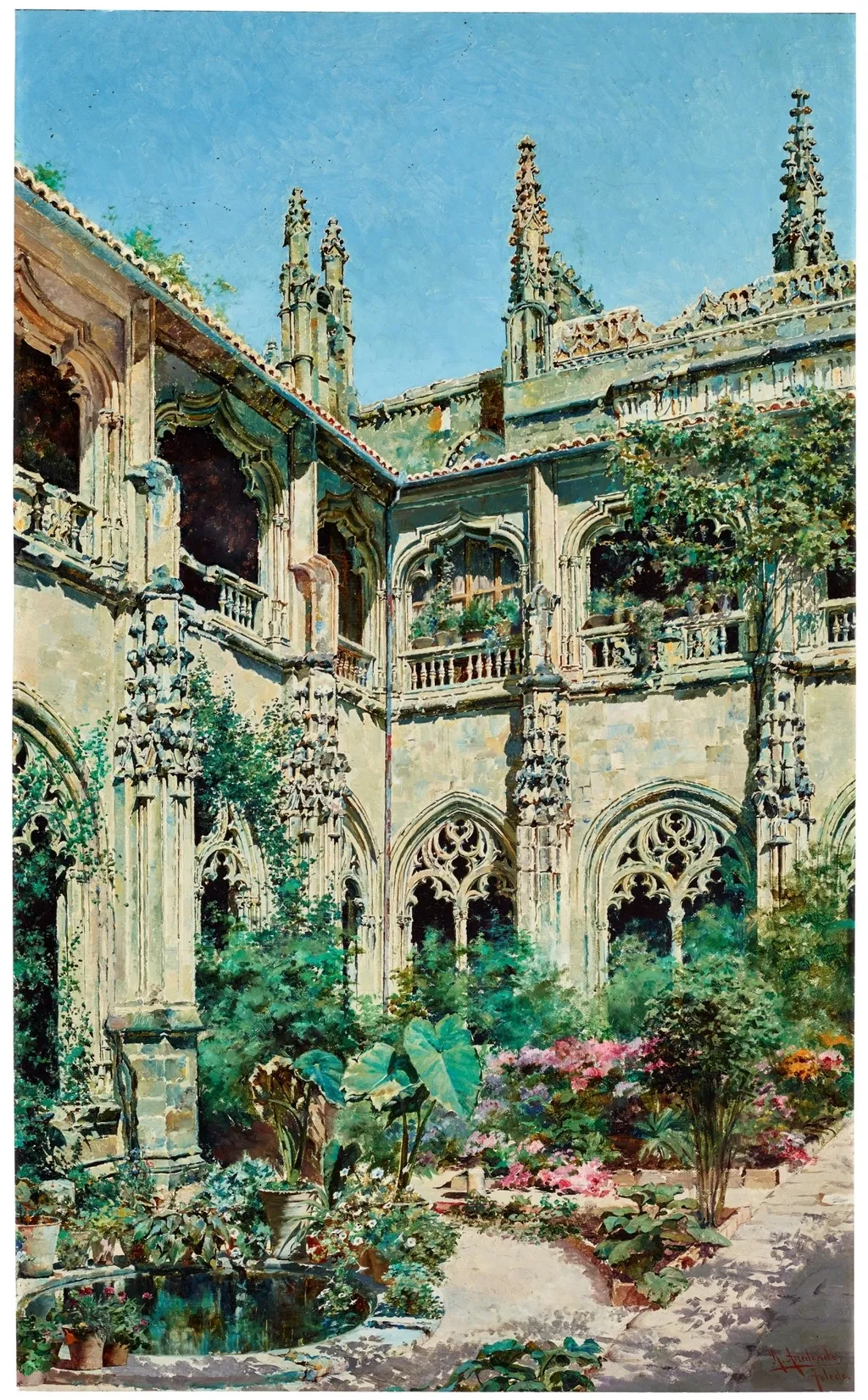
Claustro de San Juan de los Reyes is an oil painting by the Post-Impressionist artist Ricardo Arredondo Calmache. It dates from 1892 and is held in the collection of the Museo del Prado.
About this work
Overview
Ricardo Arredondo Calmache painted *Claustro de San Juan de los Reyes* in 1892 using oil on canvas. The work captures the architectural interior of a historic Spanish monastery cloister, rendered with careful attention to structure and atmosphere. It belongs to the collection of the Museo del Prado in Madrid, where it is displayed as an example of late 19th-century Spanish figurative painting.
Subject & Meaning
The painting depicts the cloister of San Juan de los Reyes, a 15th-century monastery in Toledo, known for its Gothic architecture and royal associations. Arredondo Calmache presents the space not as a religious site but as a quiet, contemplative environment, emphasizing its enduring physical presence. The inclusion of vegetation suggests nature reclaiming or harmonizing with human construction.
Technique & Style
The artist employed oil paint to achieve subtle gradations of light and texture, highlighting the carved stonework and sculptural details of the arches and columns. His approach leans toward naturalism with a heightened sensitivity to atmospheric conditions, avoiding overt impressionist brushwork while still conveying the effects of sunlight filtering through the arcade.
History & Provenance
Completed in 1892, the painting was acquired by the Museo del Prado shortly thereafter. It reflects the 19th-century Spanish interest in documenting national architectural heritage, a trend supported by state institutions seeking to preserve cultural identity through art. The work has remained in the museum’s collection since its acquisition.
Context
During the late 1800s, Spanish artists increasingly turned to historical monuments as subjects, responding to rising nationalism and preservation efforts. Arredondo Calmache’s focus on the cloister aligns with broader movements in European art that valued architectural detail and historical continuity, even as modernism began to emerge elsewhere.
Legacy
Though not widely exhibited outside Spain, the painting remains a representative example of Arredondo Calmache’s commitment to topographical accuracy and atmospheric realism. It contributes to the understanding of how Spanish painters engaged with their architectural past during a period of social and artistic transition.
Artist & collection
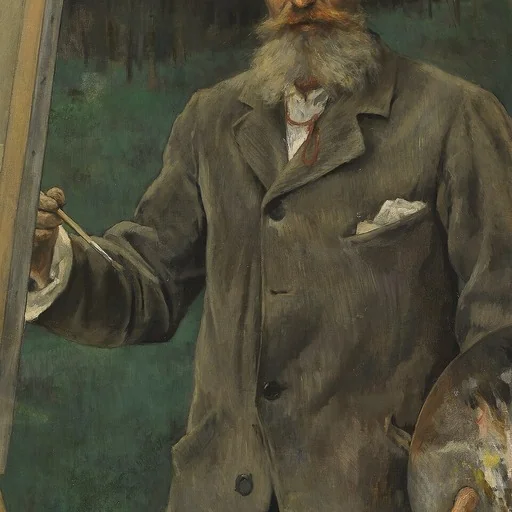
Artist
Ricardo Arredondo Calmache (23 October 1850 – 1911) was a Spanish painter who specialized in landscapes and costumbrista scenes; known for his meticulous attention to detail.

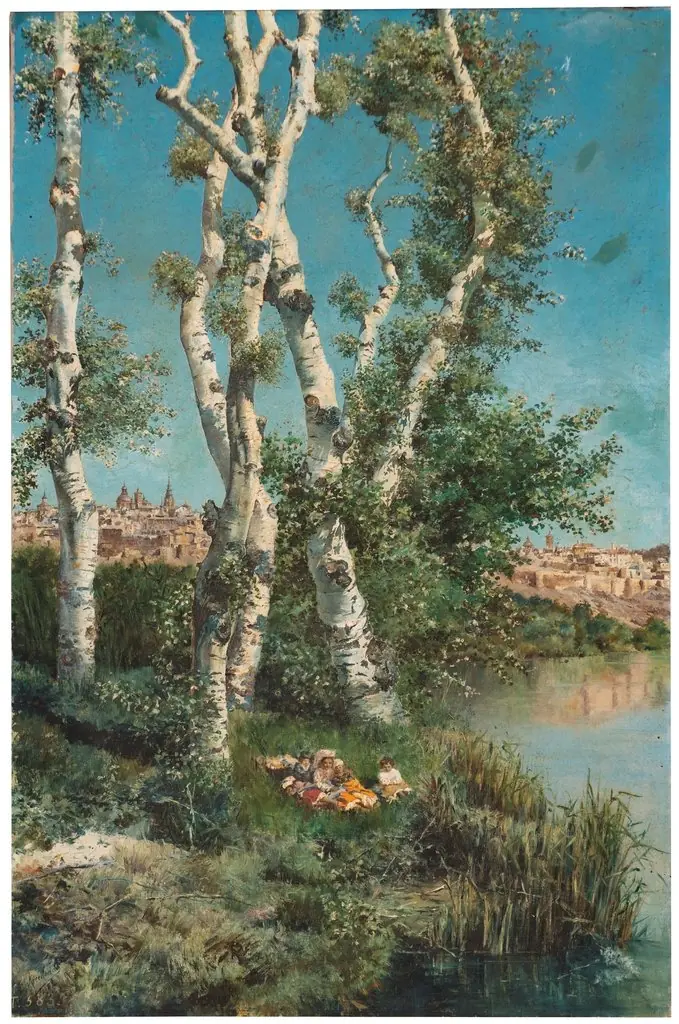
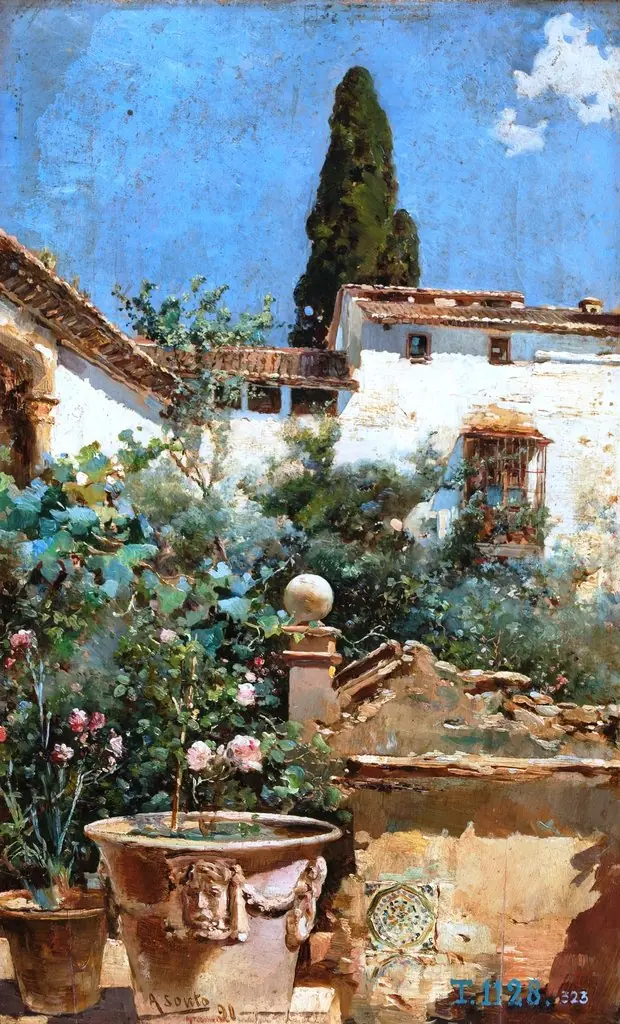 Paisaje de Granada
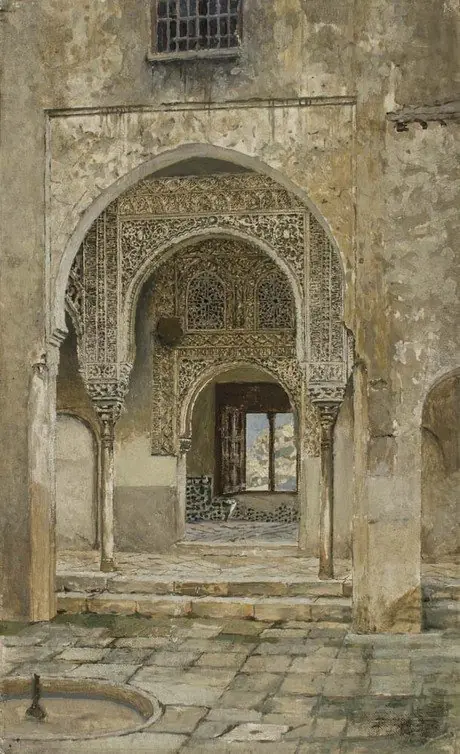 Alhambra. Spain
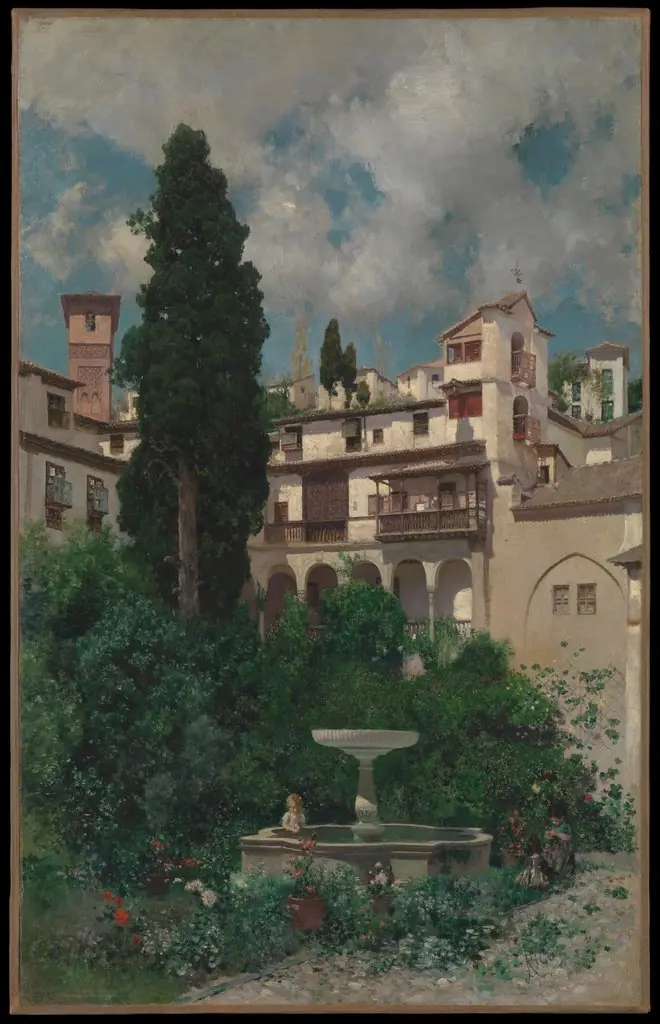 A Spanish Garden
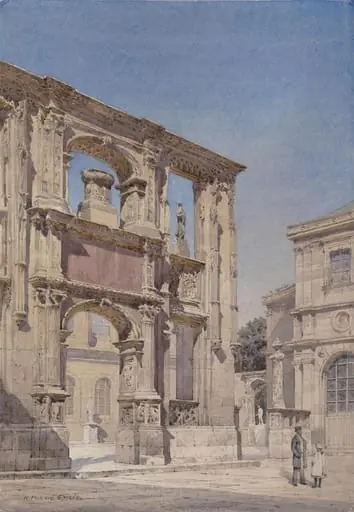 Part of the Chateau de Gaillon re-erected in the court of the Palais des Beaux Arts
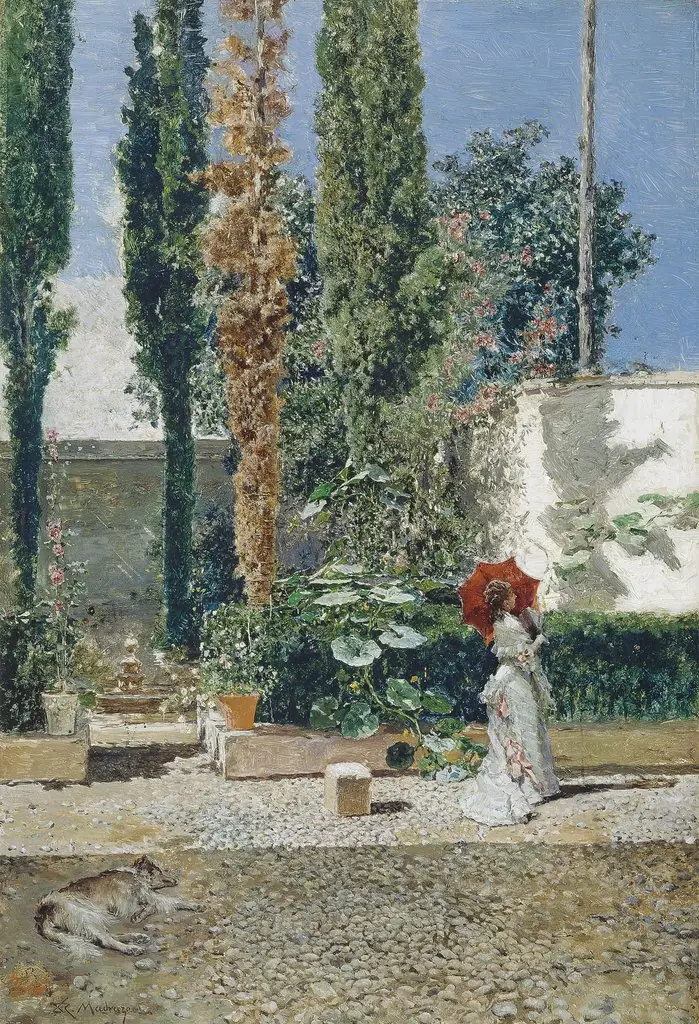 The Garden of the Fortuny Residence
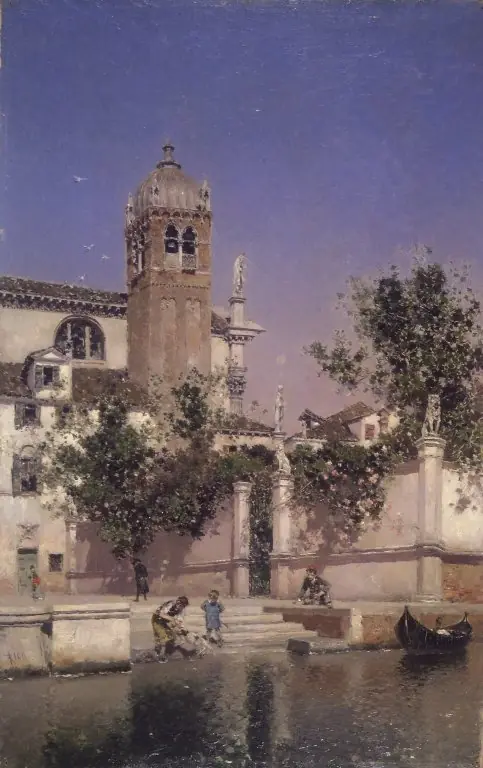 A Canal in Venice
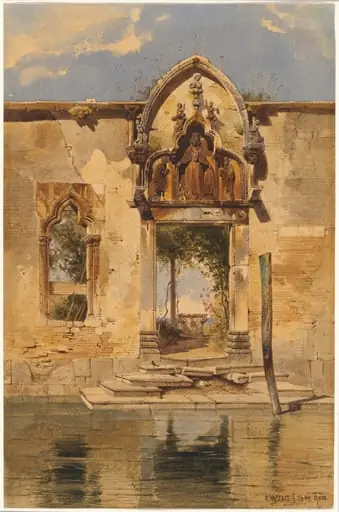 The Portal of the Madonna della Misericordia from the Canal
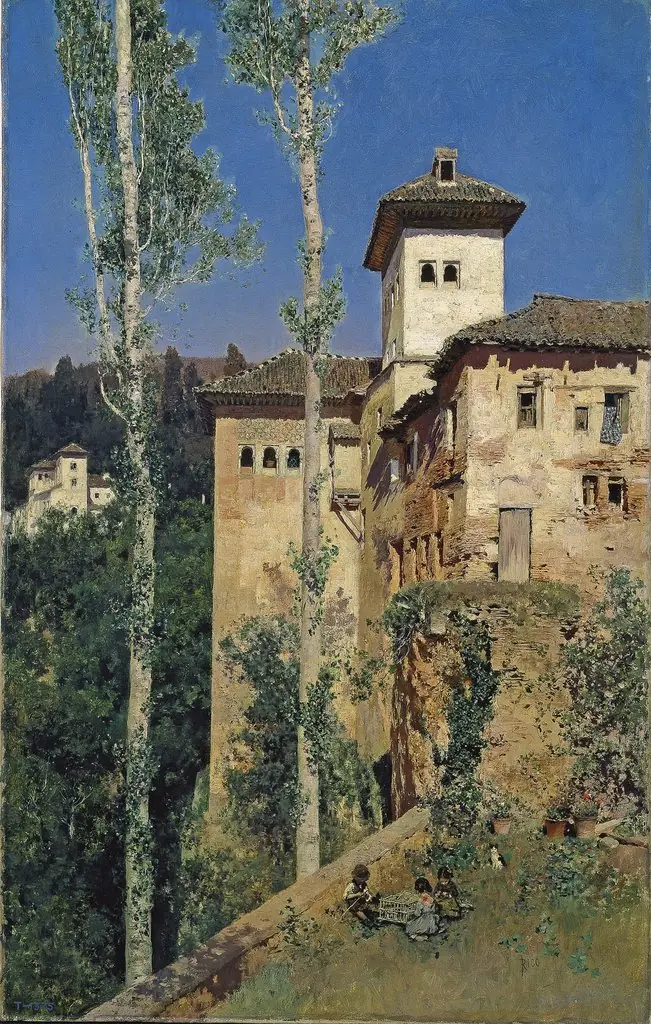 La Torre de las Damas in the Alhambra, Granada
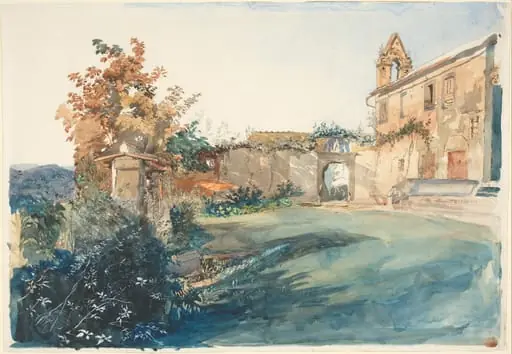 The Garden of San Miniato near Florence
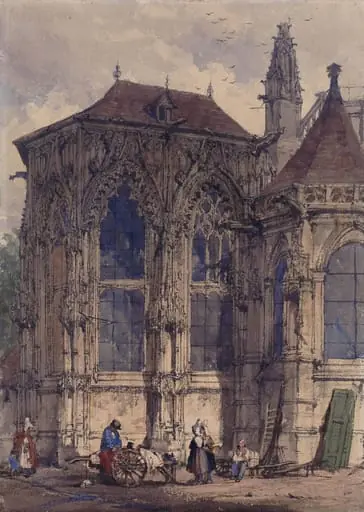 East End of the Church of St. Jacques, Dieppe
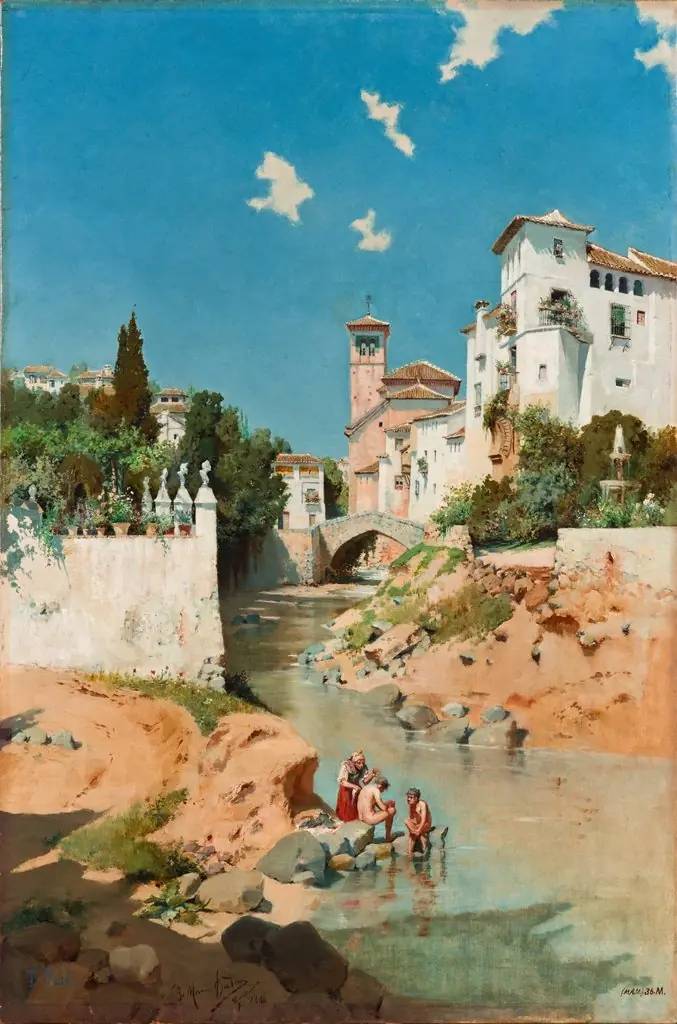 El Darro (Recuerdos de Granada)
 The Cloisters of San Lorenzo fuori le mura in Rome