Artwork
Jolly Company
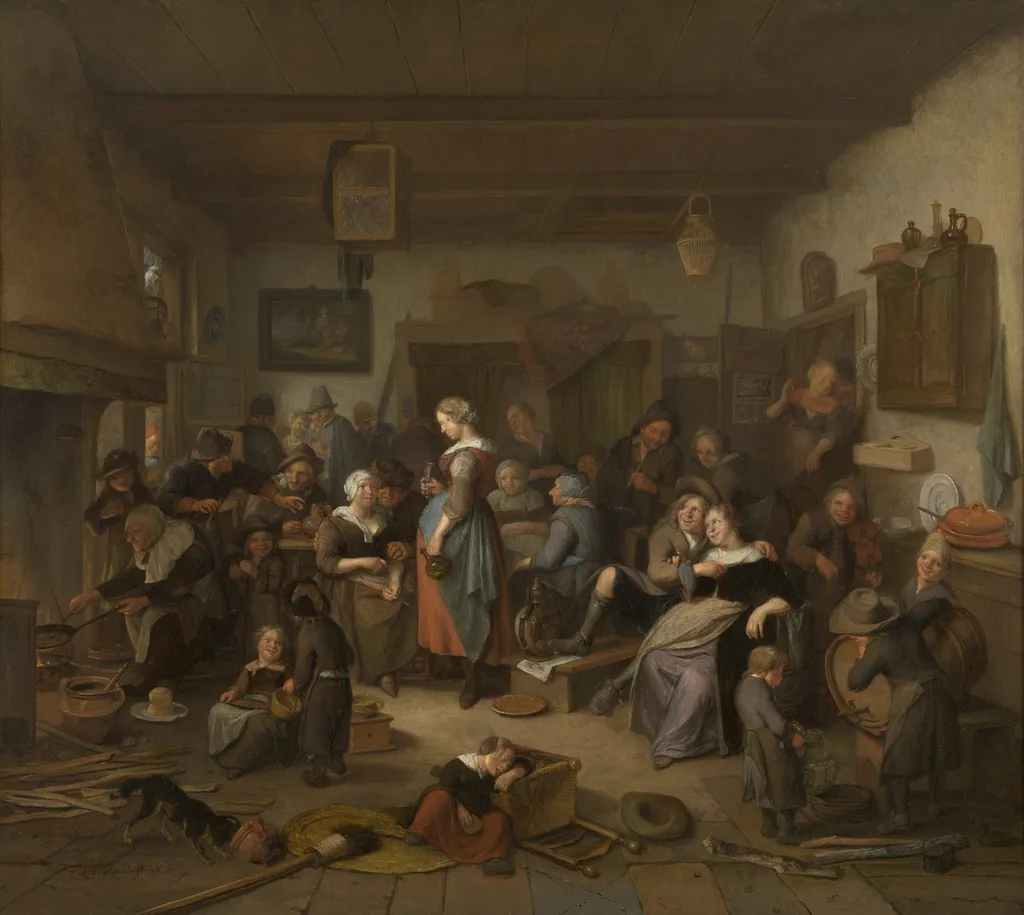
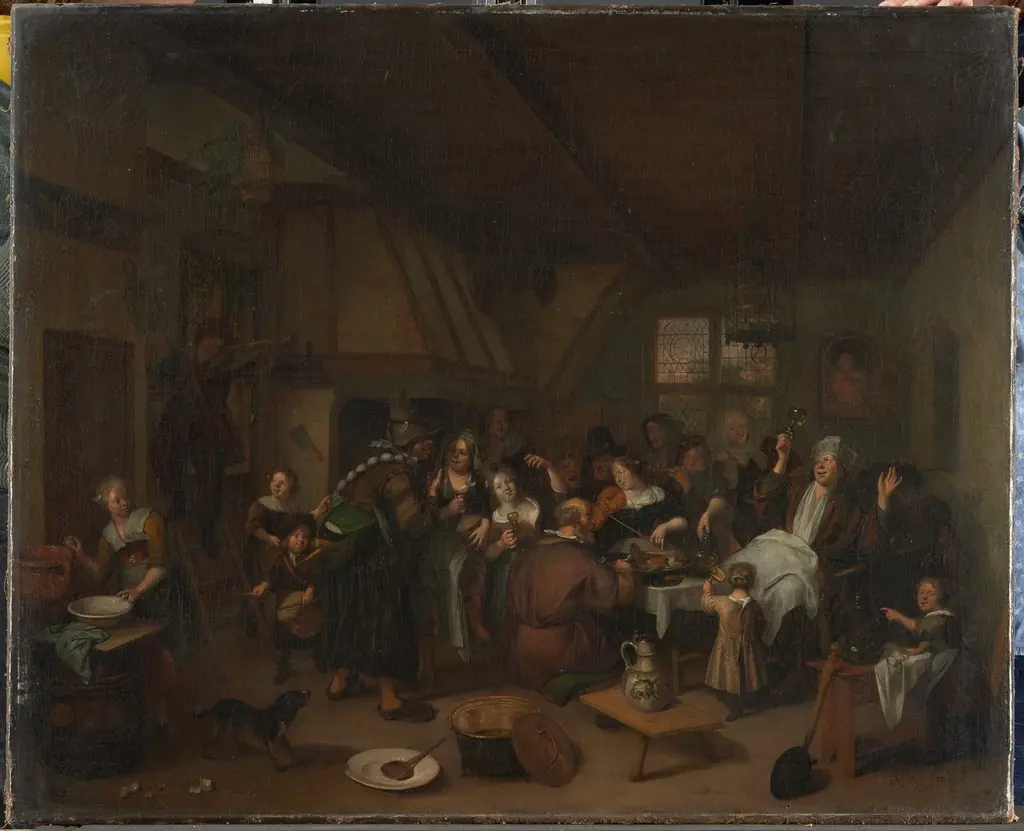
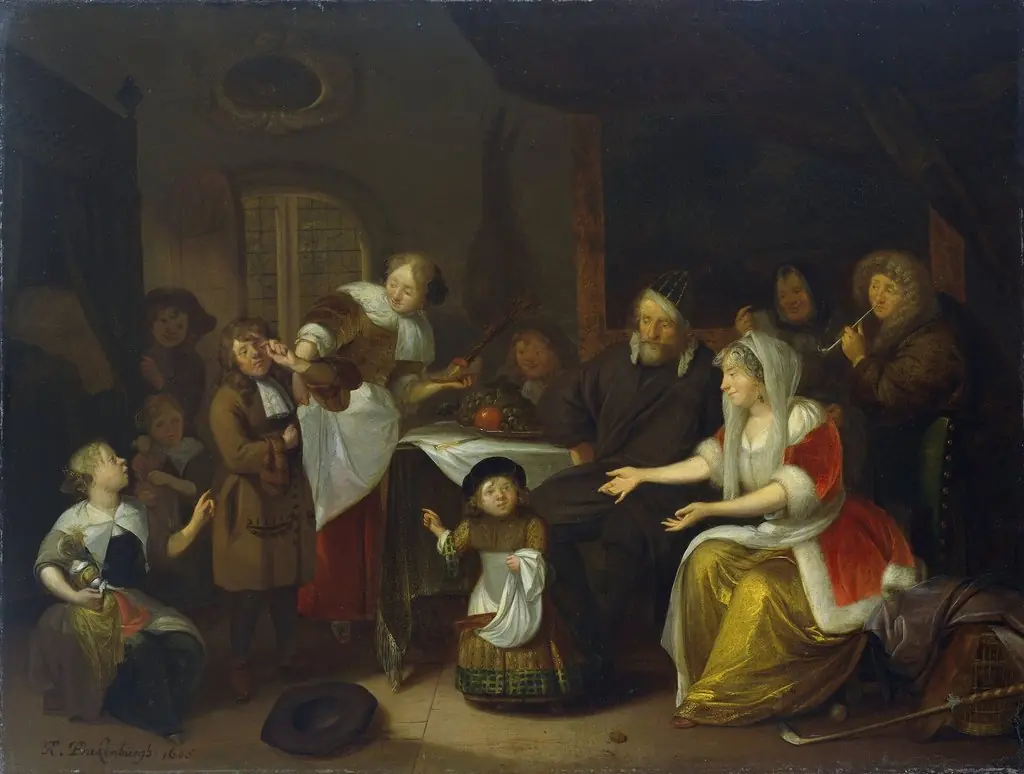
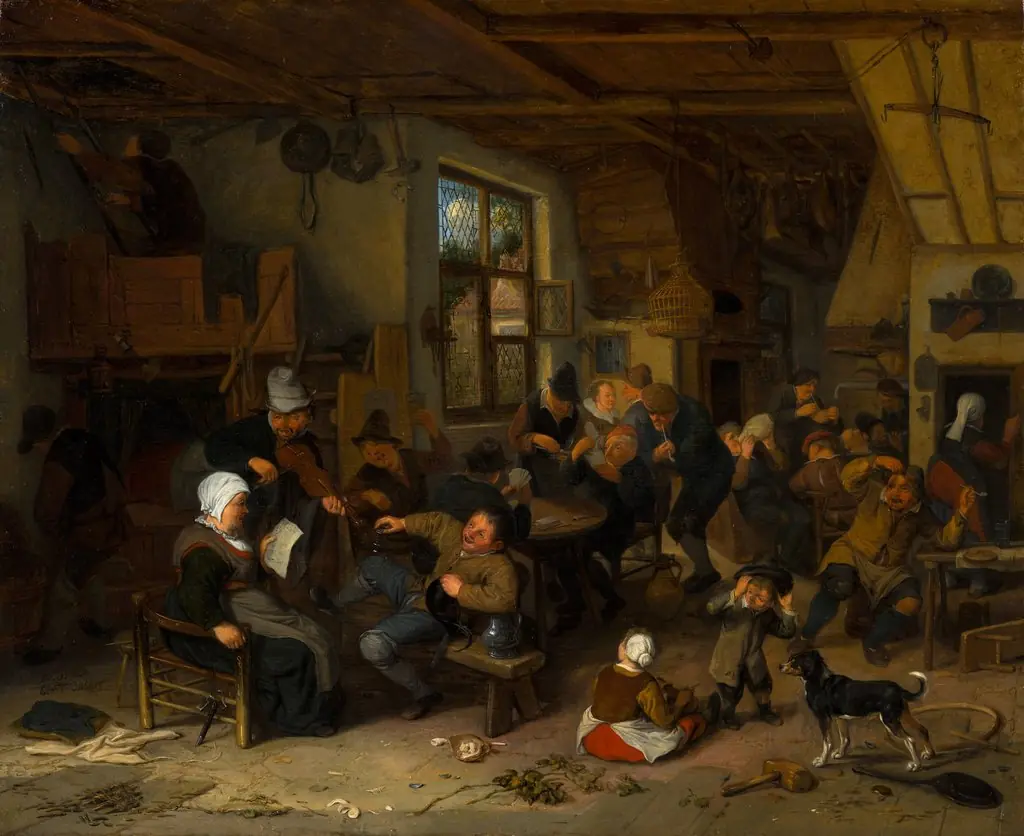
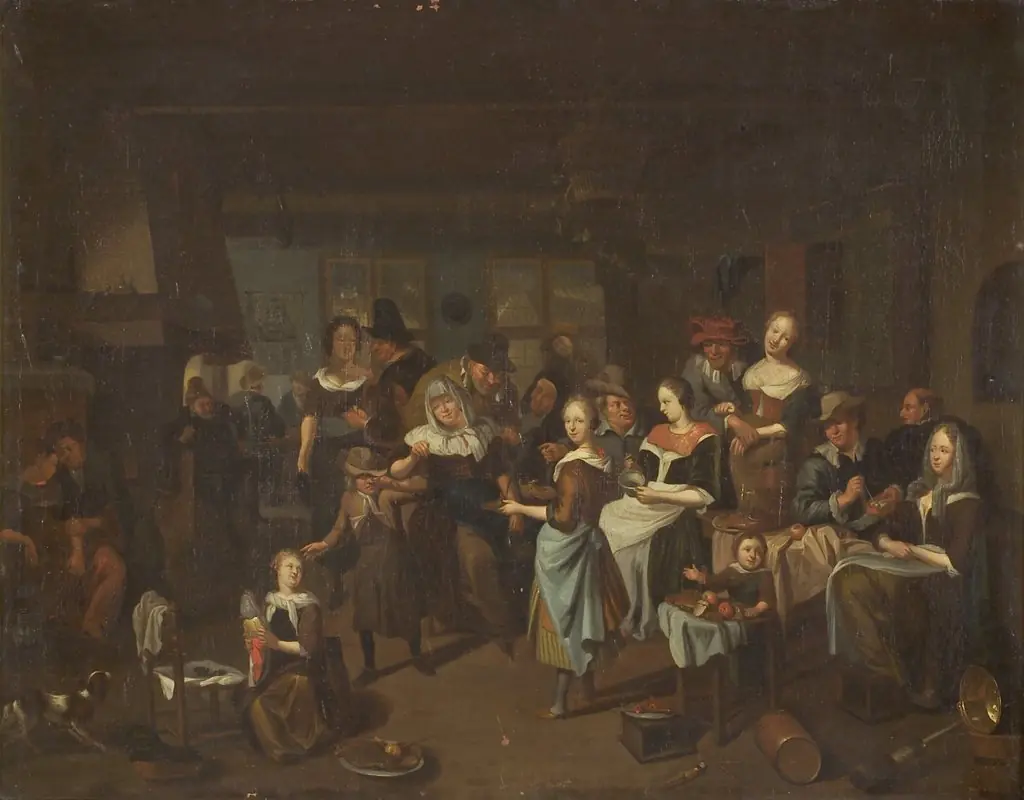
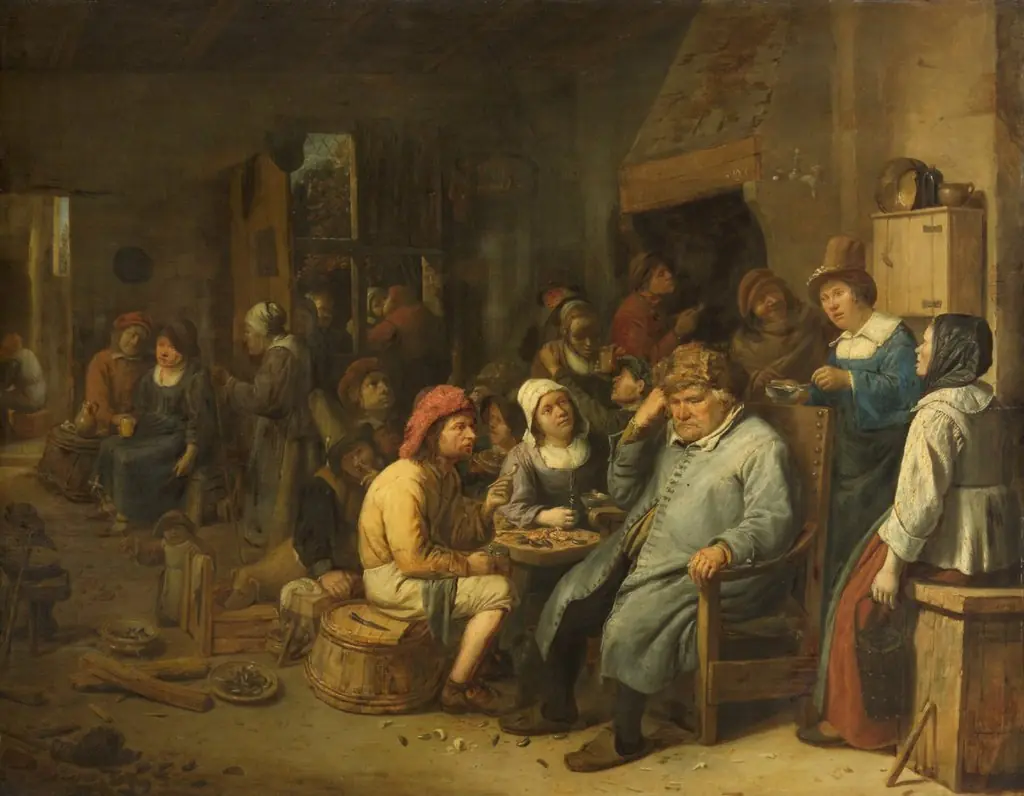
Jolly Company is an oil painting by the Dutch Golden Age artist Richard Brakenburgh. It dates from 1686 and is held in the collection of the Royal Museum of Fine Arts Antwerp.
About this work
Overview
Richard Brakenburgh, active in late 17th-century Haarlem, produced *Jolly Company* around 1686 as a genre scene in oil on panel. The painting captures an intimate domestic gathering, reflecting the Dutch Golden Age’s interest in everyday life. It is now part of the Royal Museum of Fine Arts Antwerp’s collection, where it remains a representative example of Dutch interior scenes from the period.
Subject & Meaning
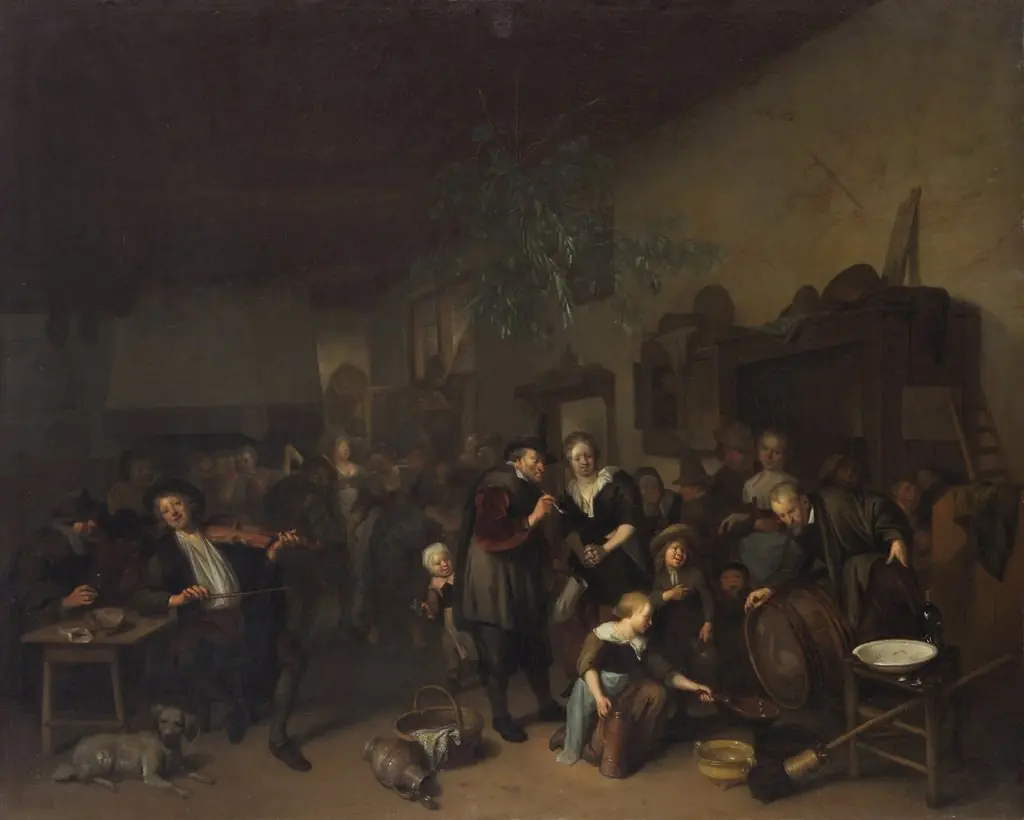
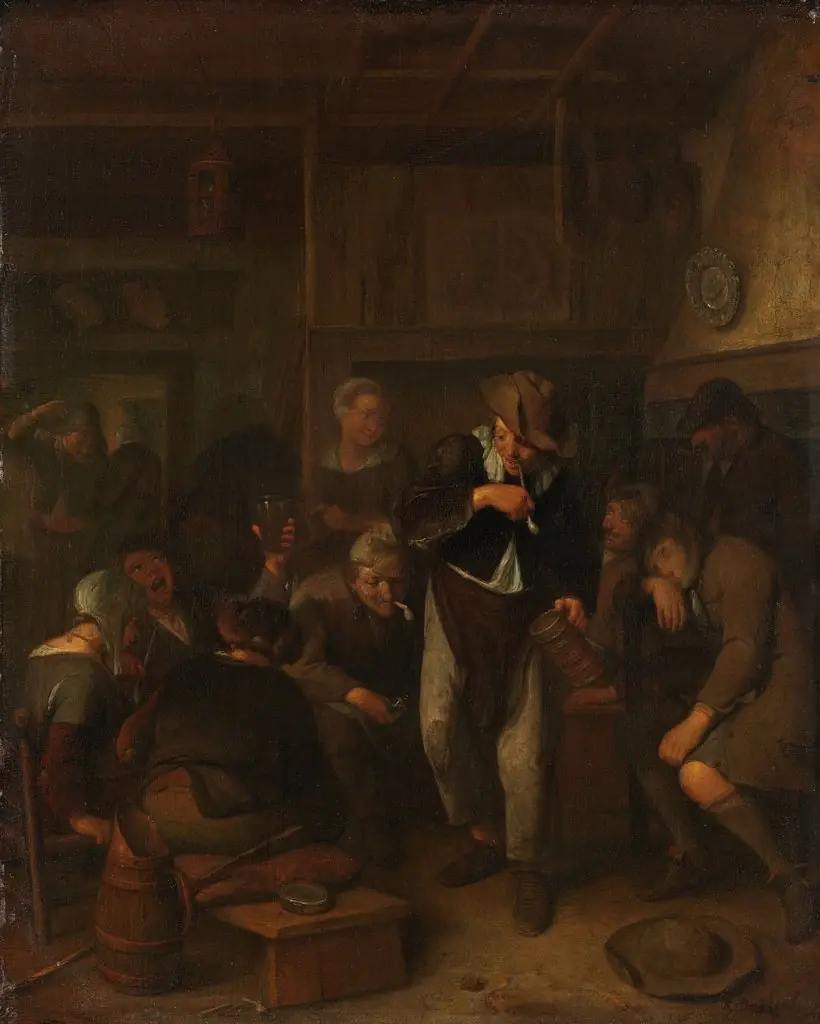
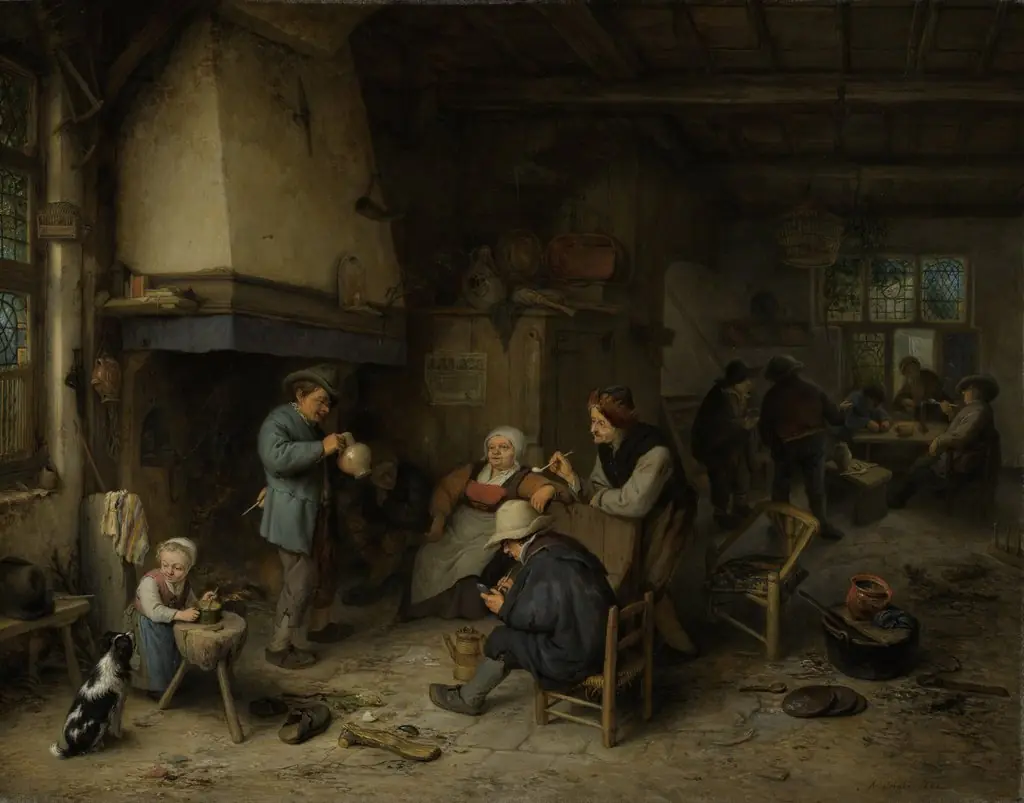
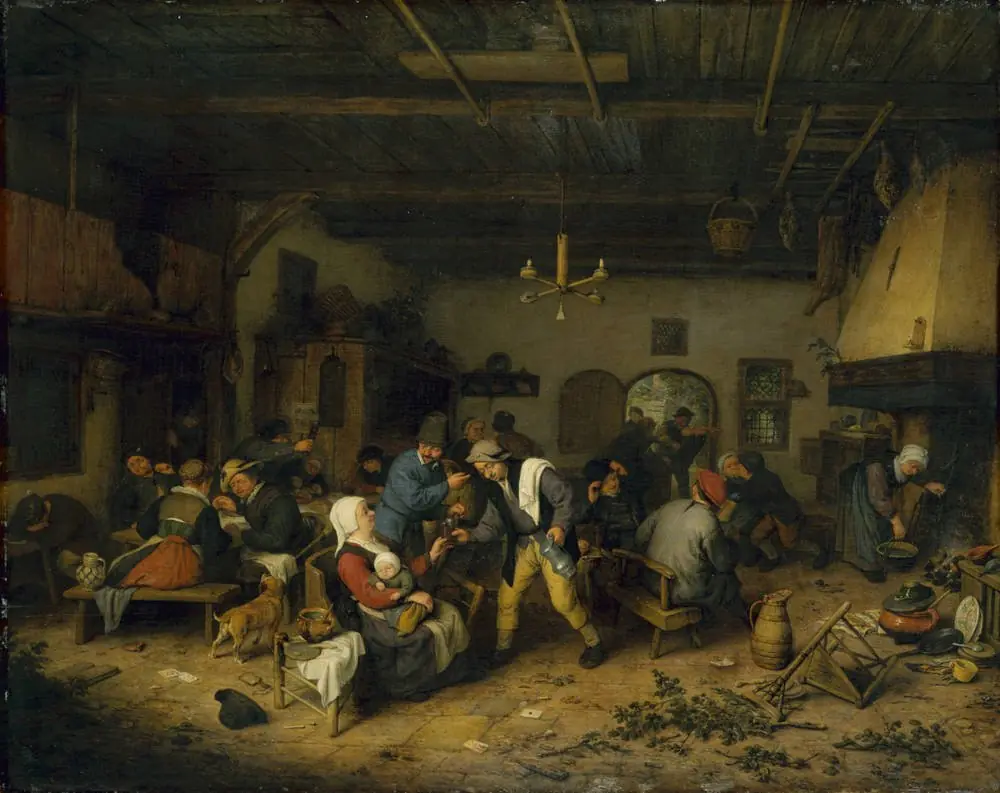
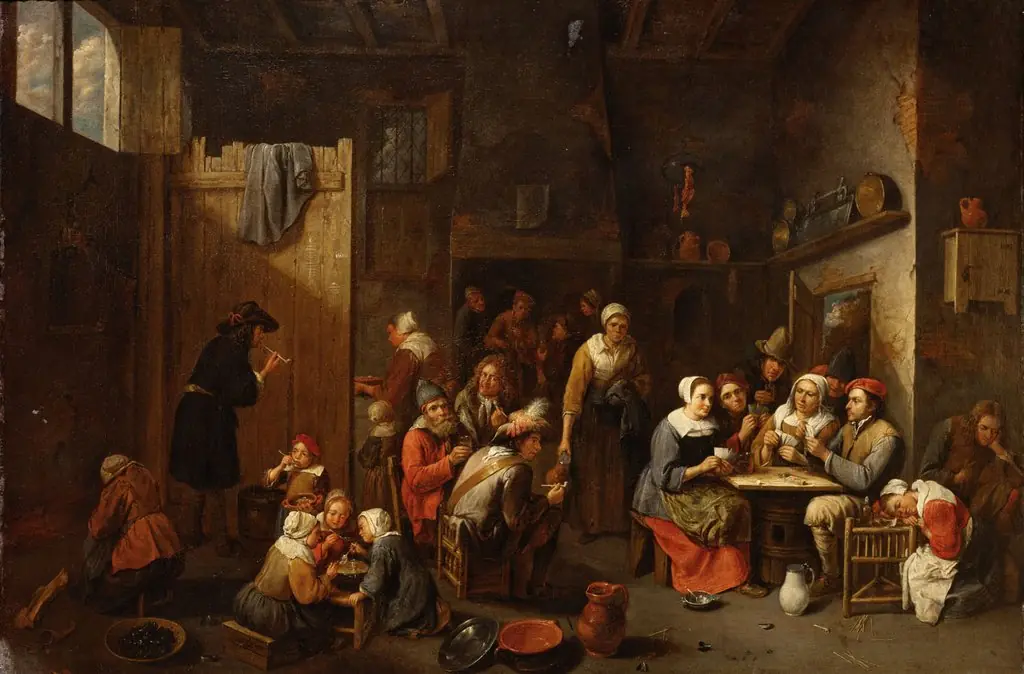
The painting portrays a mixed-age group engaged in music, conversation, and drinking within a modest interior. Children observe adults, elders lean back in contentment, and instruments lie scattered among cups and bottles. Rather than idealizing leisure, it presents unvarnished social interaction, suggesting communal joy rooted in ordinary routines rather than aristocratic spectacle.
Technique & Style
Brakenburgh employed warm, muted tones and soft chiaroscuro to unify the crowded space. Brushwork is precise yet unobtrusive, allowing individual gestures—fingers on strings, tilted cups, turned heads—to convey movement without theatricality. The composition avoids symmetry, instead relying on diagonal groupings and overlapping figures to create naturalistic depth within a confined room.
History & Provenance
Created during Brakenburgh’s mature period, the painting entered the Antwerp museum’s holdings in the 19th century, likely through acquisition or donation. Its survival through centuries reflects its appeal as a well-preserved example of Dutch genre painting. No significant alterations or reworkings are documented, preserving its original character and condition.
Context
In the Dutch Republic, genre scenes like this one appealed to middle-class patrons who valued depictions of domestic harmony and civic virtue. Unlike religious or historical subjects, these works celebrated private life, aligning with Protestant ideals of modesty and familial bonds. Brakenburgh’s work fits within a broader trend of artists documenting social rituals in urban homes.
Legacy
Though not among the most widely studied artists of the era, Brakenburgh’s *Jolly Company* contributes to the understanding of how ordinary Dutch households were visually represented. Its enduring presence in a major European collection underscores its value as a quiet, unpretentious record of social life during the waning years of the Golden Age.
Own this work as a print
Artist & collection
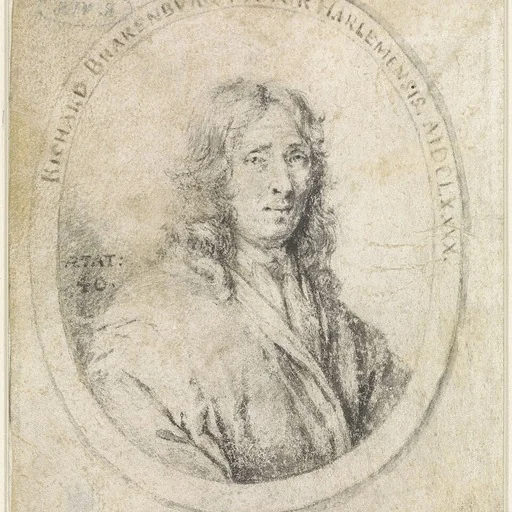
Artist
Richard Brakenburgh or Brakenburg (22 May 1650, in Haarlem – 28 December 1702, in Haarlem), was a Dutch Golden Age painter.