Artwork
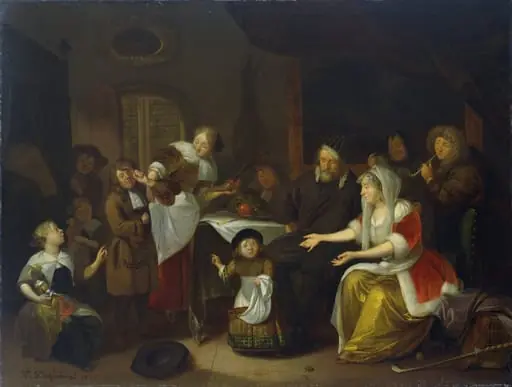
The Feast of St. Nicholas
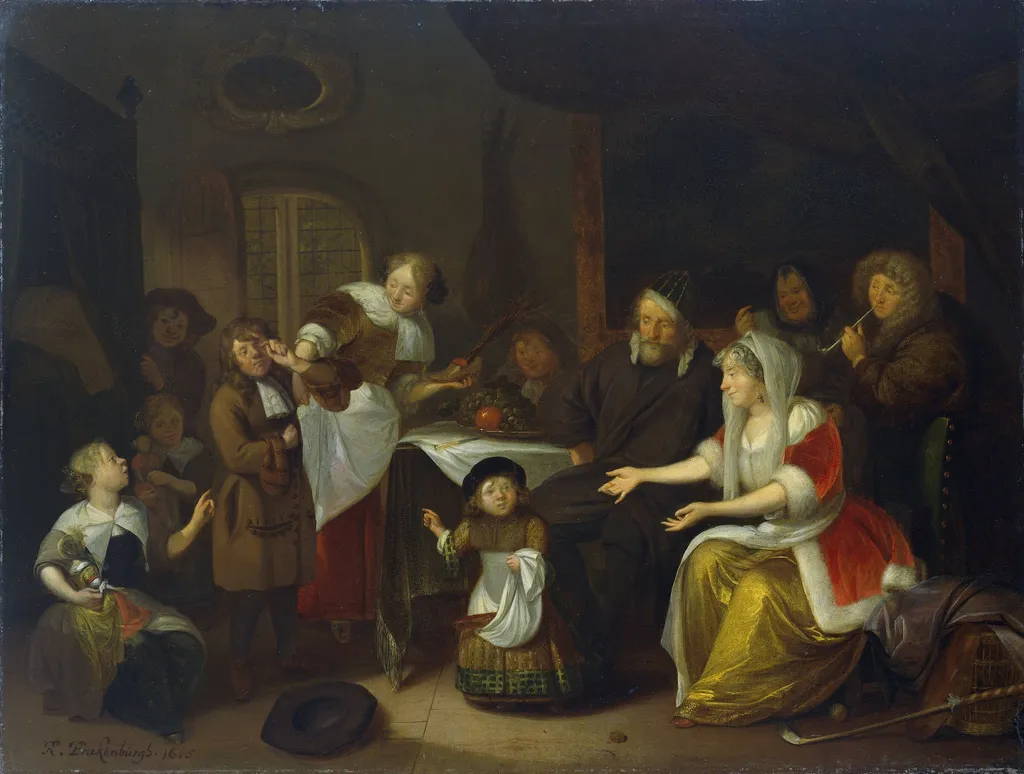
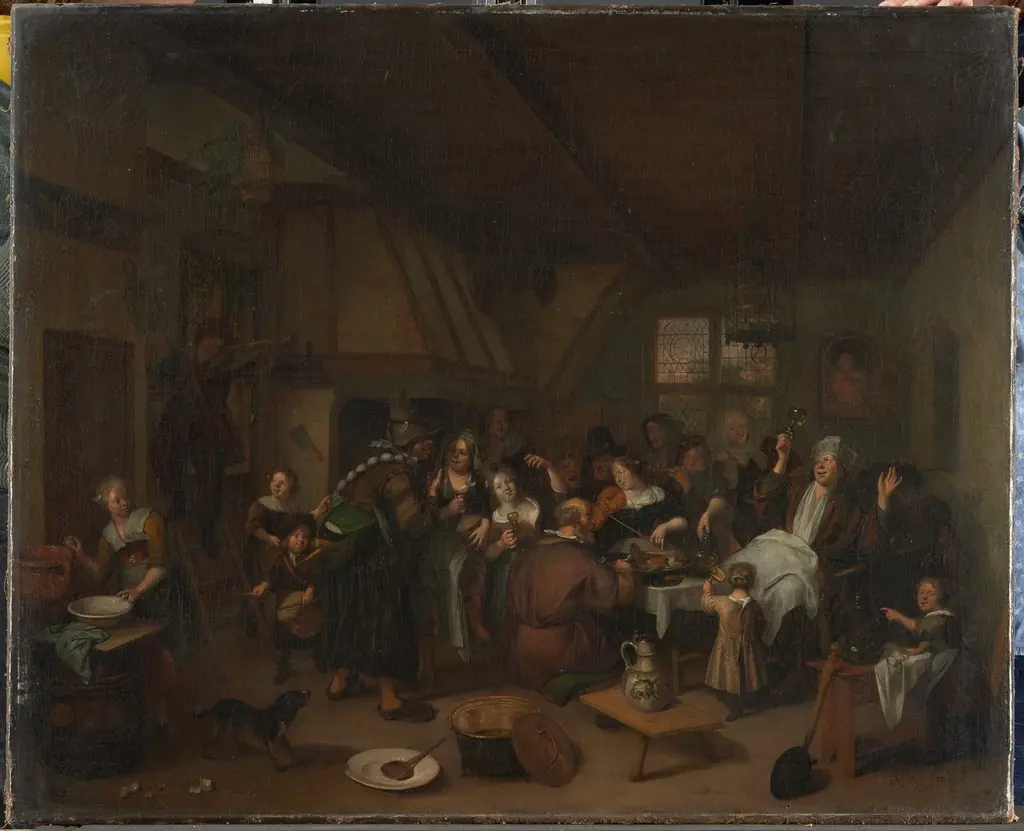
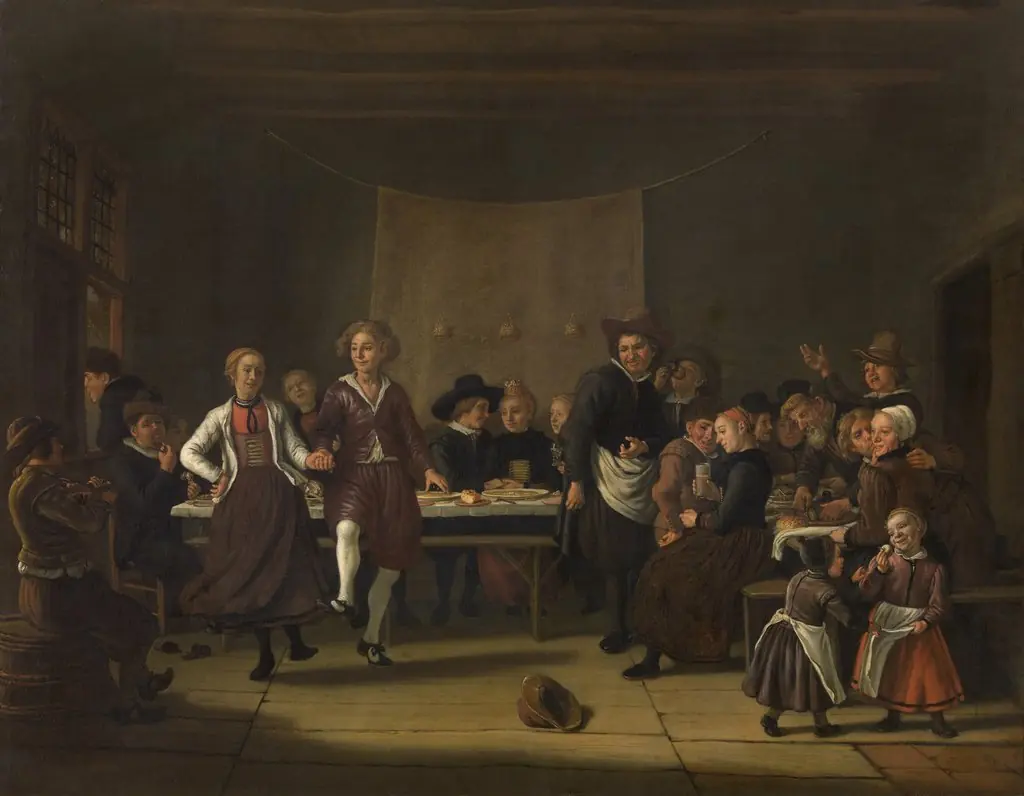
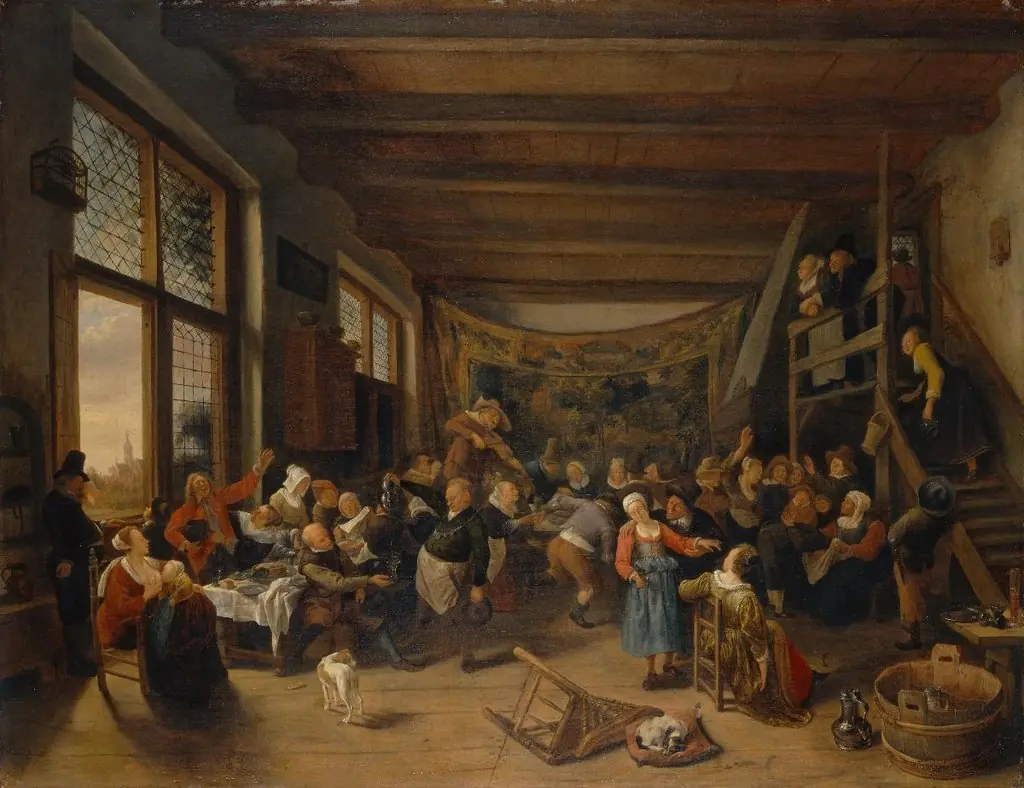
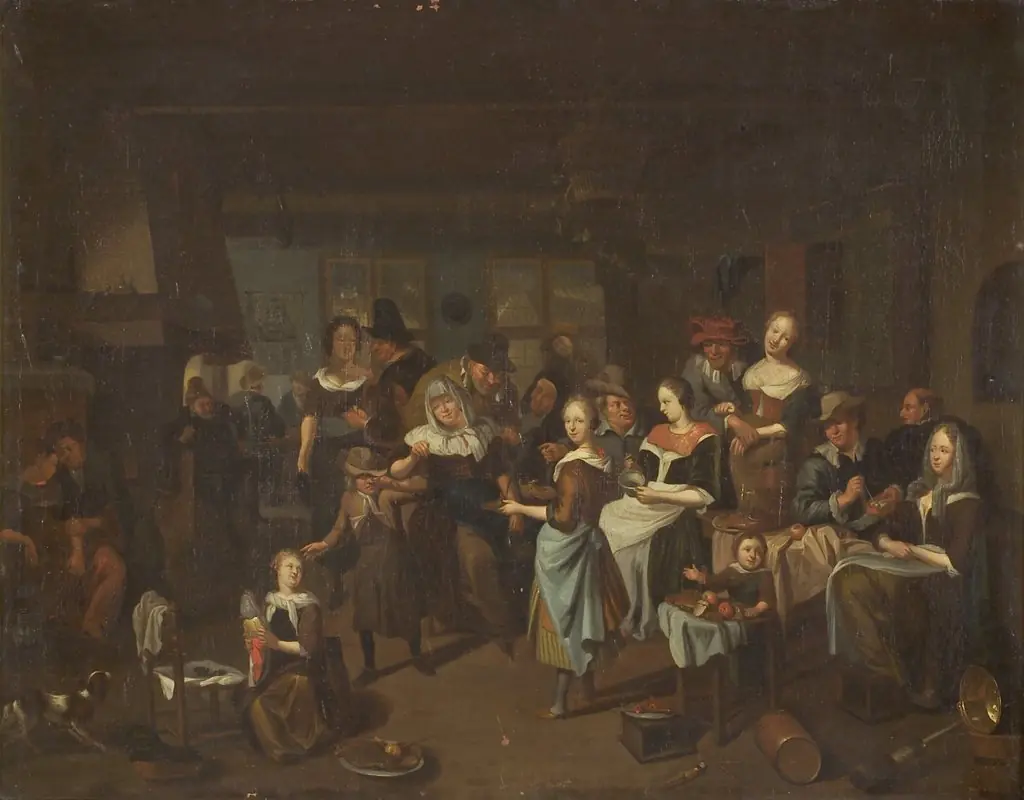
The Feast of St. Nicholas is an oil painting by the Dutch Golden Age artist Richard Brakenburgh. It dates from 1693 and is held in the collection of the Rijksmuseum.
About this work
Overview
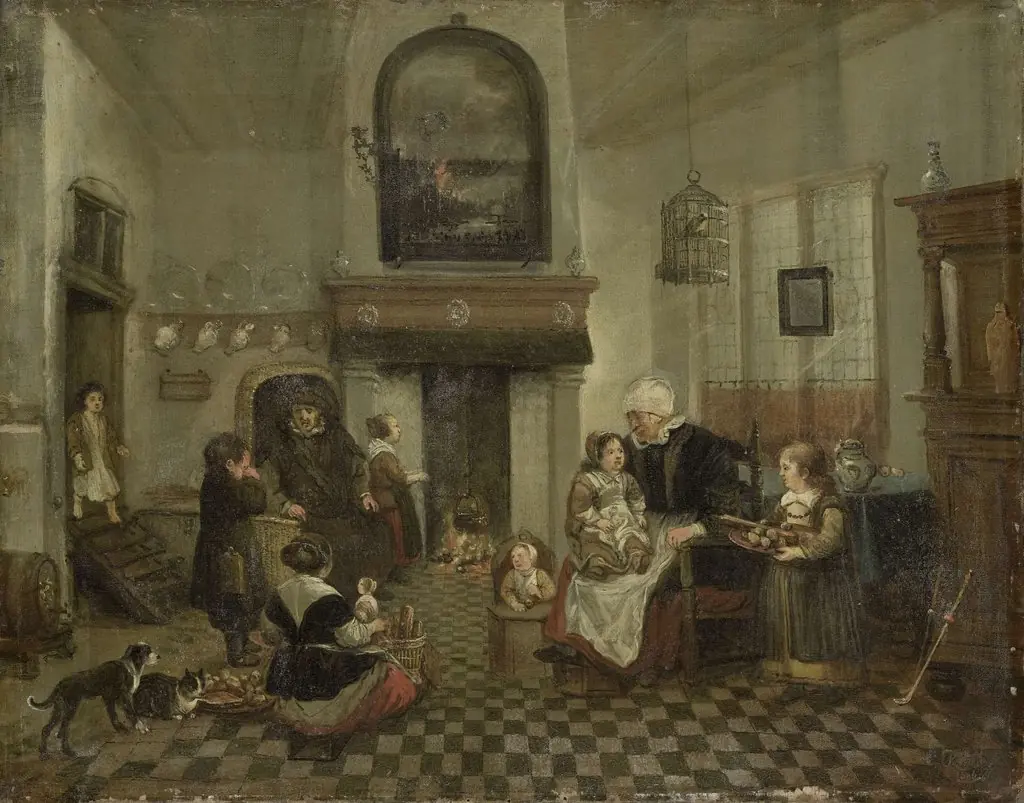
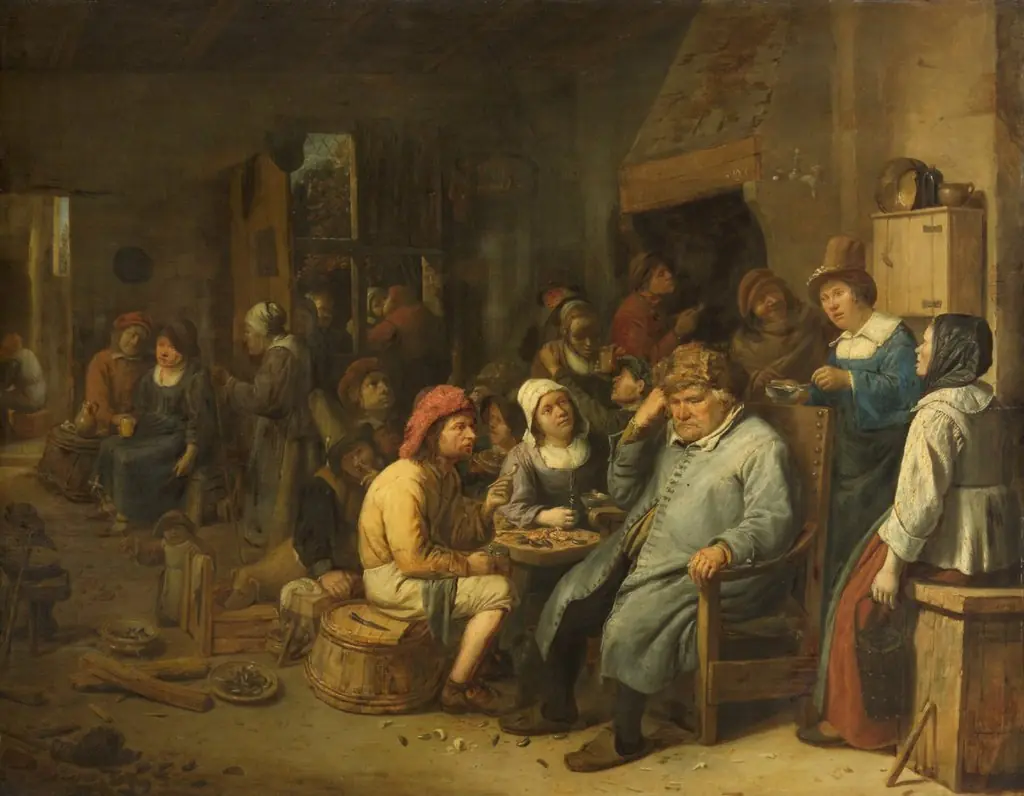
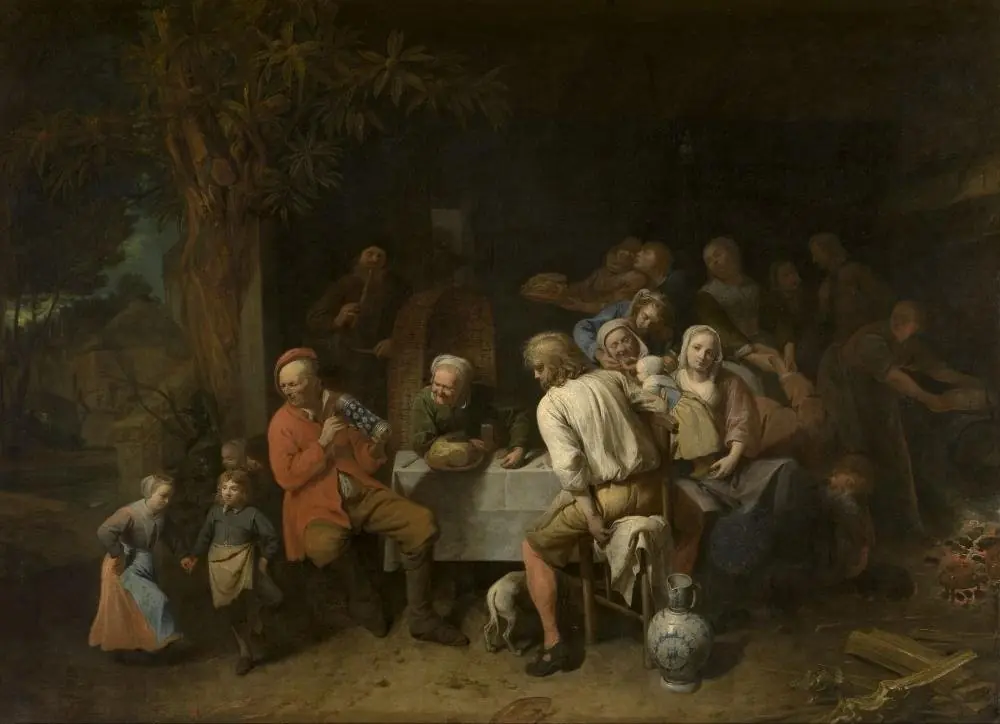
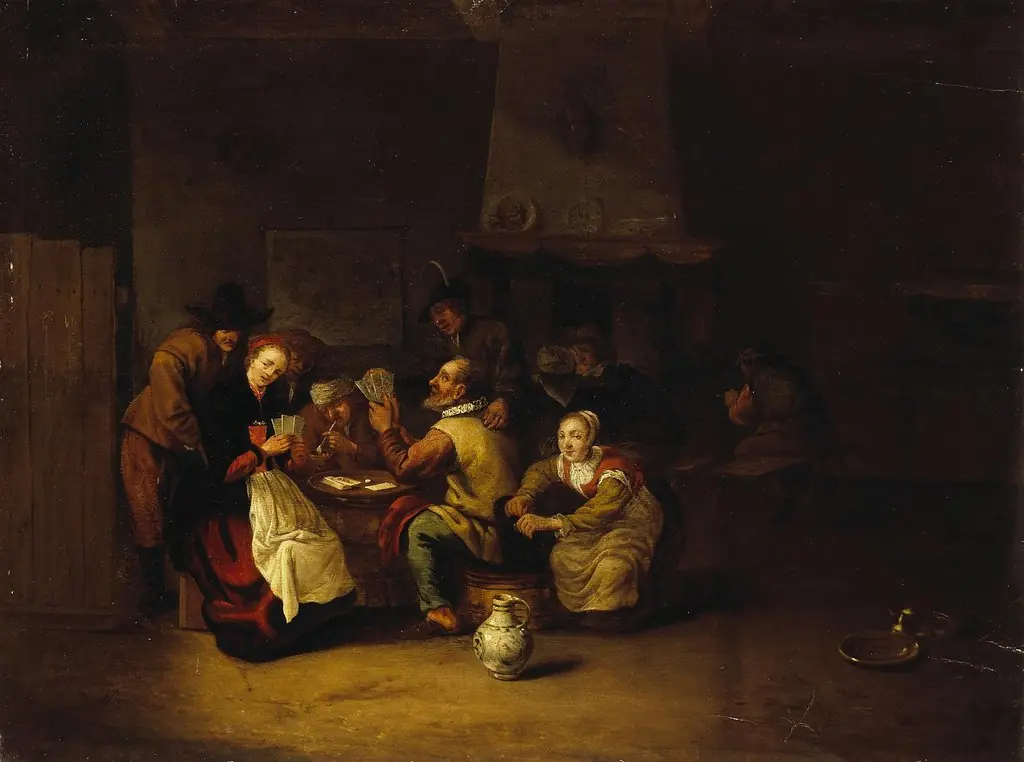
Created in 1693 by Haarlem‑born artist Richard Brakenburgh, this oil on canvas captures a domestic celebration associated with St. Nicholas. The composition centers on a warmly illuminated table surrounded by figures in 17th‑century dress, conveying a lively gathering typical of Dutch genre painting. The work is part of the Rijksmuseum’s permanent collection.
Subject & Meaning
The scene portrays a festive family occasion, likely the traditional St. Nicholas feast, where children receive gifts and adults converse. The arrangement of participants—adults seated, children at play—reflects social customs of the Dutch Republic, emphasizing communal bonds and the moral virtue of generosity during the holiday.
Technique & Style
Brakenburgh employs chiaroscuro to model forms, contrasting the bright, warm glow of the table with the cooler, shadowed interior. A restrained palette of earthy reds and muted blues creates depth, while careful handling of light defines textures of fabric and tableware, reinforcing the intimate atmosphere of the gathering.
History & Provenance
The painting remained in private Dutch collections before entering the Rijksmuseum, where it has been displayed as a representative example of late 17th‑century genre work. Its attribution to Brakenburgh has been consistently affirmed by museum scholars based on stylistic analysis and archival records.
Own this work as a print
Artist & collection
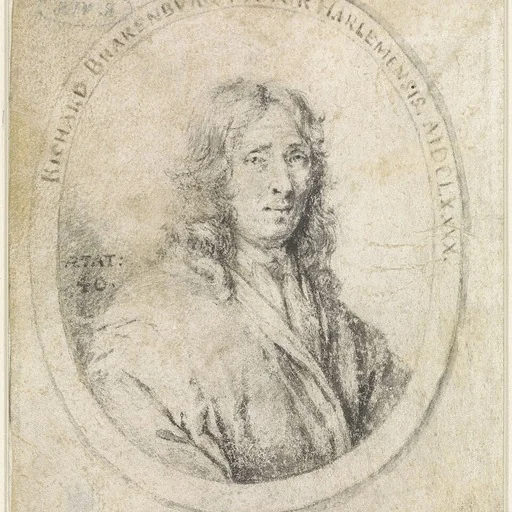
Artist
Richard Brakenburgh or Brakenburg (22 May 1650, in Haarlem – 28 December 1702, in Haarlem), was a Dutch Golden Age painter.