Artwork
Portrait of James Caulfield, 1st Earl of Charlemont (1728-1799)
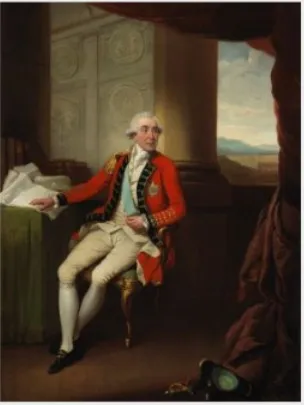
Portrait of James Caulfield, 1st Earl of Charlemont (1728-1799) is an oil painting by Richard Livesay. It dates from 1799 and is held in the collection of the National Gallery of Ireland.
About this work
Overview
Richard Livesay’s oil portrait, executed around 1799, presents James Caulfield, the first Earl of Charlemont (1728–1799). The sitter is shown seated, his posture relaxed with one leg crossed over the other, and he holds a document in his right hand. The work is part of the National Gallery of Ireland’s collection.
Subject & Meaning
The painting captures the Irish peer in the formal dress of his era: a red coat edged in black, a white waistcoat, and breeches, complemented by a powdered wig. The inclusion of a paper suggests his involvement in political or administrative affairs, while his composed demeanor conveys authority and genteel confidence.
Technique & Style
Livesay employs a restrained palette, allowing the vivid red of the coat to dominate against a muted stone wall background. The brushwork is smooth, rendering the textures of fabric and the gleam of the polished table. Light falls from a window on the right, illuminating the figure’s face and emphasizing the subtle modeling of his features.
History & Provenance
Created near the end of the Earl’s life, the portrait entered the National Gallery of Ireland, where it remains on public display. Its provenance traces back to the late 18th‑century Irish aristocratic circles, reflecting the common practice of commissioning personal likenesses to affirm status.
Context
The composition reflects the conventions of late‑Georgian portraiture, where sitters are often placed in interior settings that hint at their wealth and taste. The decorative stone wall and the view through a distant window situate the Earl within a cultivated domestic environment, aligning him with contemporary ideals of refinement.
Artist & collection

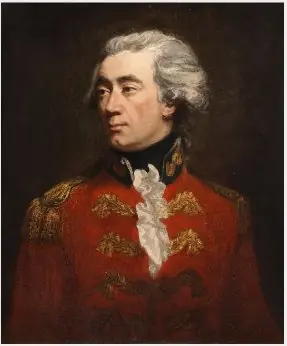 Portrait of Francis Rawdon, 2nd Earl of Moira, later 1st Marquess of Hastings (1754 - 1826)
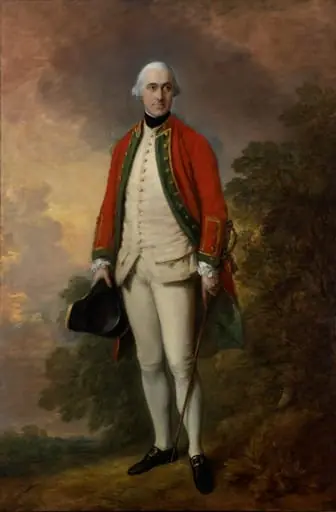 Portrait of George Pitt, First Baron Rivers
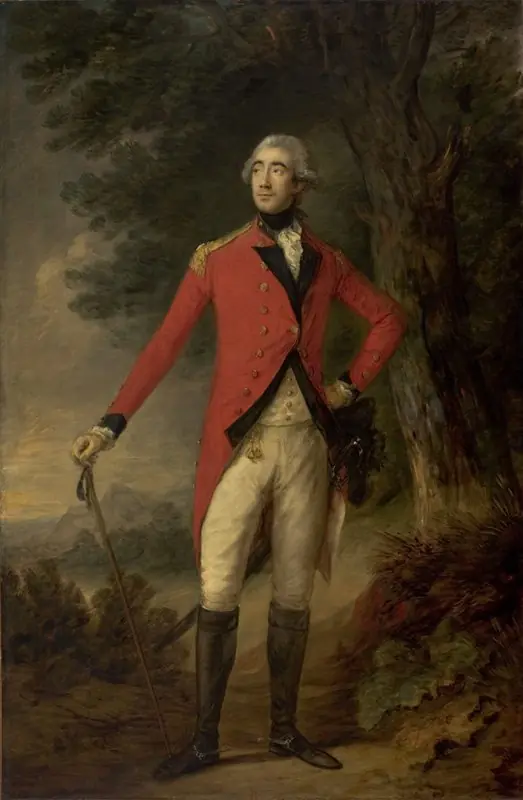 Francis Rawdon, 1st Marquess of Hasting and 2nd Earl of Moira
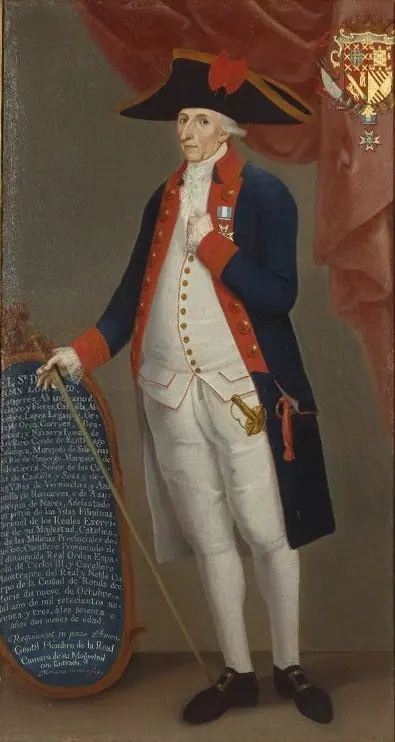 Don Juan Lorenzo Gutiérrez Altamirano de Velasco y Flores
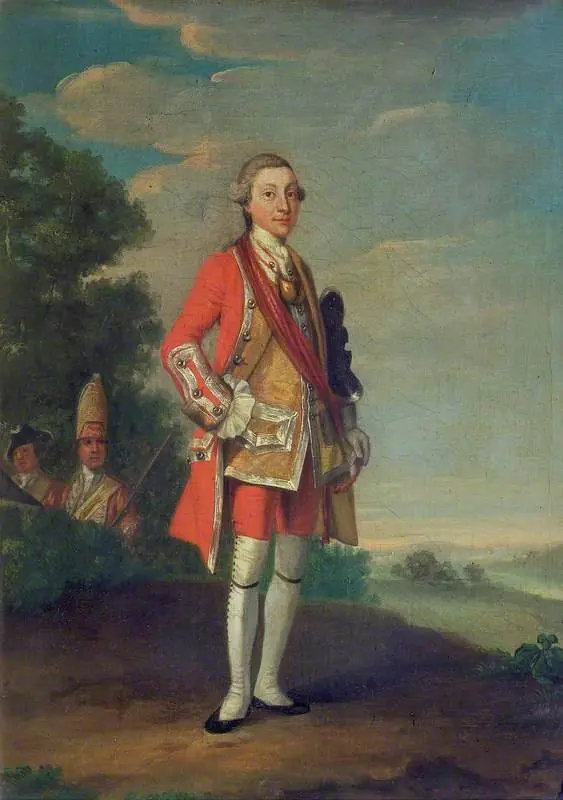 William Augustus (1721–1765), Duke of Cumberland, Son of George II
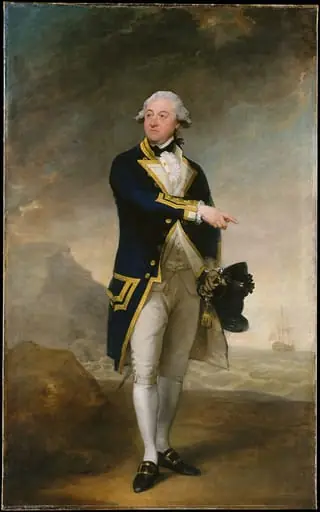 Captain John Gell
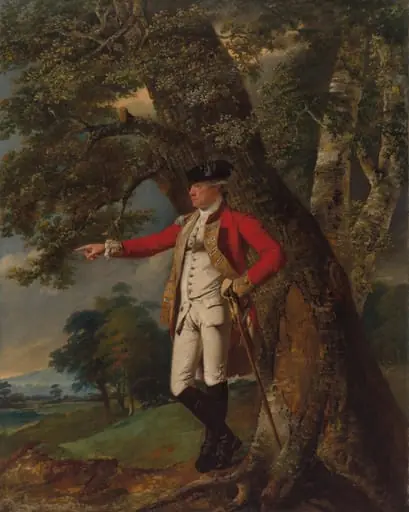 Portrait of Colonel Charles Heathcote
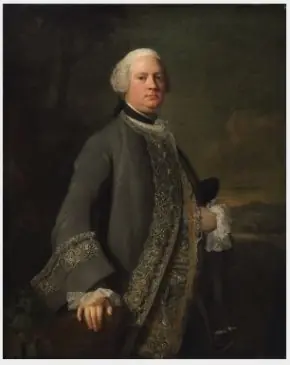 Portrait of Sir John Tyrell, Bt.
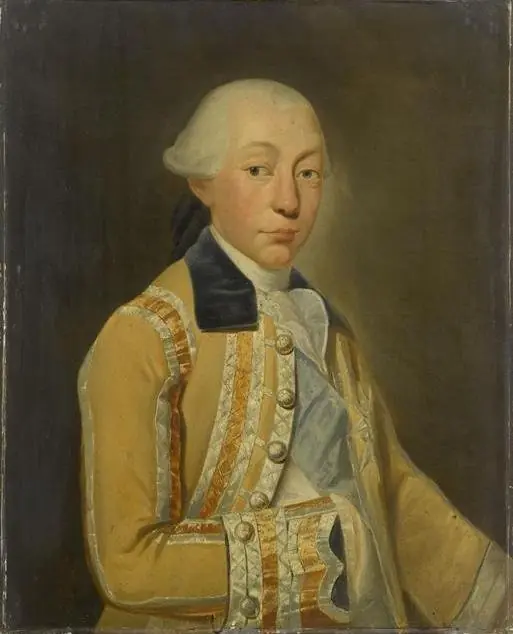 Portrait of Louis François Joseph de Bourbon, Prince of Conti in hunting costume
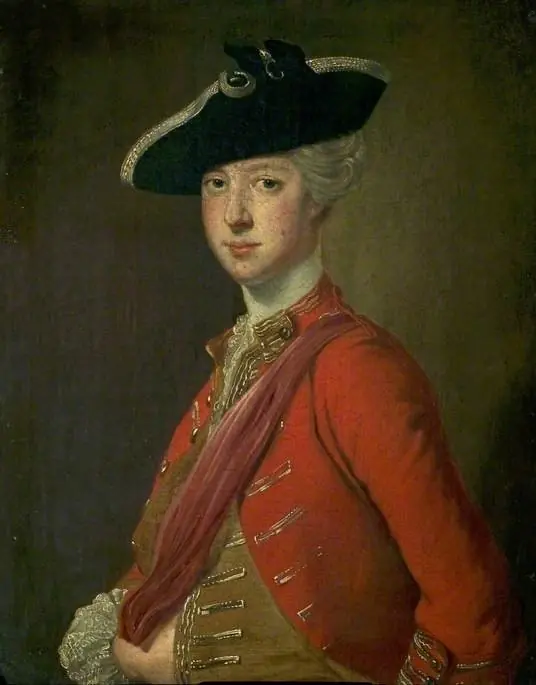 Cornet Edward Walpole (1737–1771)