Artwork
Untitled
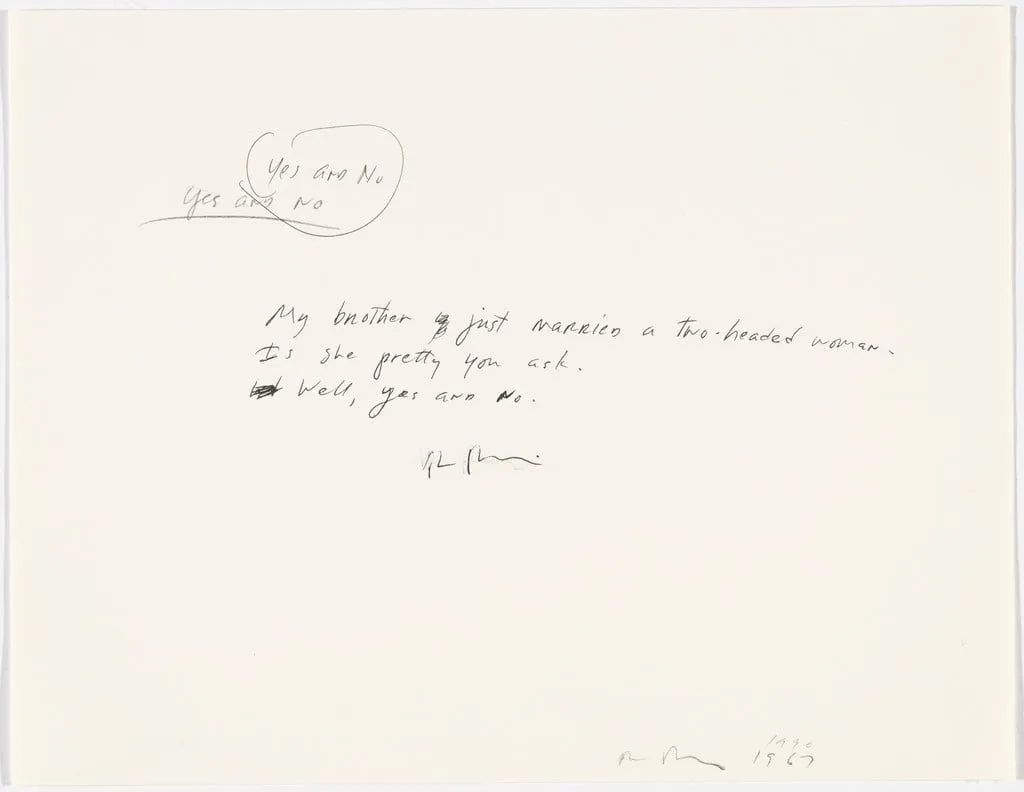
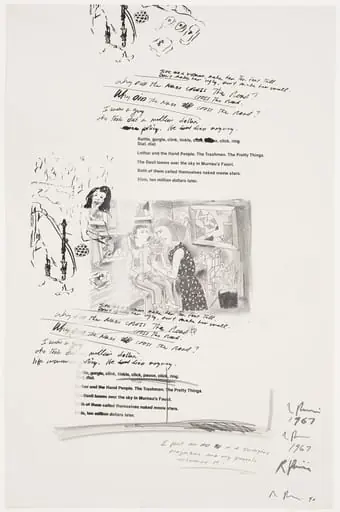
Untitled is a graphite drawing by Richard Prince. It dates from 1967 and is held in the collection of the Museum of Modern Art. This drawing, dated 1967 and signed R.
About this work
If you like this kind of playful writing, check out The Museum of Modern Art for more unusual artworks.
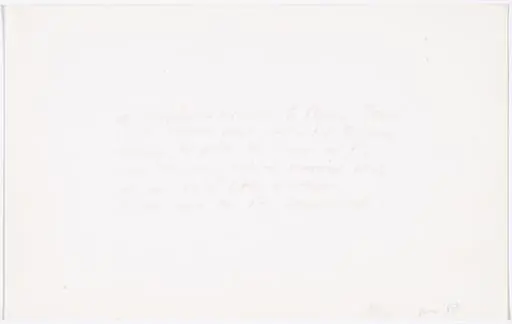
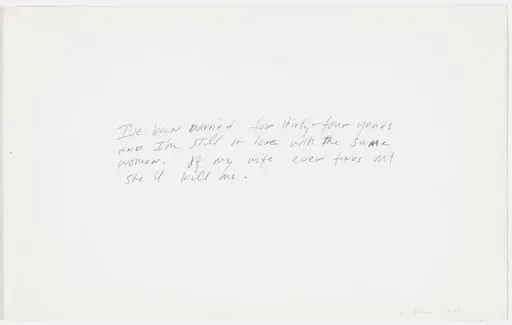
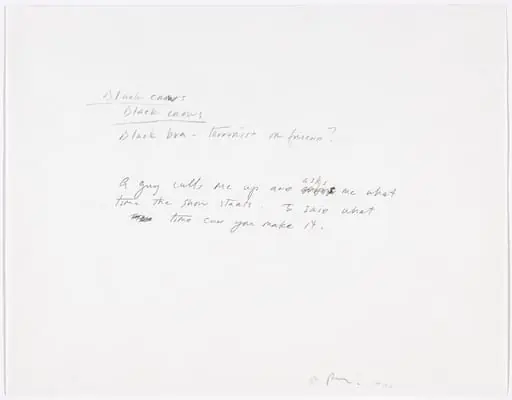
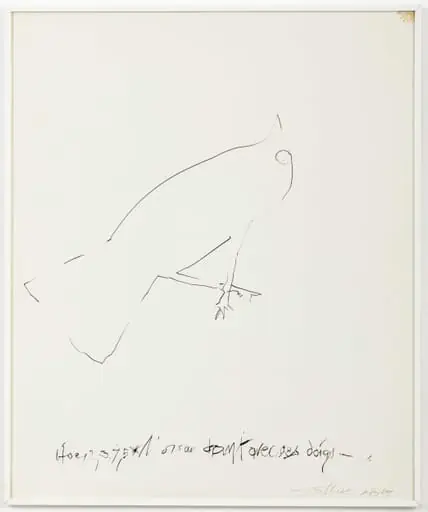
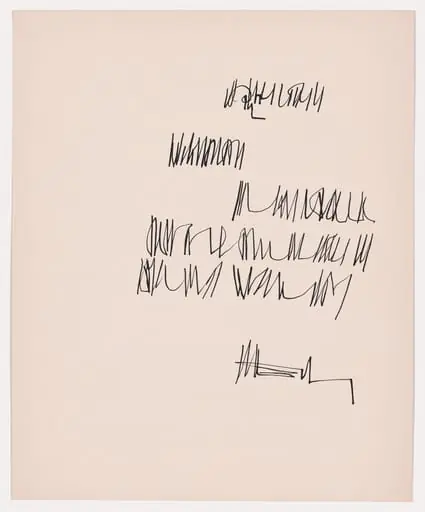
This is a simple sheet of paper with loose, uneven handwriting. The words are scribbled in pencil and ink, mostly in one corner. The message reads: *"Yes and no. Yes and no. My brother just married a two-headed woman. Is she pretty you ask. Well, yes and no."* The signature at the bottom looks like "R. Prince" with a date "1990" in the corner.
The words sound like a joke or a quick thought, not polished. The handwriting is messy but clear enough to read. The paper is plain white, with no other marks or colors.
If you like this kind of playful writing, check out The Museum of Modern Art for more unusual artworks.
Overview
This drawing, dated 1967 and signed R. Prince, is a modest sheet of paper bearing handwritten text in pencil and ink. Created early in the artist’s career, it predates his better-known photographic appropriations. The work’s simplicity—plain paper, unadorned script—contrasts with the conceptual weight of its content. It resides in the collection of The Museum of Modern Art, where it functions as a quiet precursor to Prince’s later explorations of language and cultural narrative.
Subject & Meaning
The text presents a nonsensical anecdote about a brother marrying a two-headed woman, framed by the refrain 'Yes and no.' The phrasing mimics casual conversation, blending absurdity with deadpan ambiguity. Rather than delivering a punchline, it invites hesitation and reflection, echoing themes of perception and contradiction that recur in Prince’s later work. The joke resists resolution, turning humor into a meditation on how meaning is constructed—and destabilized—through language.
Technique & Style
Executed in loose pencil and ink, the handwriting appears spontaneous, unpolished, and deliberately unrefined. The script clusters in one corner, leaving the rest of the paper bare. There is no attempt at calligraphic control or compositional balance. This rawness aligns with the artist’s interest in unmediated expression, rejecting traditional artistic refinement in favor of immediacy. The medium’s simplicity underscores the work’s conceptual focus over formal execution.
History & Provenance
Though dated 1967, the signature includes a later annotation—'1990'—suggesting the work was revisited or reattributed decades after its creation. This discrepancy raises questions about authorship, timing, and the artist’s evolving relationship with early material. The drawing entered The Museum of Modern Art’s collection as part of a broader reassessment of Prince’s early practice, where handwritten fragments were recognized as foundational to his conceptual approach.
Context
Created before Prince’s rise in the East Village art scene, this piece reflects an experimental phase where text and personal anecdote served as artistic material. It anticipates his later use of found language and cultural clichés, but here the source is internal rather than borrowed from media. In the late 1960s, such unassuming works challenged prevailing notions of what constituted art, positioning everyday speech as a legitimate subject for contemplation.
Legacy
Though minor in scale, this drawing illustrates Prince’s early commitment to interrogating narrative, identity, and authorship through language. Its presence in a major museum signals a shift in how conceptual art is valued—not for technical mastery, but for the ideas embedded in gesture and phrase. It remains a quiet touchstone for artists exploring the boundaries between joke, confession, and art.
Artist & collection
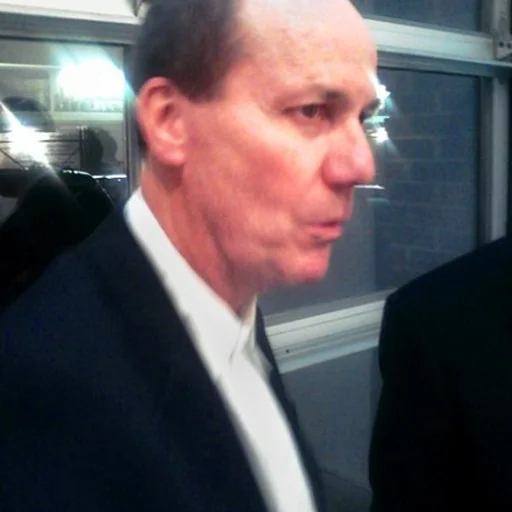
Artist
Richard Prince (born August 6, 1949) is an American conceptual artist and pop artist who rose to prominence in the 1980s in the East Village, Manhattan.