Artwork
Margate Pier
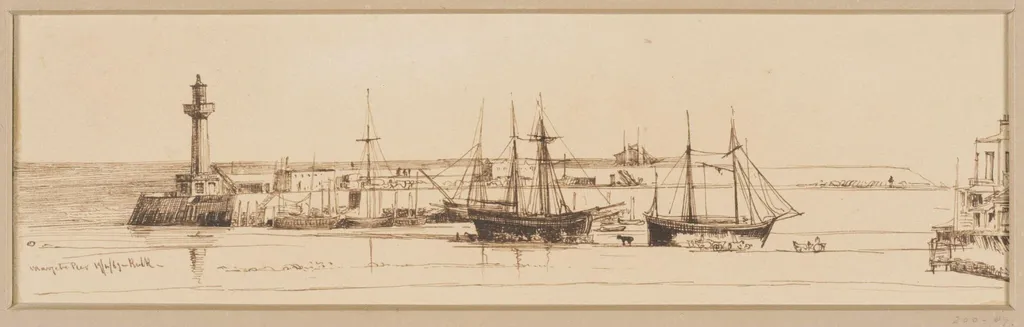
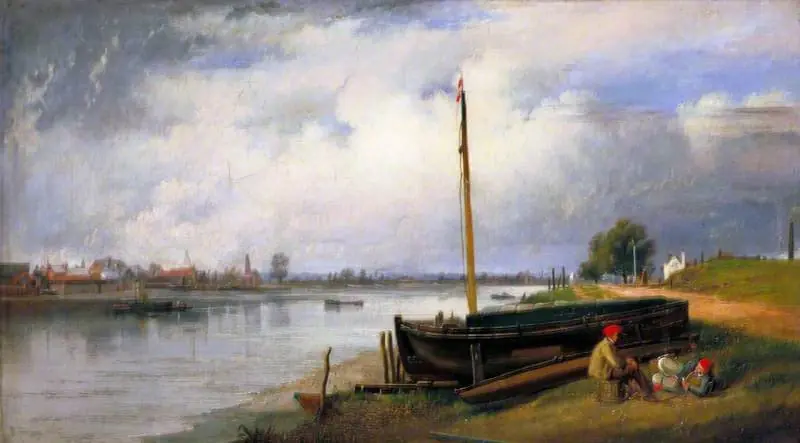
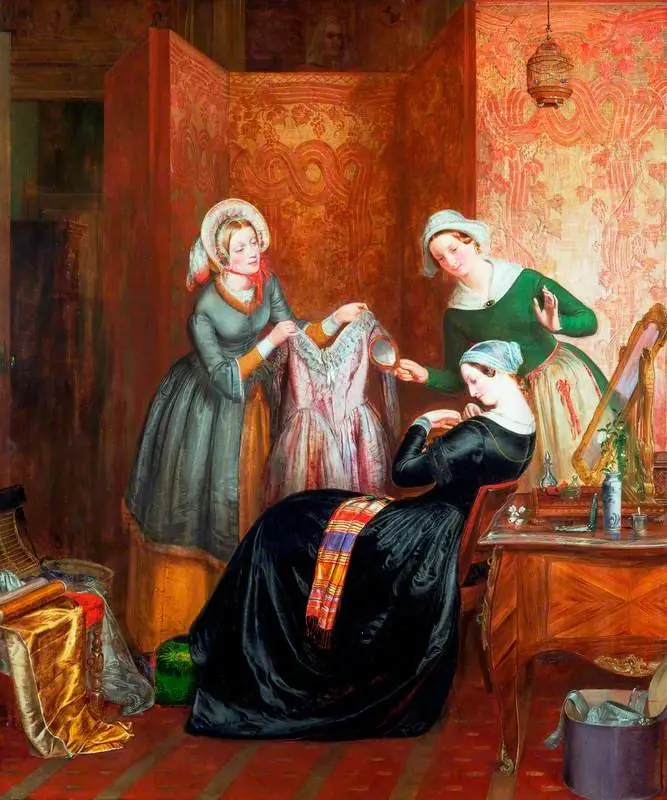
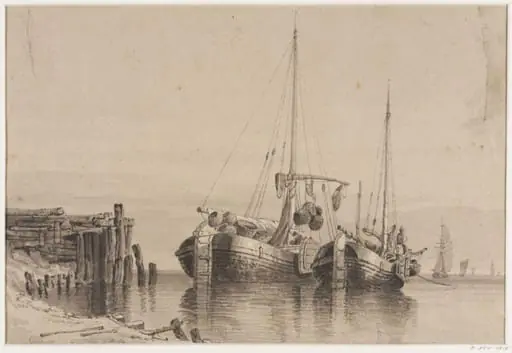
Margate Pier is a drawing by the Impressionist artist Richard Redgrave. It dates from 1869 and is held in the collection of the Victoria and Albert Museum.
About this work
Overview
The work is inscribed with its title and date, confirming its status as a deliberate, dated record rather than a casual note.
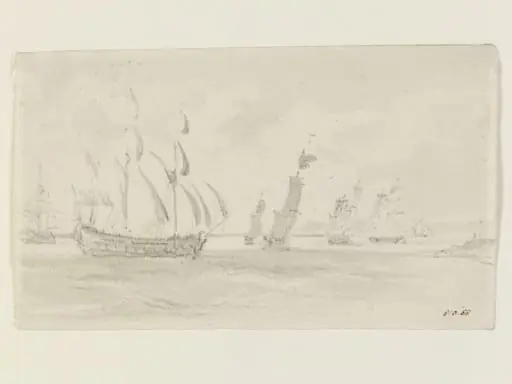
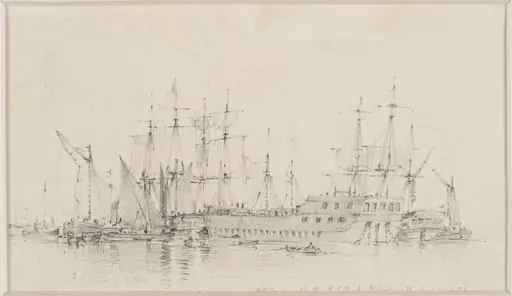
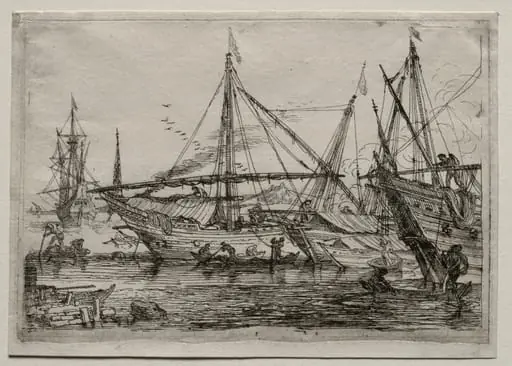
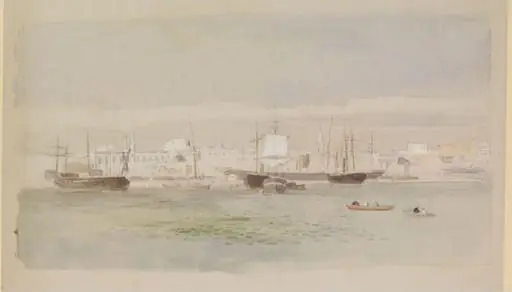
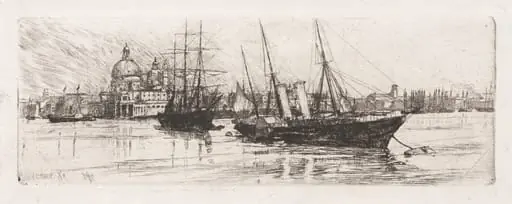
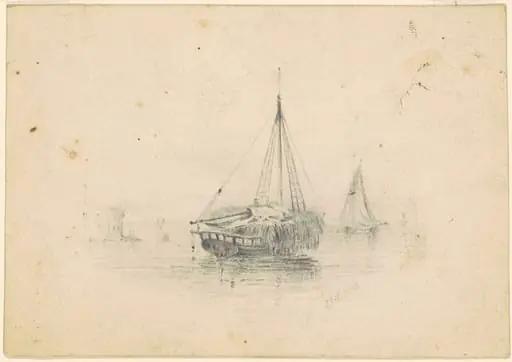
Created in 1869, this pen-and-ink drawing by Richard Redgrave captures a quiet moment at Margate Pier. The work is inscribed with its title and date, confirming its status as a deliberate, dated record rather than a casual note. Rendered with fluid, economical lines, it presents a harbor scene dominated by three large sailing vessels, a coastal lighthouse, and a line of shorefront structures, all rendered in a loose, observational manner.
Subject & Meaning
The scene depicts a working maritime harbor at rest, with ships anchored near the pier and no signs of activity. The lighthouse, positioned on a submerged platform, serves as a fixed landmark amid the motion implied by the waves. The absence of figures or movement suggests a contemplative pause, perhaps reflecting the artist’s interest in the quiet rhythms of coastal life rather than its bustle.
Technique & Style
Redgrave employed fine pen lines to suggest texture and form, using rapid, wavy strokes for water and dense cross-hatching for shadows on the ships and buildings. The drawing’s sketchlike quality—minimal detail, open spaces, and unrefined edges—indicates it was made quickly on site. The focus on line over tone creates a sense of immediacy, characteristic of observational studies rather than finished compositions.
History & Provenance
The drawing is part of Redgrave’s body of travel sketches, made during his visits to coastal England. It was likely produced during a period when he was documenting landscapes for personal study or as preparatory material. Its inscription and preservation suggest it was retained by the artist or his circle, later entering institutional collections where it remains as a record of 19th-century British coastal observation.
Context
In the late 1860s, British artists increasingly turned to coastal subjects as rail travel made seaside towns accessible. Redgrave, a Royal Academy figure, engaged with such scenes not as tourist views but as studies in light, structure, and atmosphere. This drawing aligns with a broader trend of topographical sketches made by artists seeking authenticity beyond studio conventions.
Legacy
The drawing exemplifies the value of informal, on-site work in 19th-century British art. While not intended for public display, it offers insight into Redgrave’s process and the visual language of observational drawing. Its preservation highlights how such sketches contributed to the development of landscape representation, influencing later generations interested in direct recording of environment.
Artist & collection
Artist
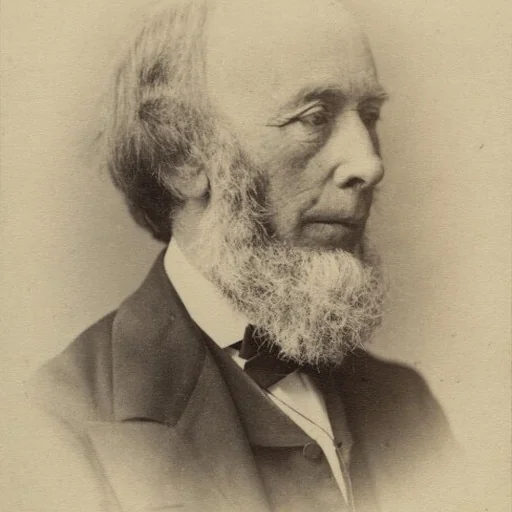
Richard Redgrave was an English landscape artist, genre painter, author, and administrator.