Artwork
Driftwood after a Storm, Bettws-y-Coed
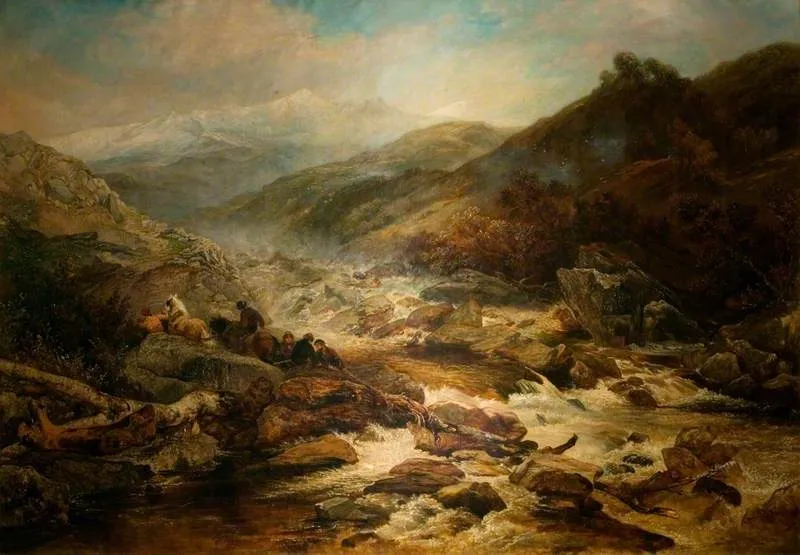
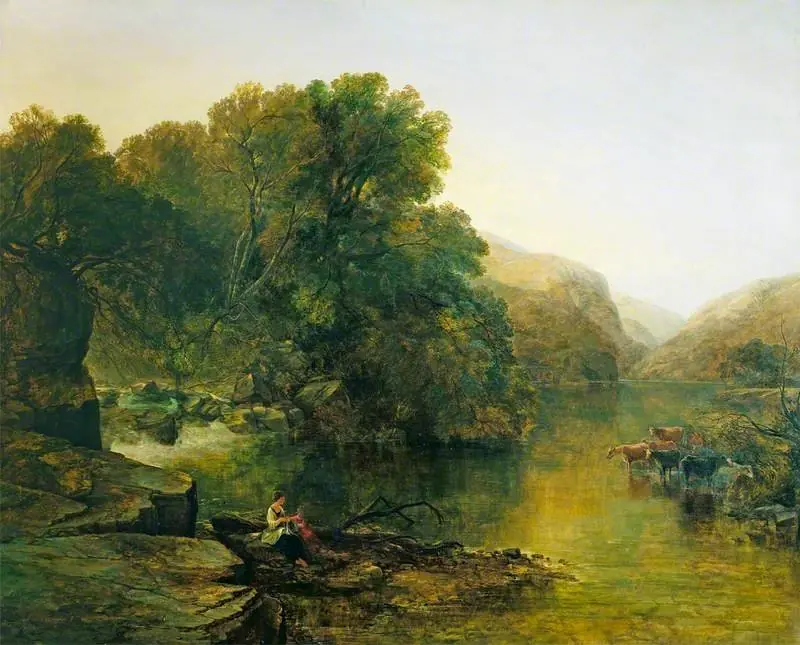
Driftwood after a Storm, Bettws-y-Coed is an oil painting by the British Romanticist artist Richard Sebastian Bond. It dates from 1870 and is held in the collection of the Victoria and Albert Museum.
About this work
Overview
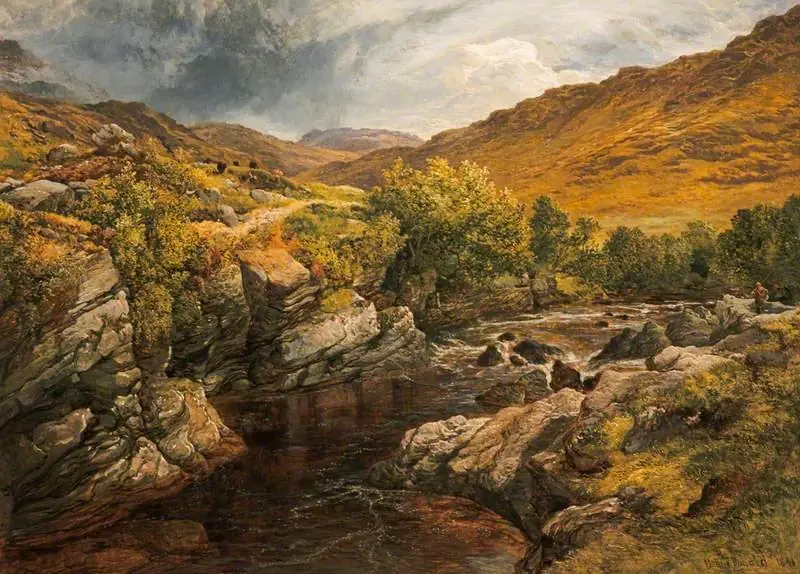
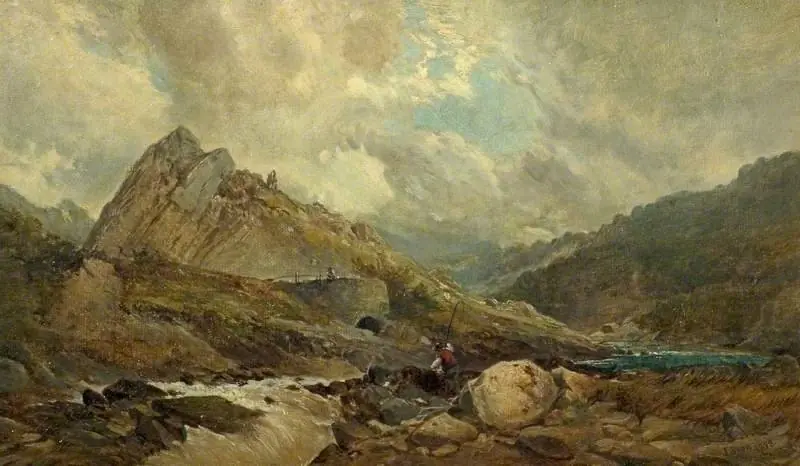
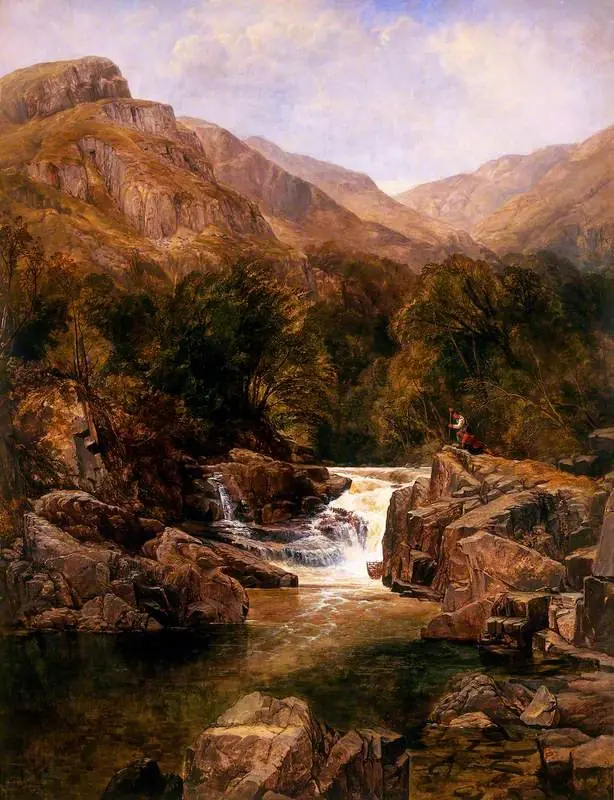
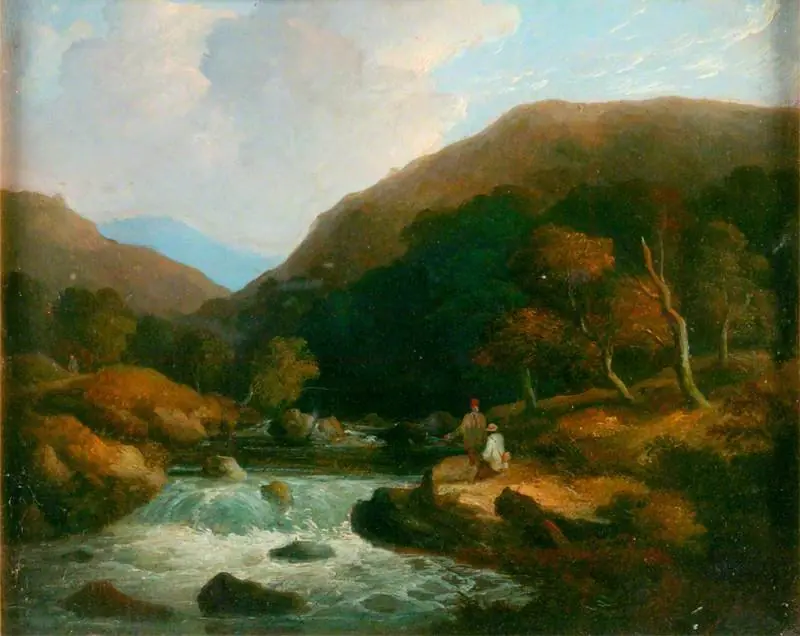
Painted in 1870 by Richard Sebastian Bond, Driftwood after a Storm, Bettws-y-Coed is an oil-on-canvas landscape capturing a quiet Welsh valley after rainfall.
Painted in 1870 by Richard Sebastian Bond, Driftwood after a Storm, Bettws-y-Coed is an oil-on-canvas landscape capturing a quiet Welsh valley after rainfall. The work is part of the Victoria and Albert Museum’s collection, where it is displayed as an example of 19th-century British naturalism. Its composition centers on a gently flowing stream, flanked by weathered wood and stone, evoking the aftermath of inclement weather without overt drama.
Subject & Meaning
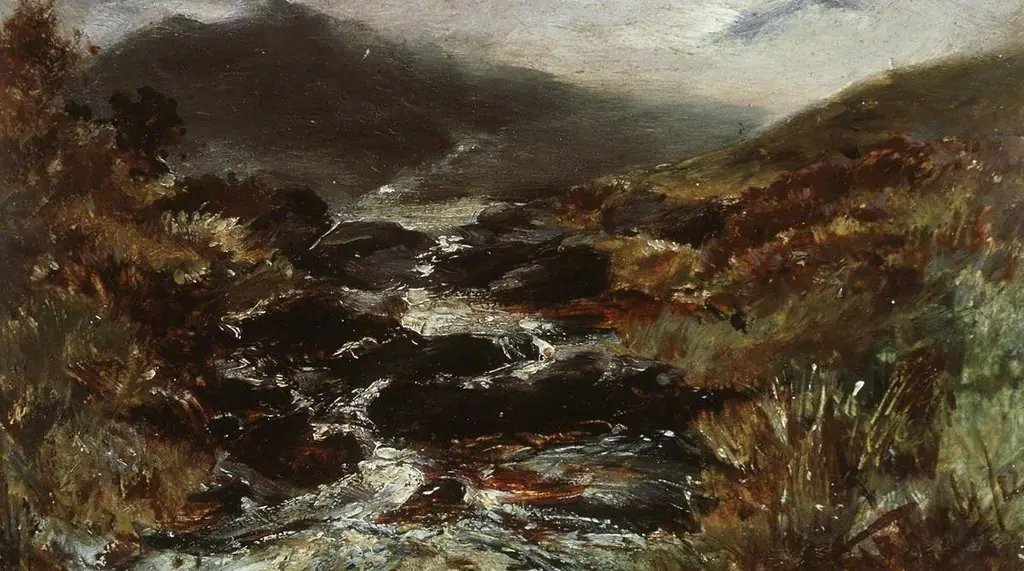
The painting portrays the aftermath of a storm in the Bettws-y-Coed region of North Wales, focusing on natural debris—driftwood and scattered rocks—resting along a streambed. Rather than emphasizing destruction, the scene conveys renewal and stillness. The absence of human figures and the quiet arrangement of elements suggest a contemplative relationship between nature and time, reflecting Victorian-era ideals of landscape as moral and emotional refuge.
Technique & Style
Bond employed visible brushwork and layered pigment to suggest texture in the wet stones, rough bark, and rippling water. Subtle variations in hue and soft transitions between light and shadow create atmospheric depth. While not heavily impastoed, the paint is applied with deliberate tactility, particularly in the foreground elements, enhancing the tactile presence of the scene without resorting to dramatic contrast or theatrical lighting.
History & Provenance
The painting was completed in 1870 and entered the Victoria and Albert Museum’s collection in the late 19th century, likely through acquisition or donation. Its provenance remains largely undocumented beyond institutional records, but its inclusion in the museum’s permanent holdings indicates early recognition of its quiet observational quality within the broader context of British landscape painting of the period.
Context
Created during a time when British artists increasingly turned to rural Wales for its unspoiled scenery, the work aligns with a broader trend of topographical realism. Unlike the sublime landscapes of earlier Romantic painters, Bond’s approach favors intimacy over grandeur. His focus on post-storm tranquility reflects contemporary interest in nature’s quiet rhythms, influenced by both scientific observation and the growing popularity of plein air practices.
Legacy
Though not widely reproduced or celebrated in major art historical narratives, Driftwood after a Storm, Bettws-y-Coed remains a representative example of modest, observant landscape painting from the late Victorian era. It contributes to the understanding of how lesser-known artists engaged with naturalism, offering a counterpoint to more dramatic or idealized depictions of the British countryside.
Artist & collection