Artwork
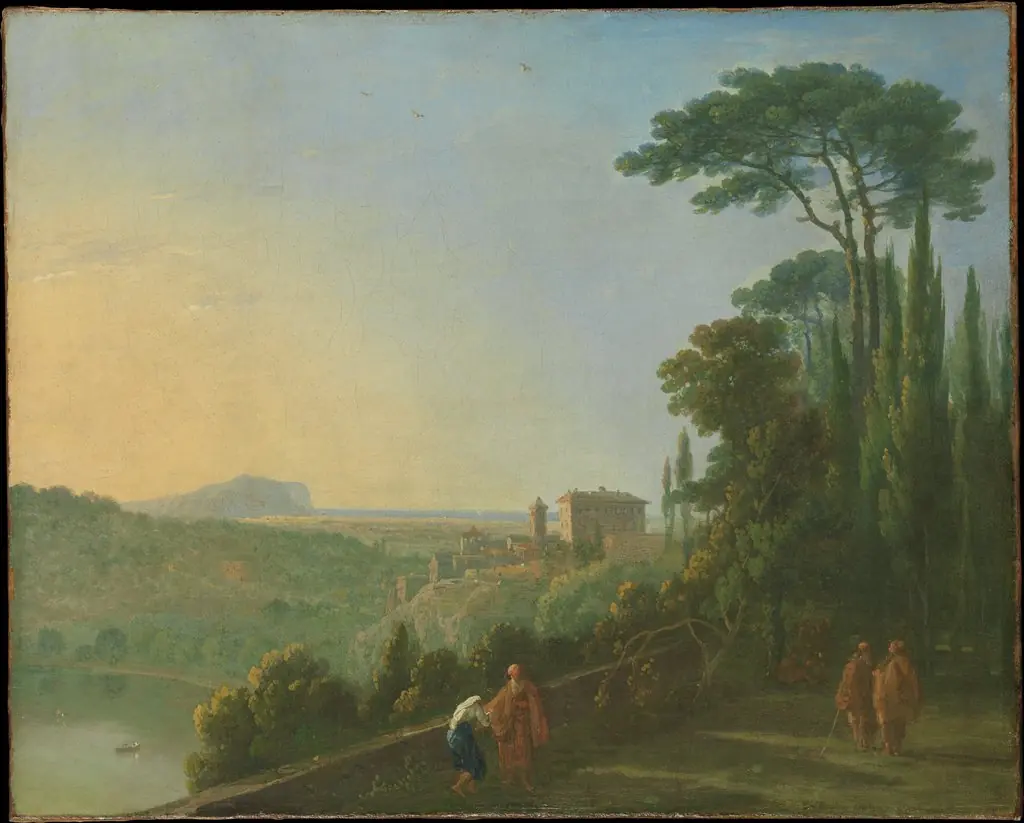
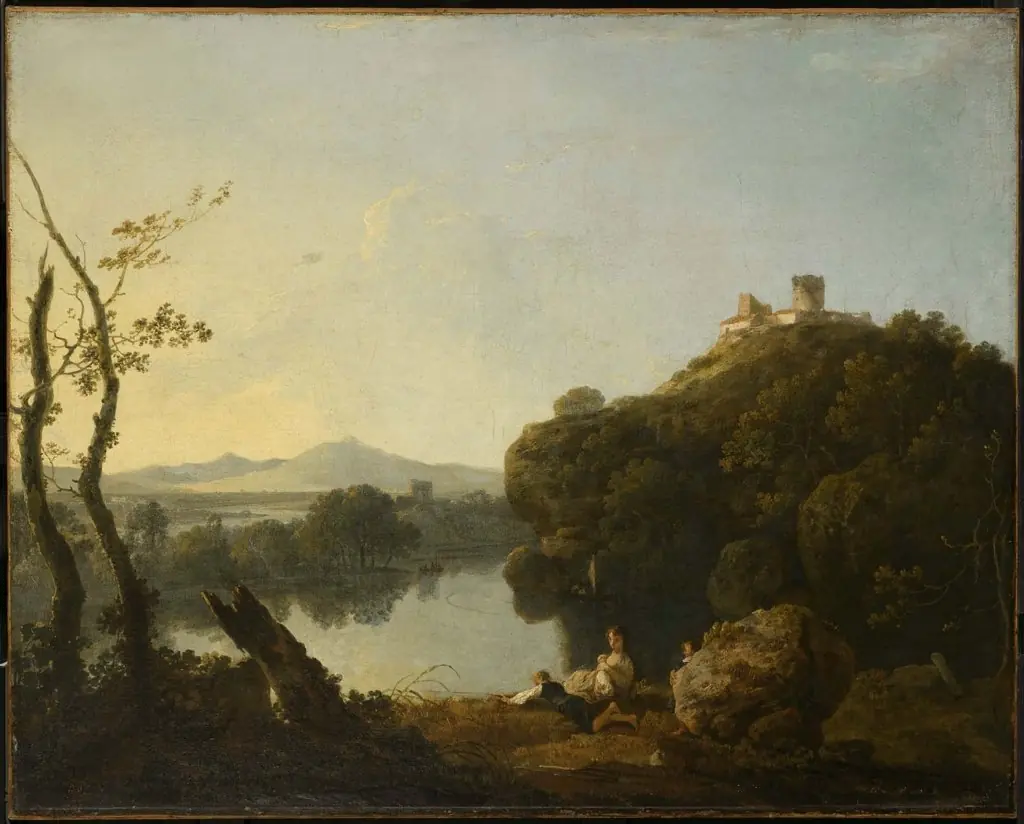
Cicero and his two Friends, Atticus and Quintus, at his Villa at Arpinum
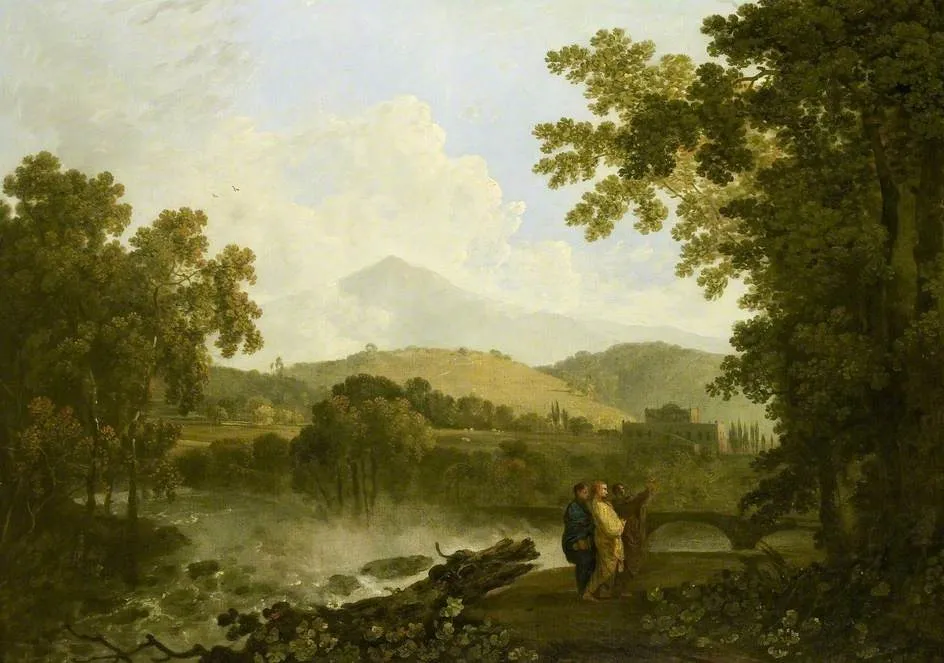
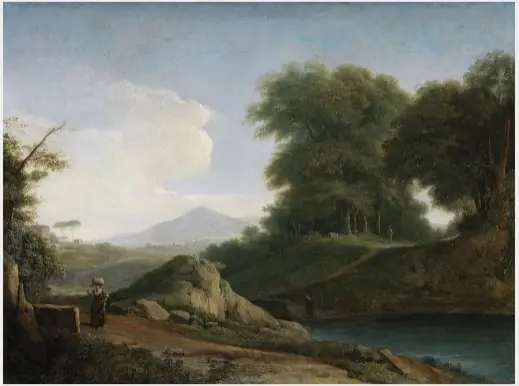
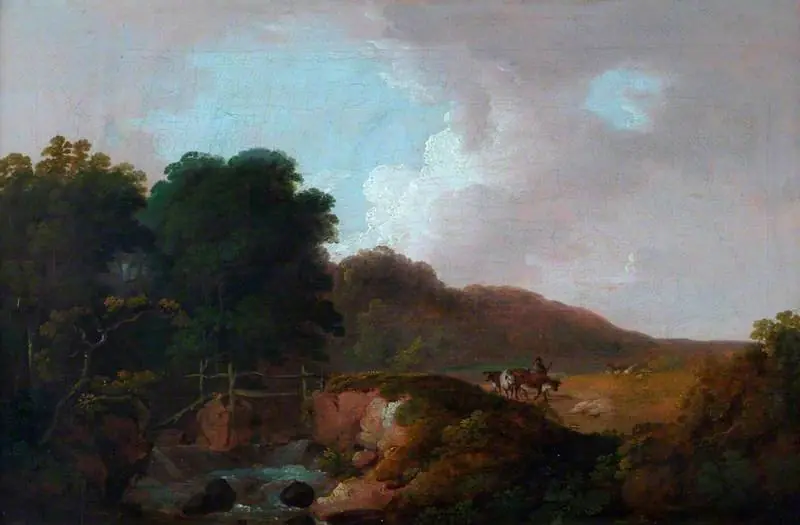
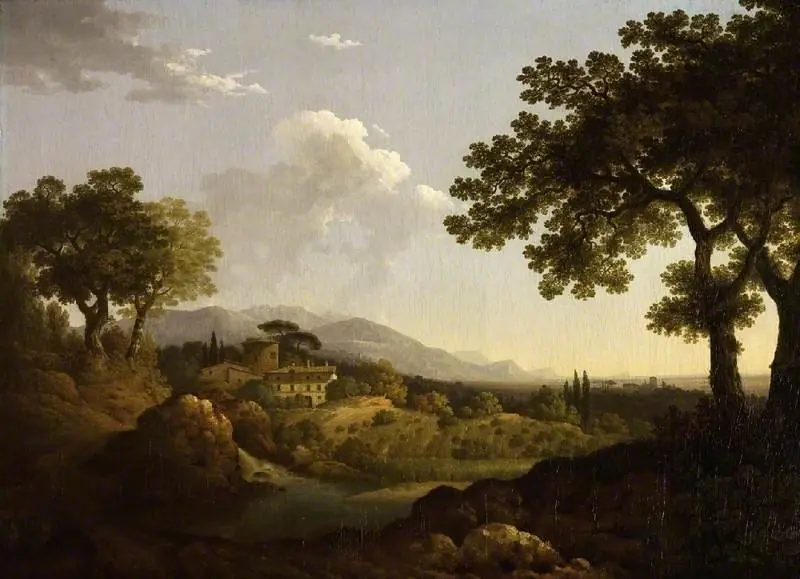
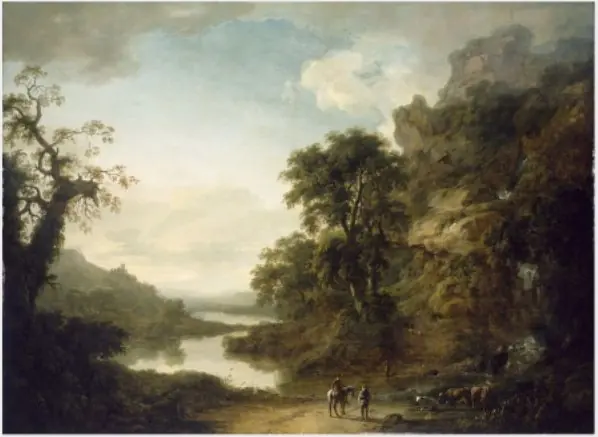
Cicero and his two Friends, Atticus and Quintus, at his Villa at Arpinum is an oil painting by the Rococo painting artist Richard Wilson. It dates from 1769 and is held in the collection of the Ashmolean Museum.
About this work
Overview
Executed during Wilson’s mature period, the painting reflects his interest in classical themes and naturalistic landscapes.
Painted in 1769 by Welsh artist Richard Wilson, this oil on canvas work portrays the Roman statesman Cicero in conversation with his companions Atticus and Quintus. Executed during Wilson’s mature period, the painting reflects his interest in classical themes and naturalistic landscapes. It was created shortly after Wilson’s involvement in founding the Royal Academy, marking a phase in which historical and literary subjects were integrated into landscape composition.
Subject & Meaning
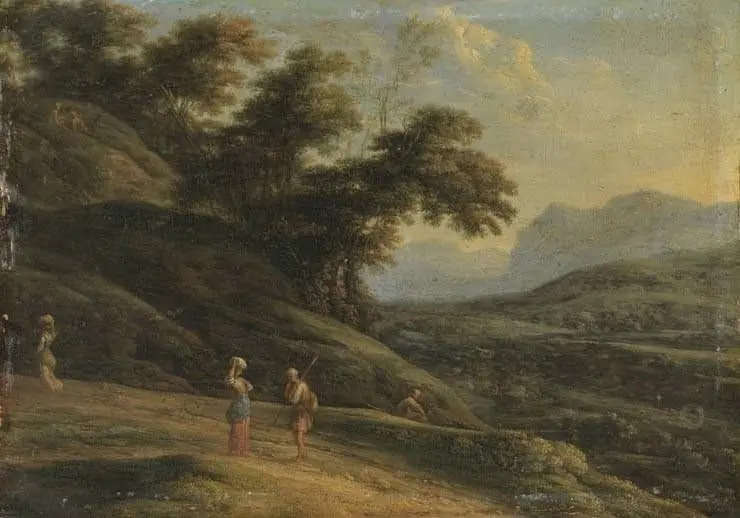
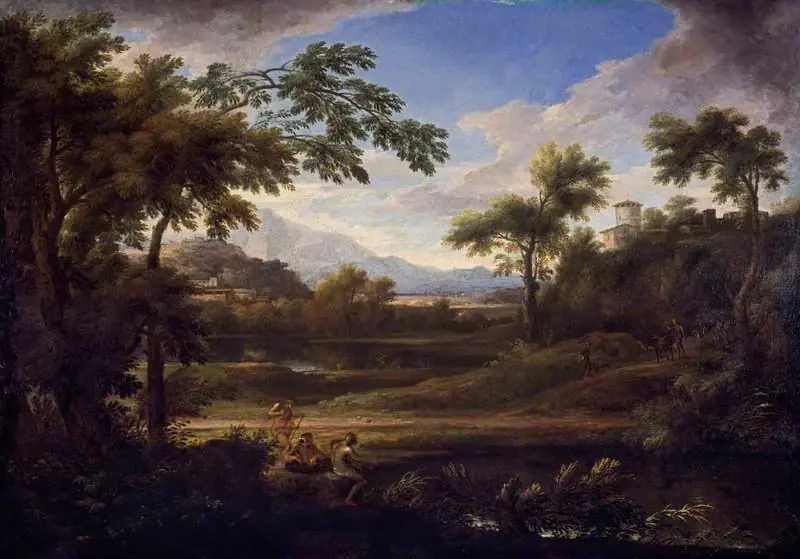
The scene depicts Cicero, the renowned Roman orator, alongside his close friends during a quiet moment at his villa near Arpinum. Rather than illustrating a specific event, the painting evokes contemplation and intellectual companionship. The figures, dressed in classical robes, gaze toward the distance, suggesting reflection on philosophy, politics, or the natural world—values central to Cicero’s legacy and to Enlightenment ideals of reasoned discourse.
Technique & Style
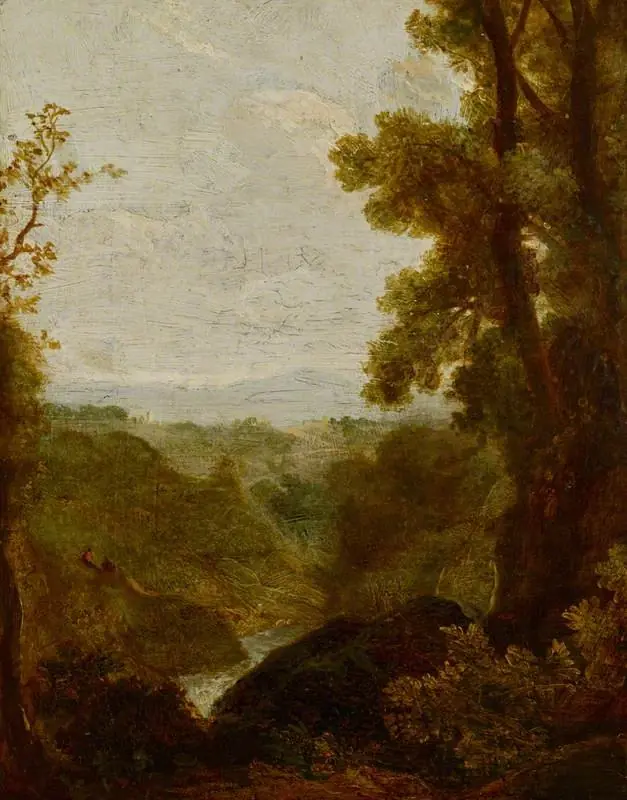
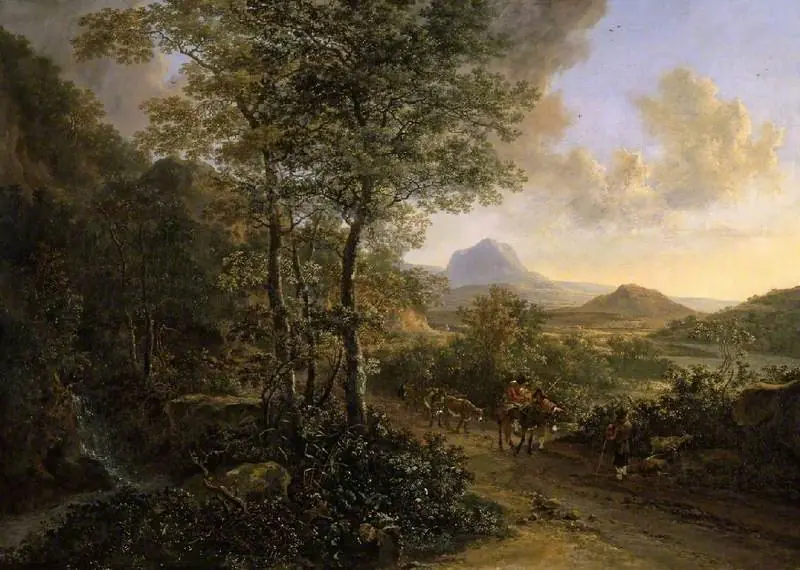
Wilson employed oil paint to render a harmonious blend of figure and landscape, using soft transitions of light and muted tones to create depth. The composition balances the three figures against a gently rolling countryside, with a distant bridge and river anchoring the spatial structure. His handling of atmosphere and subtle chiaroscuro reflects both Italianate influences and a restrained, poetic sensibility that diverges from the ornamental excesses of Rococo.
History & Provenance
The painting entered the Ashmolean Museum’s collection in the 19th century, having been acquired from a private British collection. Its early history after 1769 is not fully documented, but it was likely exhibited in London during Wilson’s lifetime. The work remained relatively obscure until later scholarly interest in 18th-century British landscape painting revived attention to Wilson’s contributions to the genre.
Context
Created in the wake of the Royal Academy’s founding, the painting reflects a broader cultural turn toward classical antiquity and the moral authority of Roman history. Wilson’s choice to depict Cicero—a symbol of civic virtue—aligns with Enlightenment-era values. The work also situates itself within a British tradition of combining historical narrative with landscape, distinguishing it from purely decorative or mythological treatments common in continental art.
Legacy
Though not widely known today, the painting exemplifies Wilson’s role in shaping British landscape painting as a serious, intellectually grounded medium. His integration of classical figures into natural settings influenced later artists seeking to elevate landscape beyond mere backdrop. The work remains a quiet testament to the period’s fascination with antiquity, reason, and the moral resonance of the natural world.
Artist & collection
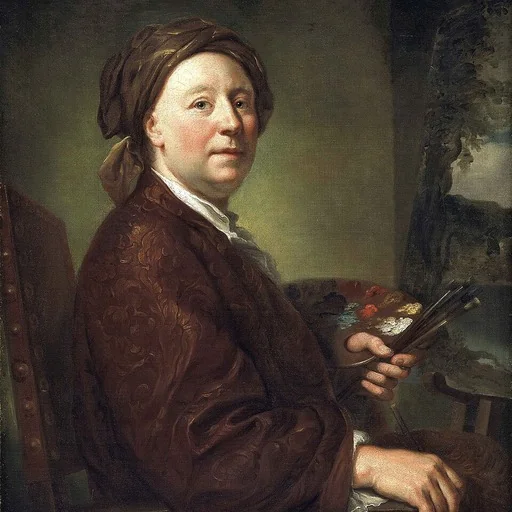
Artist
Richard Wilson (1 August 1714 – 15 May 1782) was a Welsh painter who specialised in landscape art and worked in Britain and Italy.