Artwork
Soleil et lune
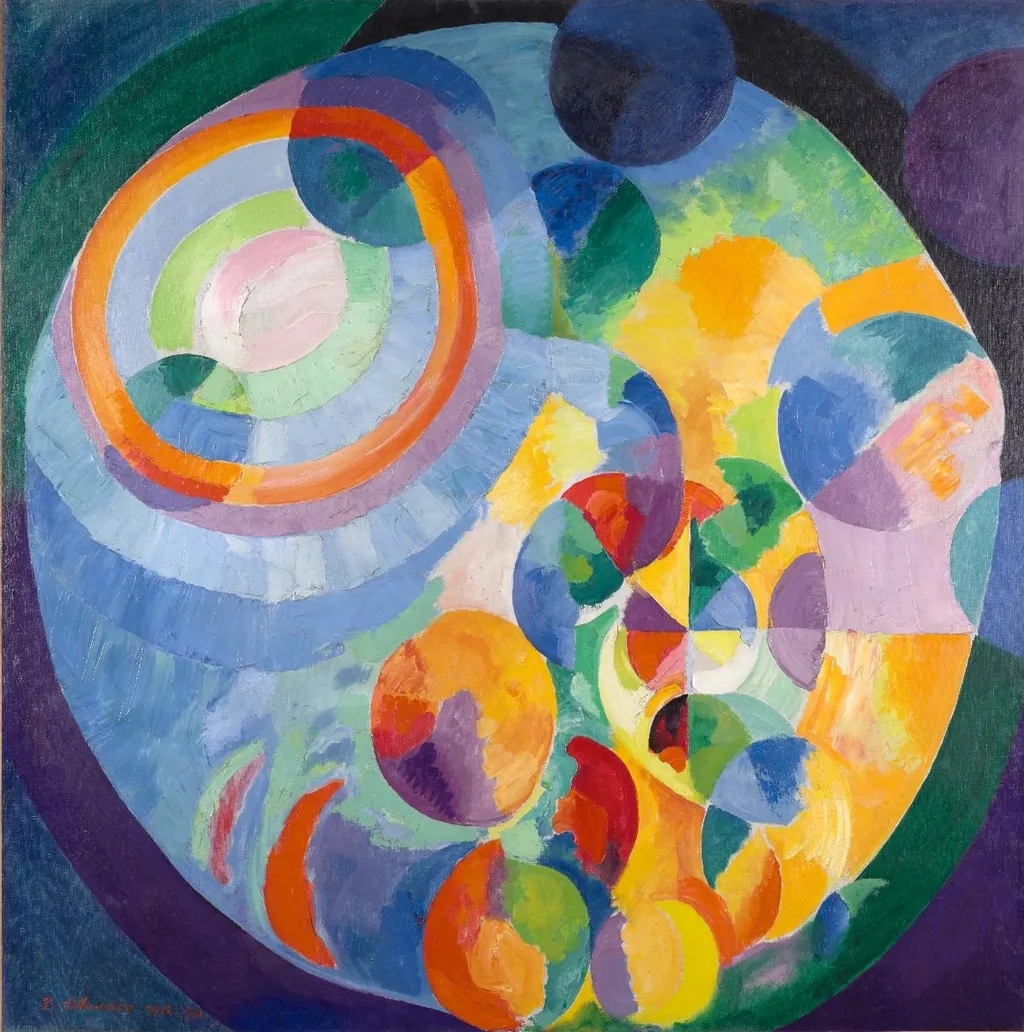
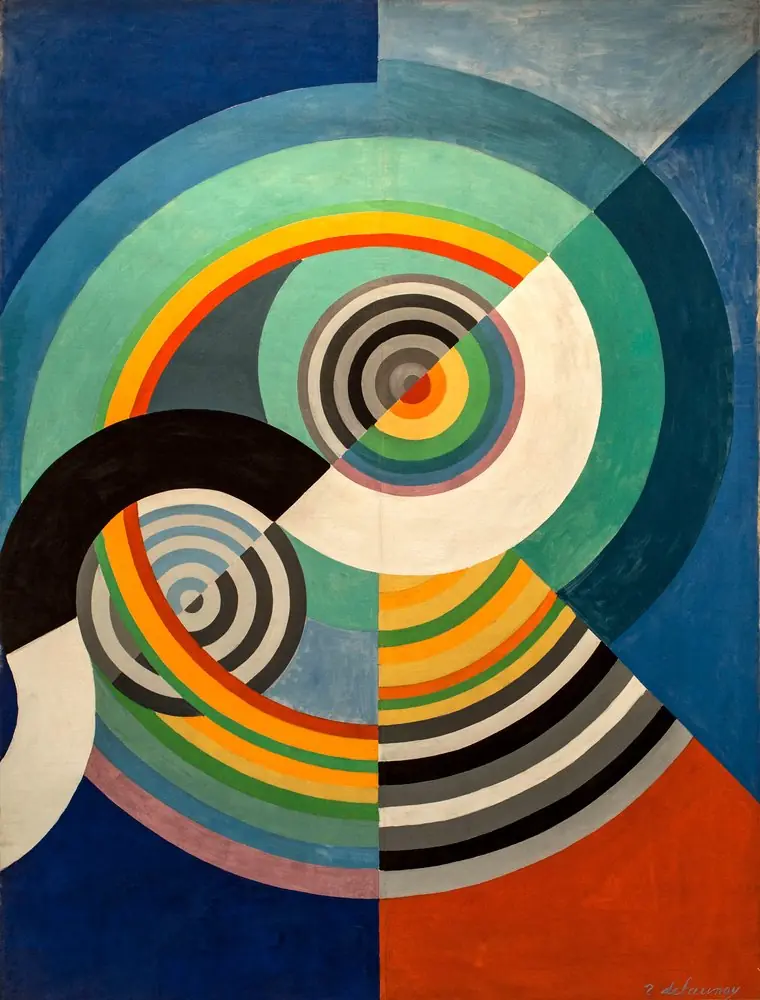
Soleil et lune is an oil painting by Robert Delaunay. It dates from 1922 and is held in the collection of the Kunsthaus Zürich.
About this work
Overview
The work belongs to a series exploring light and color through abstraction, departing from representational forms to focus on the dynamic interplay of hues.
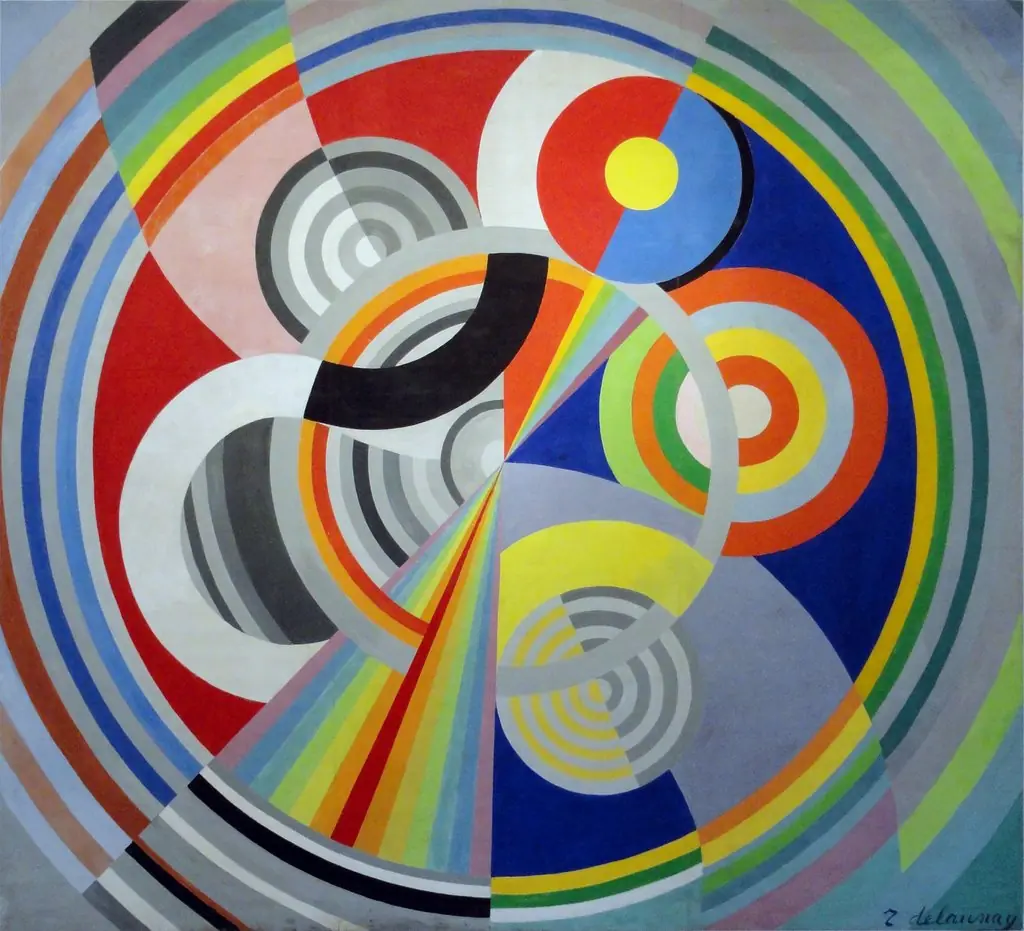
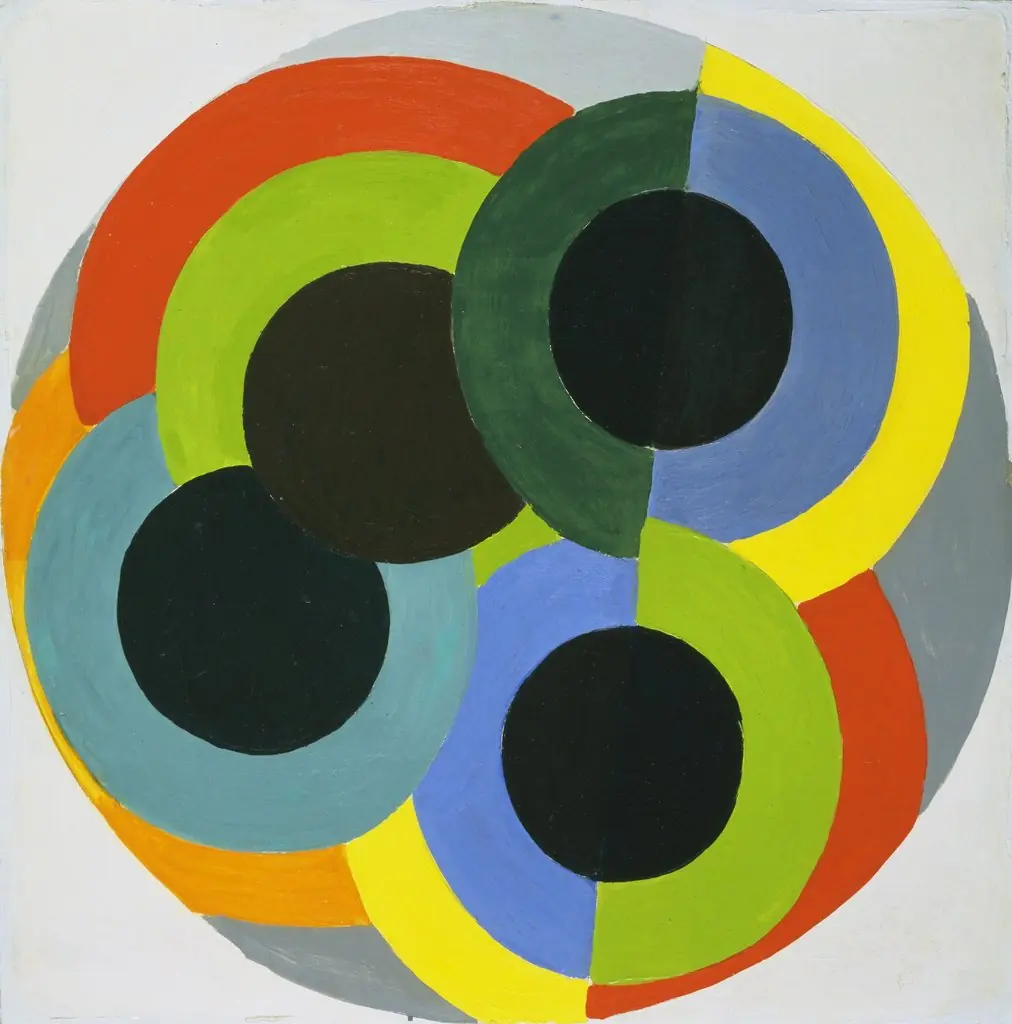
Created in 1922, Soleil et lune is an oil painting by Robert Delaunay, currently held in the collection of Kunsthaus Zürich. The work belongs to a series exploring light and color through abstraction, departing from representational forms to focus on the dynamic interplay of hues. Its composition centers on a large circular motif, structured with segmented zones of varying patterns and tones, reflecting Delaunay’s interest in optical rhythm and chromatic harmony.
Subject & Meaning
The title references the sun and moon, but the painting does not depict them literally. Instead, it evokes celestial cycles through abstract color relationships. The central circle suggests a cosmic orb, its divided segments implying phases or radiant emissions. Delaunay sought to translate the experience of light itself—its movement, contrast, and temporal shifts—into visual form, aligning the work with broader modernist inquiries into perception and energy.
Technique & Style
Delaunay applied oil paint in distinct zones, using solid fields, stripes, and dotted textures to create visual vibration. Bright, contrasting colors—warm reds and yellows alongside cool blues and greens—are arranged to generate a sense of motion. The edges between sections are sharp, enhancing the impression of rhythmic pulsation. This approach reflects his development of Orphism, a style emphasizing pure color as a structural and emotional force.
History & Provenance
Painted in 1922, Soleil et lune emerged during a period when Delaunay was refining his abstract language after earlier experiments with Cubism. It entered the Kunsthaus Zürich collection in the mid-20th century, following the museum’s growing interest in European modernism. The work has remained in its care since, consistently included in exhibitions tracing the evolution of color-based abstraction in the early 20th century.
Context
This painting belongs to a broader movement in post-war European art that sought to move beyond representation. Delaunay’s focus on color as an autonomous element aligned with contemporaneous interests in synesthesia, scientific studies of light, and theosophical ideas about cosmic harmony. His work responded to rapid technological and perceptual changes, offering a visual language for modern experience rooted in sensation rather than narrative.
Legacy
Soleil et lune exemplifies Delaunay’s influence on later abstract and color-field painting. His method of using color contrasts to imply motion prefigured developments in Op Art and minimalism. While not widely known to the public, the painting is cited in scholarly discussions of early abstraction as a pivotal example of how color alone can structure space and evoke dynamic energy without figuration.
Artist & collection

Artist
Robert Delaunay was a French artist of the School of Paris movement; who, with his wife Sonia Delaunay and others, co-founded the Orphism art movement, noted for its use of strong colours and geometric shapes.