Artwork
Compoziție 1910-1915
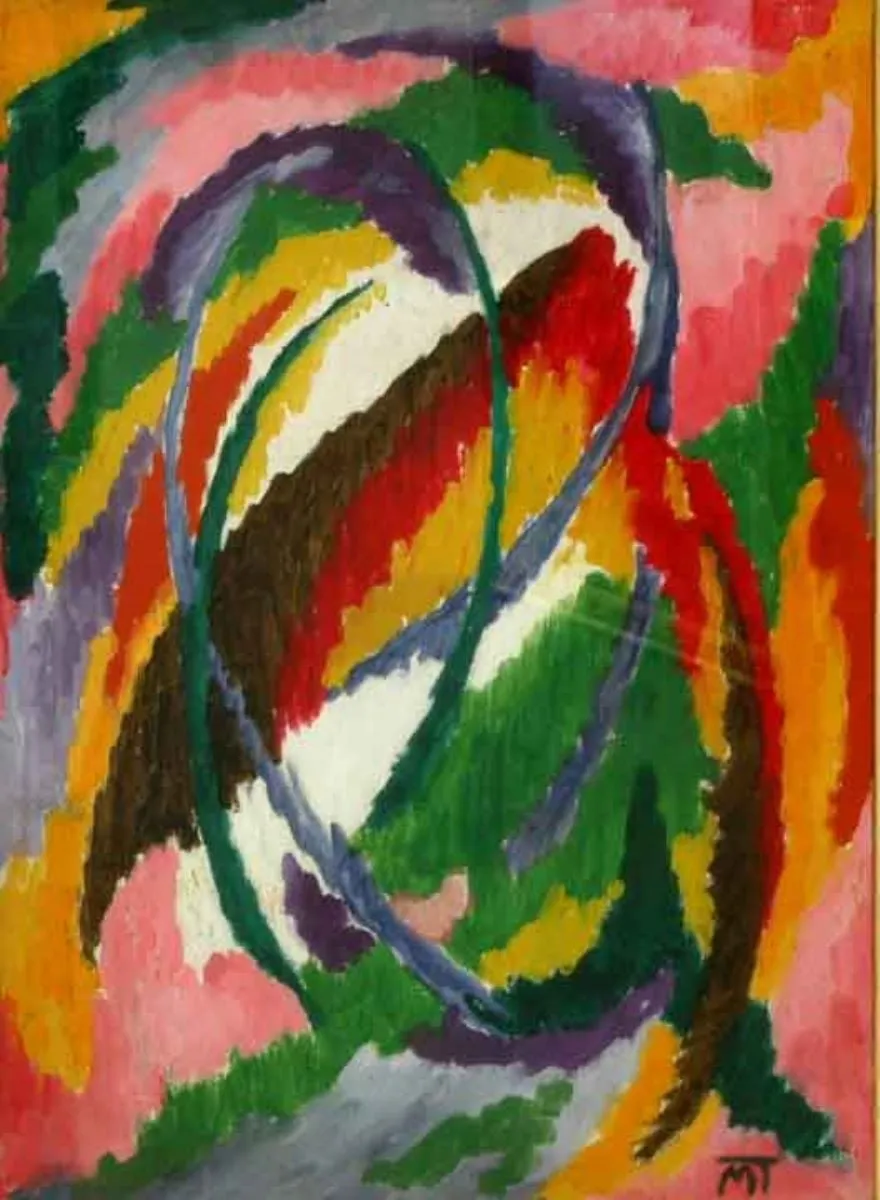
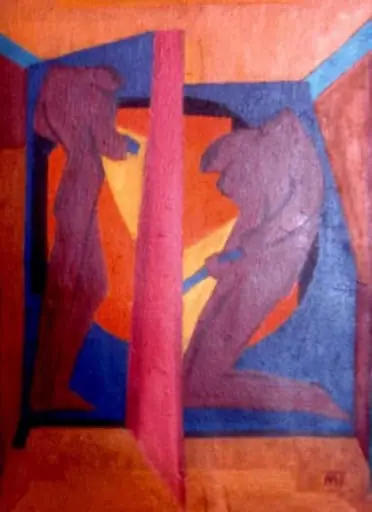
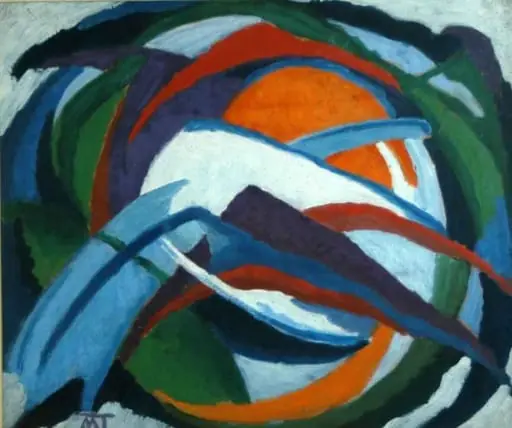
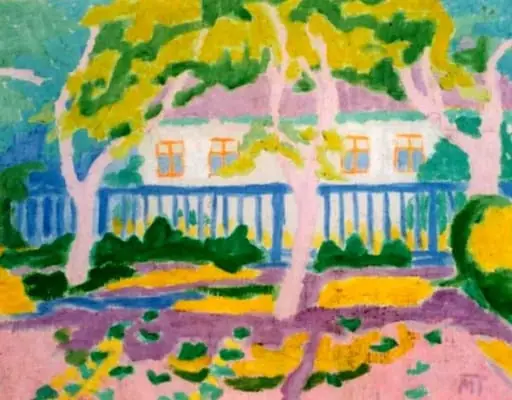
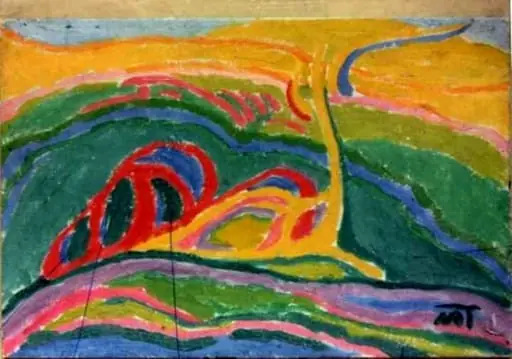
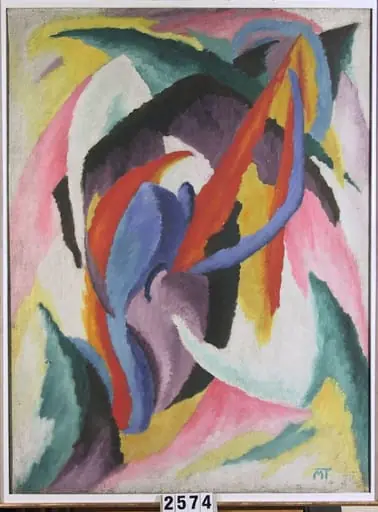
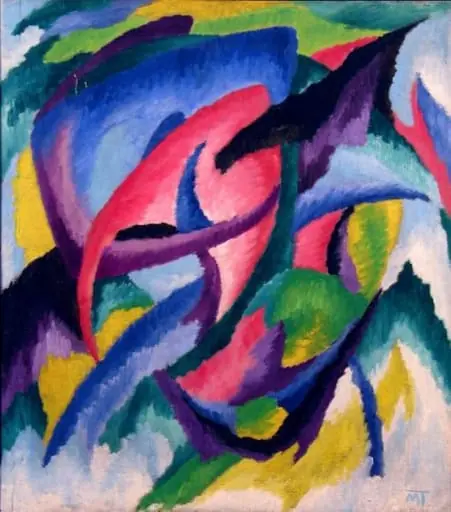
Compoziție 1910-1915 is an unspecified painting by Hans Mattis-Teutsch. It dates from 1912 and is held in the collection of the Țării Crișurilor Museum.
About this work
Overview
Compoziție 1910-1915, executed around 1912 by Hungarian painter Hans Mattis‑Teutsch, is an abstract oil work that resides in the Museum of Ethnography.
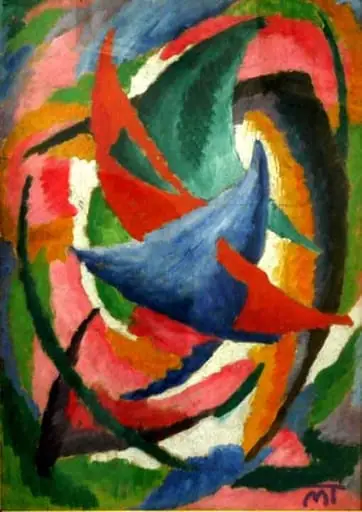
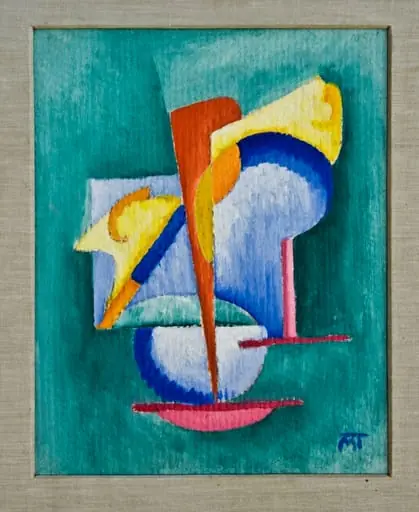
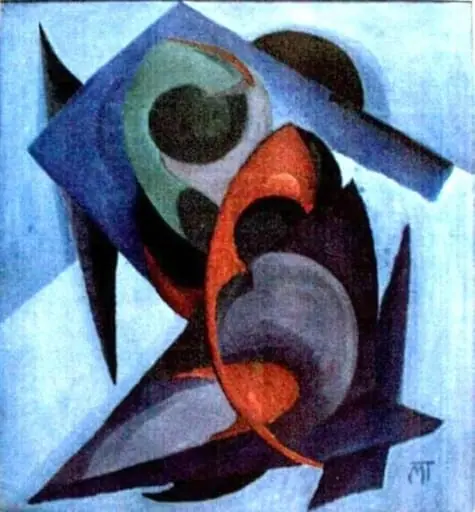
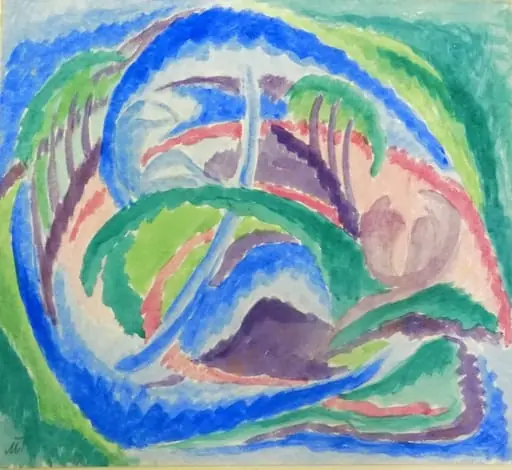
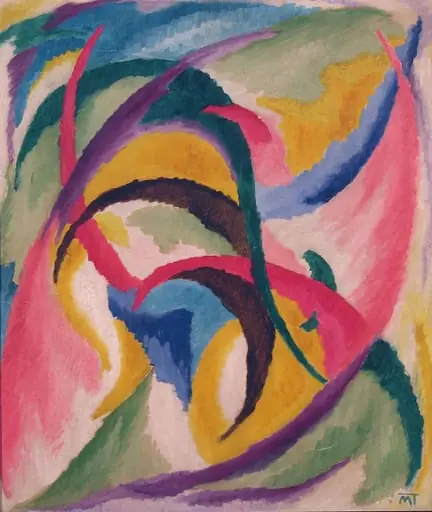
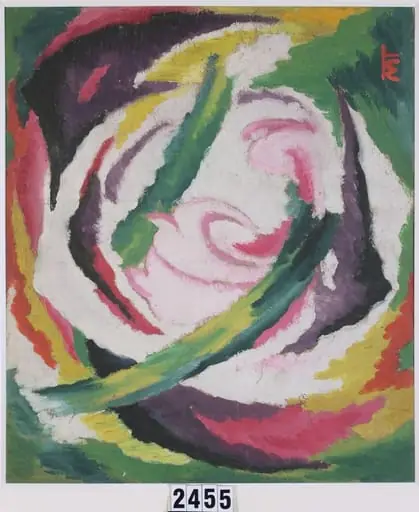
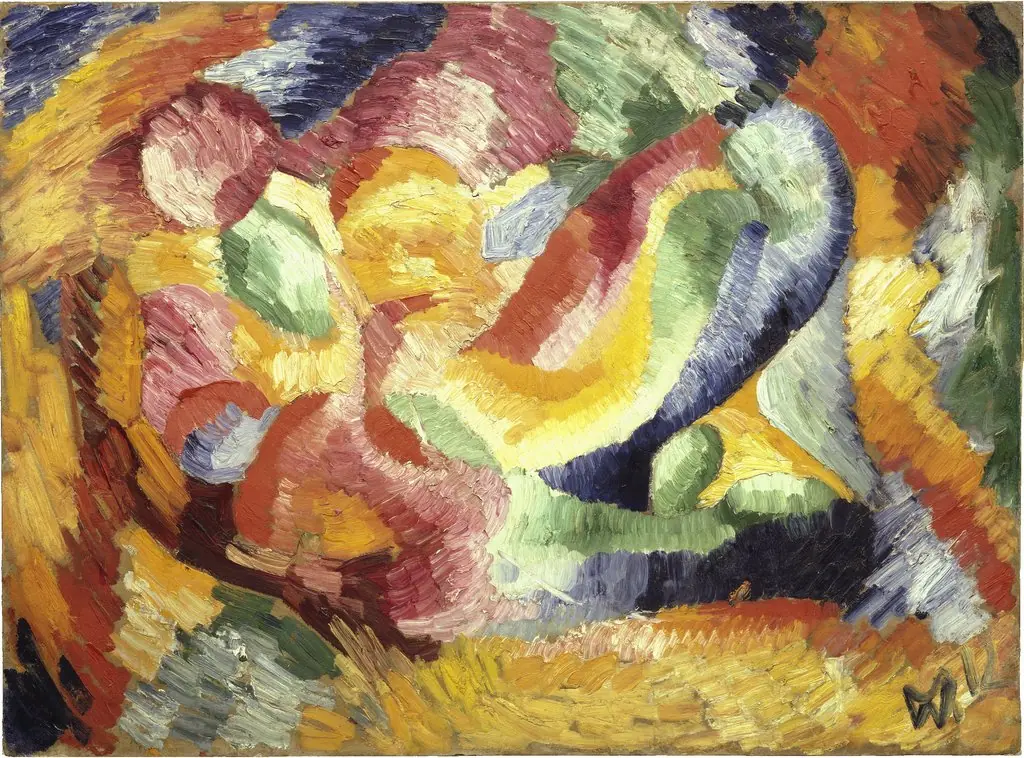
Compoziție 1910-1915, executed around 1912 by Hungarian painter Hans Mattis‑Teutsch, is an abstract oil work that resides in the Museum of Ethnography. The canvas is dominated by vigorous, overlapping planes of red, yellow, green and purple, arranged without discernible outlines. A central, dark, curved mass suggests a vague facial contour, while the surrounding field is saturated with thickly applied pigment, giving the surface a tactile, almost sculptural quality.
Subject & Meaning
The composition does not aim to depict a recognizable scene; instead it explores the interaction of color and form as autonomous elements. The central dark shape, though ambiguous, invites a fleeting suggestion of a face, hinting at a psychological or symbolic presence amid the surrounding chaos. The overall effect is one of visual tension, encouraging viewers to experience the painting as a pure, non‑representational expression of energy.
Technique & Style
Mattis‑Teutsch employed a vigorous impasto technique, laying on paint in dense, textured strokes that protrude from the canvas. The brushwork is deliberately rough, with colors colliding in bold, unmodulated swaths. This approach aligns the work with early twentieth‑century abstraction, emphasizing materiality and movement over figurative accuracy, and creating a dynamic surface that changes with the viewer’s angle of sight.
History & Provenance
Created circa 1912, the painting entered the collection of the Museum of Ethnography, where it remains on display. Its acquisition reflects the institution’s broader interest in modernist experiments that intersect with ethnographic concerns, positioning Mattis‑Teutsch’s work within a dialogue between avant‑garde abstraction and cultural documentation.
Context
During the 1910s, Mattis‑Teutsch was engaged with the emerging currents of European abstraction, drawing on influences from expressionism and the nascent constructivist movement. The work’s title, referencing a span of years, underscores its experimental nature, situating it within a period of rapid artistic transformation that challenged traditional representation in favor of formal exploration.
Artist & collection
Artist
Hans Mattis-Teutsch made bold, rhythmic paintings and prints that feel like music turned into shapes.