Artwork
Untitled
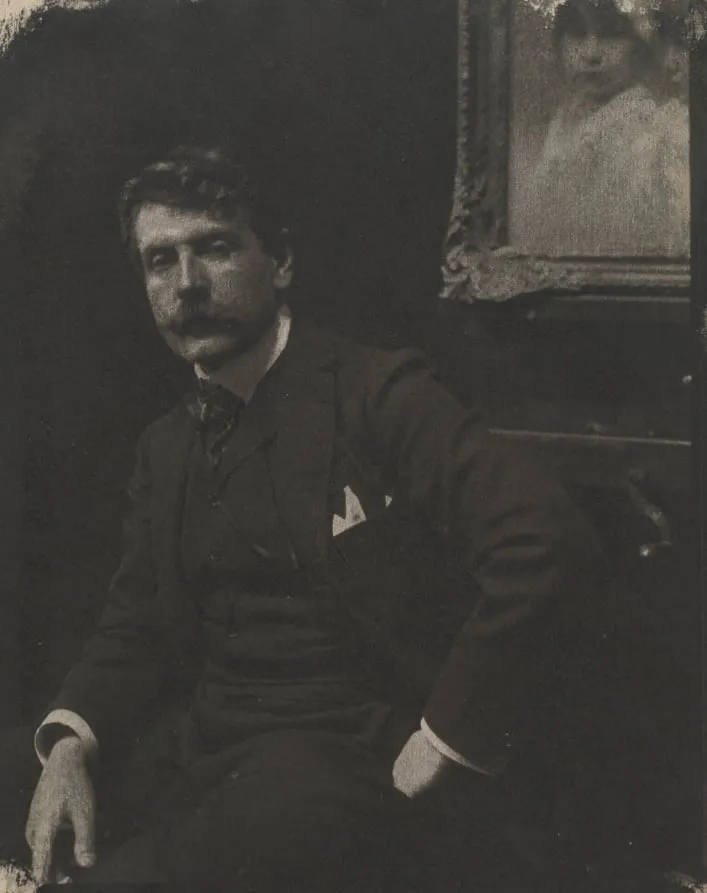
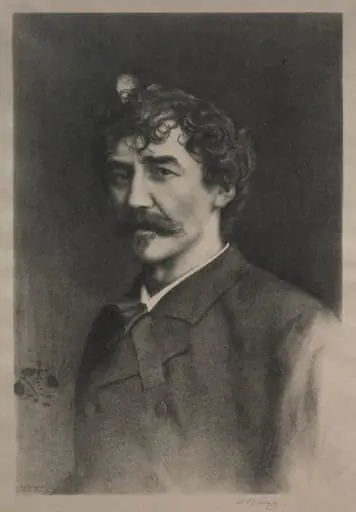
Untitled is a photography by Robert Demachy. It dates from 1903 and is held in the collection of the Cleveland Museum of Art.
About this work
This painting shows a scene from France in the early 20th century.
The artist used a special printing process to create this work. He was able to manipulate the print to get the effect he wanted. This process allowed for a lot of handwork, which was important to the artist.
You can learn more about this style by looking into the technique of sfumato.
Overview
Robert Demachy, born into a wealthy Parisian family, devoted himself to photography after pursuing music and the visual arts.
Robert Demachy, born into a wealthy Parisian family, devoted himself to photography after pursuing music and the visual arts. His financial security allowed him to experiment freely, particularly with alternative printing methods. By the mid-1890s, he focused intensively on the gum bichromate process, which permitted extensive manual intervention in printmaking, distinguishing his work from conventional photographic practices of the time.
Subject & Meaning
Demachy’s photographs typically depicted quiet, everyday scenes from French life, often rendered with a painterly softness. Rather than documenting reality with precision, he sought to evoke mood and atmosphere. His images invited contemplation, aligning with the aesthetic values of Pictorialism, which prioritized emotional resonance over literal representation.
Technique & Style
Using the gum bichromate process, Demachy applied pigmented emulsions by hand, layering and brushing them to control tone and texture. This labor-intensive method allowed him to blur edges, mute contrasts, and mimic the brushwork of Impressionist painting. The resulting images lacked the sharpness of traditional photography, instead embracing a tactile, almost drawn quality that emphasized artistic intent over mechanical reproduction.
History & Provenance
Demachy’s work was widely exhibited in Europe and the United States during the late 19th and early 20th centuries. He was a founding member of the Photo-Club de Paris and contributed extensively to photographic journals. His writings, numbering over a thousand articles and several books, documented his techniques and defended photography as a fine art, influencing both practitioners and critics of the era.
Context
Demachy operated within a broader movement that sought to elevate photography to the status of painting. His embrace of hand-altered prints countered the growing dominance of mechanical reproduction. While contemporaries like Stieglitz championed purity in the medium, Demachy argued that manipulation was not a flaw but a necessary extension of the artist’s vision.
Legacy
Demachy’s emphasis on the photographer as a craftsman reshaped debates about artistic authorship in photography. Though Pictorialism waned after World War I, his technical innovations and theoretical writings preserved a critical dialogue about the medium’s potential beyond documentation. His work remains a reference point in discussions of photographic process and artistic intention.
Artist & collection

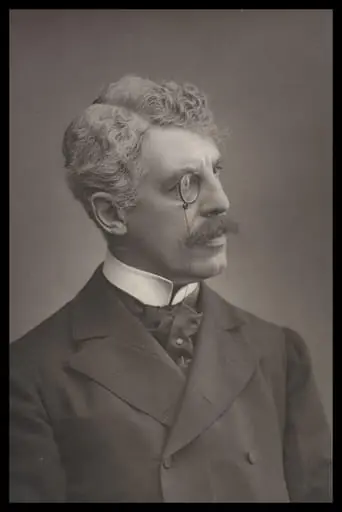 Guy Little Theatrical Photograph
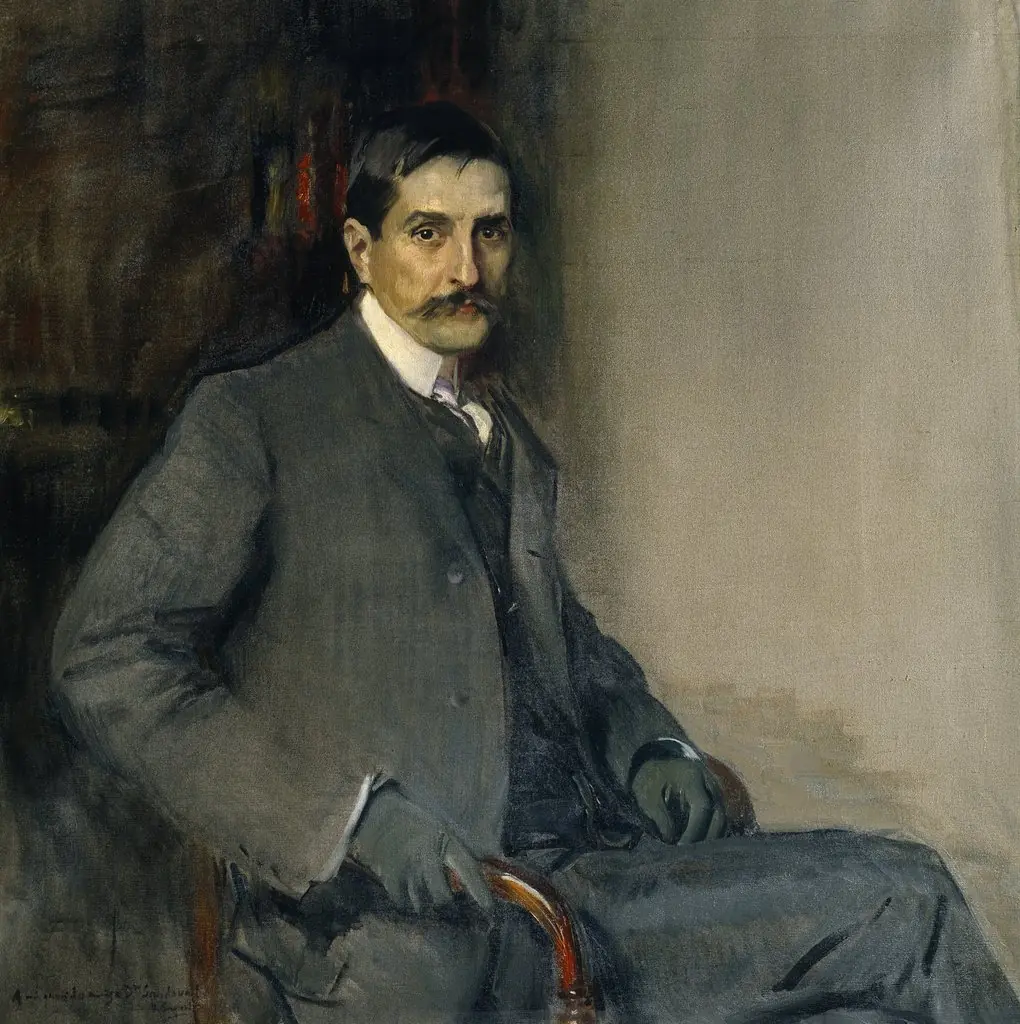 Doctor Francisco Rodríguez de Sandoval
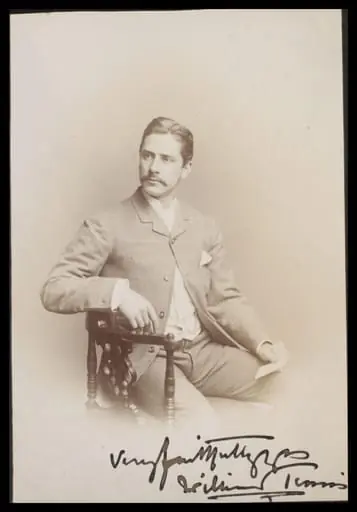 Guy Little Theatrical Photograph
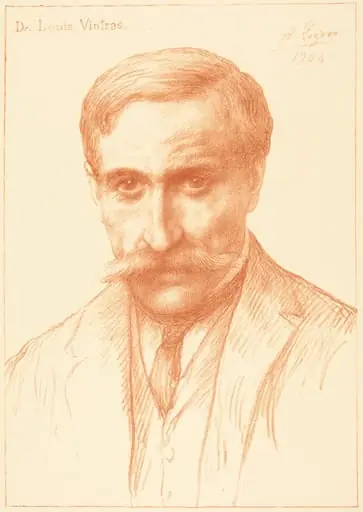 Dr. Louis Vintras
 Guy Little Theatrical Photograph
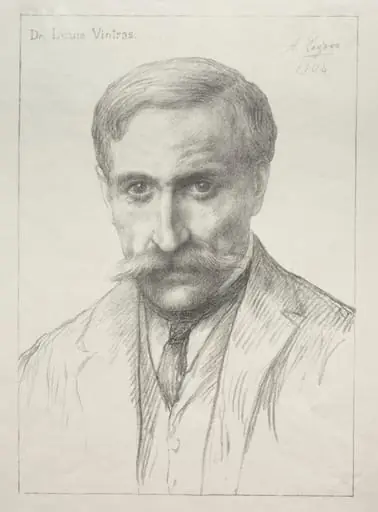 Portrait of Dr. Louis Vintras
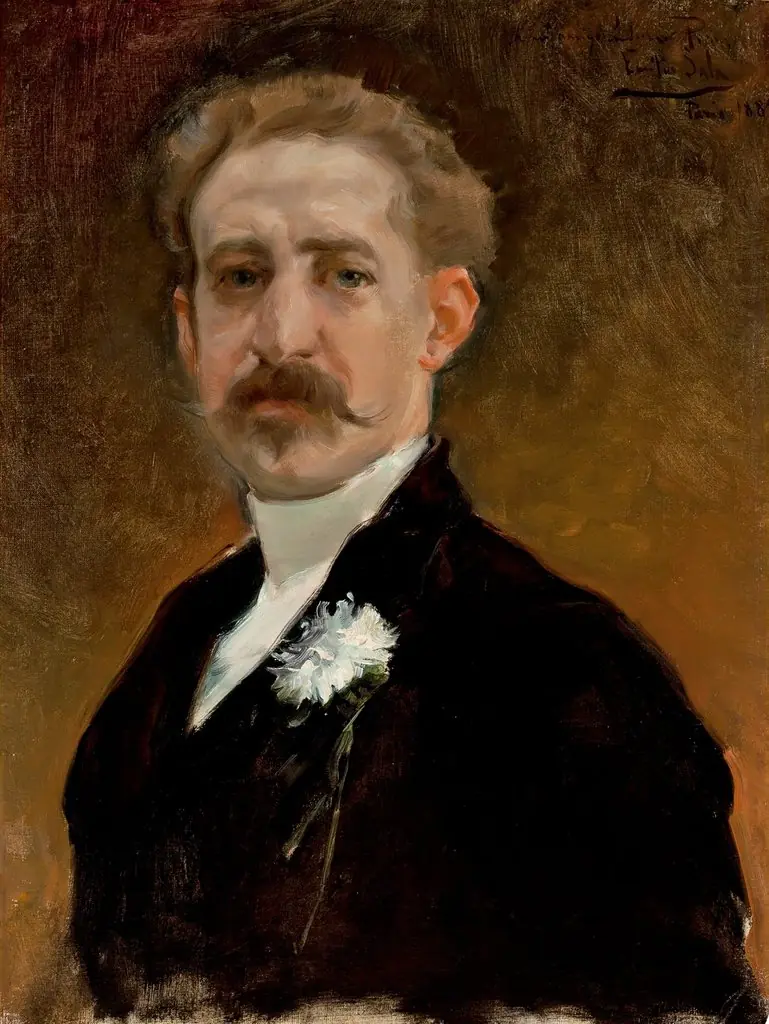 Jacinto Octavio Picón
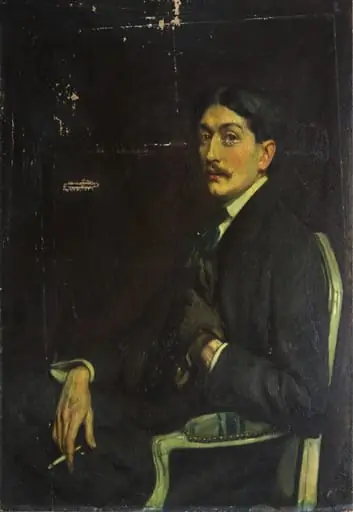 Portretul arhitectului Edmond van Saanen Algi
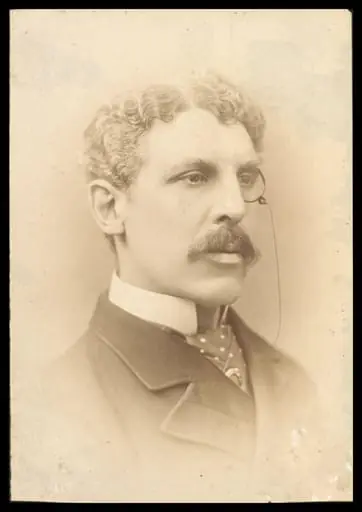 Guy Little Theatrical Photograph
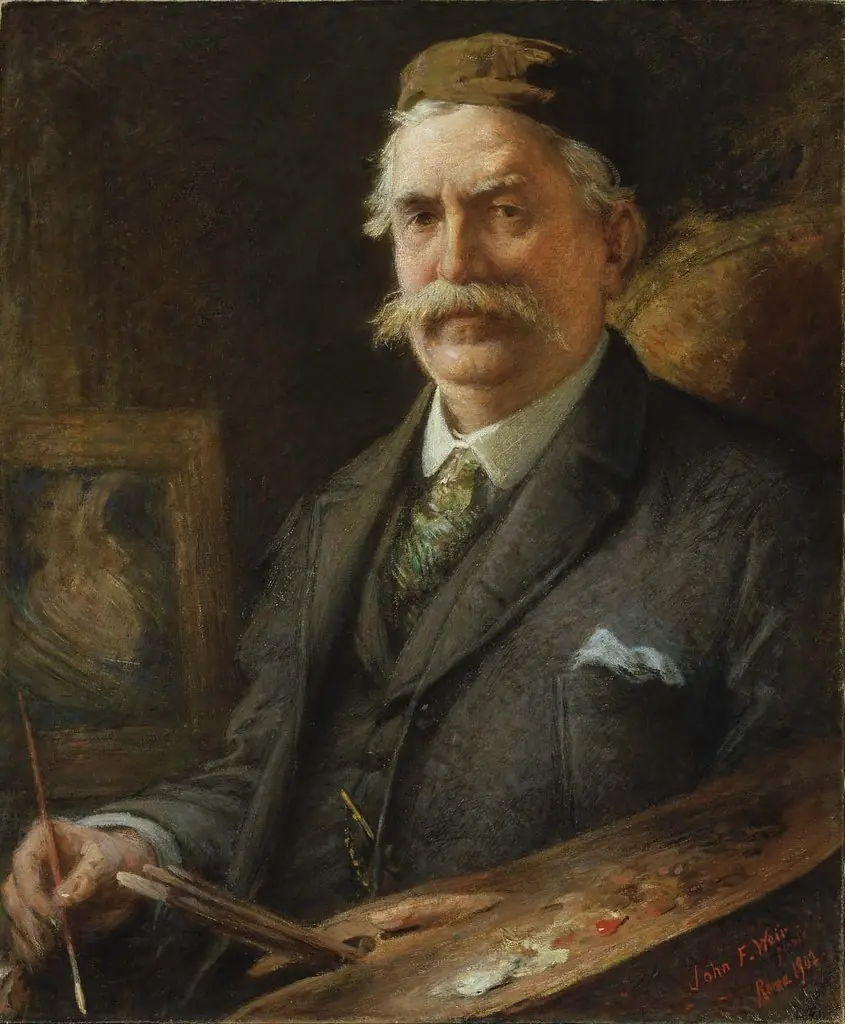 Elihu Vedder
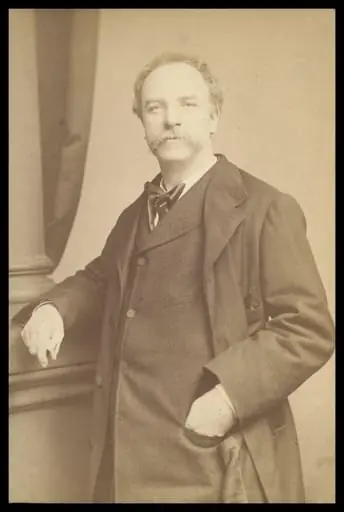 Guy Little Theatrical Photograph
 James MacNeill Whistler