Artwork
Guy Little Theatrical Photograph
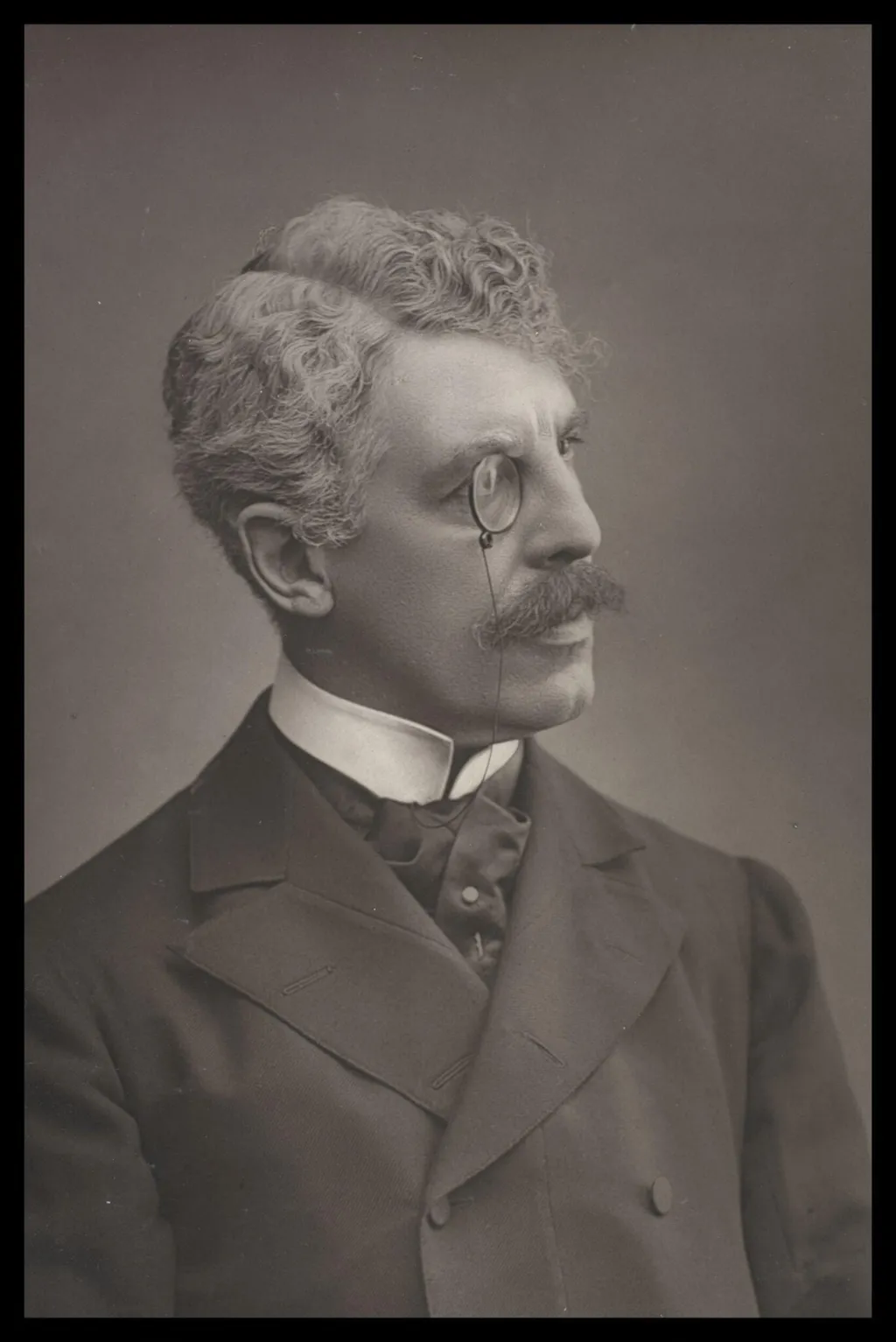
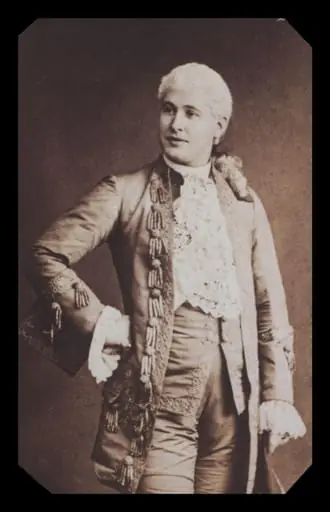
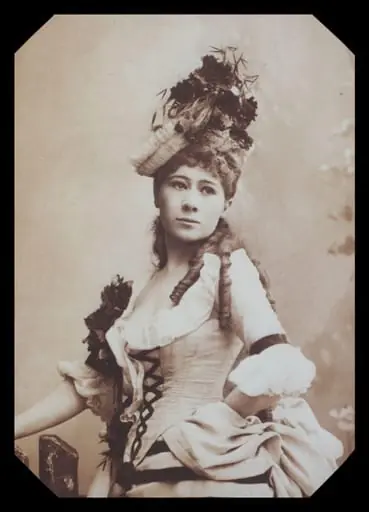
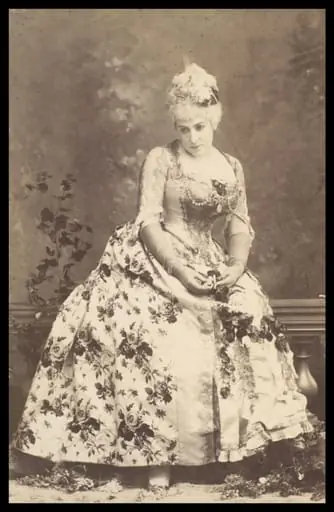
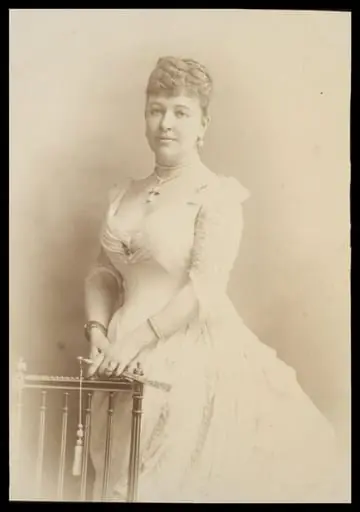
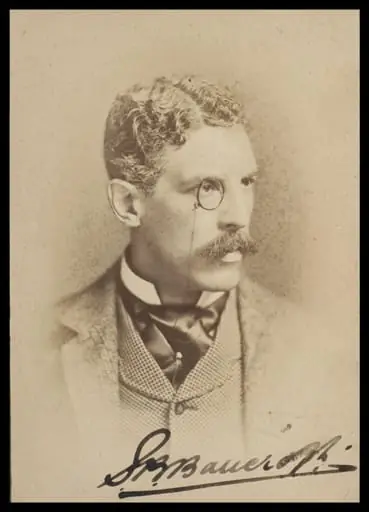
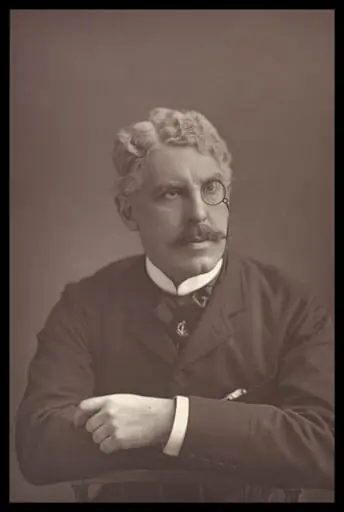
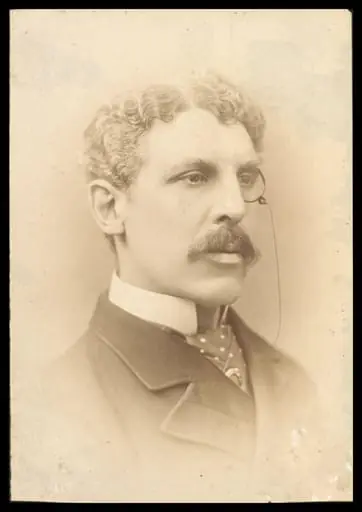
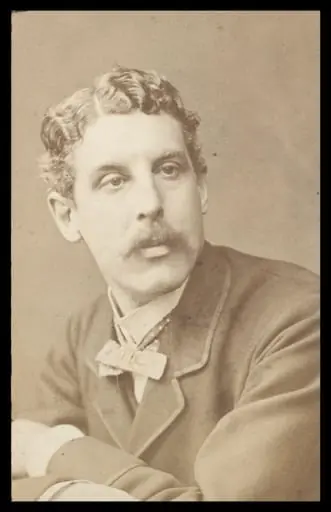
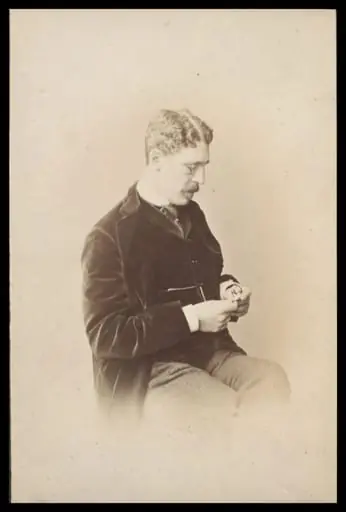
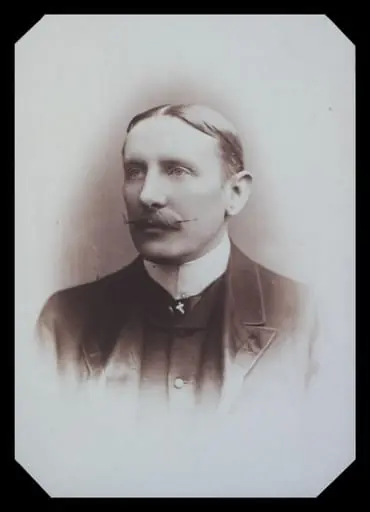
Guy Little Theatrical Photograph is a photographic photography by the Impressionist artist Walery. It dates from 1861 and is held in the collection of the Victoria and Albert Museum. This photograph is part of a personal archive assembled by Guy Tristram Little, a solicitor and avid collector of visual ephemera.
About this work
Overview
This photograph is part of a personal archive assembled by Guy Tristram Little, a solicitor and avid collector of visual ephemera.
This photograph is part of a personal archive assembled by Guy Tristram Little, a solicitor and avid collector of visual ephemera. It was removed from its original card mount and bound into an album alongside hundreds of similar theatrical portraits. Little’s collection, later donated to the V&A, preserves a broad spectrum of 19th-century photographic portraiture, reflecting both public fascination with performance and the evolving technologies of image reproduction.
Subject & Meaning
The image depicts Squire Bancroft, a prominent actor and theatre manager of the Victorian era, captured in a formal studio pose. Whether in costume or civilian attire, such portraits served as tangible connections between the public and stage personalities. They functioned as both memorabilia and cultural artifacts, reinforcing the celebrity status of actors in an age before film or broadcast media.
Technique & Style
The photograph is an albumen print made from a glass negative, typical of mid-to-late 19th-century studio portraiture. Printed on thin paper and affixed to a stiff card, it follows the standard dimensions of a cabinet card, which replaced the smaller carte de visite by the 1870s. The composition is restrained, emphasizing the sitter’s presence through controlled lighting and minimal background detail.
History & Provenance
The photograph was once part of a commercial studio’s output, circulated as a collectible image. It was later detached from its original mount and integrated into Guy Little’s personal albums. Little, who inherited and preserved the theatrical collection of Gabrielle Enthoven, ensured its survival. His bequest to the V&A in 1953 became foundational to the museum’s theatre holdings.
Context
During the Victorian period, photographic portraits of actors were mass-produced and widely traded, mirroring the era’s enthusiasm for collecting. Cartes de visite, introduced in 1854, gave way to cabinet cards as demand grew for larger, more durable images. These formats bridged the gap between private keepsakes and public spectacle, turning theatrical figures into household names through accessible imagery.
Legacy
Little’s assembled albums represent a deliberate act of preservation, transforming transient commercial prints into a curated historical record. His contribution enabled future scholarship on Victorian theatre culture. The V&A’s collection, rooted in his efforts, remains a vital resource for understanding how performance and photography intersected in shaping public memory.
Artist & collection
Artist
These black-and-white photographs preserve the gestures and costumes of 19th-century actors.