Artwork
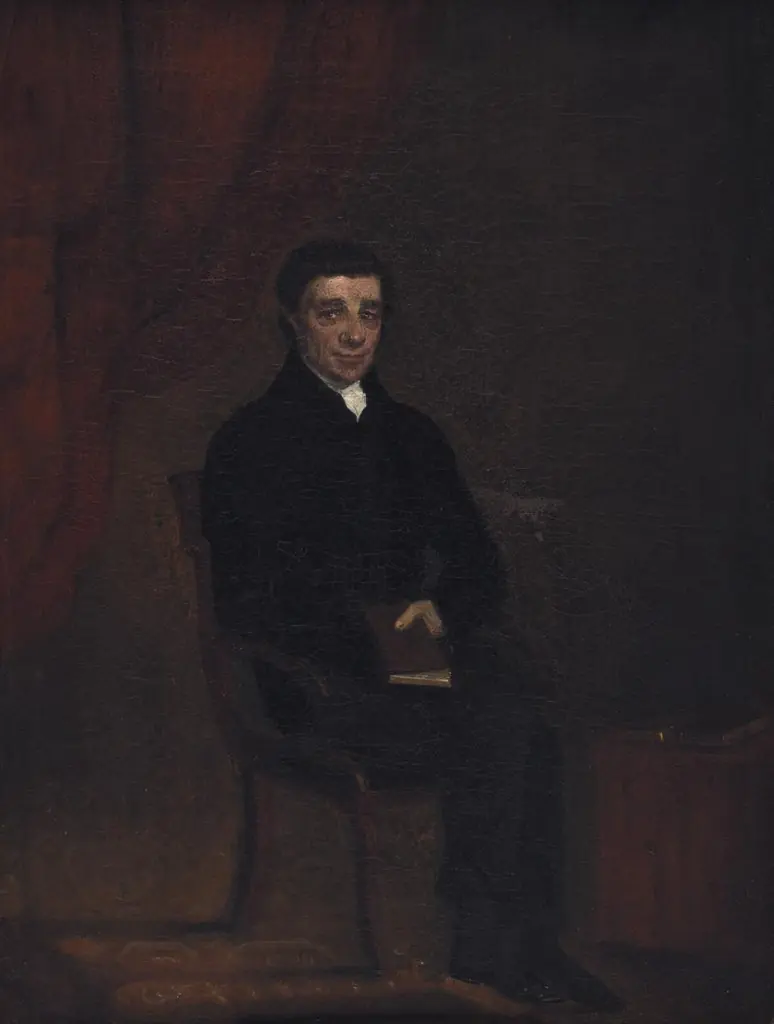
Reverend John Jones, Talysarn, Carnarvon
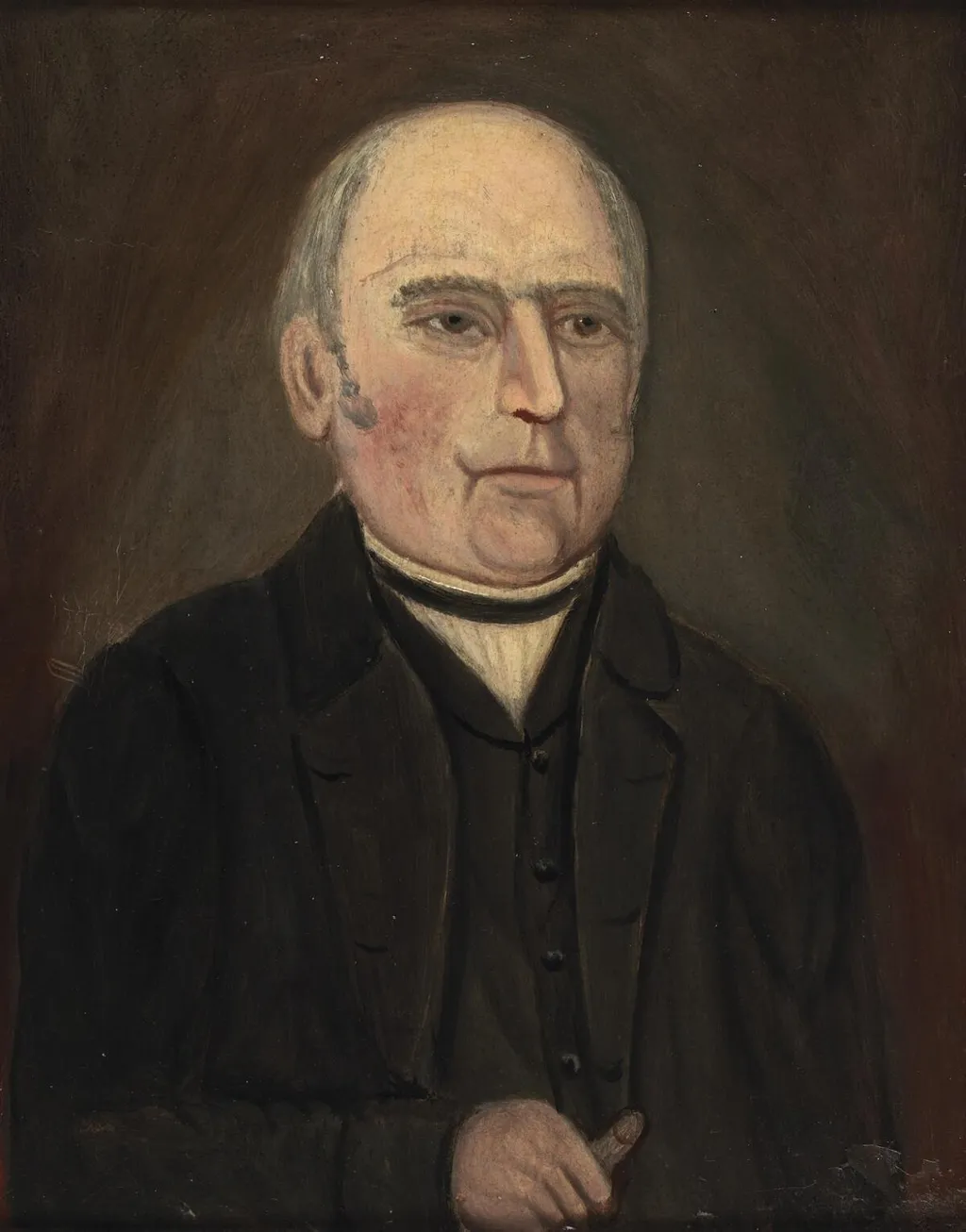
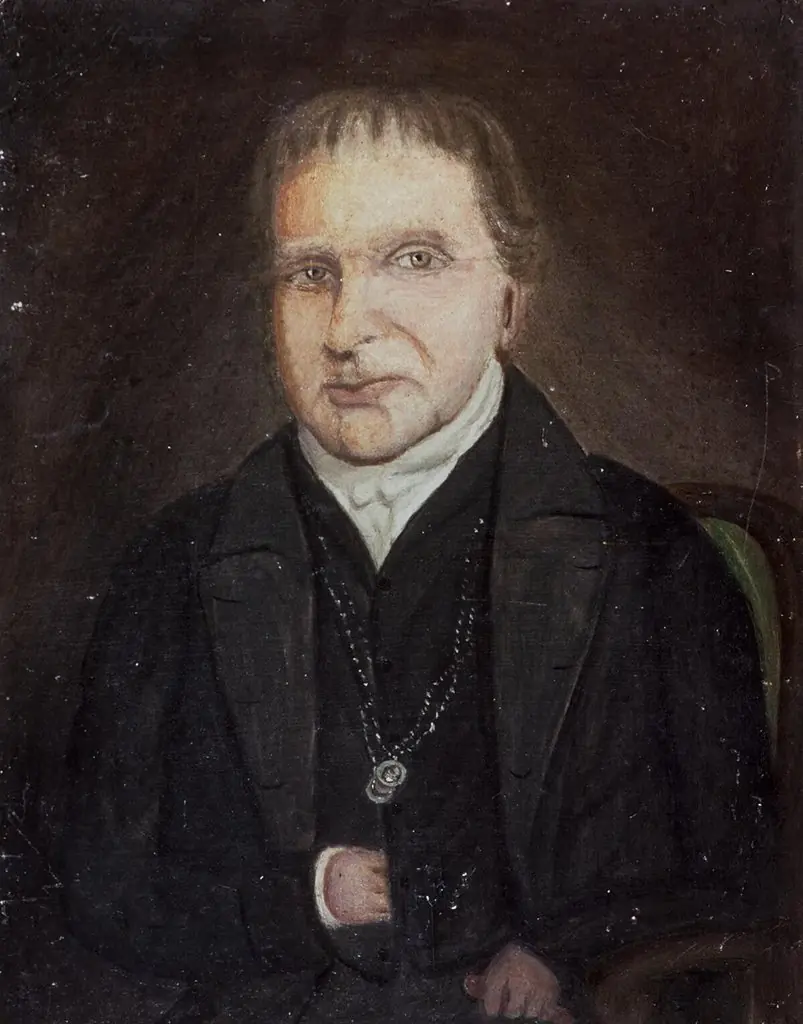
Reverend John Jones, Talysarn, Carnarvon is an oil painting by the British Romanticist artist Robert Hughes. It dates from 1860 and is held in the collection of the National Library of Wales.
About this work
Overview
Painted in 1860 by Robert Hughes, this oil portrait captures Reverend John Jones of Talysarn in Caernarfonshire. The work is part of the National Library of Wales collection and exemplifies mid-19th-century British portraiture. Its restrained composition and somber palette reflect the period’s emphasis on dignity and quiet authority, typical of religious and civic figures of the time.
Subject & Meaning
The subject, Reverend John Jones, is portrayed with a composed demeanor and clasped hands, suggesting introspection and moral gravity. His attire—a dark coat and high-collared white shirt—aligns with the formal dress of Welsh Nonconformist ministers. The absence of symbolic objects or elaborate settings directs focus to his presence, emphasizing character over status or achievement.
Technique & Style
Brushwork is precise but unobtrusive, particularly in the rendering of fabric and skin, conveying realism without theatricality.
Hughes employed traditional oil techniques with careful attention to texture and tone. The dark, neutral background isolates the figure, enhancing the three-dimensionality of his form. Brushwork is precise but unobtrusive, particularly in the rendering of fabric and skin, conveying realism without theatricality. The lighting is even and soft, avoiding dramatic contrasts to sustain a contemplative mood.
History & Provenance
The portrait remained in the possession of Jones’s family or local community before being acquired by the National Library of Wales. Its transfer to institutional care likely occurred in the early 20th century, as part of broader efforts to preserve regional cultural heritage. No significant alterations or restorations are documented, preserving its original condition.
Context
In 1860s Wales, Nonconformist ministers held considerable social influence, often serving as community leaders beyond religious duties. Portraits like this one were commissioned to affirm their moral authority and permanence within local identity. Hughes, though less known nationally, was active in regional circles, capturing figures central to Welsh cultural life during a period of religious and linguistic revival.
Legacy
The portrait endures as a representative example of Welsh ecclesiastical portraiture from the Victorian era. It contributes to the historical record of Nonconformist leadership and the visual culture of rural Wales. While not widely exhibited beyond regional institutions, it remains a valued resource for scholars studying 19th-century Welsh society and artistic practice.
Own this work as a print
Artist & collection
Artist
A British artist who painted in the 1800s, Robert Hughes focused on portraits and figures in oil.