Artwork
Captain Daniel Tyler
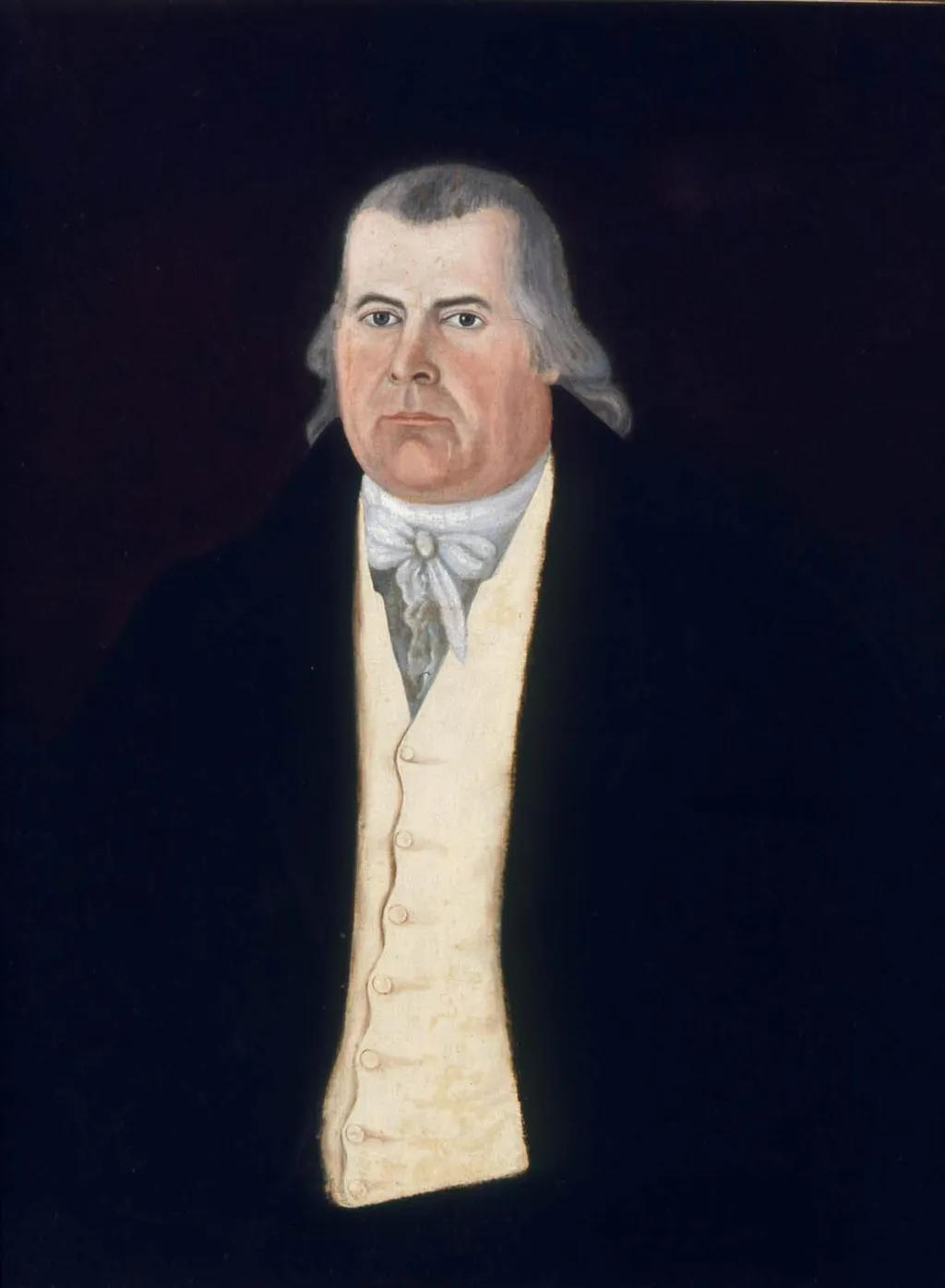
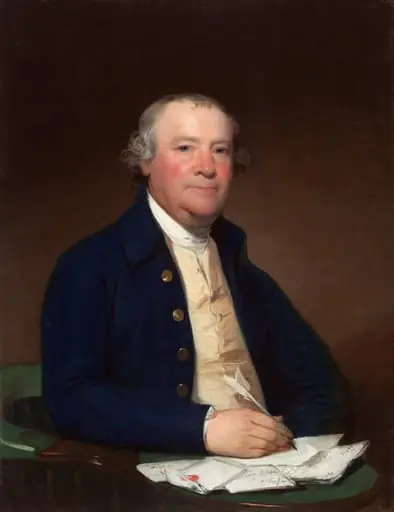
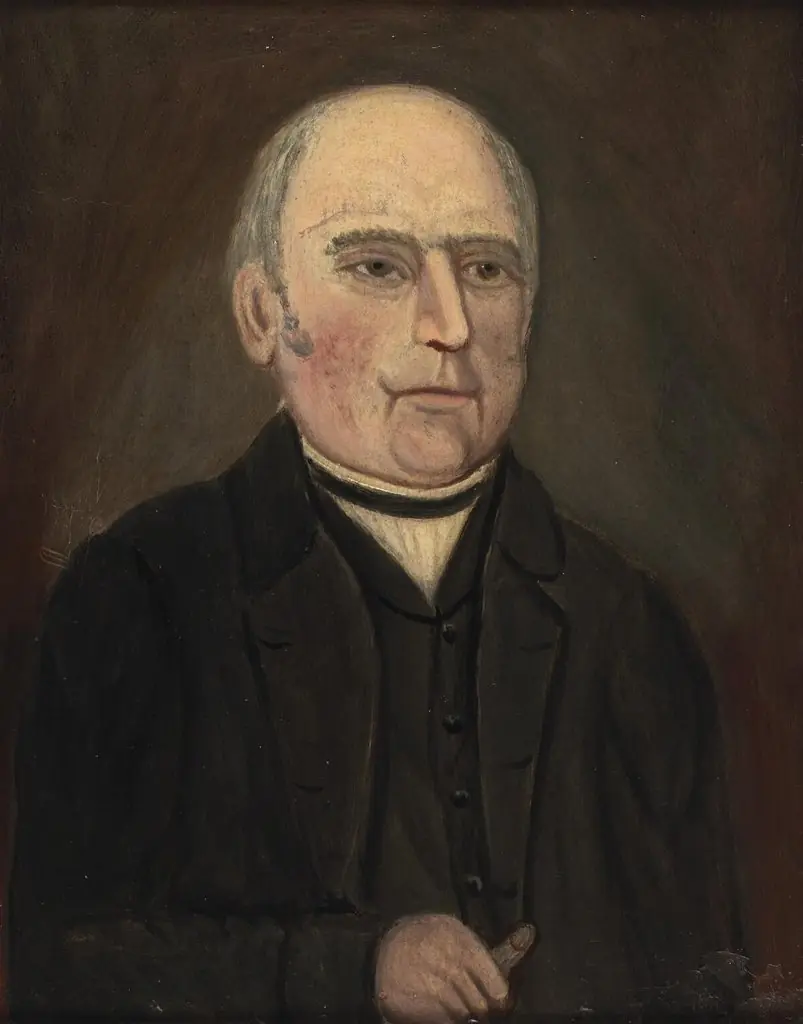
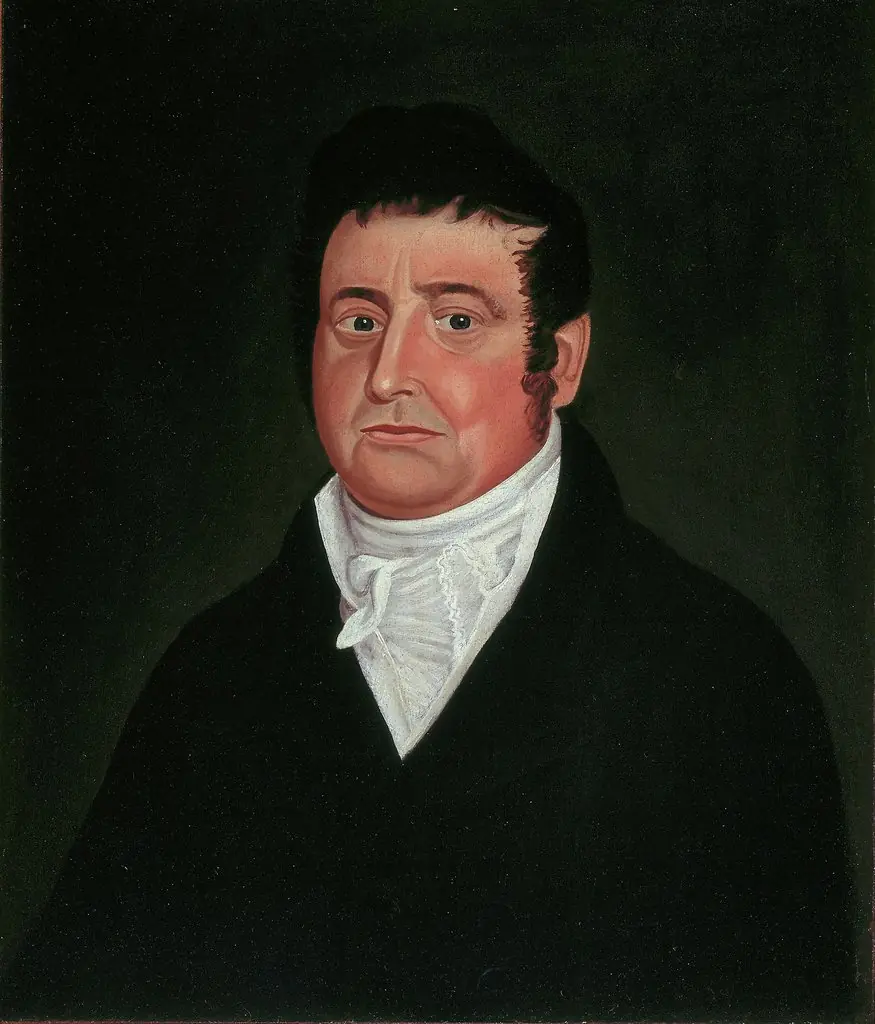
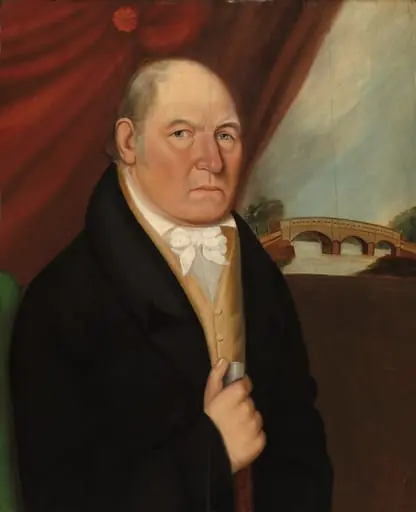
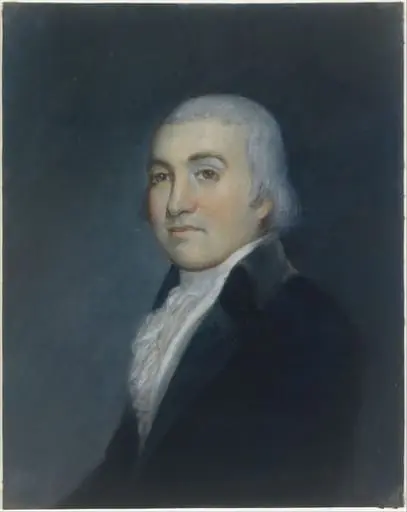
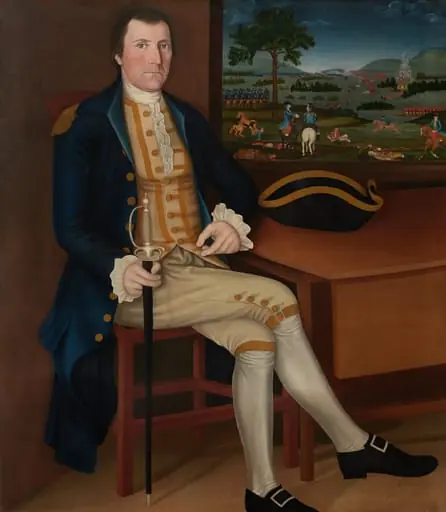
Captain Daniel Tyler is an oil painting by the American Folk Art artist John Brewster, Jr.. It dates from 1801 and is held in the collection of the Museum of Fine Arts Boston. Painted in 1801 by John Brewster Jr.
About this work
Overview
Brewster, who was Deaf, traveled extensively to document families across the region, developing a distinctive style rooted in simplicity and quiet observation.
Painted in 1801 by John Brewster Jr., this oil portrait captures Captain Daniel Tyler, a figure from New England’s early 19th-century elite. Brewster, who was Deaf, traveled extensively to document families across the region, developing a distinctive style rooted in simplicity and quiet observation. The work is part of the American folk art tradition and resides in the Museum of Fine Arts, Boston.
Subject & Meaning
Captain Daniel Tyler is portrayed with composed dignity, his direct gaze and formal attire suggesting status and self-possession. His gray hair, black coat, white vest, and cravat reflect the conservative dress of a respected civilian leader, likely a veteran or community figure. The absence of symbolic objects or landscape grounds the image in personal presence rather than narrative, emphasizing character over circumstance.
Technique & Style
Brewster employed chiaroscuro to model the figure against a dark, unbroken background, lending volume and spatial presence to Tyler’s form. Brushwork is restrained, with careful attention to texture in fabric and hair. The flatness of the setting and simplified features align with folk art conventions, yet the rendering of light and shadow reveals a deliberate understanding of Renaissance-derived techniques adapted to local sensibilities.
History & Provenance
Created during Brewster’s active years as a portraitist, the painting likely originated from a commission in coastal Maine or nearby regions. It remained within family hands before entering the Museum of Fine Arts, Boston’s collection, where it contributes to the institution’s representation of early American portraiture by self-taught artists.
Context
In the early 1800s, professional portrait painters were scarce outside major cities, creating demand for itinerant artists like Brewster. As a Deaf man navigating a hearing world, he relied on visual communication, which may have sharpened his observational precision. His work offers a rare window into the visual culture of rural New England families who sought to record their identity through art.
Legacy
Brewster’s portraits, including this one, are now recognized for their emotional restraint and formal clarity. They challenge assumptions about folk art as naive, revealing instead a thoughtful engagement with portraiture’s conventions. His oeuvre has influenced scholarly interest in Deaf artists and the broader spectrum of American visual expression beyond academic traditions.
Artist & collection
Artist
John Brewster Jr. (May 30 or May 31, 1766 – August 13, 1854) was a prolific, Deaf itinerant painter who produced many charming portraits of well-off New England families, especially their children. He lived much of the…