Artwork
Untitled
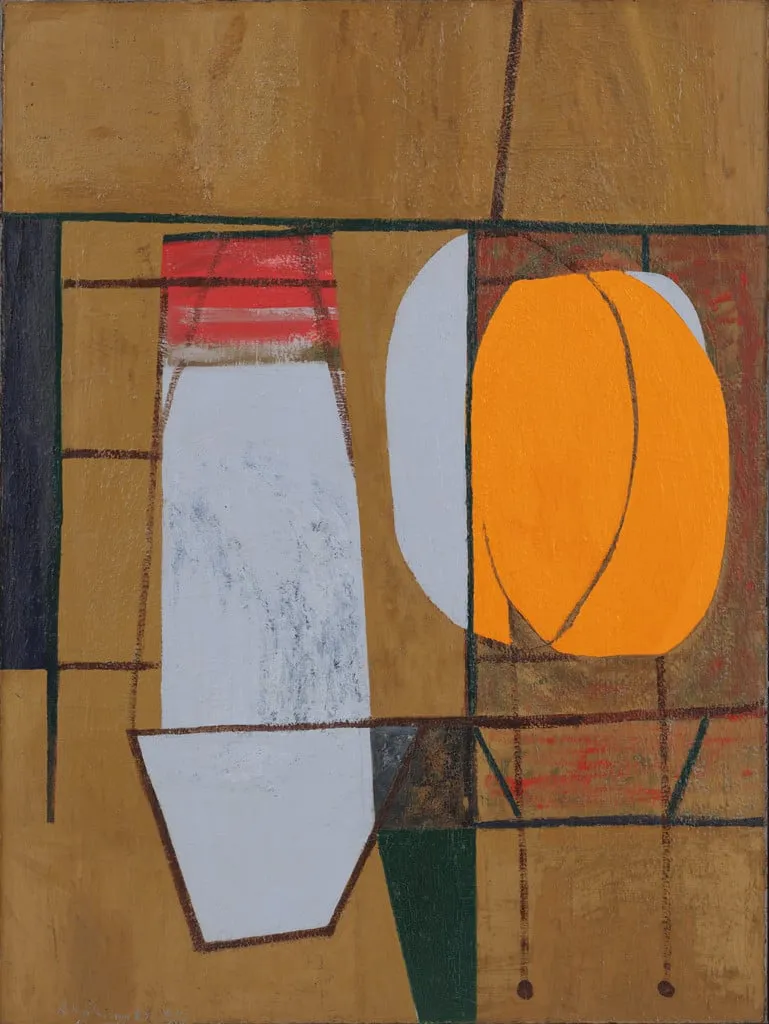
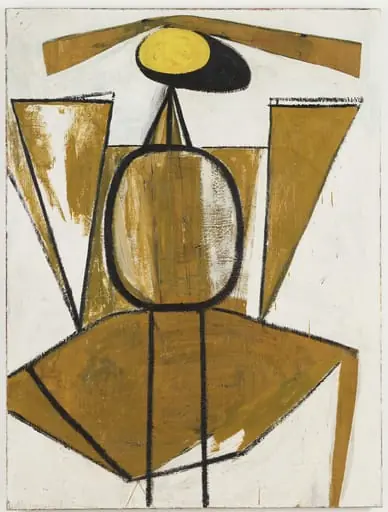
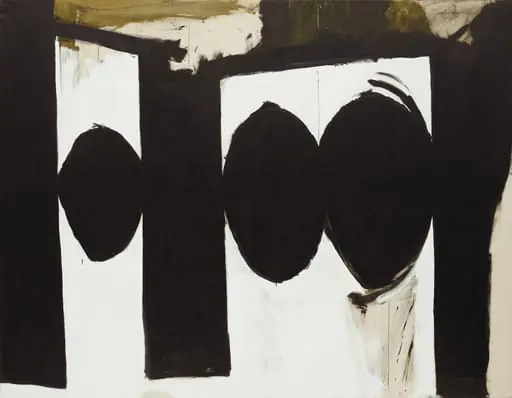
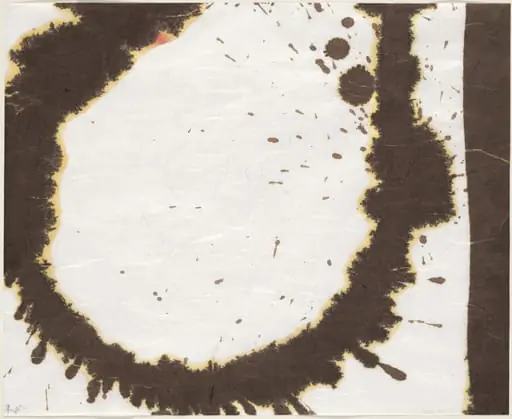
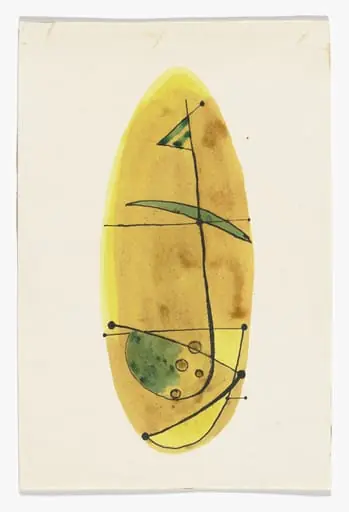
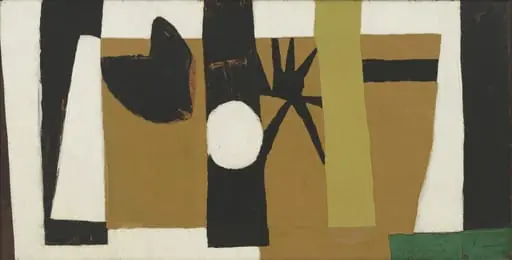
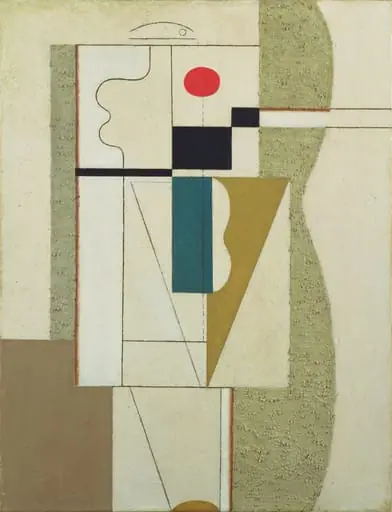
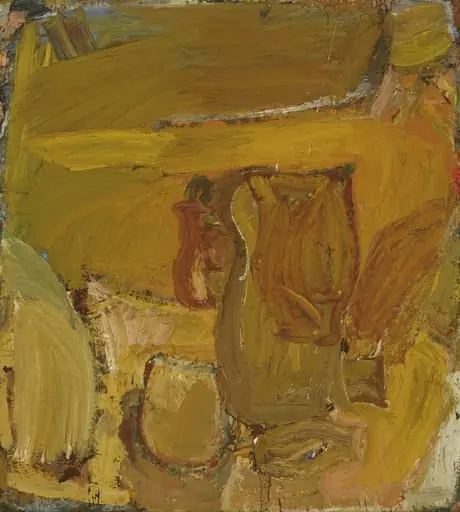
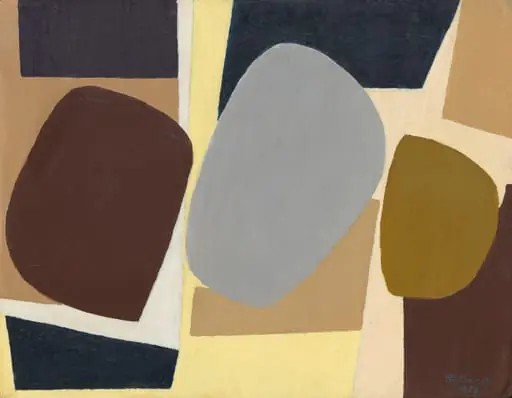
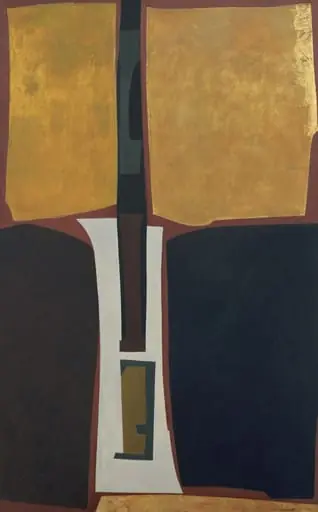
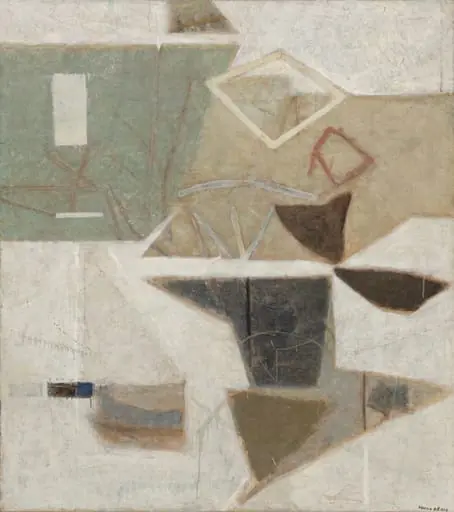
Untitled is an oil painting by the Abstract Expressionist artist Robert Mothé. It dates from 1946 and is held in the collection of the Museum of Modern Art. Created in 1946, this oil and sand painting on canvas is an early example of Robert Motherwell’s abstract expressionist practice.
About this work
Overview
The inclusion of sand in the pigment introduces texture and weight, distinguishing the work from purely brush-driven abstractions of the period.
Created in 1946, this oil and sand painting on canvas is an early example of Robert Motherwell’s abstract expressionist practice. As a central figure in the New York School, he combined physical materiality with formal experimentation. The inclusion of sand in the pigment introduces texture and weight, distinguishing the work from purely brush-driven abstractions of the period. Its raw surface and unrefined composition reflect a deliberate engagement with process over representation.
Subject & Meaning
The painting avoids figurative reference, instead proposing a visual dialogue between geometric forms: a tilted white rectangle, a vertical red band, and a rounded orange shape. These elements interact without hierarchy, generating subtle tension through imbalance and proximity. The absence of narrative intent aligns with the movement’s focus on emotional resonance through structure and material, inviting contemplation rather than interpretation.
Technique & Style
Motherwell applied thick layers of oil paint mixed with sand, creating a gritty, tactile surface. Brushstrokes are forceful and uneven, emphasizing the artist’s physical engagement with the canvas. The impasto technique, combined with the abrasive texture of sand, disrupts smoothness, grounding the composition in material reality. Colors are limited but intense—earthy browns, dark green, red, white, and orange—each placed to amplify visual contrast without harmony.
History & Provenance
Painted in 1946, this work emerged during a formative phase of Motherwell’s career, shortly after his involvement in editing *The Dada Painters and Poets*. It belongs to a series of early abstractions that helped define his artistic voice within the New York School. While its early ownership is not fully documented, it is recognized as part of his critical transition from intellectual inquiry to embodied painting practice.
Context
In the mid-1940s, New York artists were redefining painting through spontaneity and scale, reacting against European traditions. Motherwell, influenced by Surrealist automatism and European modernism, sought to merge intellectual rigor with physical gesture. This work reflects that synthesis: its simplicity of form contrasts with the complexity of its material construction, embodying the era’s broader cultural shift toward abstraction as a mode of existential expression.
Legacy
The use of sand and thick impasto in this painting prefigured later material experiments in post-war American art. Motherwell’s integration of texture as meaning influenced subsequent generations who valued the physicality of paint. Though not widely exhibited early on, this work remains a quiet but significant marker in the evolution of abstract expressionism, demonstrating how material choice could carry conceptual weight beyond color or composition alone.
Artist & collection

Artist
Robert Motherwell (January 24, 1915 – July 16, 1991) was an American abstract expressionist painter, printmaker, and editor of The Dada Painters and Poets: an Anthology.