Artwork
Rainsford's Island, Boston Harbor
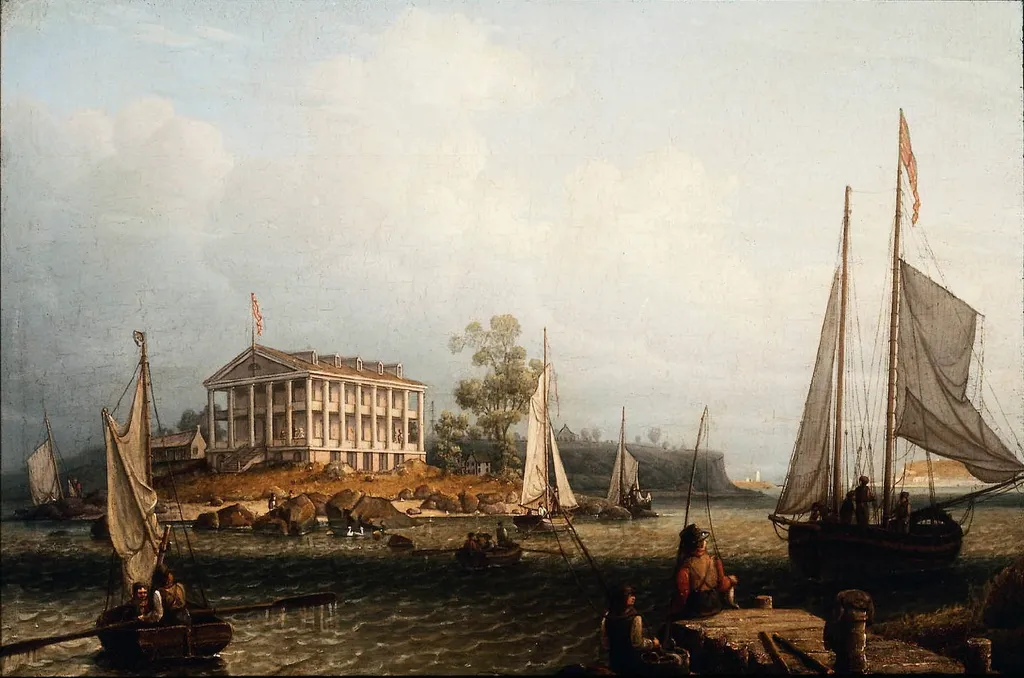
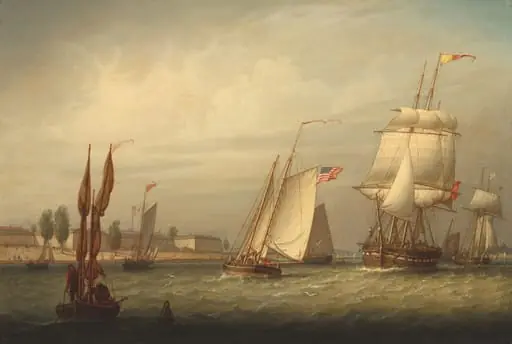
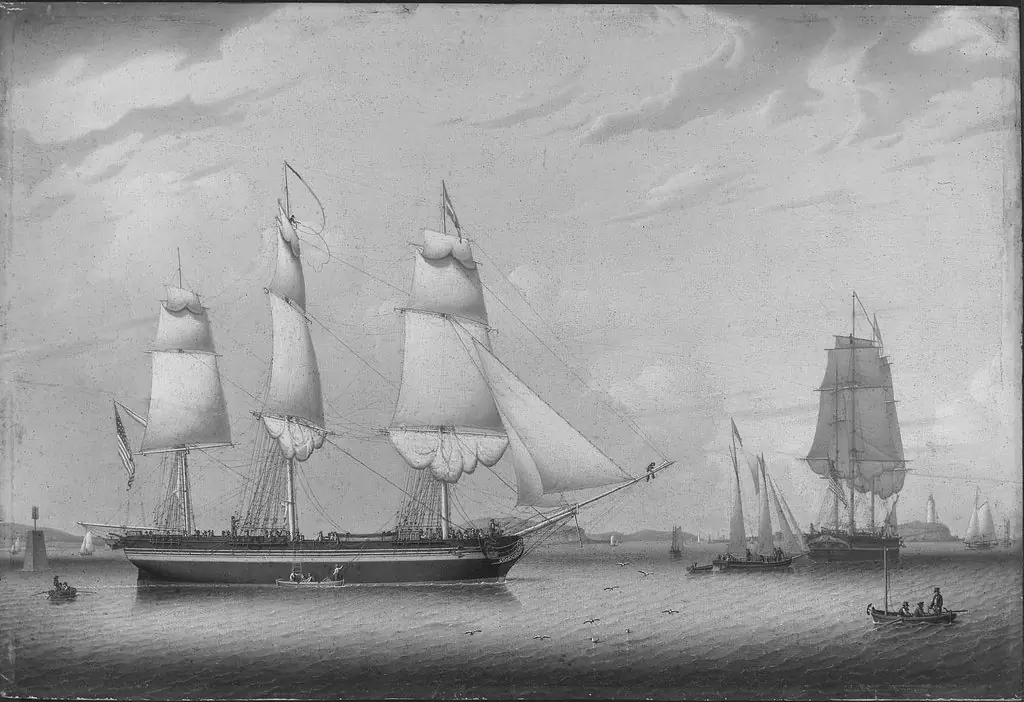
Rainsford's Island, Boston Harbor is an oil painting by the American Folk Art artist Robert Salmon. It dates from 1840 and is held in the collection of the Museum of Fine Arts Boston.
About this work
Overview
Painted in 1840 by Robert Salmon, *Rainsford's Island, Boston Harbor* is an oil-on-canvas depiction of a quiet coastal landscape in Massachusetts.
Painted in 1840 by Robert Salmon, *Rainsford's Island, Boston Harbor* is an oil-on-canvas depiction of a quiet coastal landscape in Massachusetts. Salmon, a British-born artist who spent much of his career in the United States, specialized in maritime subjects, producing nearly a thousand works centered on ships, harbors, and coastal life. This piece is part of the Museum of Fine Arts, Boston’s permanent collection and exemplifies his refined approach to light and atmosphere.
Subject & Meaning
The painting captures Rainsford’s Island in Boston Harbor during a calm afternoon, with several small sailboats anchored near the shore and figures engaged in quiet, everyday activities. A prominent white building with classical columns dominates the island’s skyline, likely a lighthouse or institutional structure. The absence of dramatic action and the gentle placement of figures suggest a contemplative mood, reflecting the harmony between human presence and the natural harbor environment.
Technique & Style
Salmon employed oil paint to achieve subtle gradations of light and texture, particularly in the sky and water. The soft blue heavens and diffused clouds are rendered with delicate brushwork, while the white sails and building surfaces catch ambient light with precision. His attention to atmospheric clarity and restrained color palette aligns with early luminist tendencies, emphasizing stillness and optical realism over narrative drama or emotional intensity.
History & Provenance
Robert Salmon migrated to the United States in the 1820s and became a prolific painter of American maritime scenes. *Rainsford's Island* was completed during his most active period in Boston, where he documented the harbor’s evolving commercial and recreational life. The painting entered the Museum of Fine Arts, Boston’s collection in the 20th century, where it remains as one of several works by Salmon that illustrate the city’s 19th-century coastal identity.
Context
In the 1840s, Boston Harbor was a hub of trade and leisure, with islands like Rainsford’s serving both functional and recreational roles. Salmon’s depiction reflects a growing cultural interest in local landscapes and maritime tranquility, distinct from the grander Romantic visions of nature common in Europe. His work contributed to a distinctly American visual language that valued quiet observation over theatricality.
Legacy
Though Salmon’s output was prolific, few of his works achieved widespread recognition during his lifetime. Later scholars identified his emphasis on light and serene composition as foundational to the American Luminist movement. *Rainsford's Island* stands as a representative example of his contribution to early American landscape painting, influencing how coastal scenes were rendered with calm precision rather than dramatic flourish.
Artist & collection

Artist
Robert Salmon (1775 – c. 1845) was a maritime artist, active in both England and America. Salmon completed nearly 1,000 paintings, all save one of maritime scenes or seascapes. He is widely considered the Father of American Luminism.

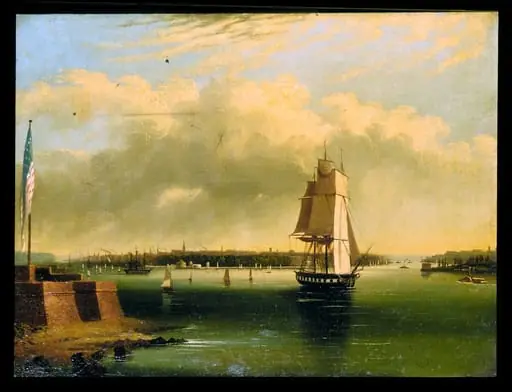 Bay and Harbor of New York from Bedlow's Island
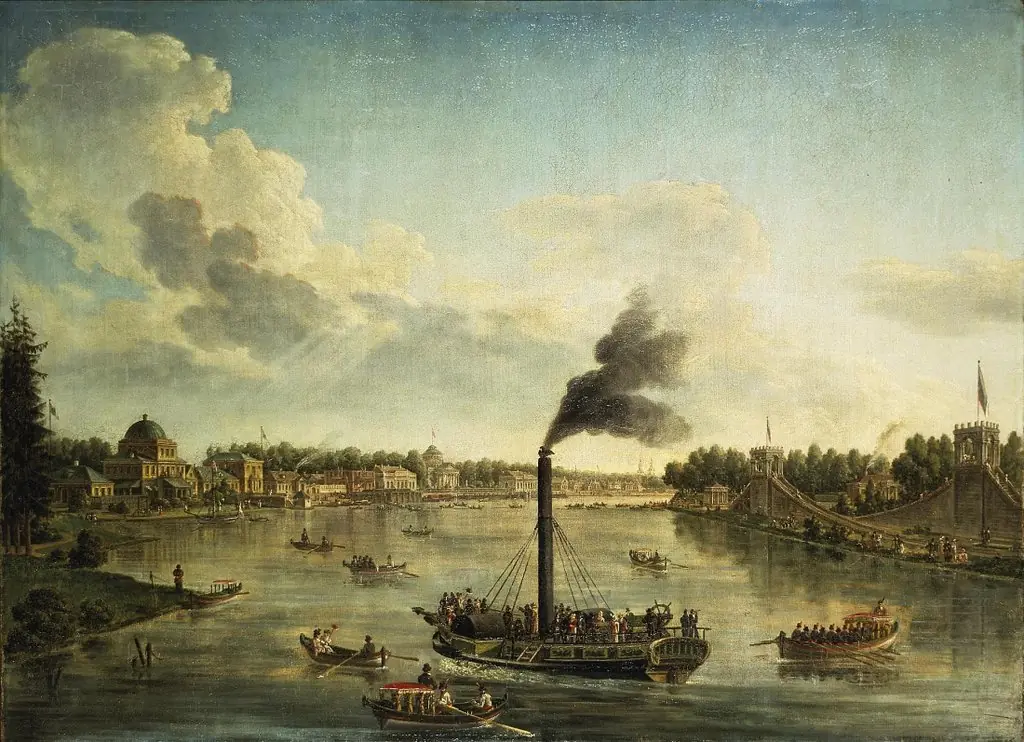 The View of Islands in St Petersburg
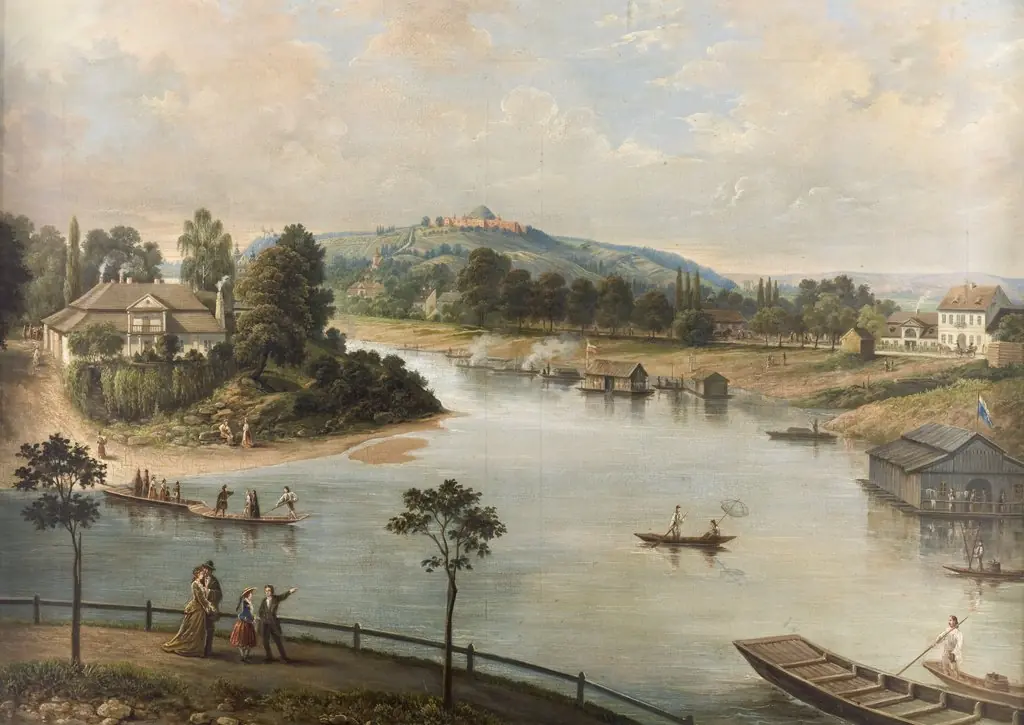 View of Krakow
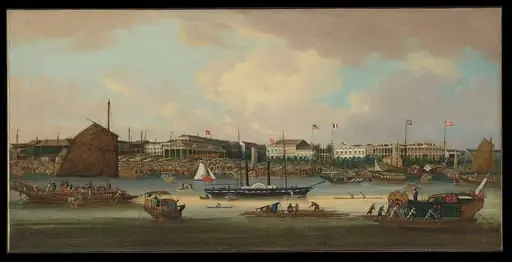 Canton Waterfront (The Hongs at Canton)
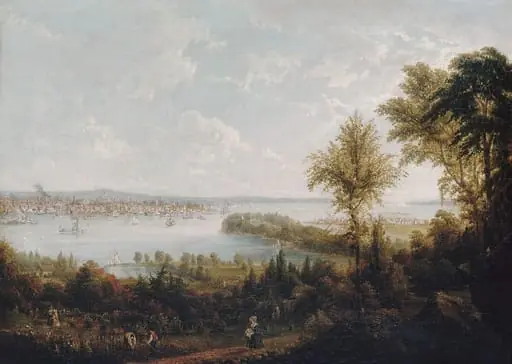 View of the Bay and City of New York from Weehawken
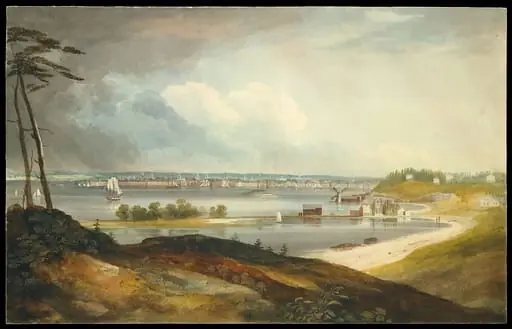 New York from the Heights near Brooklyn
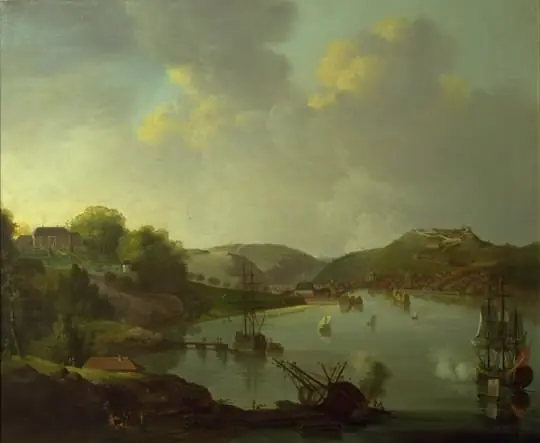 Udsigt over Frederikshald i Norge
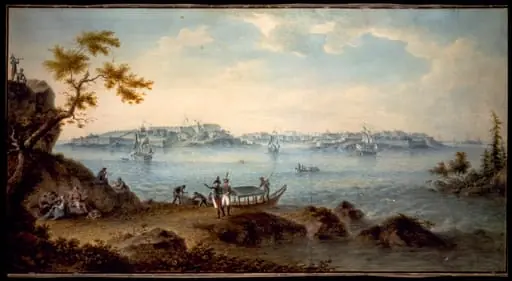 Viapori nähtynä Vallisaarelta n. 1809
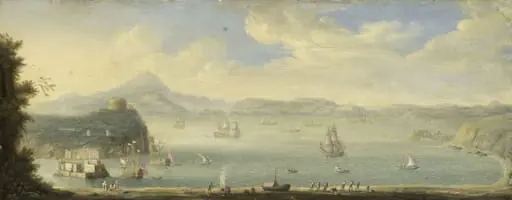 View of the Gulf of Naples