Artwork
Untitled
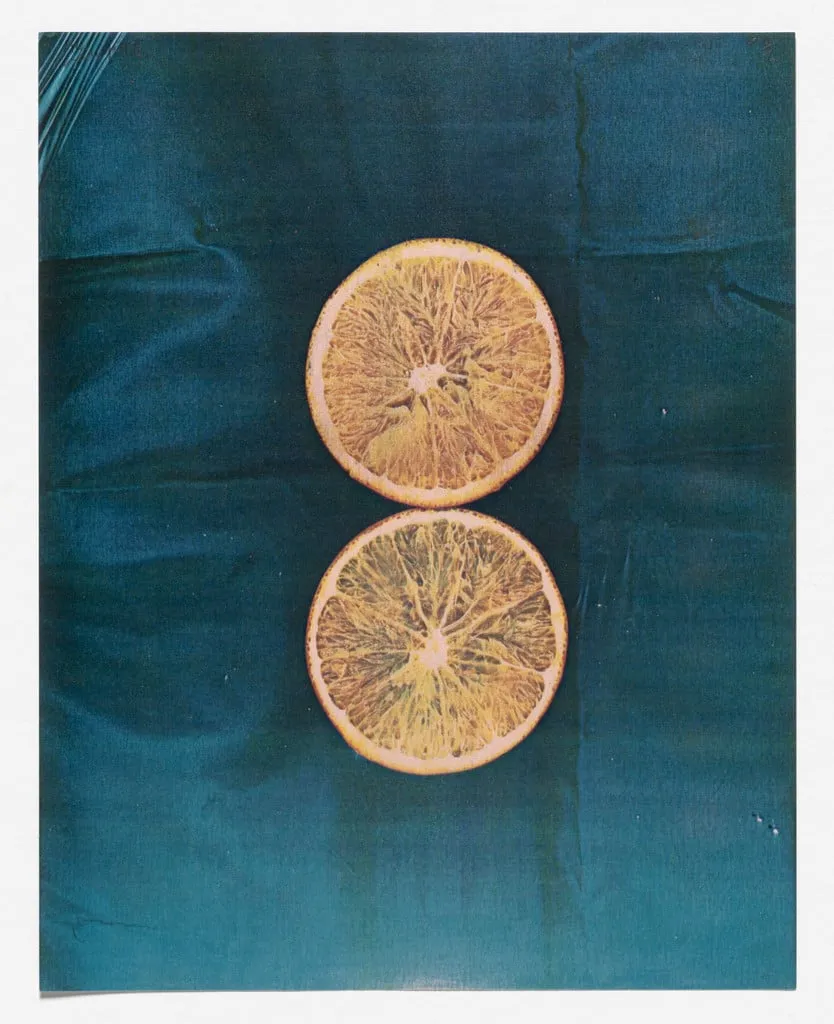
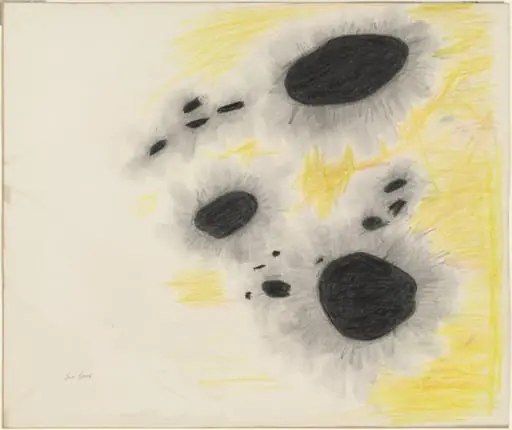
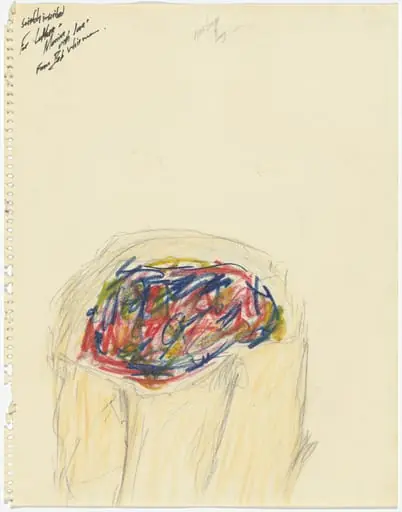
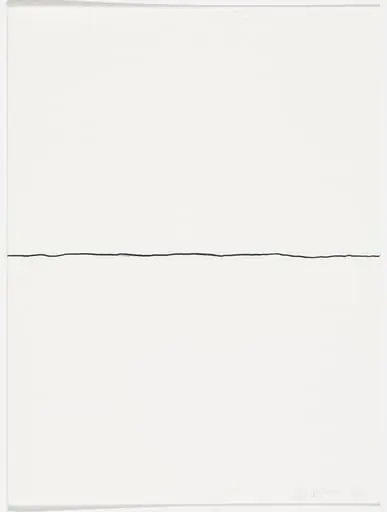
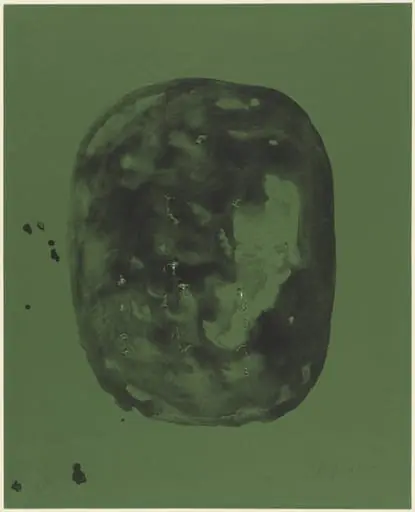
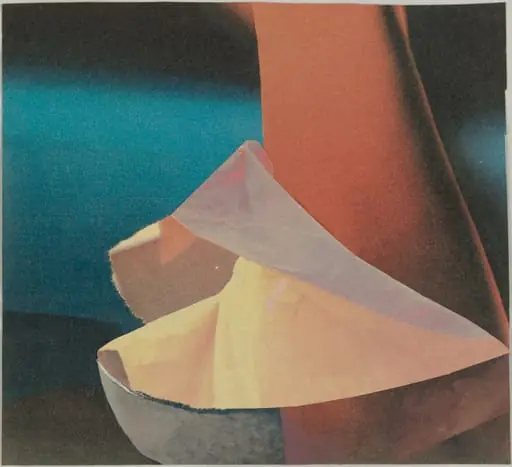
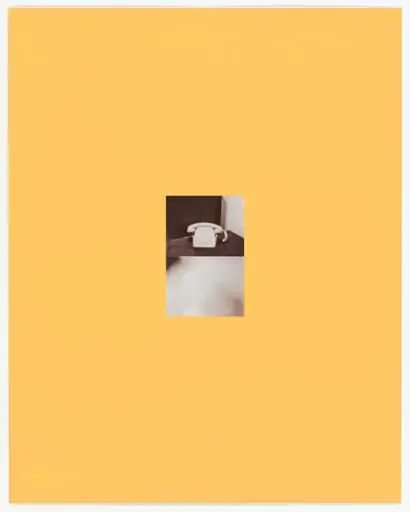
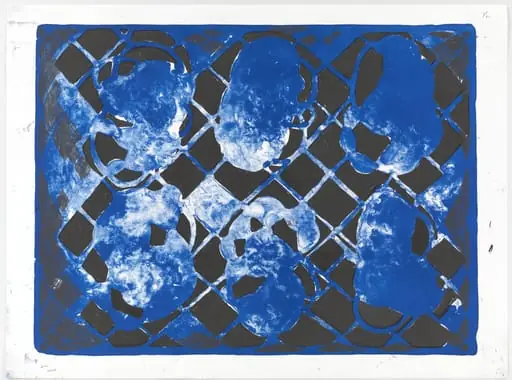
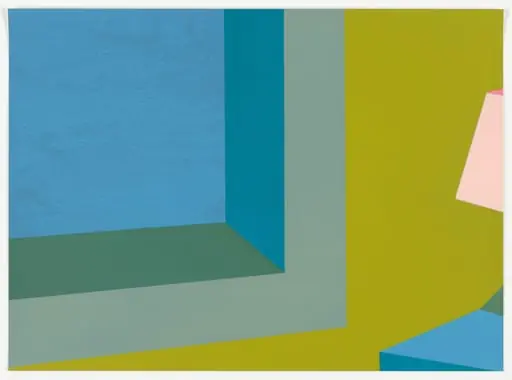
Untitled is a paint print by Robert Whitman. It dates from 1974 and is held in the collection of the Museum of Modern Art.
About this work
Overview
Robert Whitman created Untitled in 1974 as a set of twenty color photocopies. Unlike traditional prints, this work relies on the mechanical reproduction of a simple still life, emphasizing the materiality of the copying process. The Museum of Modern Art holds the set as part of its collection of conceptual and experimental prints from the 1970s.
Subject & Meaning
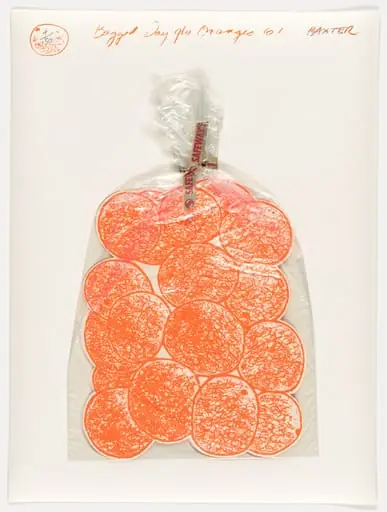
The subject consists of two halved orange slices arranged side by side on a dark blue ground. The fruit’s vivid flesh and scattered seeds are rendered with clinical clarity, inviting attention to form and hue rather than symbolism. The work avoids narrative, instead treating the fruit as an object of visual study, stripped of context or cultural association.
Technique & Style
Whitman used color photocopying, a then-emerging technology, to capture the oranges with high saturation and sharp contrast. The dark background enhances the oranges’ luminosity, while the texture of the paper surface introduces subtle imperfections. The repetition of twenty copies underscores the serial nature of the medium, challenging notions of originality in art.
History & Provenance
Created in 1974, Untitled emerged during a period when artists were exploring photomechanical processes as alternatives to traditional printmaking. The work entered The Museum of Modern Art’s collection shortly after its creation, reflecting the institution’s interest in experimental media and the dematerialization of the art object during the 1970s.
Context
In the mid-1970s, artists like Whitman turned to photocopying to question authorship, reproduction, and the uniqueness of the artwork. This piece aligns with broader movements that embraced everyday subjects and industrial processes, rejecting romanticized notions of craftsmanship in favor of conceptual rigor and mechanical repetition.
Legacy
Untitled contributes to a lineage of works that treat reproduction as a creative act rather than a mere duplication. Its use of accessible technology influenced later artists exploring the aesthetics of copying, scanning, and digital replication, positioning Whitman as an early adopter of post-industrial visual strategies.
Artist & collection

Artist
Robert Whitman was an American artist best known for his seminal theater pieces of the early 1960s combining visual and sound images, actors, film, slides, and evocative props in environments of his own making.