Artwork
John Jackson (1801–1848), the Wood-Engraver at Work
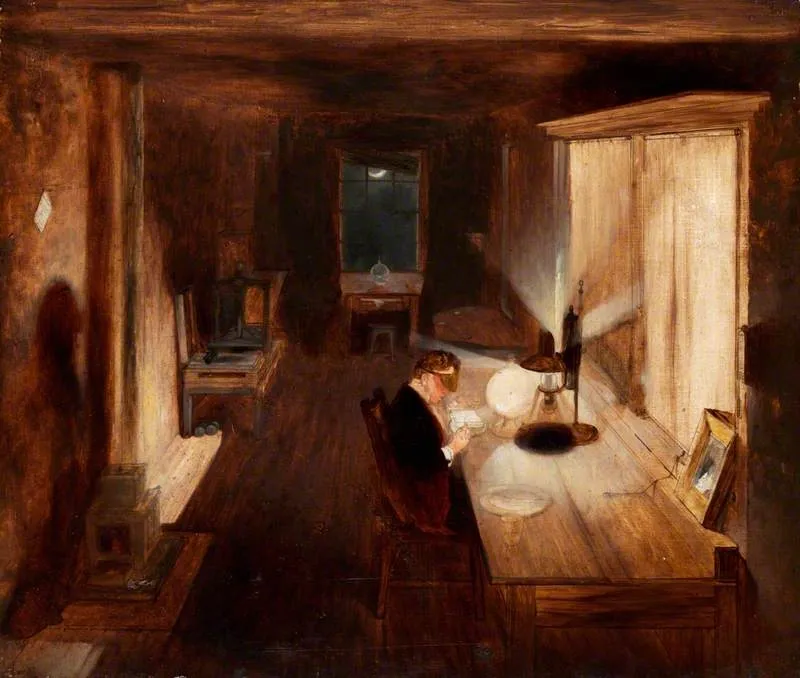
John Jackson (1801–1848), the Wood-Engraver at Work is an oil painting by the Realist artist Robert William Buss. It dates from 1849 and is held in the collection of the Victoria and Albert Museum.
About this work
Overview
This oil painting, created around 1849 by Robert William Buss, portrays John Jackson, a wood-engraver, immersed in his craft. The work is characterized by a realistic style typical of the Victorian era.
Subject & Meaning
The subject, John Jackson (1801–1848), is depicted in a state of intense focus, highlighting the dedication and concentration required in wood-engraving. The scene conveys the importance of traditional craftsmanship.
Technique & Style
The painting employs chiaroscuro, leveraging a single light source to create strong contrasts between light and dark. This technique enhances the sense of depth and volume, drawing attention to Jackson's hands and face.
History & Provenance
Painted by Robert William Buss, also known for *Dickens' Dream*, the work is now part of the Victoria and Albert Museum's collection. Buss's daughter, Frances, was a notable figure in girls' education advocacy.
Context
Created in the late 19th century, the painting reflects the Victorian appreciation for realism and the dignity of artisanal labor. It contrasts with the emerging industrialization of the time, emphasizing traditional skill.
Legacy
While not widely renowned outside of its collection, the painting provides insight into Victorian artistic values and the lives of skilled craftsmen during the era. It remains a testament to the detailed work of both its subject and creator.
Artist & collection
Artist
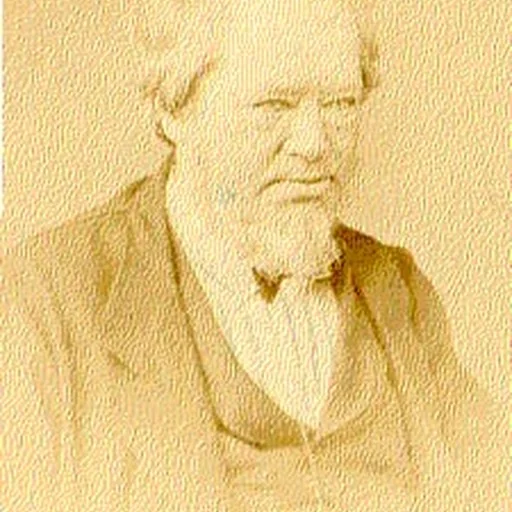
Robert William Buss (4 August 1804 – 26 February 1875) was a Victorian artist, etcher and illustrator perhaps best known for his painting Dickens' Dream. He was the father of Frances Buss, a pioneer of girls' education.

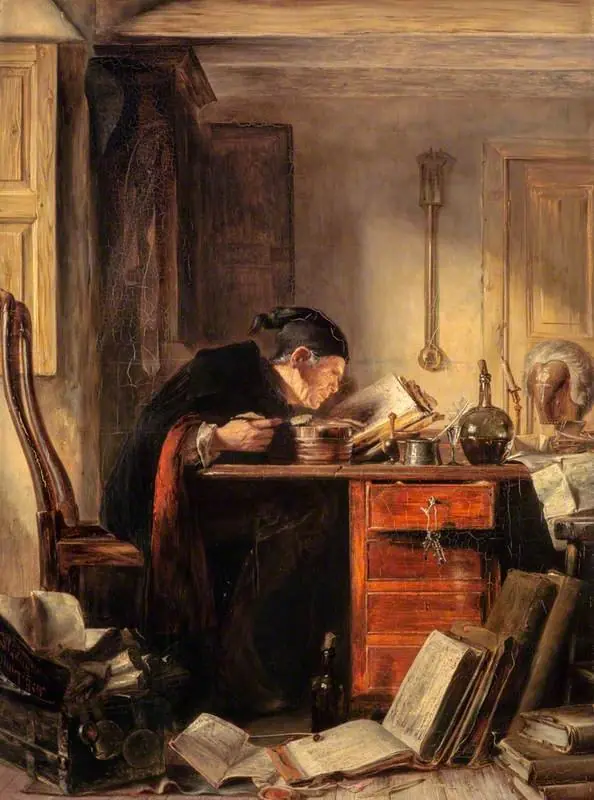 Bailie Duncan McWheeble at Breakfast (from Scott's 'Waverley')
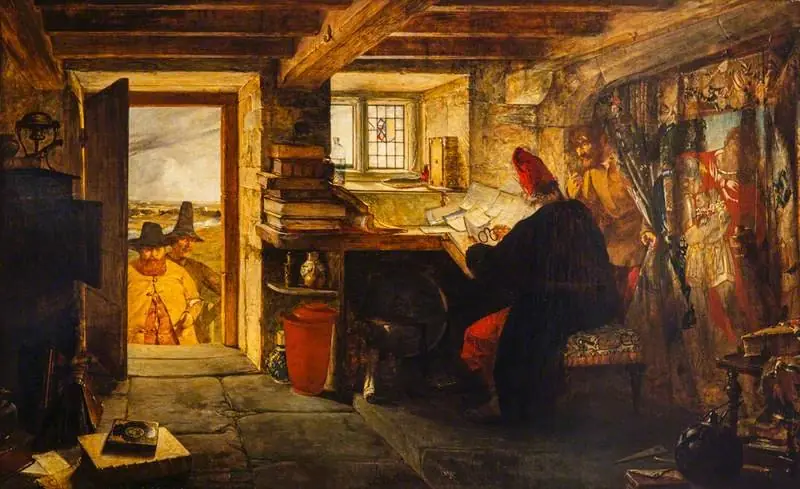 Hudibras and Ralph Visiting the Astrologer (from Butler's 'Hudibras')
 Turner's Body lying in State, 29 December 1851
 Interior of a studio
 A Quiet Day in the Studio
 The Office of Don Manuel Romero de Terreros in Paris
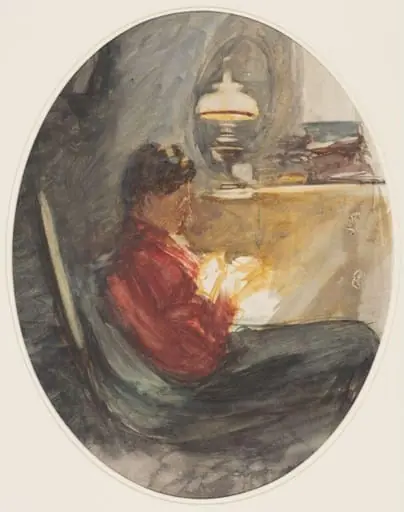 Gertrude Terry, sewing by lamplight
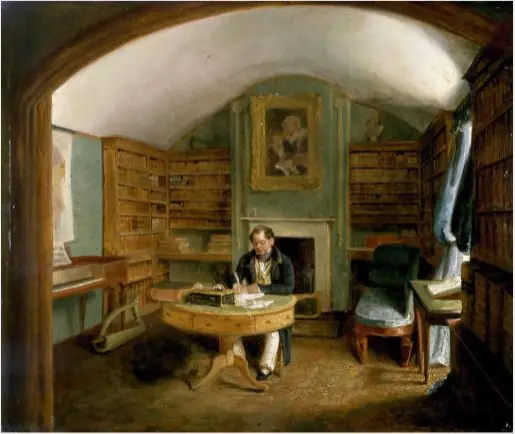 Portrait of Thomas Moore in his Study at Sloperton Cottage
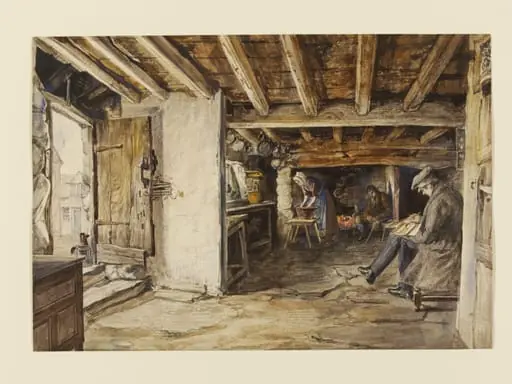 Interior of a cottage, North Wales
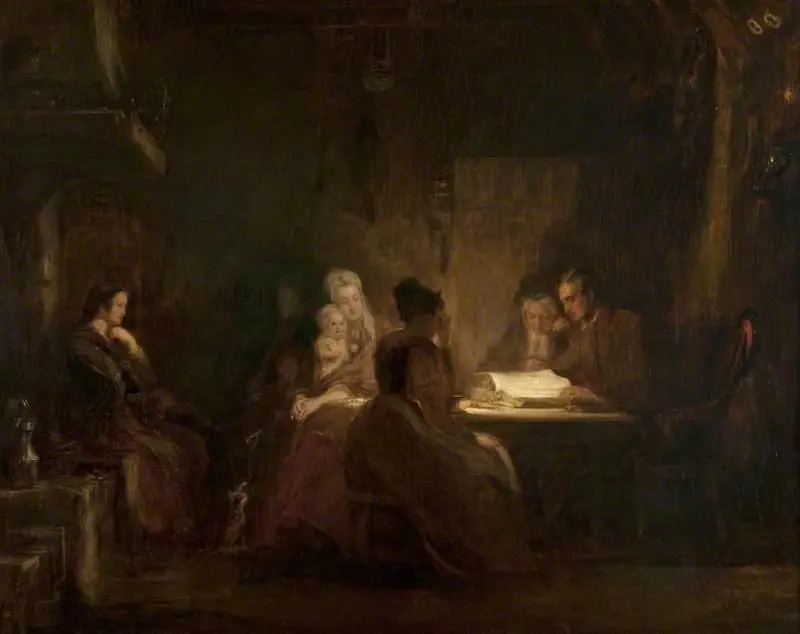 The Cottar's Saturday Night
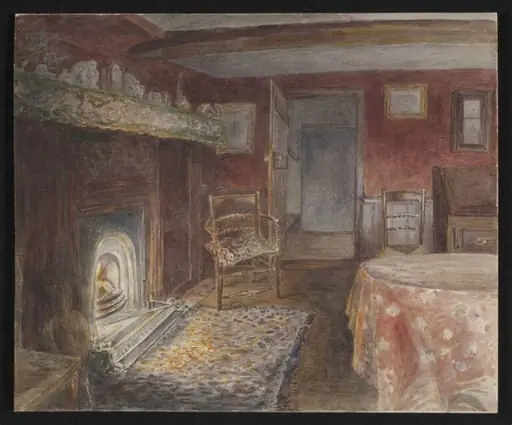 A winter evening
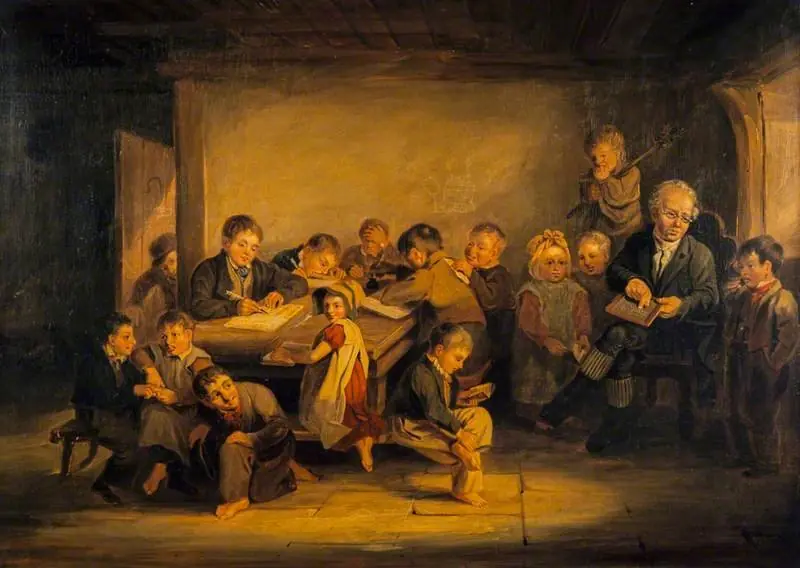 The Village School