Artwork
Turner's Body lying in State, 29 December 1851
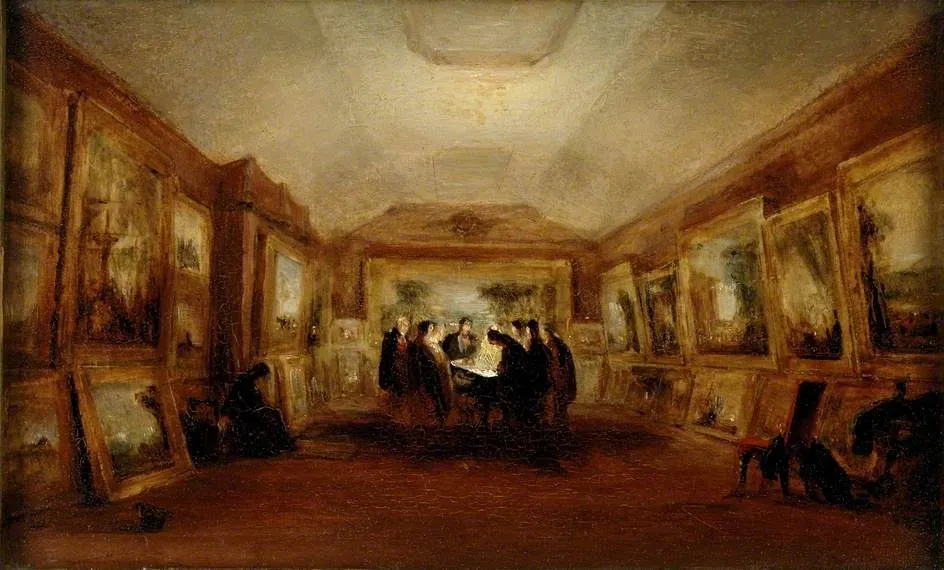
Turner's Body lying in State, 29 December 1851 is an unspecified painting by George Jones. It is held in the collection of the Ashmolean Museum.
About this work
Overview
Turner's Body lying in State, 29 December 1851, is a painting capturing a solemn moment of mourning. At its center, a body lies in state, surrounded by figures in quiet contemplation, set within a dimly lit interior illuminated by sparse candlelight.
Subject & Meaning
The subject is a dignified depiction of mourning rituals, conveying reverence and solemnity through the composed postures of the attendants and the hushed, candlelit atmosphere. The identity of the deceased is not specified, suggesting a focus on the universal ritual of paying respects rather than individual commemoration.
Technique & Style
The painting employs chiaroscuro, leveraging strong contrasts between light and dark to evoke a sense of somberness. Muted color palettes and soft, candlelit illumination further enhance the mournful ambiance, characteristic of a subdued, reflective aesthetic.
History & Provenance
Created on 29 December 1851, specific details regarding the painting's commission, initial reception, and early ownership history are not provided in the available information.
Context
The work reflects 19th-century funeral practices among the upper classes or public figures, where lying in state was a customary honor. The somber tone aligns with Victorian-era mourning customs, emphasizing dignity and respect in bereavement.
Legacy
The painting's legacy is not explicitly detailed in the provided information, though its depiction of mourning and use of chiaroscuro may influence or reflect broader artistic explorations of light, shadow, and solemn themes in the period.
Artist & collection
Artist
A British painter of European cityscapes and battle scenes in the early 1800s, George Jones specialized in oil scenes that feel like postcards from the past.

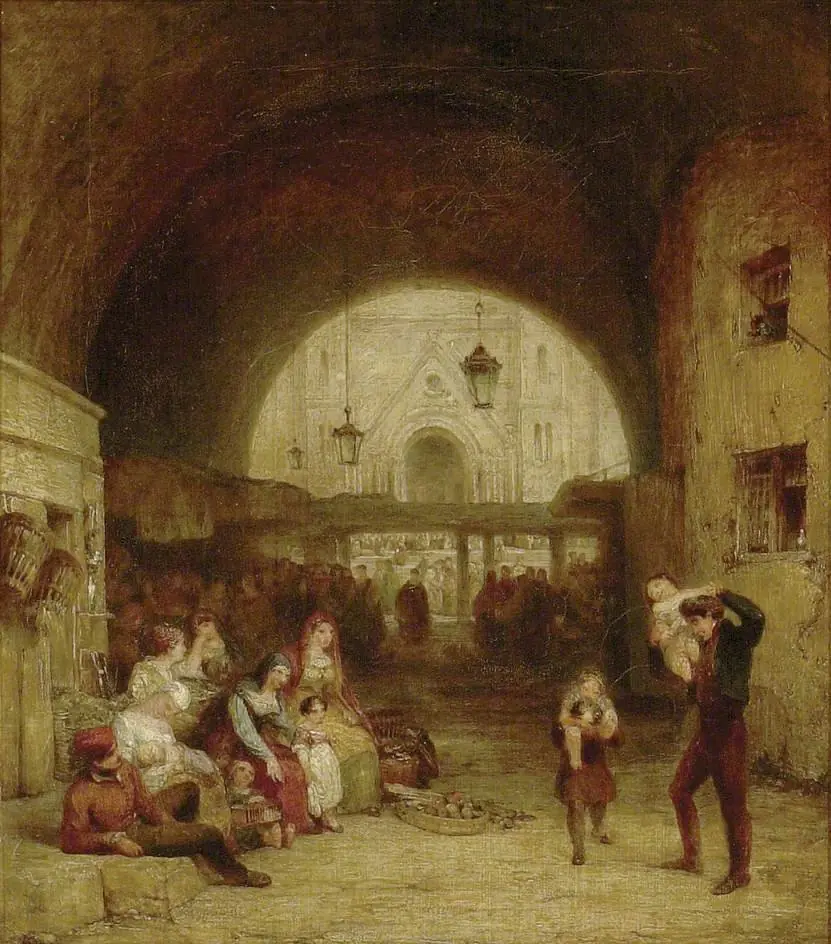 An Archway at Bologna, with the Piazza Maggiore beyond
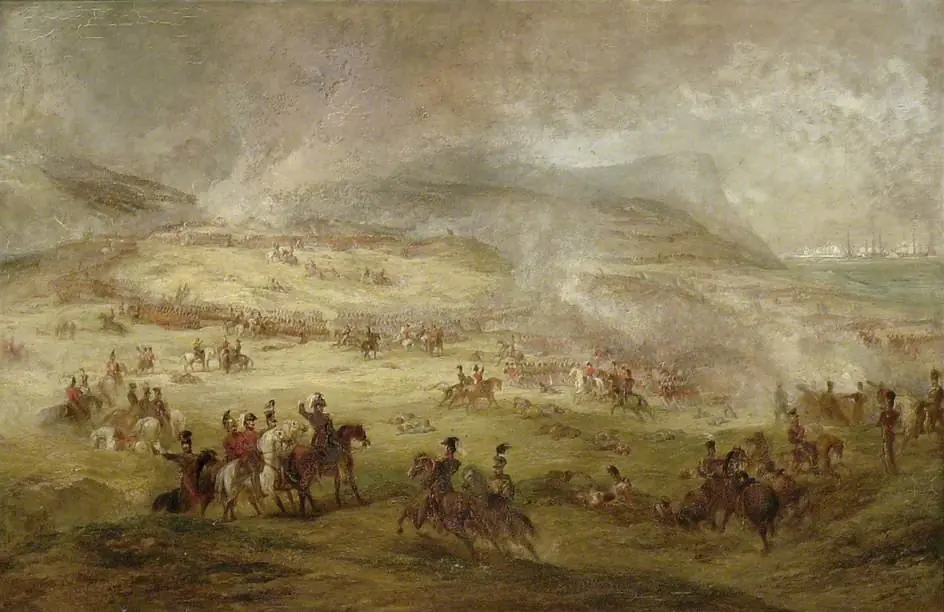 The Battle of the Alma
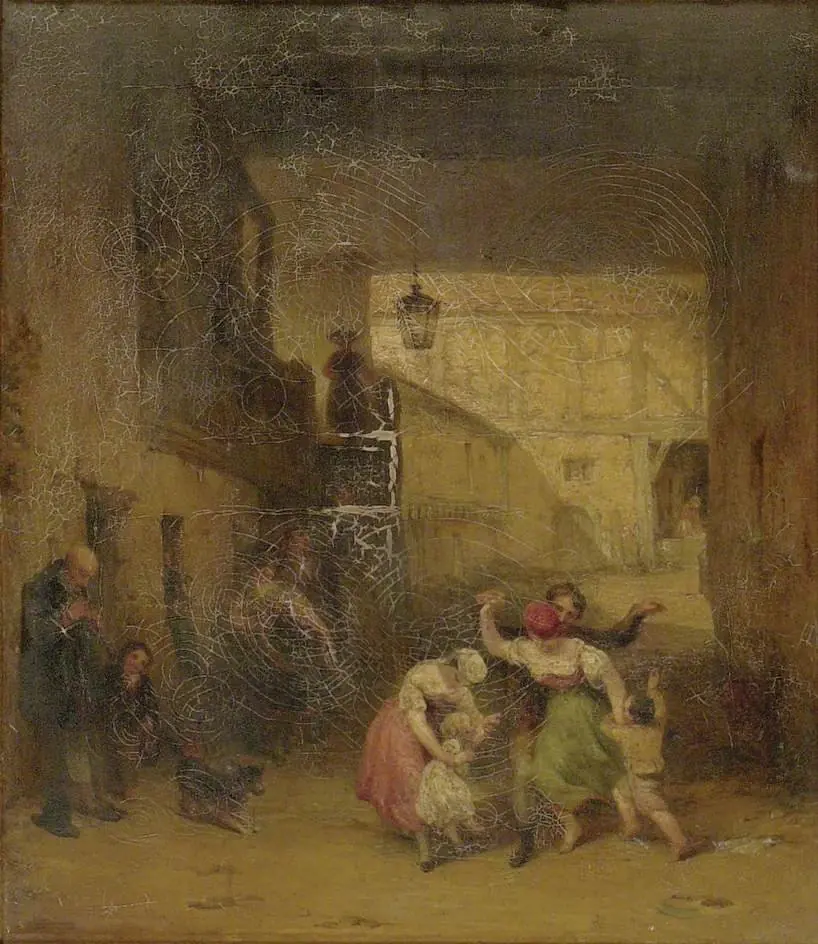 Wollenberg: Entrance to a Courtyard
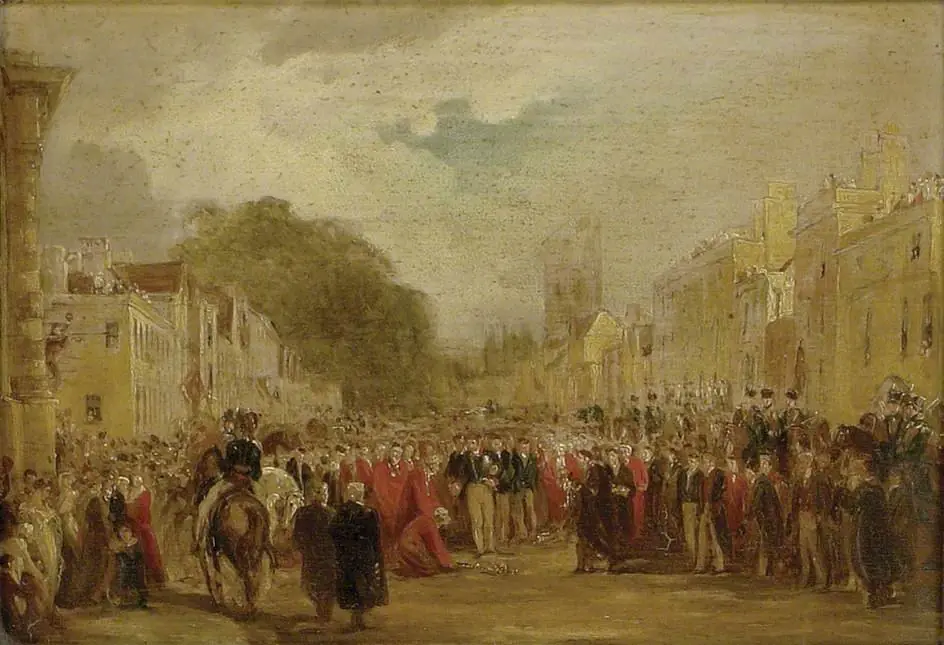 Sketch for 'H.R.H. the Prince Regent received by the University and City of Oxford, June 14, 1814'
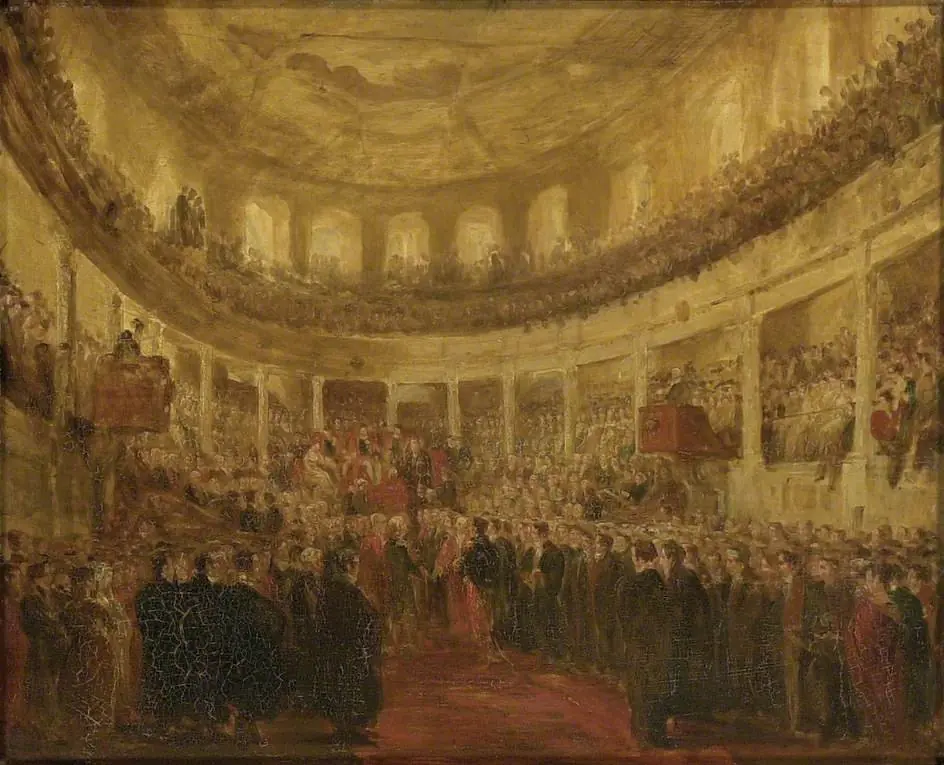 The Conferment of Honorary Degrees on the Allied Sovereigns in the Sheldonian Theatre
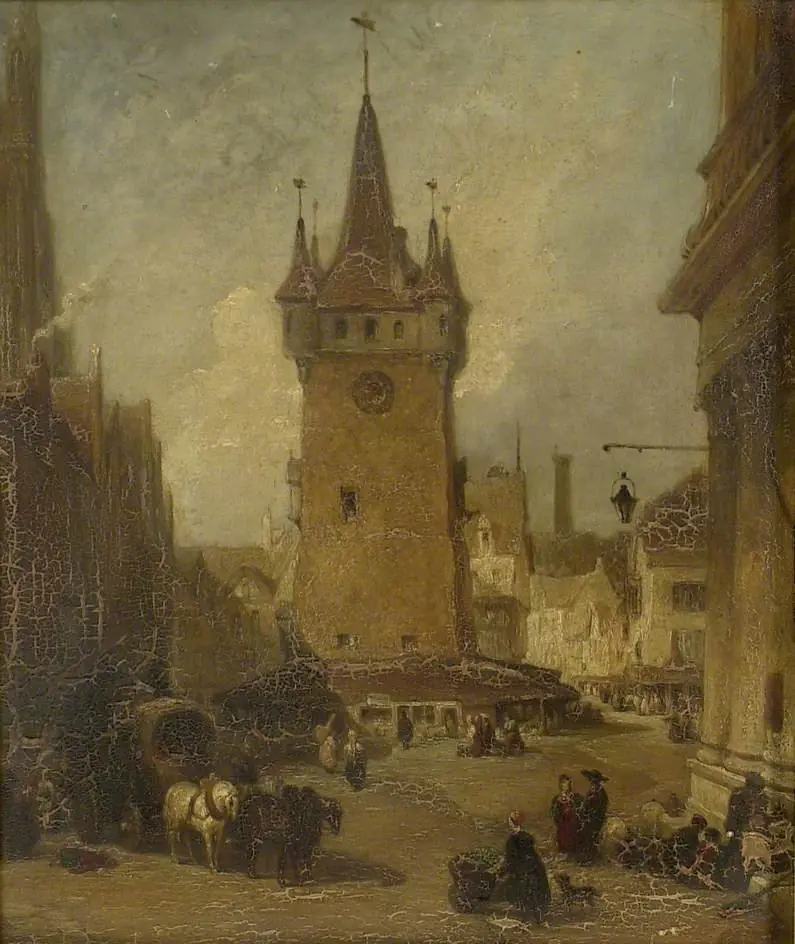 Market Place at Péronne
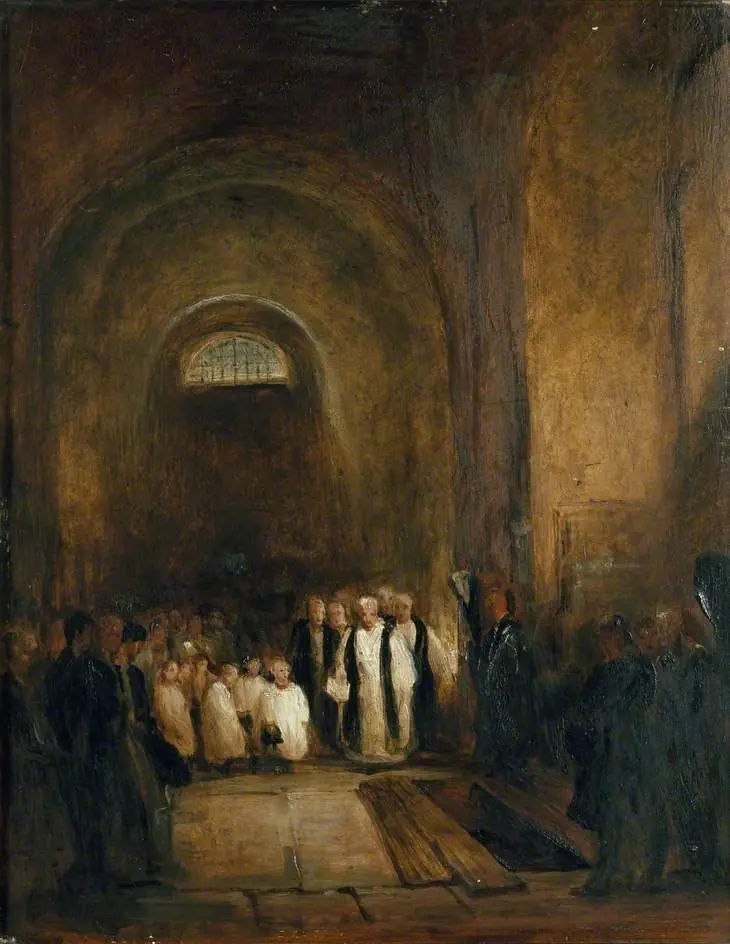 Turner's Burial in the Crypt of St Paul's
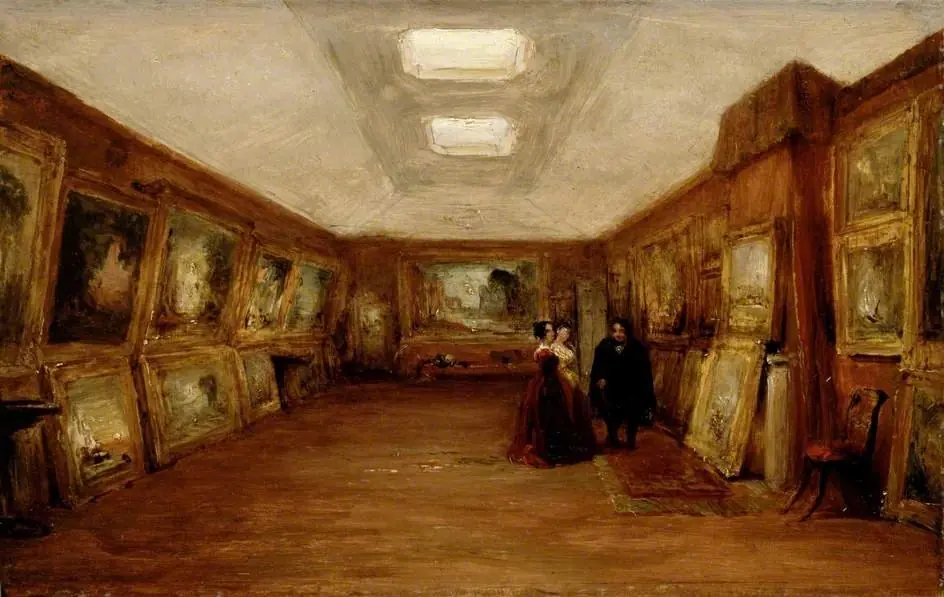 Interior of Turner's Gallery: The Artist showing his Works
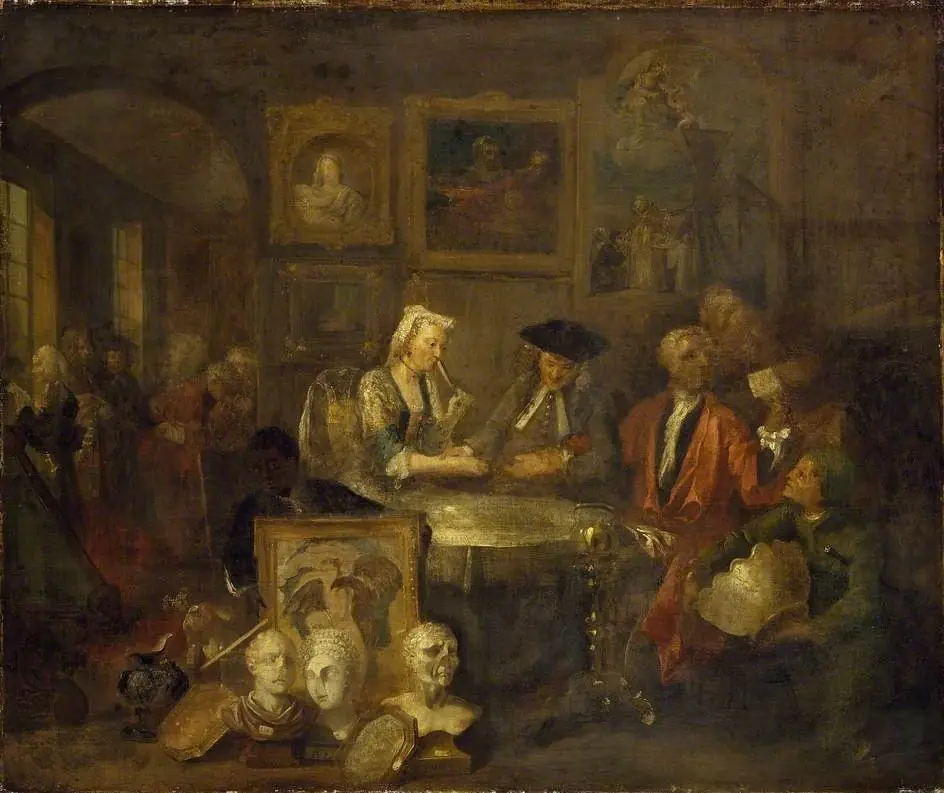 The Marriage Contract
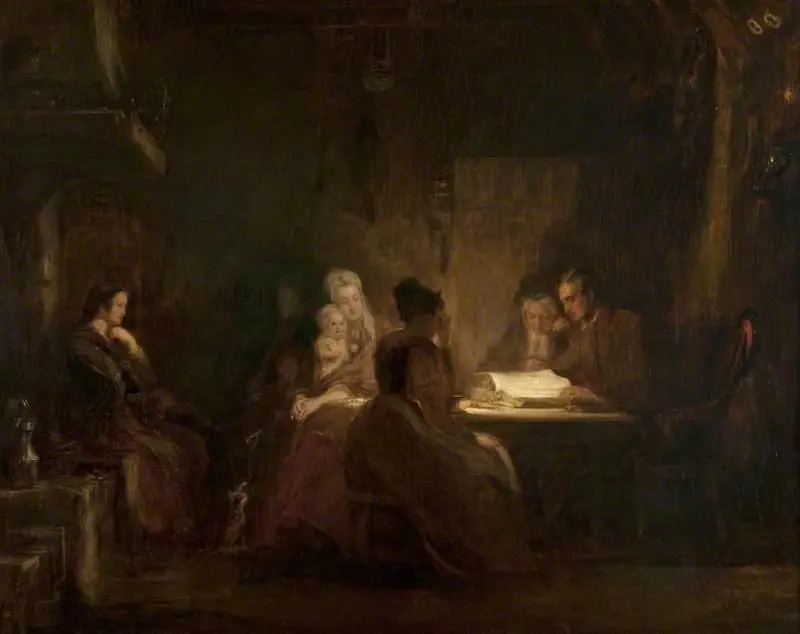 The Cottar's Saturday Night
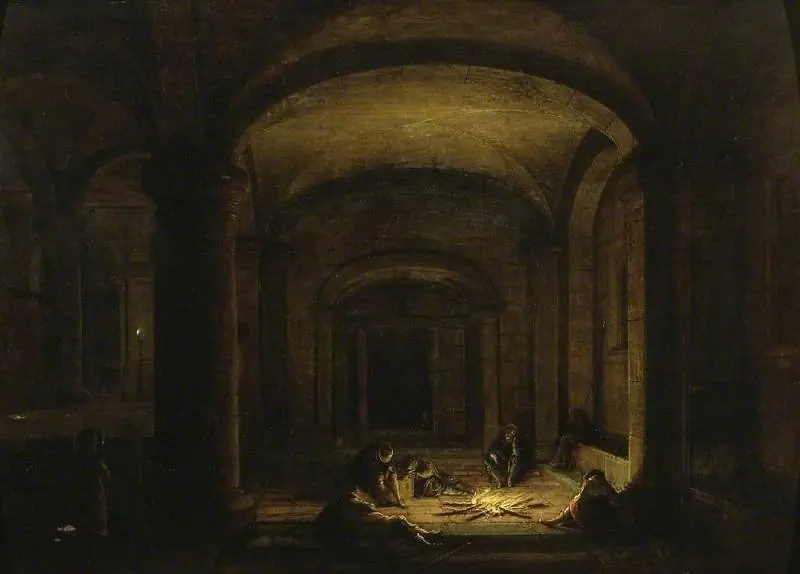 The Liberation of St Peter
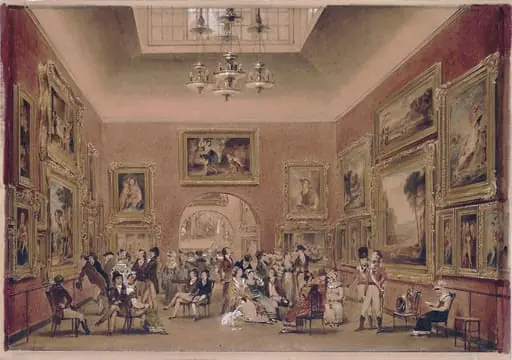 The Interior of the British Institution
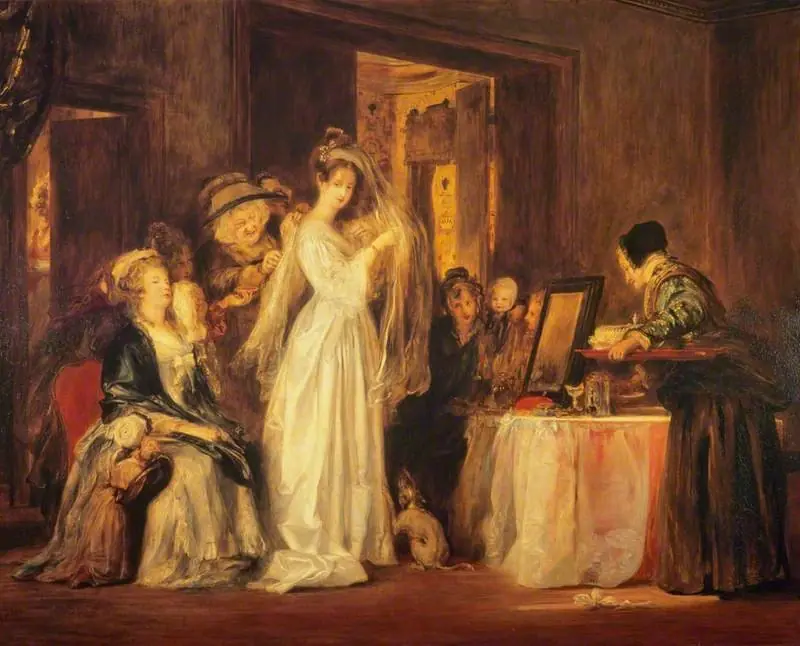 The Bride at her Toilet on the Day of her Wedding
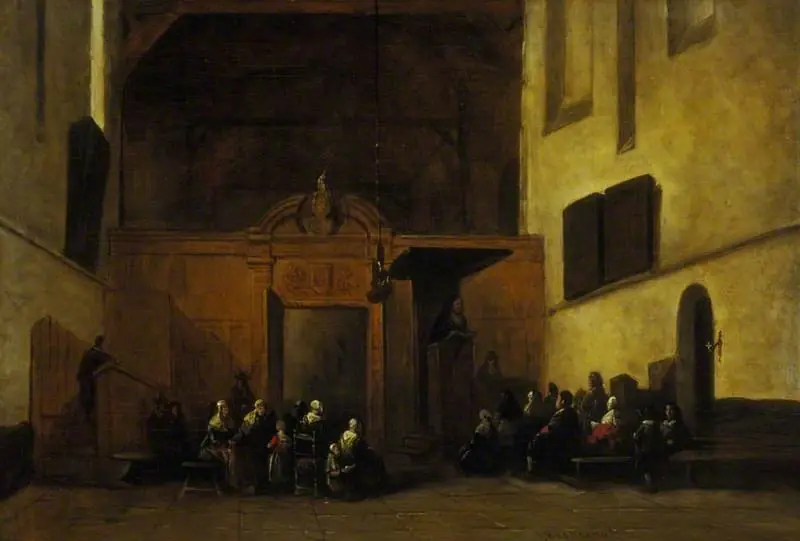 The Preacher
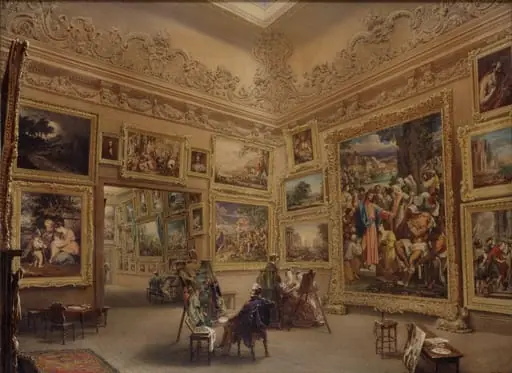 The National Gallery when at Mr J. J. Angerstein's House, Pall Mall
 Antes de continuar el retrato
 Concert in the Paris Home of Pierre Crozat
 Interior of a Dominican Convent in Madrid