Artwork
Αφαίρεση (Ρήγμα)
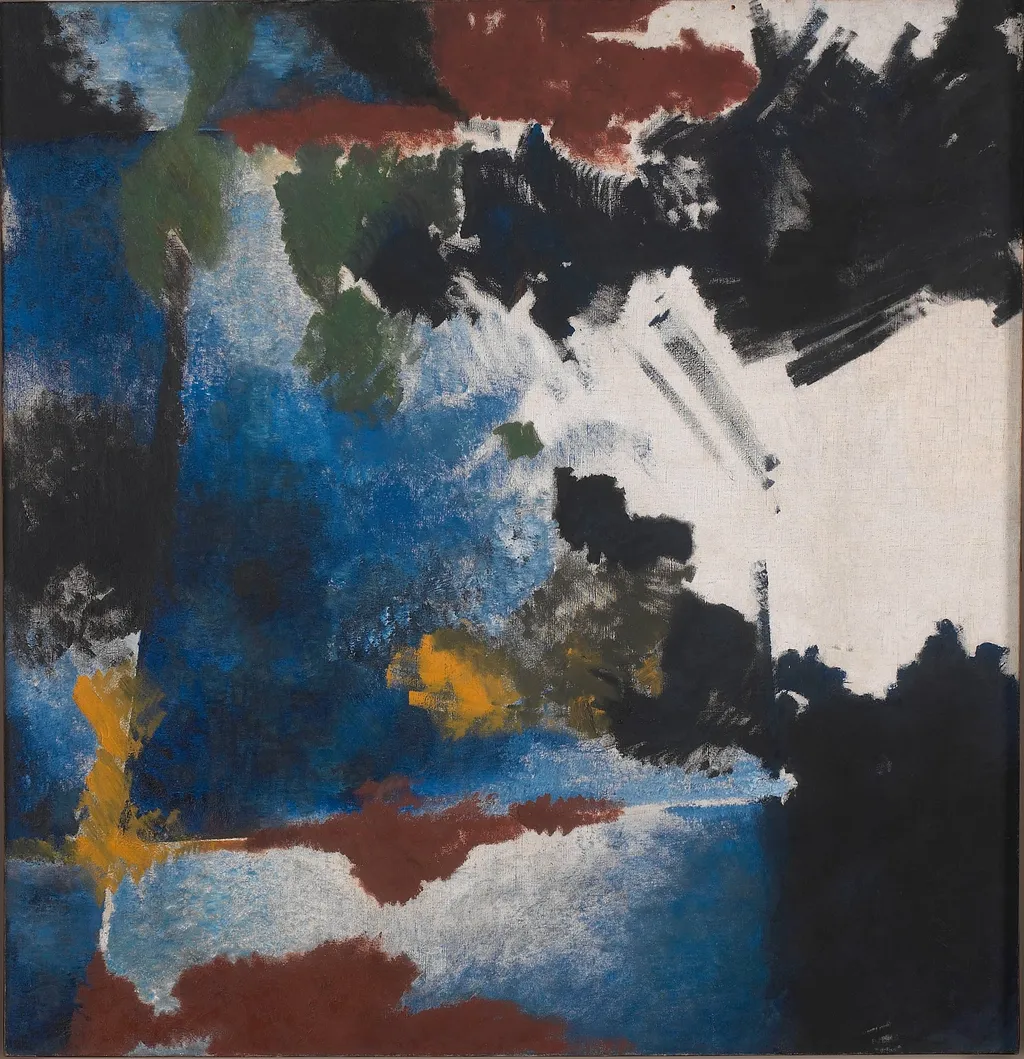
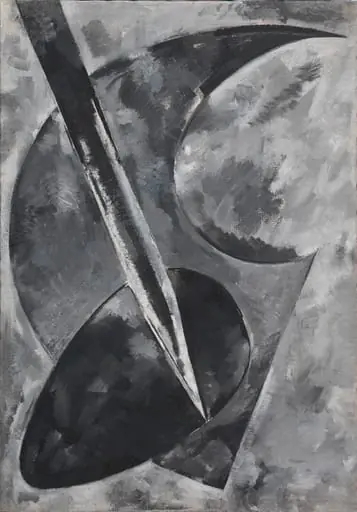
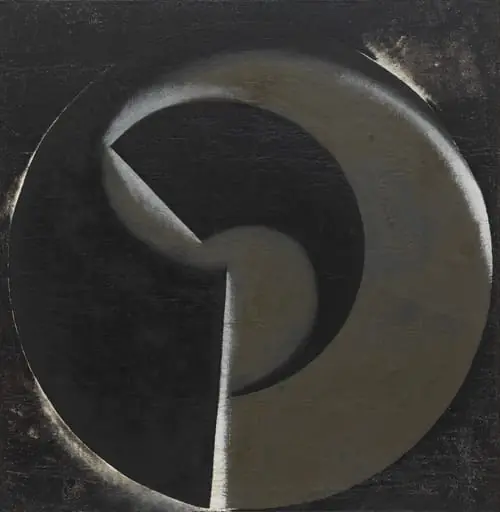
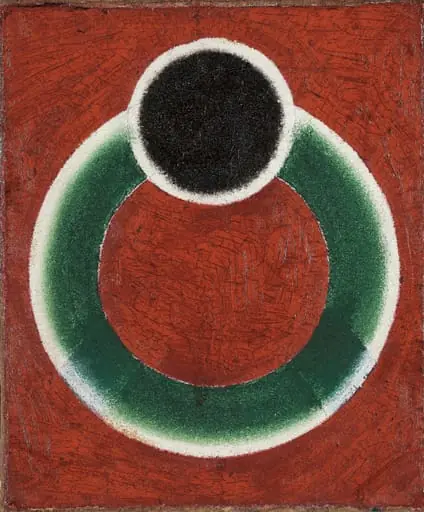
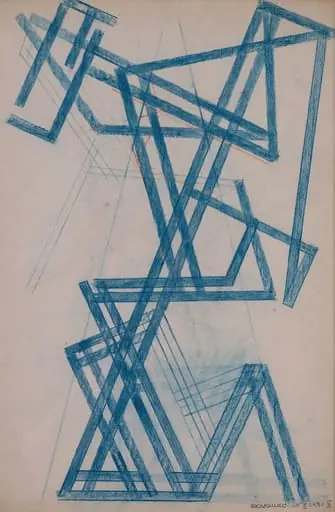
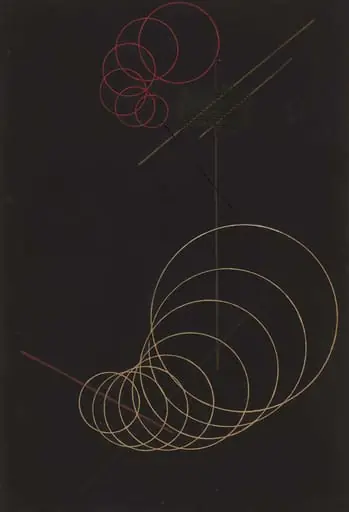
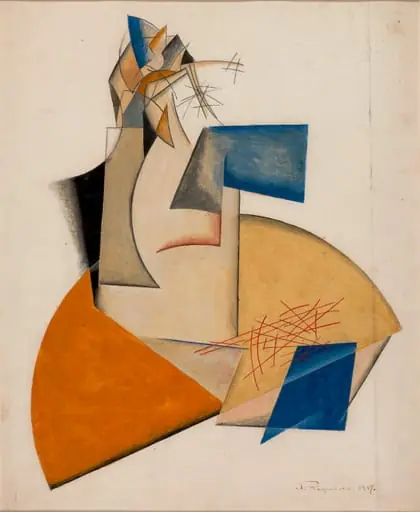
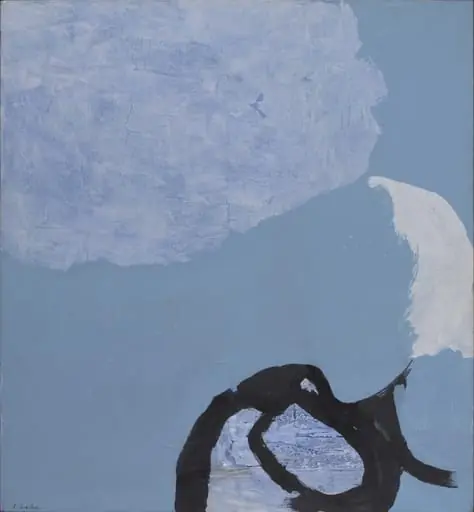
Αφαίρεση (Ρήγμα) is an unspecified painting by the Constructivist artist Aleksandr Rodchenko. It dates from 1933 and is held in the collection of the Metropolitan Organisation of Museums of Visual Arts of Thessaloniki – MOMus.
About this work
Overview
Created in the early 20th century, this work emerges from the Russian avant-garde movement, a period of radical artistic experimentation between 1910 and 1930.
Created in the early 20th century, this work emerges from the Russian avant-garde movement, a period of radical artistic experimentation between 1910 and 1930. It reflects a cultural shift following political upheaval, industrialization, and societal unrest. The piece strips away traditional representation, focusing instead on pure form and color as vehicles for new visual language. Its minimalism signals a break from academic conventions and an embrace of abstraction as a response to a transforming world.
Subject & Meaning
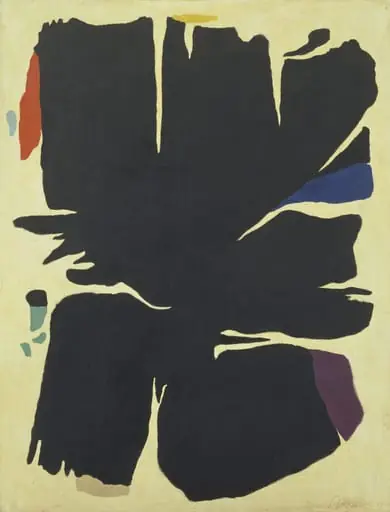
The composition presents no figurative elements—only a sharp black line dividing a red and white plane. This rupture suggests division, fracture, or rupture, evoking the instability of the era. The absence of narrative or recognizable objects directs attention to the emotional weight of form itself. The tension between the colors and the abruptness of the line may symbolize societal rupture, the collapse of old orders, or the birth of something new through disruption.
Technique & Style
The painting employs flat, unmodulated color with no shading, texture, or gradation. Edges are hard and precise, reinforcing geometric clarity. The black line is bold and unyielding, cutting across the field with deliberate force. This approach aligns with formalist principles that prioritized structure over representation. Materials and execution are stripped to essentials, reflecting a broader avant-garde ethos that valued purity of form and the expressive potential of basic visual elements.
History & Provenance
The work is linked to the Russian avant-garde, a movement that flourished amid the political turbulence of the 1917 Revolution and the early Soviet period. Though its exact origin and ownership history are undocumented, its visual language closely resembles the geometric abstractions of artists like Aleksandr Rodchenko. It likely emerged from experimental studios or collectives in Moscow or Petrograd, where artists tested new forms in response to revolutionary ideals and material constraints.
Context
The piece arose during a time of rapid technological change, industrial expansion, and social unrest in Russia. The failure of the old regime, the trauma of war, and the collapse of feudal structures created fertile ground for artistic innovation. Artists turned away from realism, seeking new modes of expression rooted in abstraction, folk traditions, and childlike simplicity. This work embodies that search—a visual language forged in the urgency of a society redefining itself.
Legacy
This work contributes to a broader shift in 20th-century art toward abstraction and non-representational form. Its reduction to essential elements influenced later movements such as Constructivism and Minimalism. By rejecting narrative and embracing structure, it helped redefine art’s role in modern society—not as decoration or storytelling, but as a direct expression of structural and ideological change. Its clarity and intensity continue to resonate in discussions of form, politics, and visual language.
Artist & collection
Artist
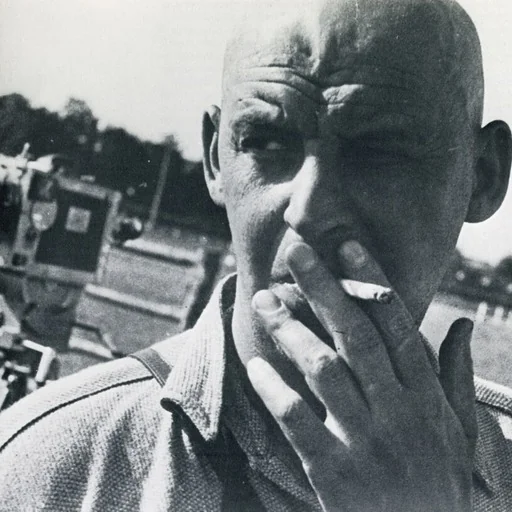
Aleksander Mikhailovich Rodchenko (Russian: Александр Михайлович Родченко; 5 December 1891 – 3 December 1956) was a Russian and Soviet artist, sculptor, photographer, and graphic designer.
Museum
Metropolitan Organisation of Museums of Visual Arts of Thessaloniki – MOMus
Continue through works from the same source collection.