Artwork
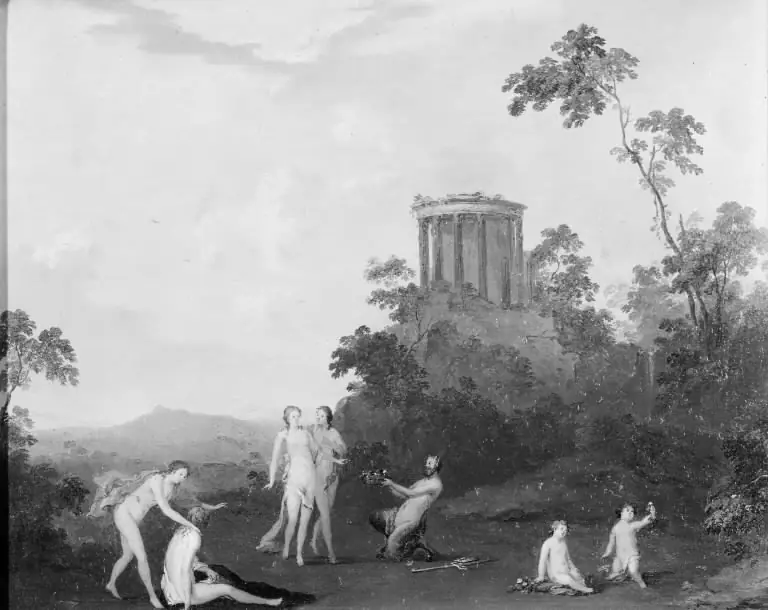
Three Nymphs Dancing with a Satyr
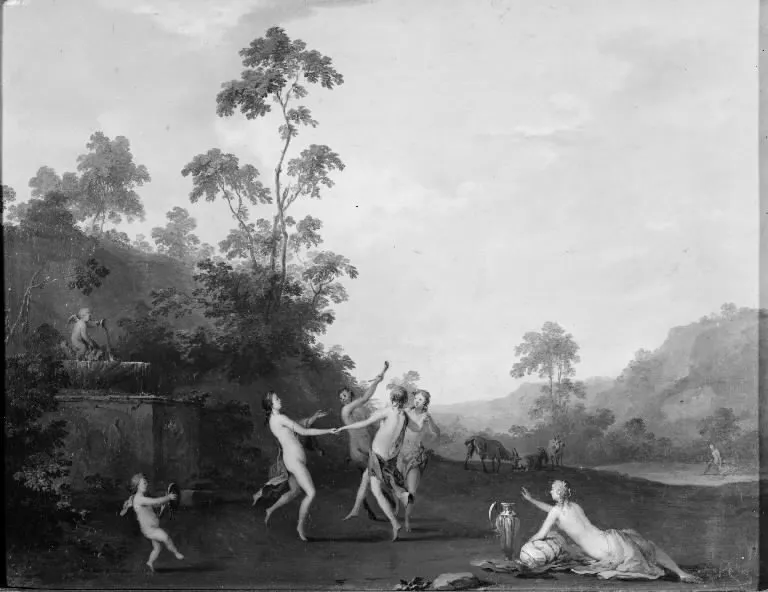
Three Nymphs Dancing with a Satyr is an unspecified painting by the Dutch Golden Age artist Roelant Savery. It dates from 1615 and is held in the collection of the Statens Museum for Kunst.
About this work
Overview
Created in 1615 by the Flemish-born artist Roelant Savery, this oil painting presents a lively woodland scene populated by mythological figures. Three graceful female nymphs and a satyr—half‑man, half‑goat—are caught in the act of dancing amid trees, hills, and distant grazing animals. The work is part of the collection of Denmark’s national gallery, the Statens Museum for Kunst.
Subject & Meaning
The composition draws on classical mythology, where nymphs embody nature’s feminine spirits and satyrs represent rustic, mischievous forces. Their interaction suggests a festive, pastoral celebration, echoing the early‑17th‑century fascination with idealized rural life and the harmony—or tension—between human and animal realms within mythic narratives.
Technique & Style
Savery employs a detailed, naturalistic approach typical of Dutch Golden Age painting, rendering foliage, light, and texture with careful observation. The figures are rendered with soft modeling and fluid poses, while the background landscape is treated with atmospheric perspective, creating depth and a sense of movement that unifies the figures with their environment.
History & Provenance
After its execution, the painting entered various private collections before being acquired by the Statens Museum for Kunst, where it remains on display. Its provenance reflects the broader European interest in Savery’s mythological subjects, which were valued both for their decorative appeal and their embodiment of learned classical themes.
Artist & collection
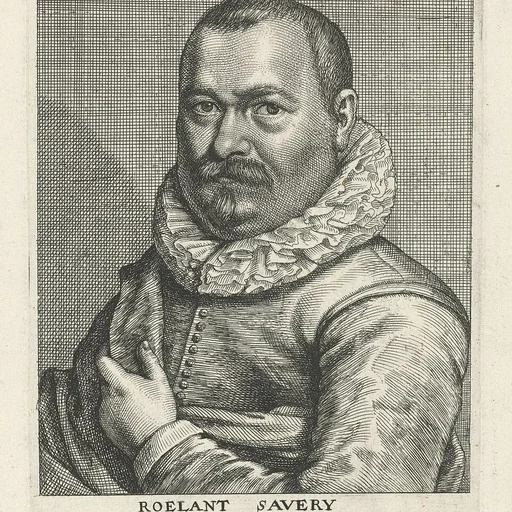
Artist
Roelant Savery (or Roeland(t) Maertensz Saverij, or de Savery, or many variants; 1576 – buried 25 February 1639) was a Flanders-born Dutch Golden Age painter.