Artwork
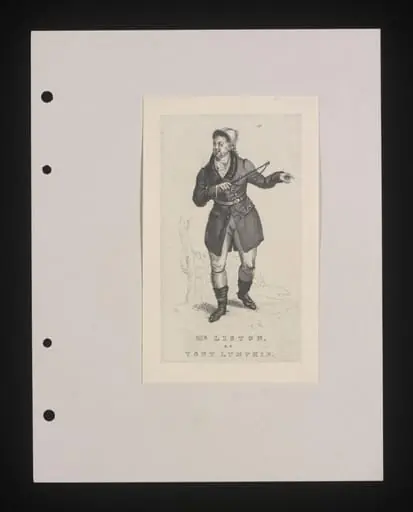
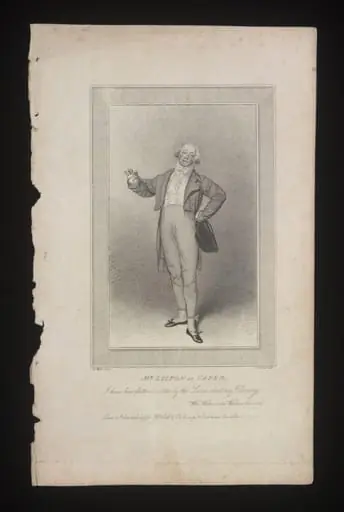
Mr Liston as Tony Lumpkin
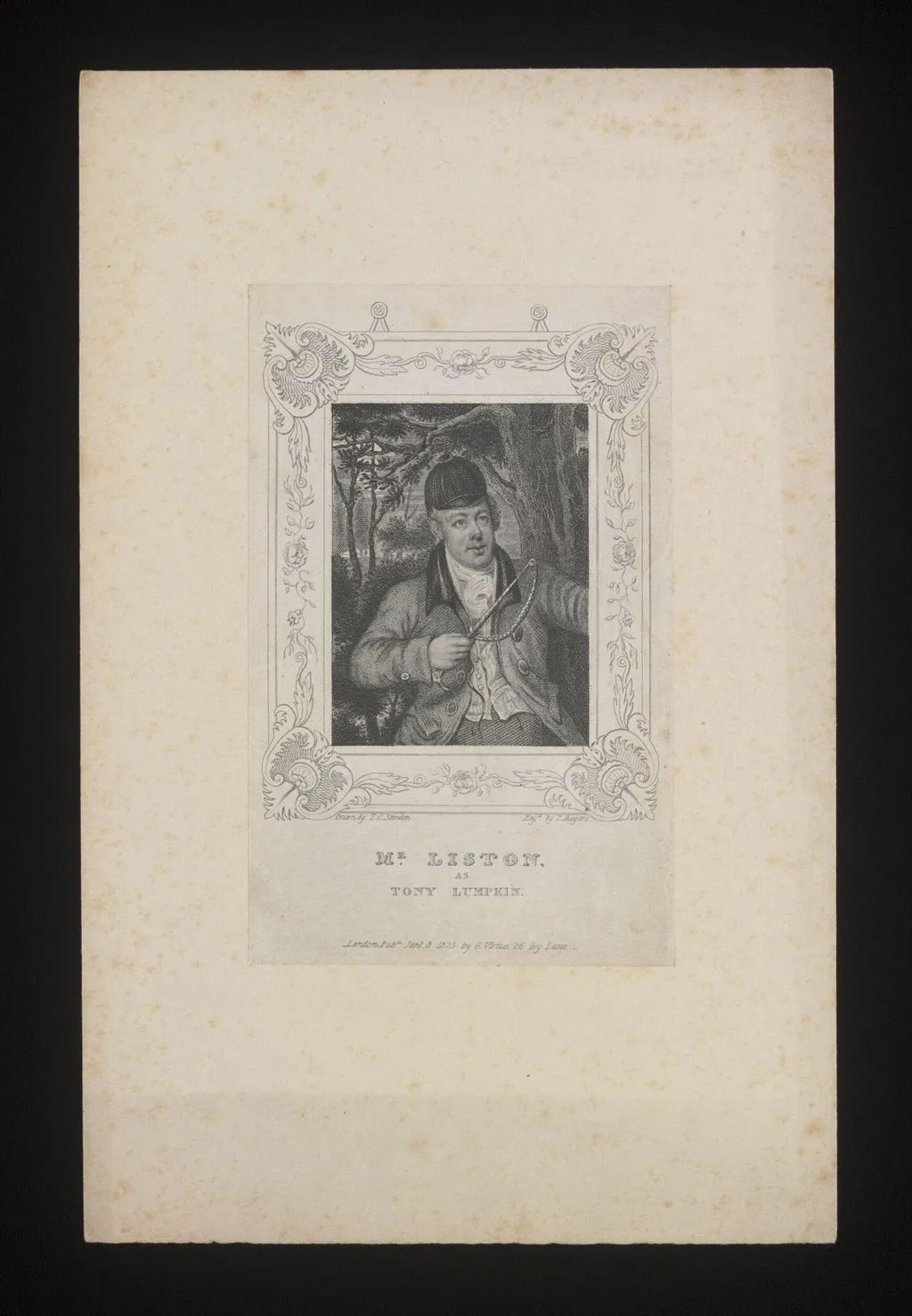
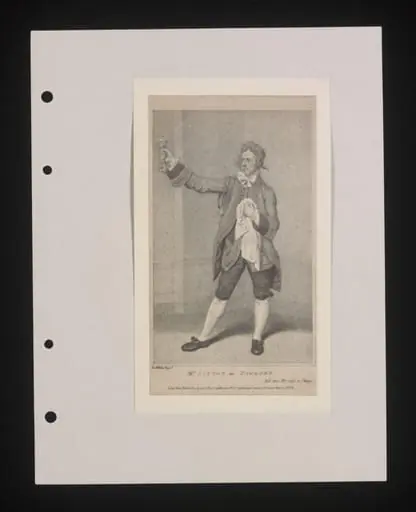
Mr Liston as Tony Lumpkin is a print by the Romanticist artist John Rogers. It dates from 8 and is held in the collection of the Victoria and Albert Museum. This print captures actor John Liston in character as Tony Lumpkin from Oliver Goldsmith’s comedy She Stoops to Conquer.
About this work
Overview
This print captures actor John Liston in character as Tony Lumpkin from Oliver Goldsmith’s comedy She Stoops to Conquer. Published in London on January 8, 1825, by G. Virtue, it belongs to the Harry Beard Collection. As a theatrical portrait, it documents a specific performance rather than a fictional scene, offering a record of stage practice in early 19th-century Britain.
Subject & Meaning
Tony Lumpkin is a mischievous, good-natured country youth whose antics drive the plot of She Stoops to Conquer. Liston’s portrayal emphasized physical comedy and charm, aligning with popular tastes of the time. The print freezes a moment of theatrical persona, reflecting how actors shaped public perception of literary characters through embodied performance rather than textual interpretation.
Technique & Style
The print employs line engraving with subtle tonal contrasts to render fabric textures and facial expression. While not strictly chiaroscuro, it uses light and shadow to define form and depth, typical of theatrical portraiture in print media. Details in costume and posture are rendered with precision, emphasizing the actor’s physicality and the character’s boisterous demeanor.
History & Provenance
Produced shortly after Liston’s acclaimed stage run, the print was part of a broader trend of publishing actor portraits for public consumption. It entered the Harry Beard Collection, a significant archive of British theatrical memorabilia assembled in the 19th century. Its survival reflects the growing cultural interest in documenting live performance through reproducible imagery.
Context
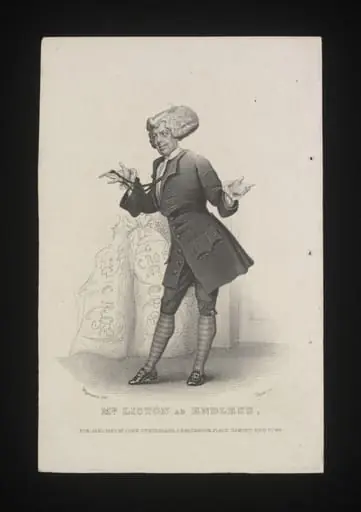
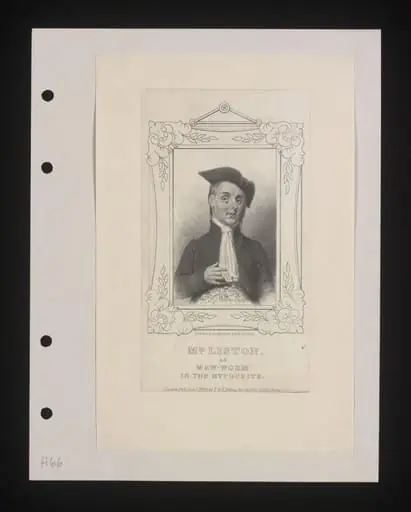
In the 1820s, London’s theater scene thrived with comedies and farces, and actors like Liston became celebrities. Printed portraits served as both souvenirs and promotional tools, bridging the gap between stage and domestic life. This image reflects a time when theater was a central form of public entertainment, and actors were widely recognized figures beyond the footlights.
Legacy
The print preserves a performance style now lost to time, offering insight into 19th-century acting conventions and audience expectations. As a historical artifact, it contributes to the study of theatrical representation and the material culture of British drama. It remains a reference point for scholars examining the intersection of performance, print, and popular culture.
Artist & collection