Artwork
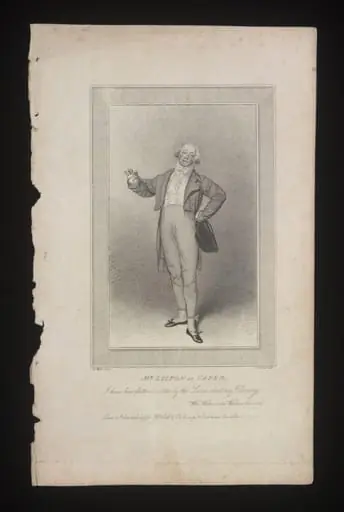
Mr Liston as Diggory
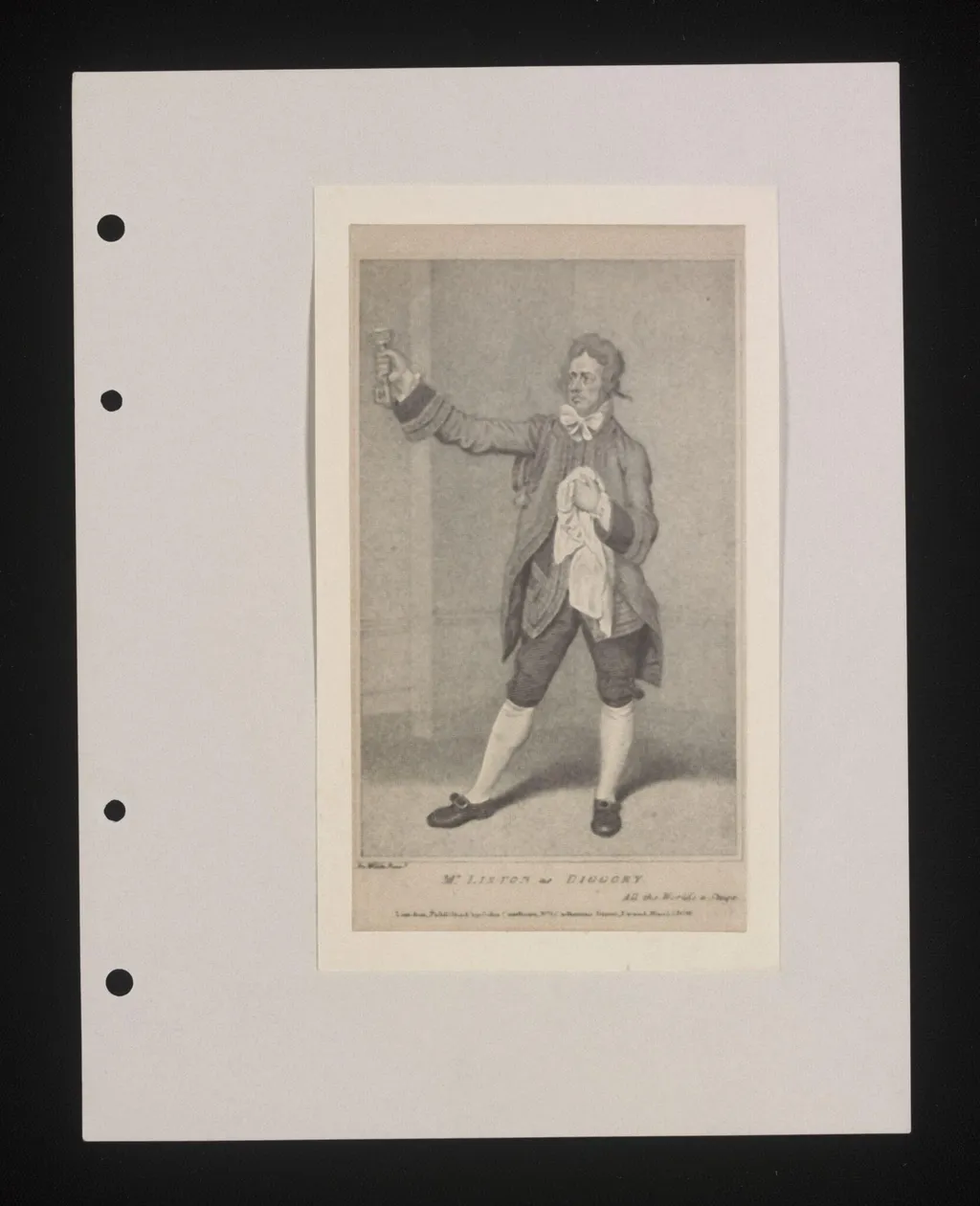
Mr Liston as Diggory is a print by the Romanticist artist Samuel De Wilde. It dates from 1806 and is held in the collection of the Victoria and Albert Museum. A hand-colored print from March 1806 depicts actor John Liston in character as Diggory, a role from a popular stage comedy.
About this work
This print shows actor Mr John Liston playing the character Diggory in a play. It was made in March 1806 by artist De Wilde for a London publisher.
The print was part of a popular series that turned actors into prints. These prints let fans keep a little piece of the stage at home.
Check out the Victoria and Albert Museum.
Overview
A hand-colored print from March 1806 depicts actor John Liston in character as Diggory, a role from a popular stage comedy.
A hand-colored print from March 1806 depicts actor John Liston in character as Diggory, a role from a popular stage comedy. Produced by London publisher John Cawthorn and engraved by De Wilde, it was part of a commercial series translating theatrical performances into affordable domestic art. The print entered the Harry Beard Collection, now held at the Victoria and Albert Museum, reflecting early 19th-century interest in celebrity culture and stage memorabilia.
Subject & Meaning
John Liston portrayed Diggory, a comic servant figure known for physical humor and regional dialect, in a successful play of the era. The print captures his exaggerated gestures and costume, emphasizing the character’s rustic charm and stage persona. Rather than documenting a specific moment, it immortalizes the actor’s interpretation, allowing audiences to relive the performance through image and association.
Technique & Style
The print is an engraved and hand-colored etching, typical of theatrical portraiture of the period. De Wilde’s lines define Liston’s expressive face and costume with clarity, while subtle coloring enhances the fabric textures and facial features. The composition is frontal and static, designed for recognition rather than narrative, prioritizing likeness over dramatic tension.
History & Provenance
Created in early 1806, the print was one of many issued by Cawthorn to capitalize on the popularity of London’s theater scene. It circulated among middle-class patrons who collected actor portraits as souvenirs. The print later entered the Harry Beard Collection, assembled in the late 19th century, and was transferred to the Victoria and Albert Museum, where it remains as evidence of early theatrical fandom.
Context
In the early 1800s, London theaters drew large audiences, and actors became public figures. Print publishers responded by producing affordable images of popular performers, turning stage stars into household names. These prints bridged the gap between live performance and domestic life, offering fans a tangible connection to the theater beyond the evening’s show.
Legacy
The print exemplifies a broader trend in visual culture where theater and print media intersected to shape public identity. Though the play itself is now obscure, the image survives as a record of performance style, actor reputation, and the commercialization of celebrity. It remains a key artifact in understanding how 19th-century audiences engaged with live art.
Artist & collection
Artist
Samuel De Wilde (1751 – 19 January 1832), born and died in London, was a portrait painter and etcher of Dutch descent famous for his theatrical paintings.

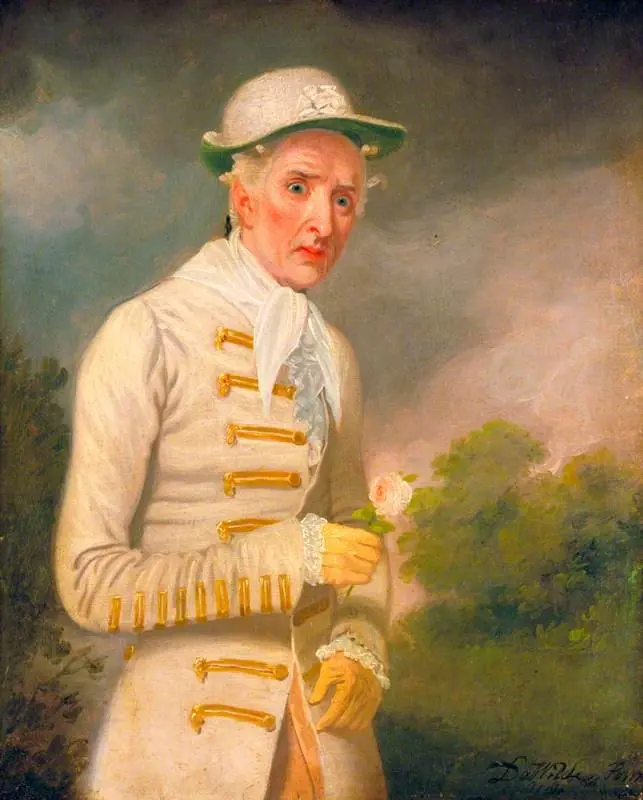 William Farren (1786–1861), as Lord Ogleby in 'The Clandestine Marriage' by George Colman the Elder and David Garrick
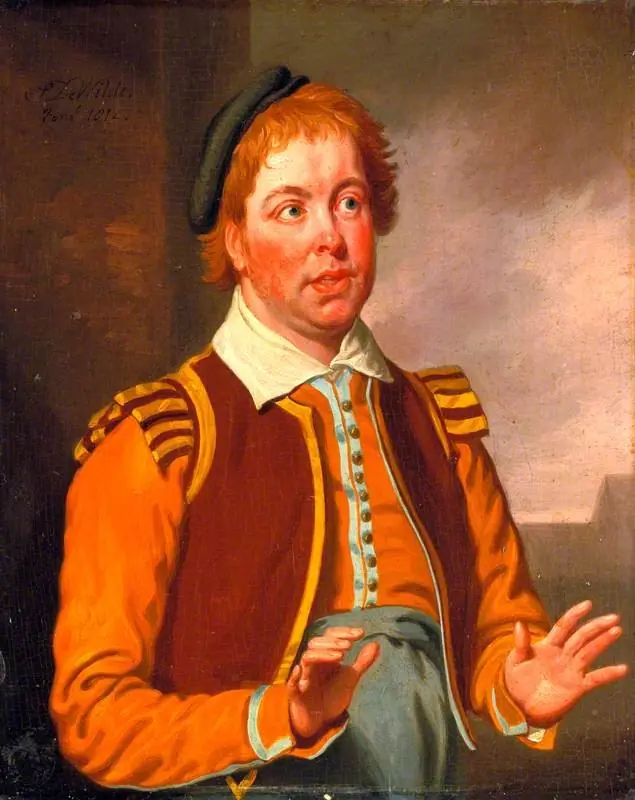 John Liston (c.1776–1846), as Pompey in 'Measure for Measure' by William Shakespeare
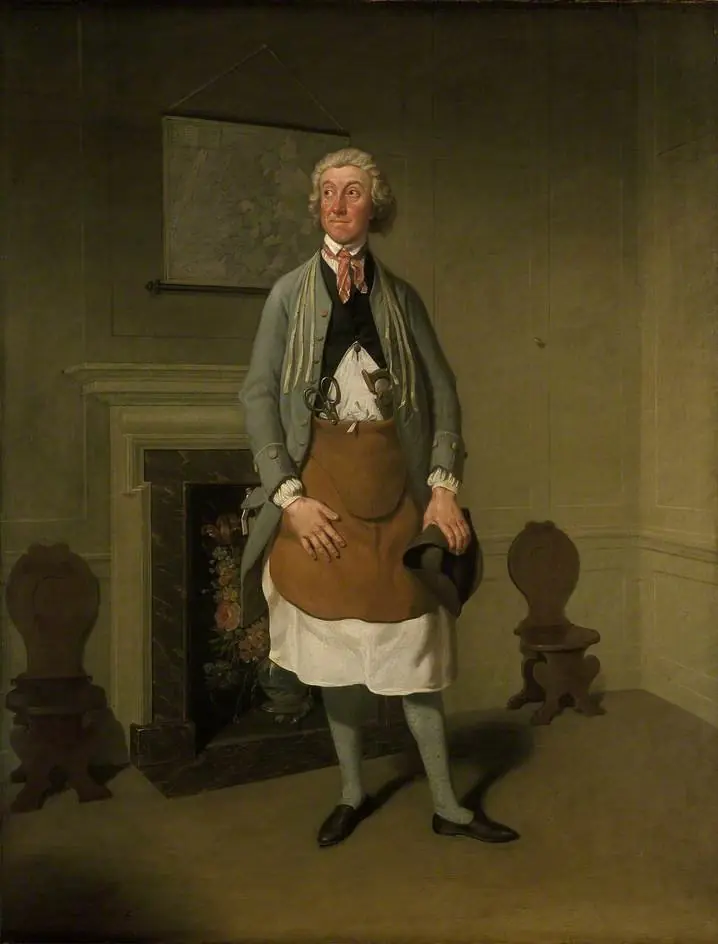 Mr Suett as Dicky Gossip in 'My Grandmother'
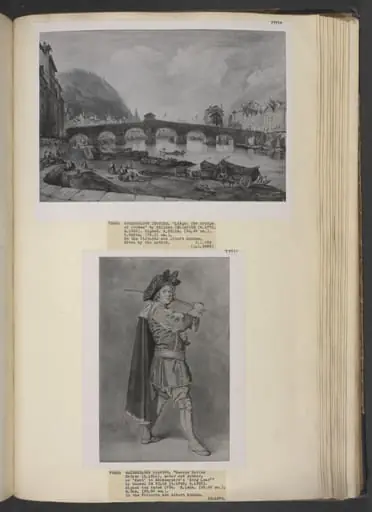 Portrait of George Davies Harley
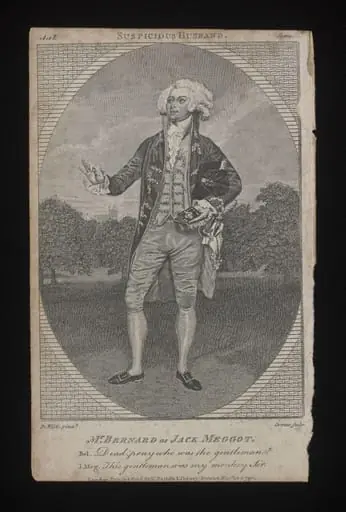 H Beard Print Collection
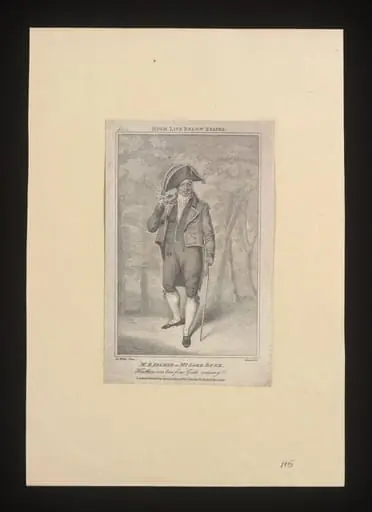 Mr Robert Palmer as My Lord Duke
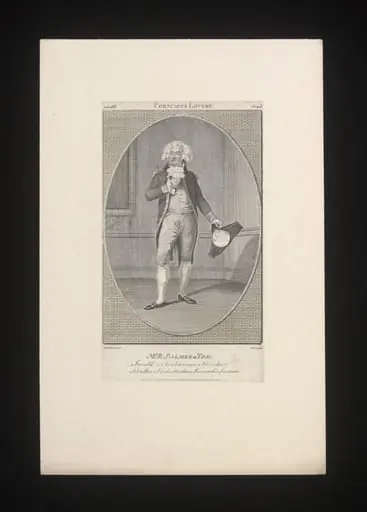 Mr Robert Palmer as Tom
 H Beard Print Collection