Artwork
Untitled
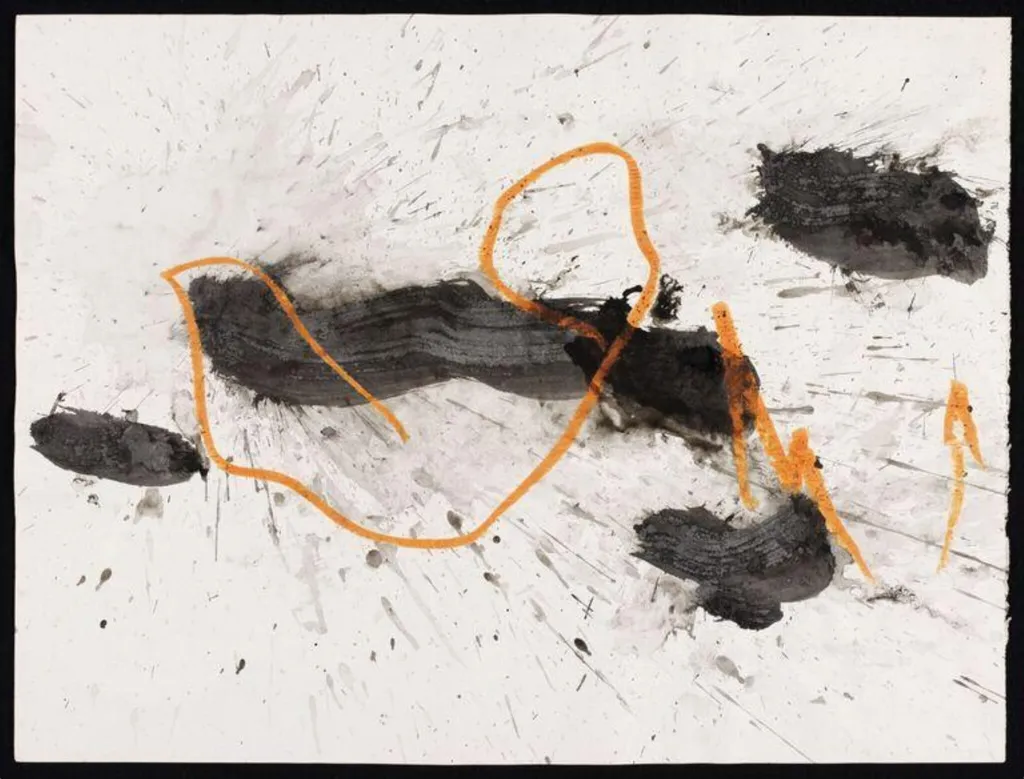
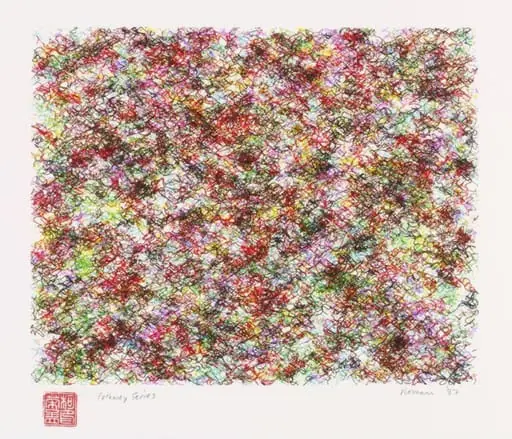
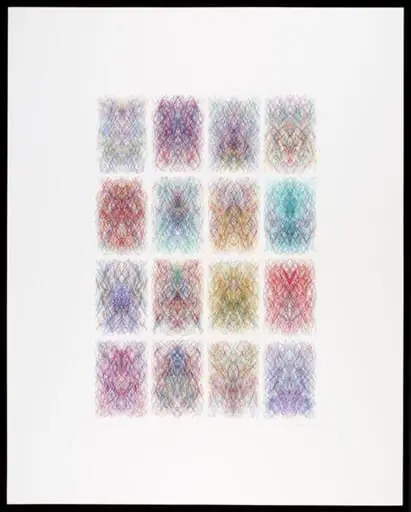
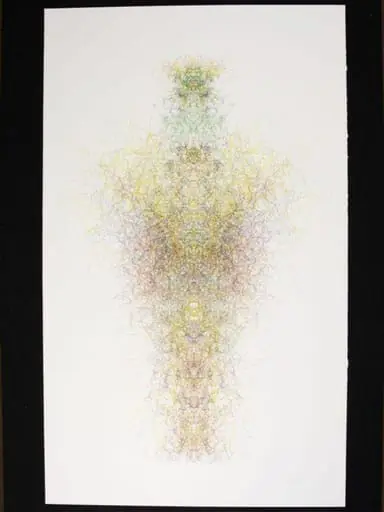
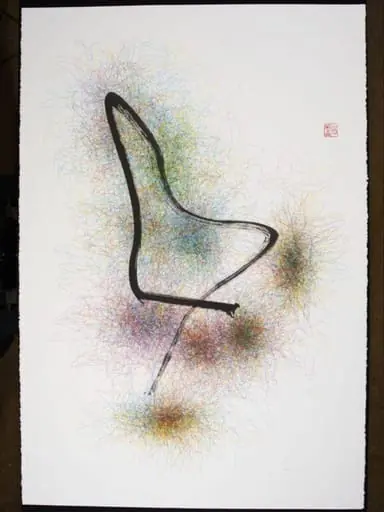
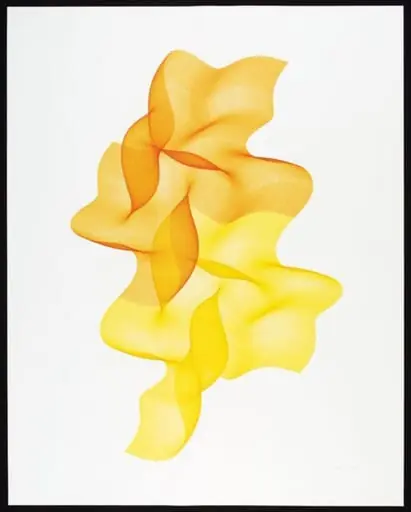
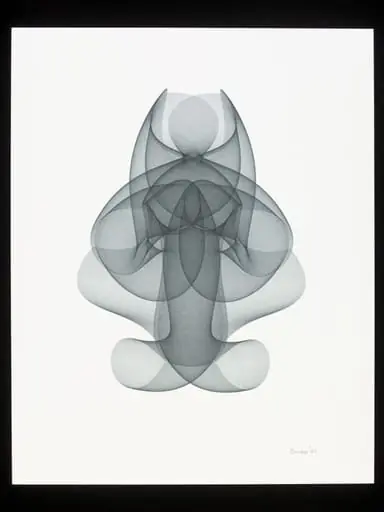
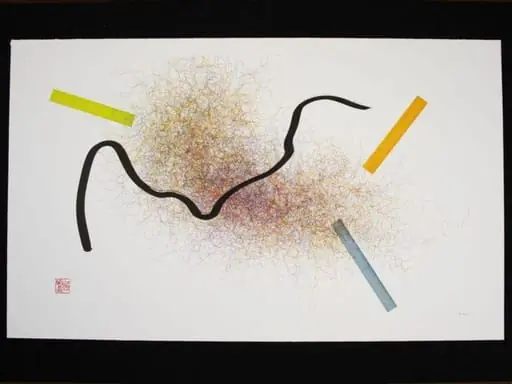
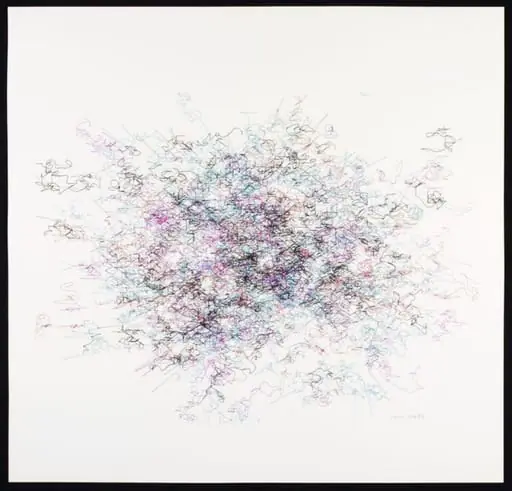
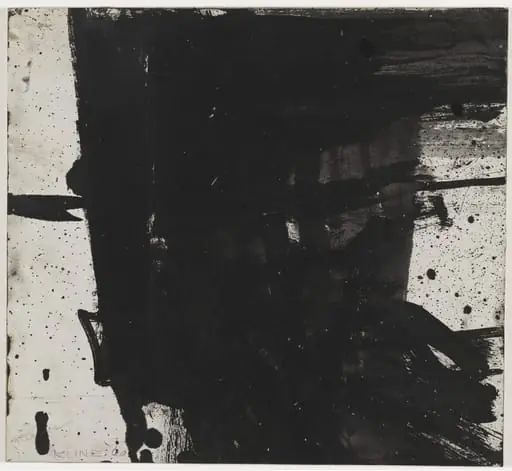
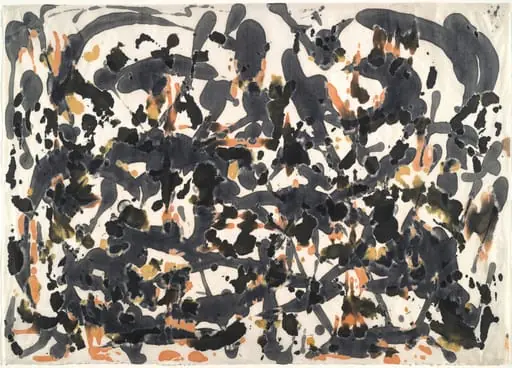
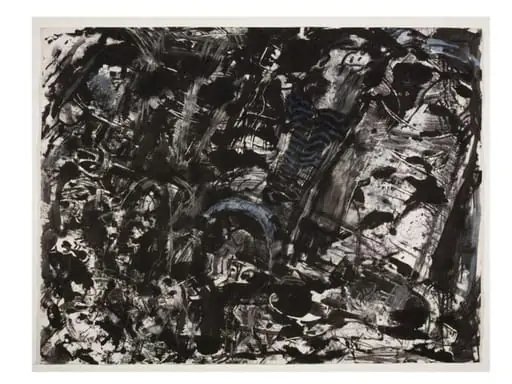
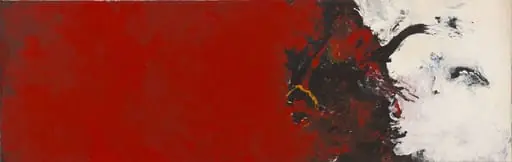
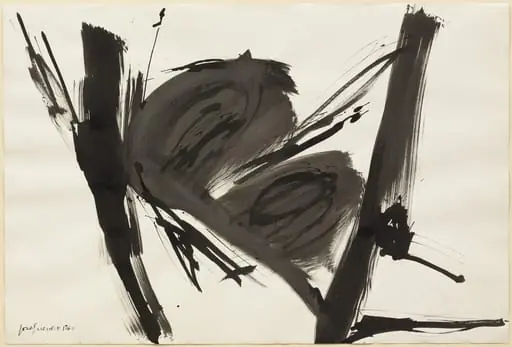
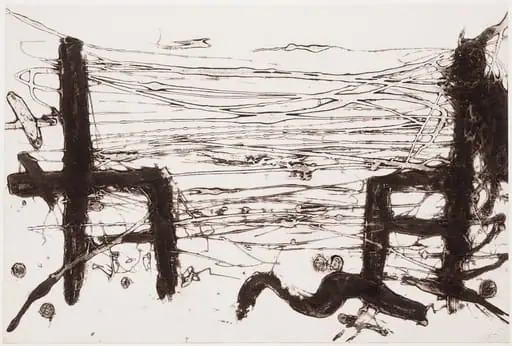
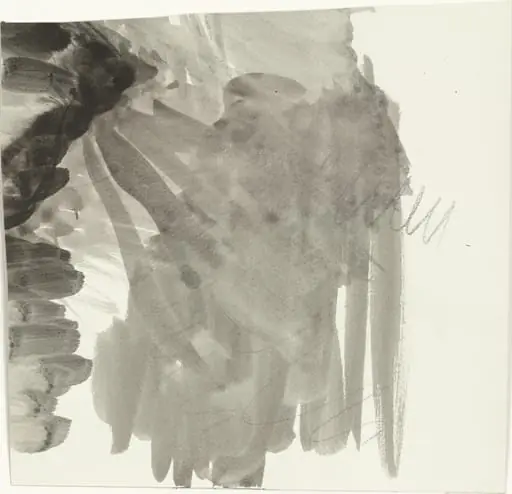
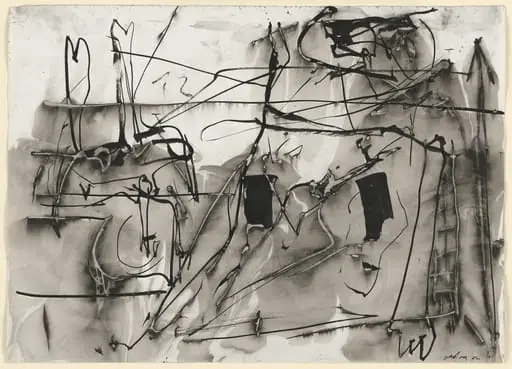
Untitled is a drawing by Roman Verostko. It dates from 1967 and is held in the collection of the Victoria and Albert Museum.
About this work
The artist used a set of instructions to generate this art, which is part of a larger work called "Psalms in Sound and Image".
This drawing is titled Untitled, made by Roman Verostko in 1967.
It's an abstract work created using an algorithm.
The artist used a set of instructions to generate this art, which is part of a larger work called "Psalms in Sound and Image".
This project included a soundtrack and images synchronized by the artist.
You can learn more about algorithmic art by looking up the technique of cross-hatching.
Overview
This 1967 drawing by Roman Verostko is an early example of algorithmic art, generated through a set of programmed instructions rather than manual freehand execution. Created as part of the multimedia project 'Psalms in Sound and Image,' it reflects Verostko’s pioneering use of mechanical and electronic systems to produce visual forms. The work predates widespread computer art and demonstrates an early fusion of automation and aesthetic intent.
Subject & Meaning
The drawing has no representational subject; its meaning arises from the interplay of structure and process. As part of a larger work that paired visual sequences with synchronized sound, the drawing functions as a static trace of a dynamic system. Its abstract forms suggest rhythm and repetition, echoing the temporal qualities of the accompanying audio, without illustrating narrative or emotion.
Technique & Style
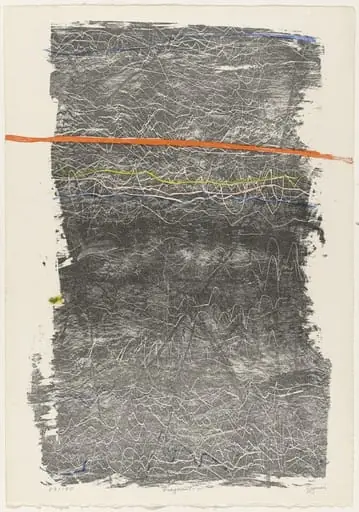
Verostko employed a mechanical plotting device guided by custom algorithms to produce dense, layered line patterns. The drawing features intricate cross-hatching and controlled irregularity, achieved not by hand but through programmed motion. The style is methodical yet organic, balancing precision with emergent variation — a hallmark of early algorithmic drawing that prioritizes process over gesture.
History & Provenance
Created in 1967, this drawing originated from Verostko’s first major programmed artwork, 'Psalms in Sound and Image,' which used a Wollensak recorder and electronic synchronizer to align projected visuals with audio. The work is among the earliest known instances of an artist using programmable electronics to coordinate multiple media. It predates the formal grouping of 'The Algorists' by nearly three decades but is now recognized as foundational to their practice.
Context
In the mid-1960s, few artists explored algorithmic generation, and computer access was limited to academic or industrial settings. Verostko, trained as a monk and later a painter, adapted available technologies — including plotters and tape recorders — to create art outside mainstream digital art circles. His work emerged alongside experimental music and early video art, contributing to a broader shift toward system-based creativity in the late 20th century.
Legacy
Verostko’s 1967 drawing helped establish the legitimacy of algorithmic processes in fine art. It influenced later generations of artists working with code and automation, demonstrating that artistic intent could be embedded in rules rather than direct manipulation. Though not widely exhibited at the time, its historical significance has grown as algorithmic art gained institutional recognition in the 21st century.
Artist & collection
Artist
Roman Verostko spent years hand-coding his drawings, like a programmer who never left the art studio.