Artwork
Landscape with stag hunt
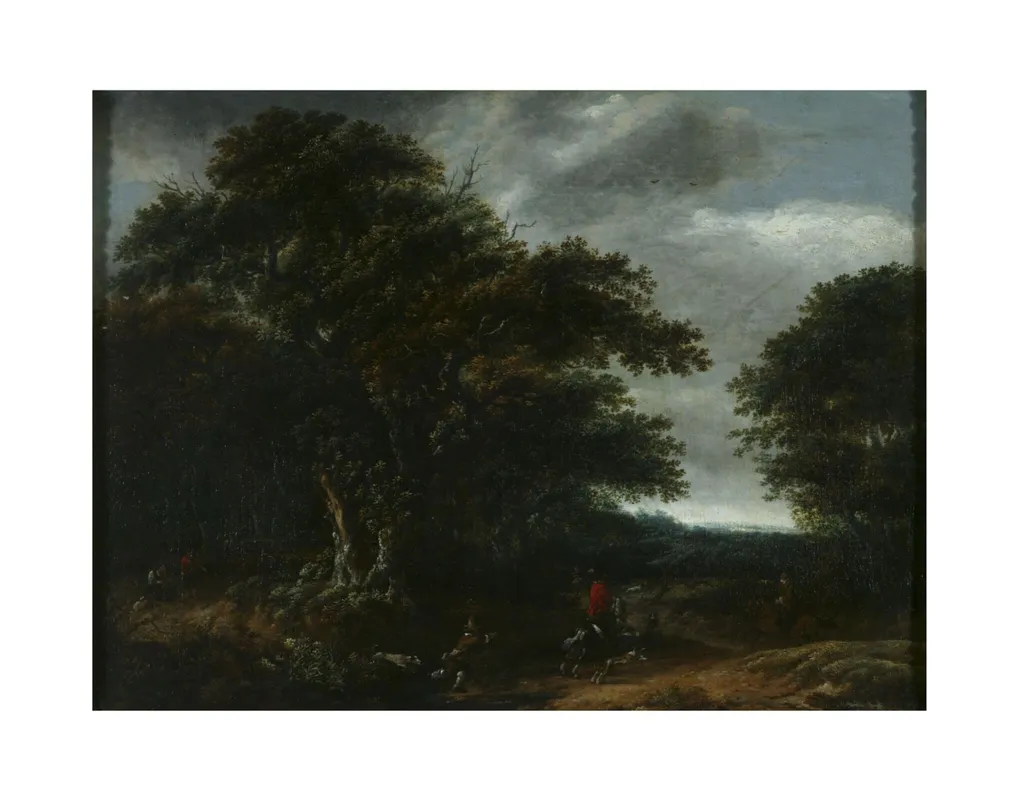
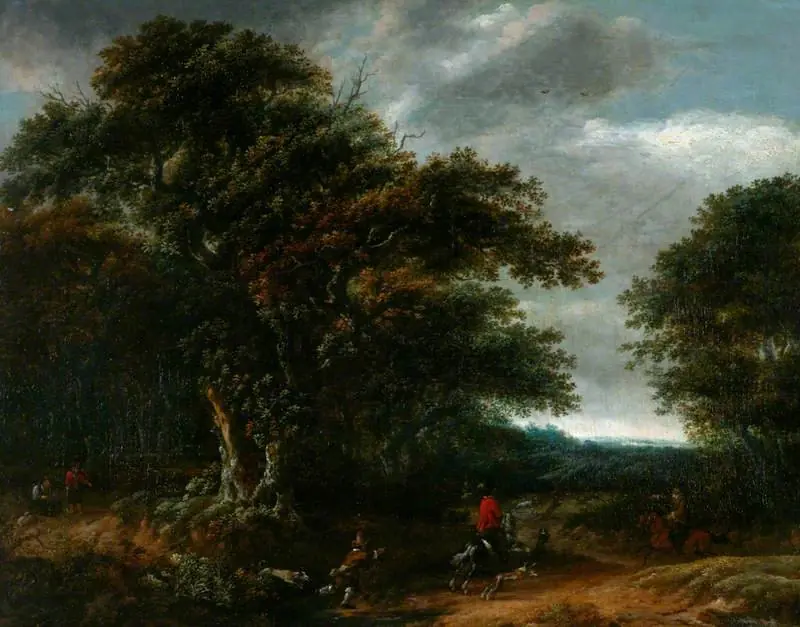
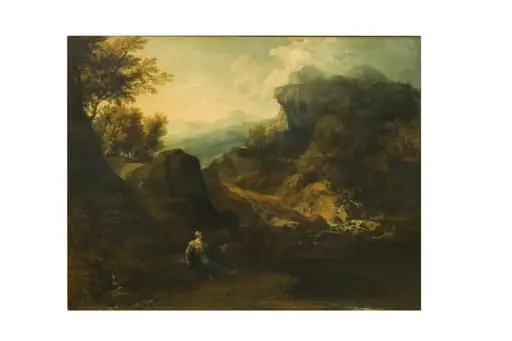
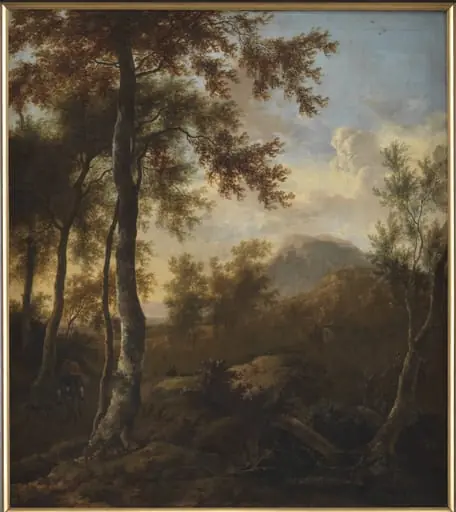
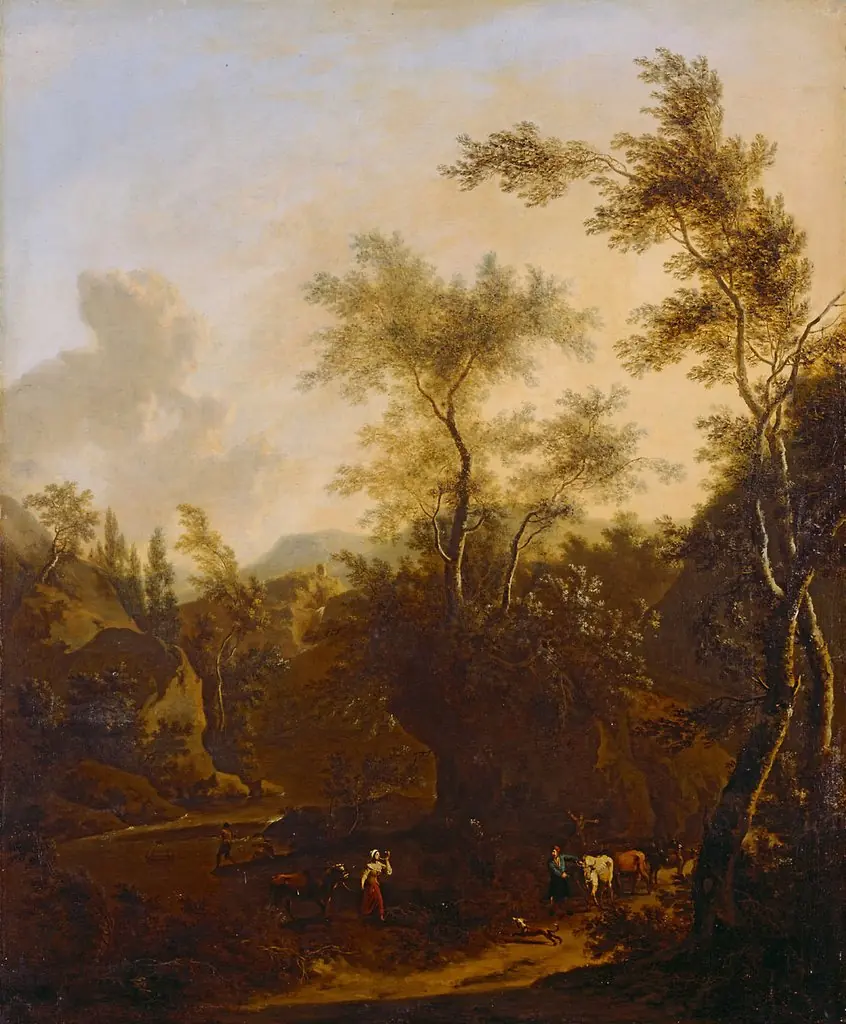
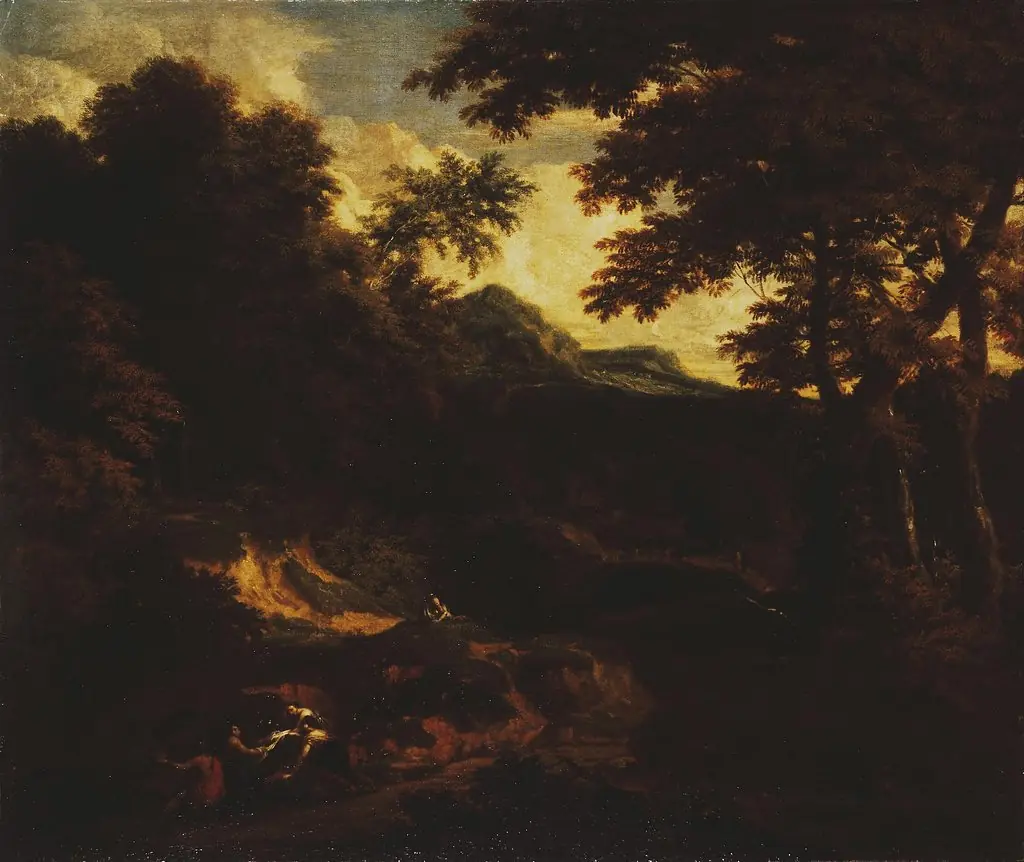
Landscape with stag hunt is an oil painting by the Baroque artist Gillis Rombouts. It dates from 1661 and is held in the collection of the Victoria and Albert Museum. This oil painting depicts a dense woodland scene where a stag is being hunted by riders and hounds.
About this work
Overview
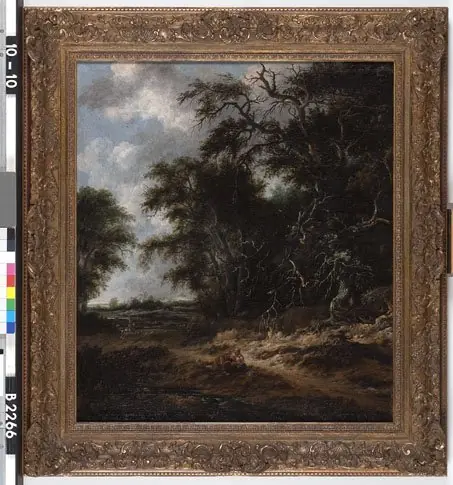
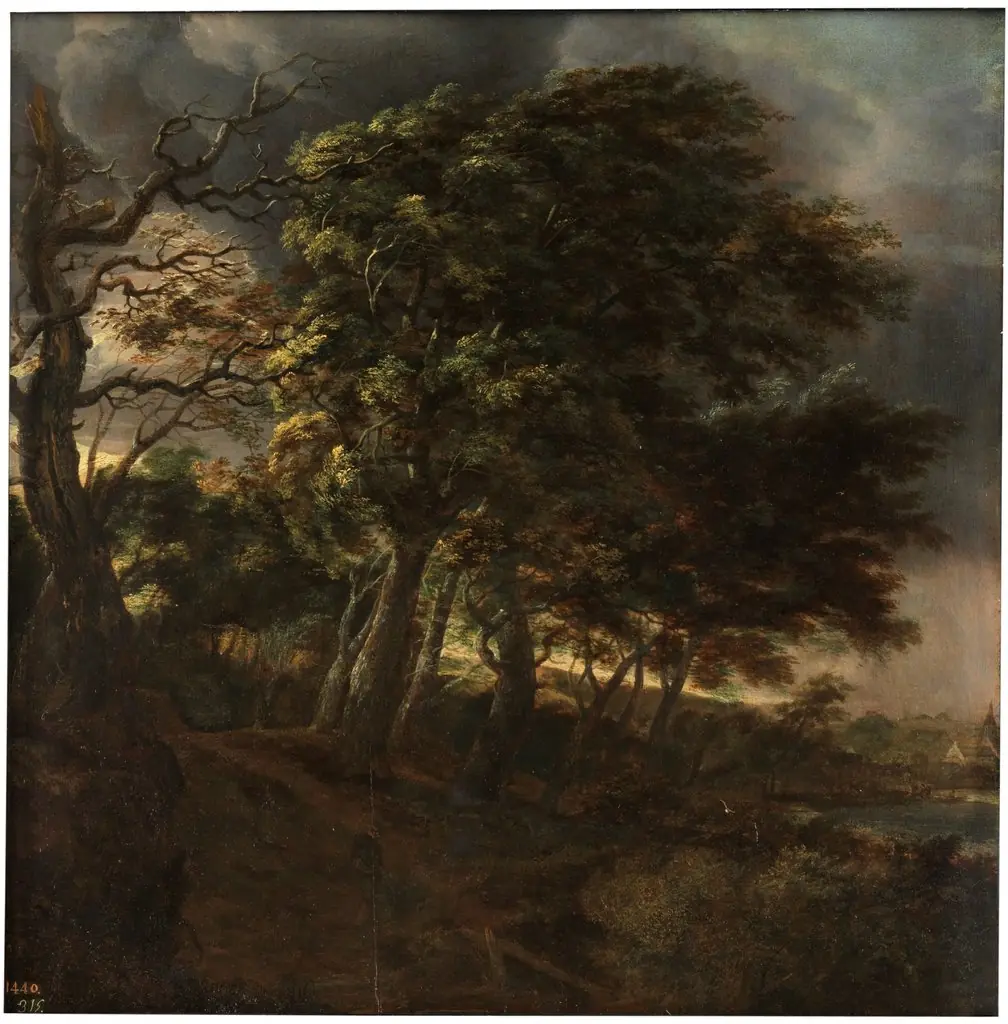
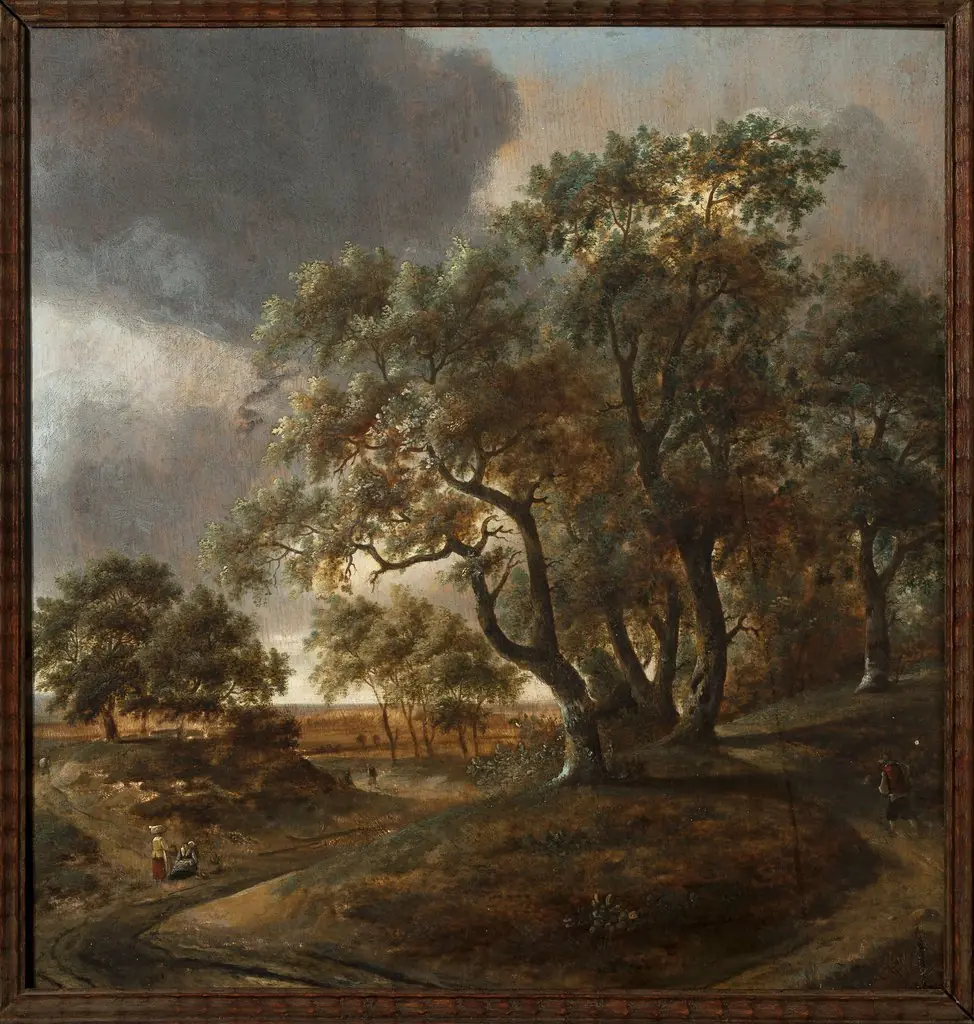
This oil painting depicts a dense woodland scene where a stag is being hunted by riders and hounds. The composition is layered with vertical trees that frame a winding trail, guiding the viewer’s eye through the action. Figures and animals are scattered across the space, creating a sense of movement and narrative momentum within a natural setting.
Subject & Meaning
The stag hunt represents a traditional aristocratic pastime, reflecting ideals of nobility, control over nature, and seasonal ritual. While not overtly symbolic, the scene evokes the harmony and tension between human endeavor and the wild. The presence of multiple hunters and dogs suggests a communal activity, rooted in the social customs of the time rather than myth or allegory.
Technique & Style
The artist employs fine brushwork to render individual leaves, fur, and saddle details, emphasizing texture and realism. Light and shadow are carefully modulated to suggest depth and volume, particularly in the forest’s interior. The contrast between sunlit clearings and shadowed undergrowth enhances spatial recession, a hallmark of Dutch landscape tradition.
History & Provenance
Created during the Dutch Golden Age, the work aligns with a broader trend of landscape painting that celebrated rural life and outdoor pursuits. Though the artist’s identity remains unconfirmed, the style is consistent with regional workshops in the Netherlands that produced such scenes for private collectors seeking refined depictions of nature and sport.
Context
In 17th-century Netherlands, landscape painting flourished as a distinct genre, separate from religious or historical themes. Hunting scenes like this appealed to urban elites who admired rural life as both leisure and moral virtue. The detailed rendering of flora and fauna mirrored contemporary scientific interest in the natural world.
Legacy
This painting contributes to a lasting tradition of Northern European landscape art that prioritized observational accuracy and atmospheric nuance. While not widely known today, it exemplifies how everyday rural activities were elevated through careful composition and technique, influencing later generations of landscape painters in Europe.
Artist & collection
Artist
Gillis Rombouts (1630, Haarlem – 1678, Haarlem), was a Dutch Golden Age landscape painter. He is known for his paintings of genre scenes, historical scenes, landscapes, beaches and winter landscapes.