Artwork
Melon, grapes and peaches
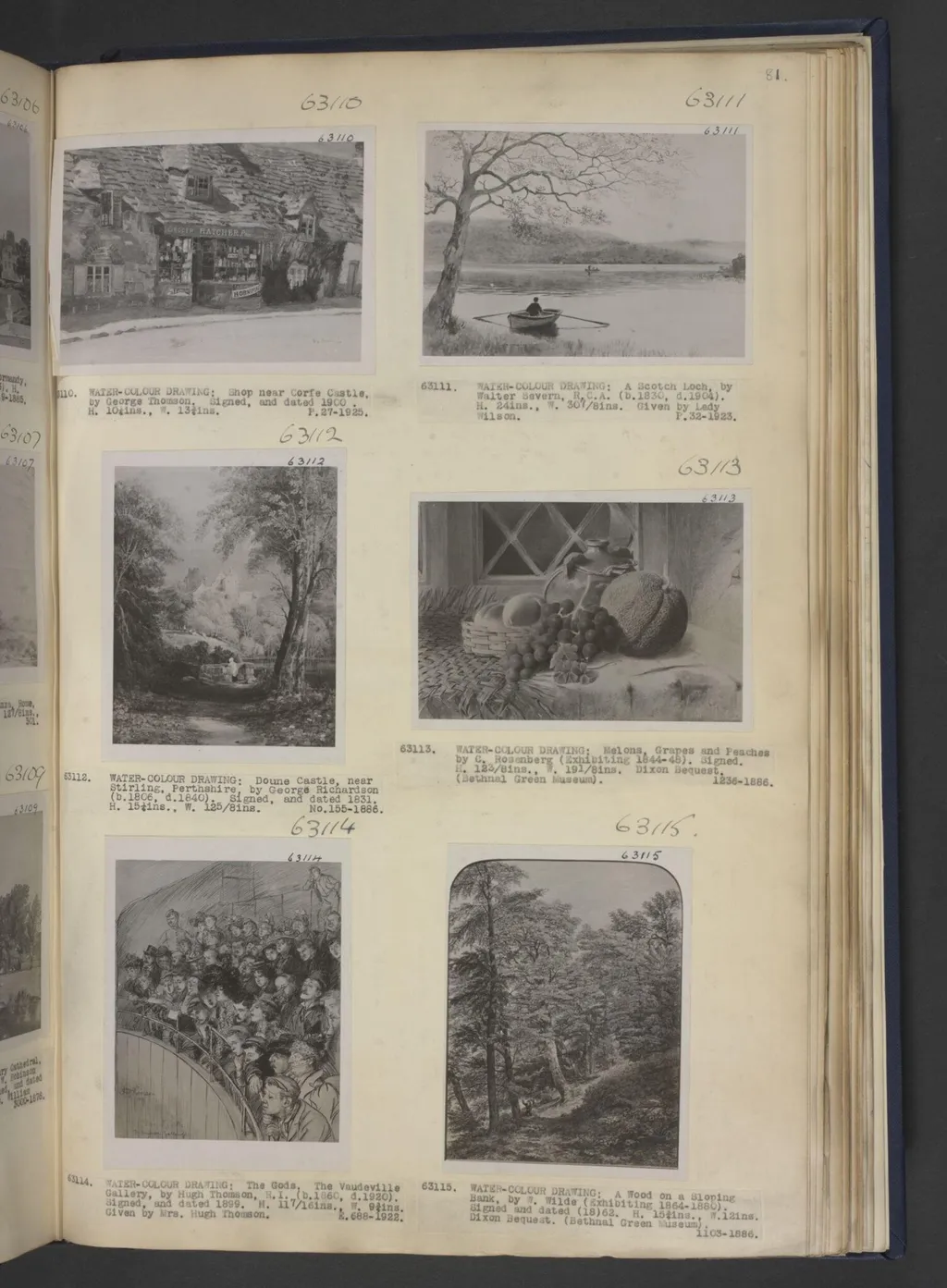
Melon, grapes and peaches is a watercolor work on paper by the Realist artist Charles Rosenberg. It dates from 1844 and is held in the collection of the Victoria and Albert Museum.
About this work
Overview
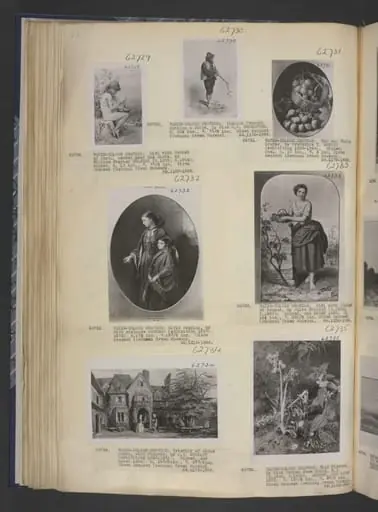
Created in 1844, this watercolour still life by Charles Rosenberg presents a modest arrangement of fruit: a melon, a cluster of grapes, and several peaches.
Created in 1844, this watercolour still life by Charles Rosenberg presents a modest arrangement of fruit: a melon, a cluster of grapes, and several peaches. Rendered on paper with delicate washes, the composition is uncluttered, resting on a rough-hewn wooden surface against a neutral background. The artist’s signature is discreetly placed, underscoring a quiet, observational approach rather than theatrical display.
Subject & Meaning
The selection of seasonal fruits—melon, grapes, and peaches—reflects a quiet celebration of abundance and transience. No symbolic allegory is overt; instead, the focus lies in the tangible presence of each item. Their arrangement suggests a moment of pause, perhaps after harvest or before consumption, inviting contemplation of natural form and impermanence without moral or religious overtones.
Technique & Style
Rosenberg employed soft, layered watercolour washes to capture subtle shifts in light and surface texture. The fuzzy skin of the peaches, the glossy sheen of the melon, and the clustered transparency of the grapes are rendered with precision yet restraint. The wooden table’s grain is suggested rather than detailed, reinforcing the emphasis on the fruit’s physicality and the medium’s capacity for delicate realism.
History & Provenance
The work is documented as part of 19th-century British watercolour practice, likely created during a period when still life was gaining renewed attention among amateur and professional artists alike. Its survival suggests it was retained within private collections, possibly by patrons or peers of the artist. No public exhibition history is widely recorded, but its preservation aligns with the era’s growing interest in domestic, intimate subjects.
Context
In mid-19th-century Britain, watercolour was increasingly valued for its accessibility and tonal subtlety, especially in domestic and botanical art. Rosenberg’s work fits within a tradition of quiet still lifes that prioritized close observation over grand narrative. Such pieces were often made for personal enjoyment or as studies, reflecting broader cultural shifts toward naturalism and the appreciation of everyday beauty.
Legacy
Though not widely exhibited or reproduced, Rosenberg’s watercolour contributes to a broader archive of 19th-century British still life that emphasized technical finesse and quiet observation. Its preservation in institutional collections, such as the Victoria and Albert Museum, affirms its value as an example of skilled, unadorned watercolour practice from a period when the medium was redefining artistic boundaries.
Artist & collection
Artist
Charles Rosenberg painted soft, detailed watercolors of fruit in the 1840s. His *Melon, grapes and peaches* shows ripe slices and whole berries glowing on a table. The quiet colors and careful brushwork belong to the…