Artwork
A Devonshire Cottage
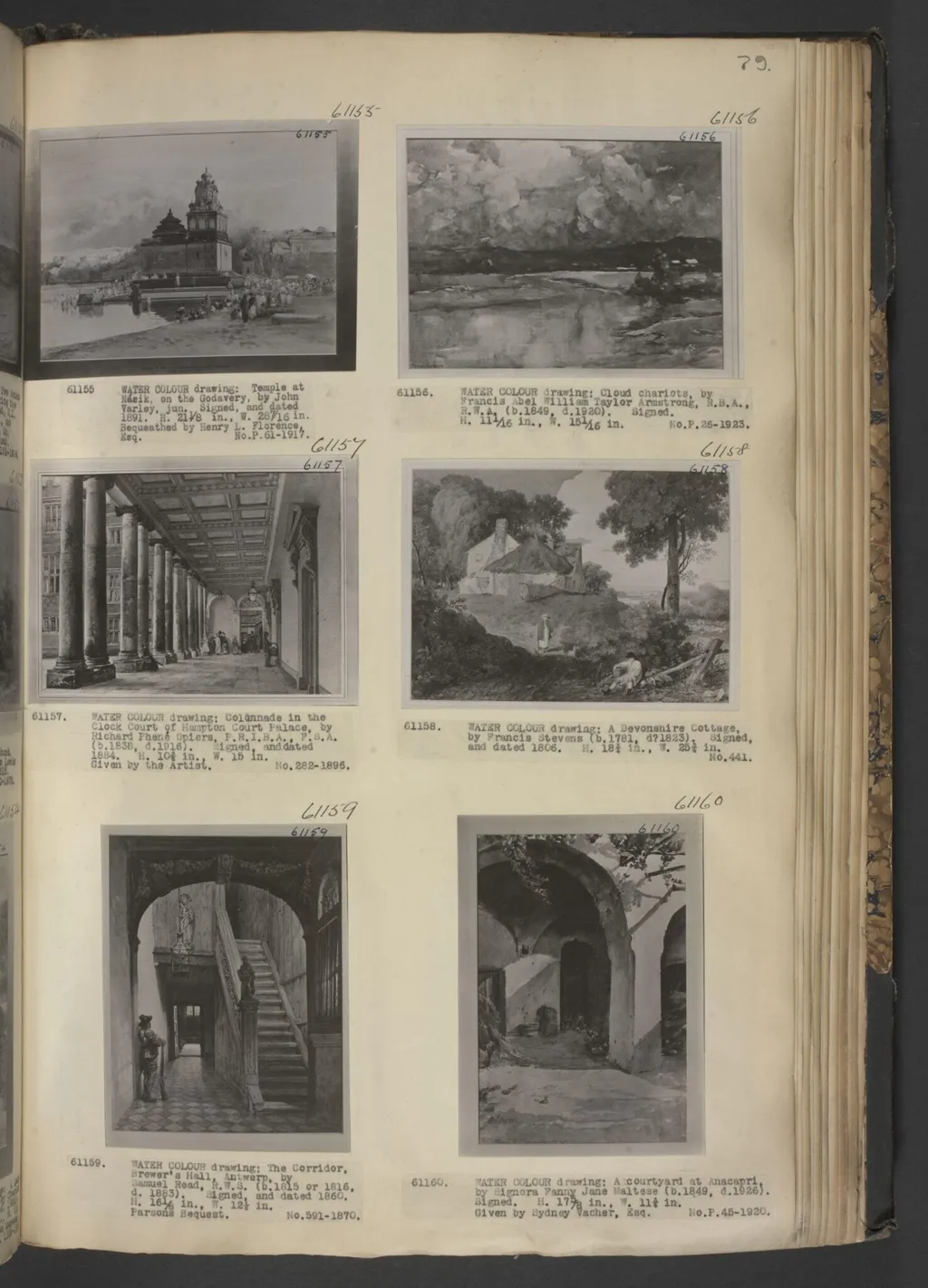
A Devonshire Cottage is a watercolor work on paper by the British Romanticist artist Francis Stevens. It dates from 1806 and is held in the collection of the Victoria and Albert Museum.
About this work
It’s part of the Romanticism movement, which often focused on nature and simple country life.
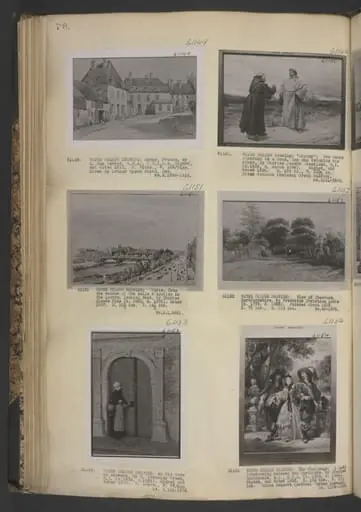
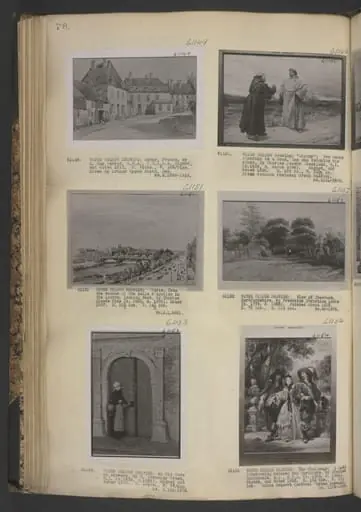
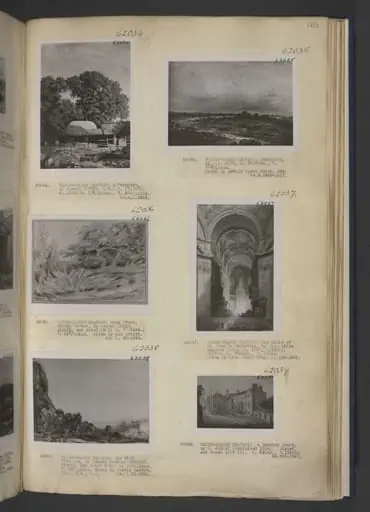
This watercolor shows a quiet cottage nestled in a wooded hillside. A woman stands outside the door, looking toward the house. The cottage has a thatched roof, and trees frame the scene on both sides. Shadows from the trees stretch across the grass, creating a soft, shaded effect.
The artist, Francis Stevens, made this in 1806. It’s part of the Romanticism movement, which often focused on nature and simple country life.
Check out the Victoria and Albert Museum to see more works like this.
Overview
Francis Stevens created this watercolour in 1806, capturing a modest cottage in rural Devon. The work is signed and dated by the artist, confirming its origin. Executed in transparent watercolour, it reflects the quiet observation of everyday rural life that characterized early 19th-century British landscape art. The composition is restrained, emphasizing natural harmony over dramatic effect.
Subject & Meaning
The scene centers on a thatched cottage nestled among trees, with a woman standing near its entrance, gazing toward the structure. Her presence suggests domestic routine rather than narrative drama. The painting conveys stillness and solitude, aligning with Romantic ideals that valued quiet communion with nature and the dignity of rural existence, without overt sentimentality.
Technique & Style
Stevens employed delicate washes of watercolour to render the cottage’s thatched roof, the dappled shadows beneath the trees, and the soft texture of grass. The foliage frames the scene symmetrically, guiding the eye inward. Shadows are rendered with subtle tonal gradations, creating depth without harsh lines. The technique prioritizes atmospheric effect over precise detail, typical of watercolour studies of the period.
History & Provenance
The painting was completed in 1806 and remains in documented private and institutional collections since. Its survival with the artist’s signature and date is uncommon for works of this scale and type. It entered the Victoria and Albert Museum’s collection as part of a broader effort to preserve British watercolours from the Romantic era, though its specific acquisition history is not publicly detailed.
Context
Produced during the height of British Romanticism, the work reflects a cultural shift toward valuing rural life and natural landscapes as subjects worthy of artistic attention. Unlike grand historical or mythological scenes, Stevens focused on unadorned vernacular architecture and ordinary moments, mirroring contemporary literary and artistic trends that sought authenticity in the everyday.
Legacy
Though Francis Stevens is not widely known today, this watercolour exemplifies the quiet, observational tradition of early 19th-century British watercolourists. It contributes to the historical record of how rural England was visually documented outside the realm of formal portraiture or topographical survey, influencing later generations interested in landscape as a medium of quiet reflection.
Artist & collection
Artist
Francis Stevens painted quiet watercolours of English buildings and cottages around 1800–23.