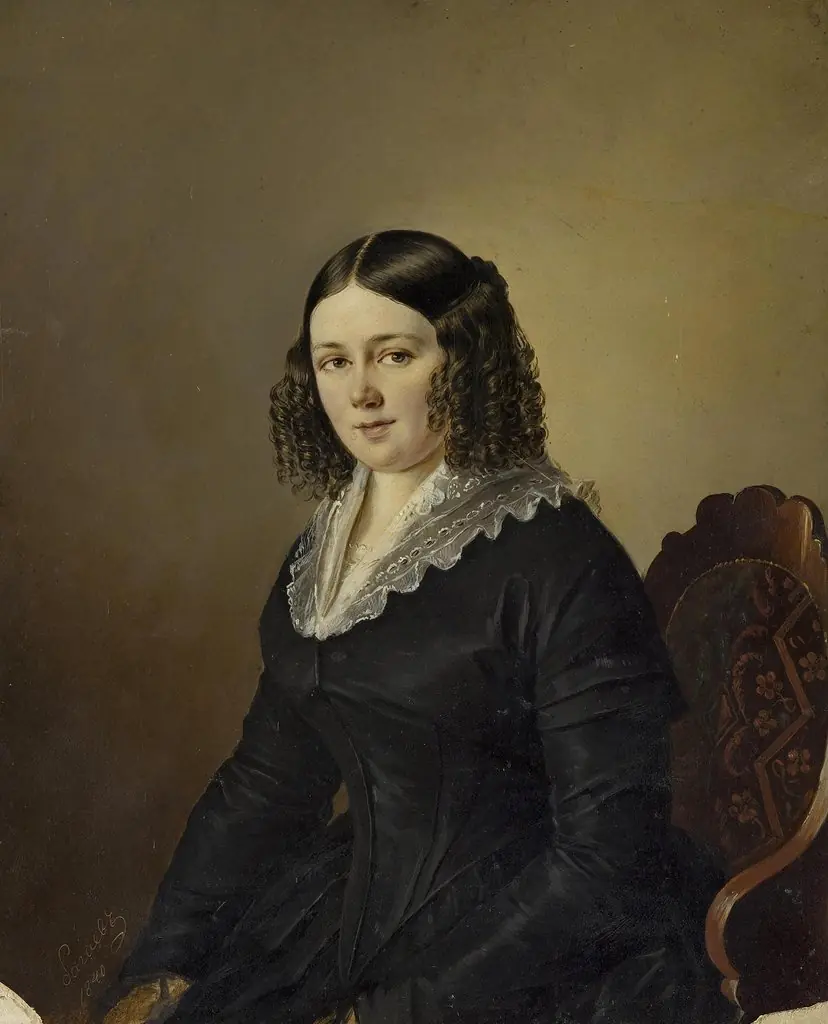
Artwork
Portretul Elenei Negri
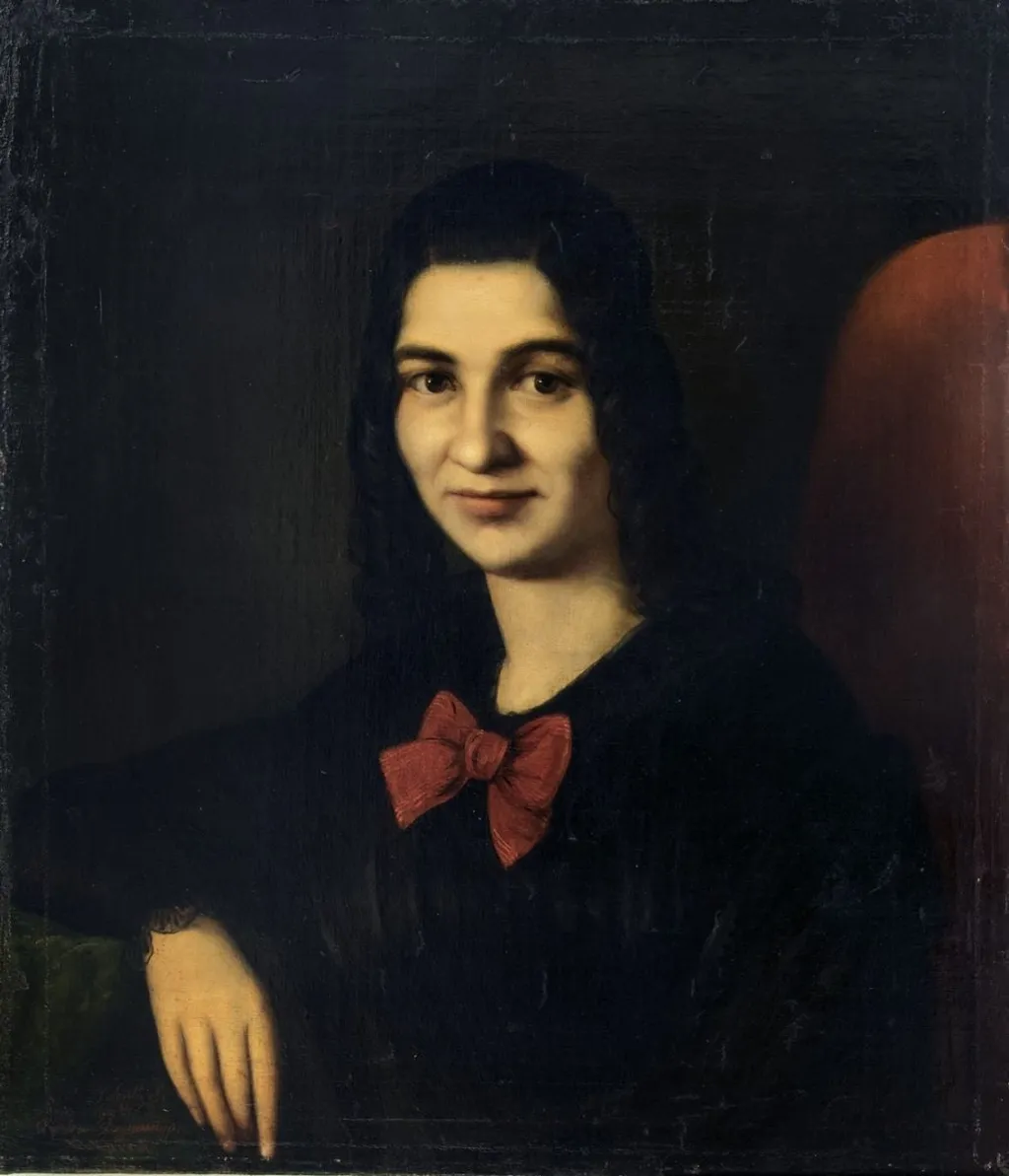
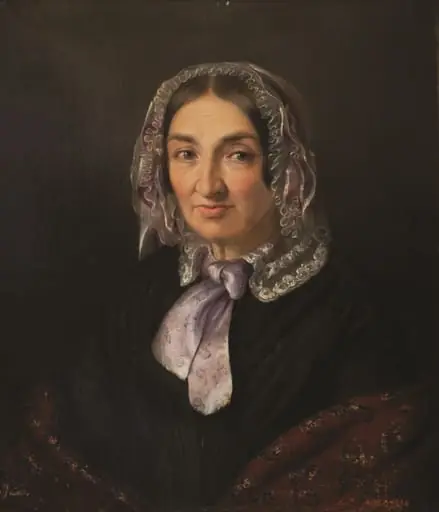
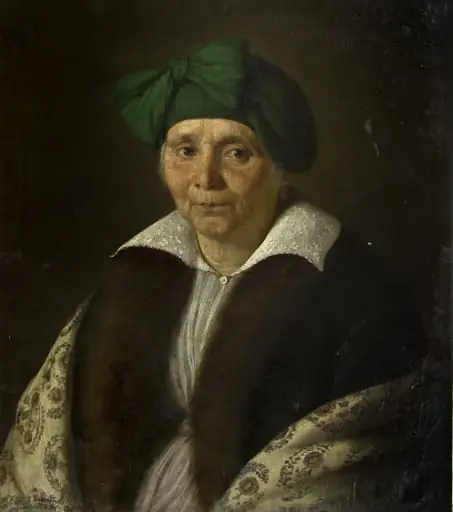
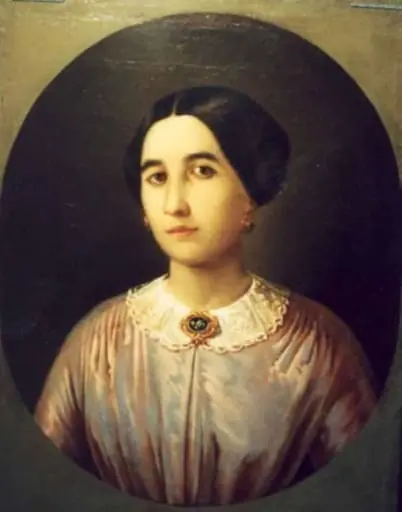
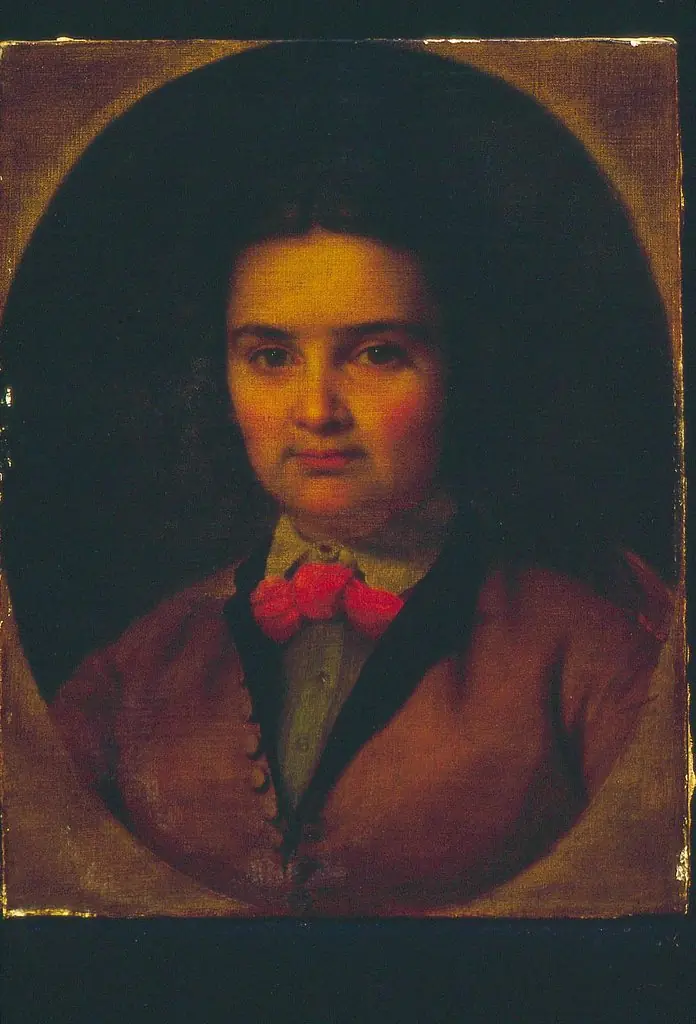
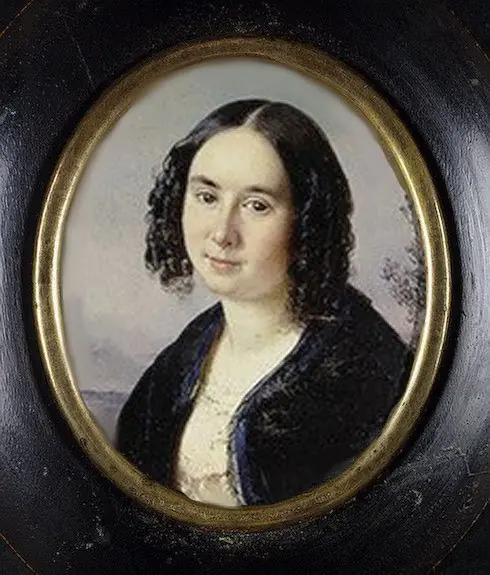
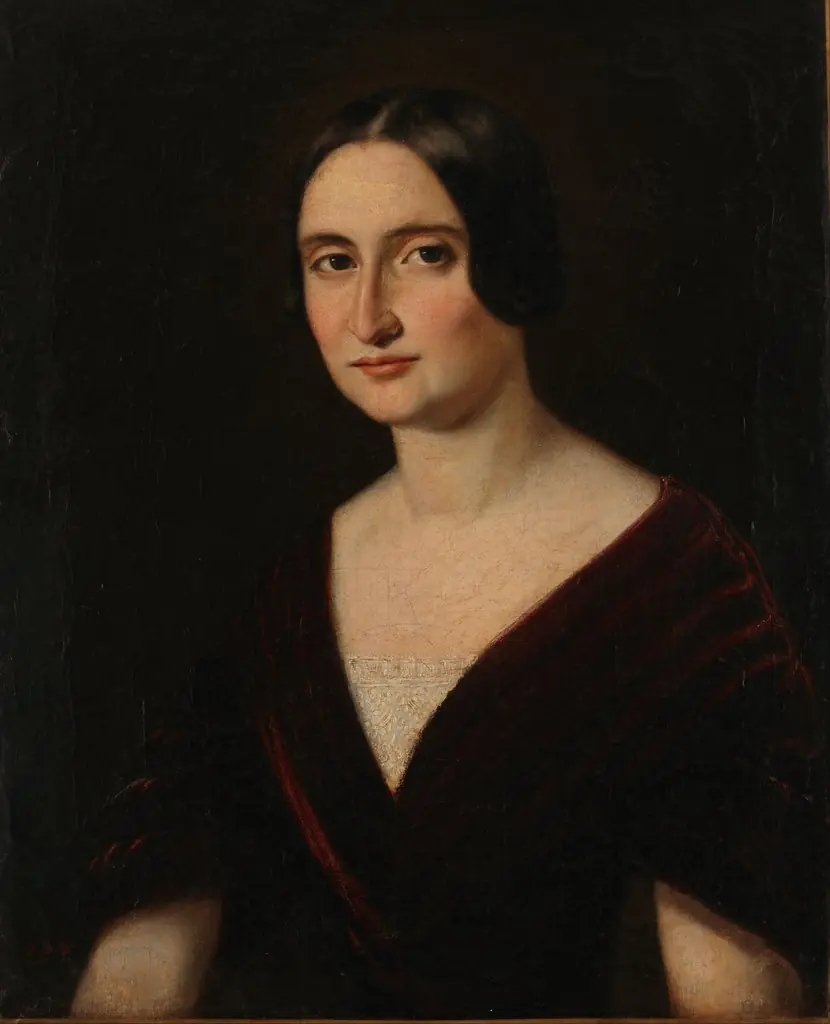
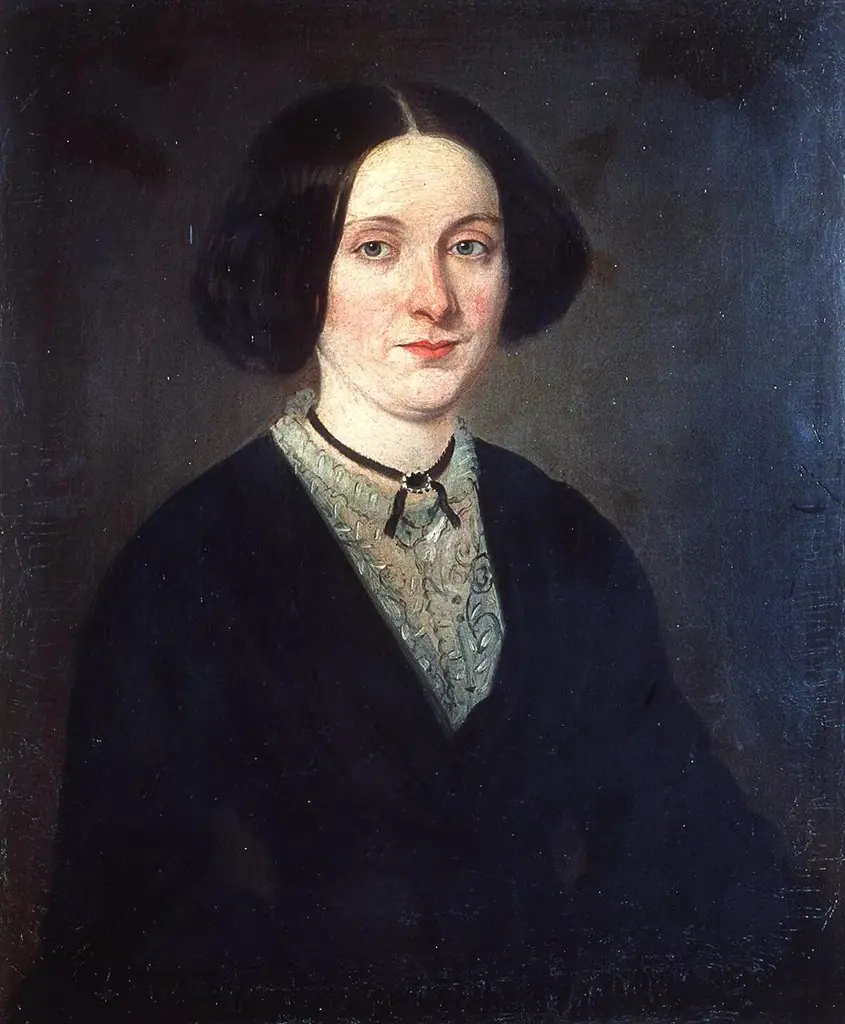
Portretul Elenei Negri is a print by the Romanticist artist Constantin Daniel Rosenthal. It dates from 1847 and is held in the collection of the National Museum of Art of Romania.
About this work
You can learn more about this style by looking at the work of artist Rosenthal, Constantin Daniel.
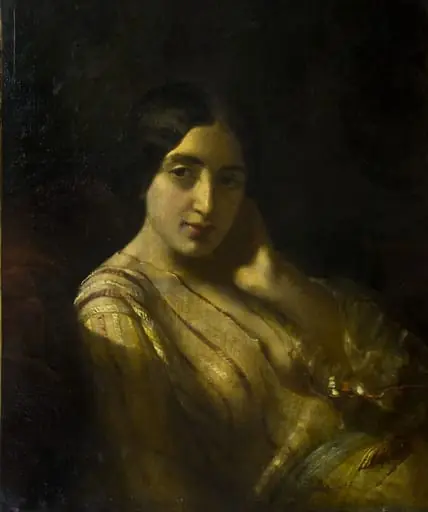
This painting shows a woman sitting in a room.
She's dressed in old-fashioned clothes.
The woman in the painting is Elena Negri, and what's interesting is that the artist made this print in 1847, which was a time when prints were becoming more popular.
The artist likely chose to depict Elena Negri in a simple setting to focus on her expression.
This was a common approach in portraits from that time.
You can learn more about this style by looking at the work of artist Rosenthal, Constantin Daniel.
Overview
Portretul Elenei Negri is a portrait painted in 1847 by Romanian artist Constantin Daniel Rosenthal. It depicts Elena Negri seated in a modest interior, rendered with quiet precision. The work belongs to a period when portraiture in the Danubian Principalities was shifting toward intimate, psychologically grounded depictions, moving away from formal aristocratic conventions.
Subject & Meaning
Elena Negri, the subject, is portrayed without ostentation, her demeanor calm and introspective. The absence of elaborate props or symbolic elements suggests an emphasis on personal presence rather than social status. Rosenthal’s choice to focus on her expression reflects a broader trend in mid-19th-century portraiture that valued individuality over ceremonial display.
Technique & Style
Rosenthal employed a restrained palette and soft modeling to convey texture and form, avoiding dramatic lighting or ornate detail. The brushwork is deliberate but unobtrusive, allowing the sitter’s gaze and posture to anchor the composition. This restrained approach aligns with academic traditions of the time, prioritizing clarity and emotional subtlety over theatricality.
History & Provenance
The painting was completed in 1847, during Rosenthal’s active years in Wallachia. It remained in private hands for much of its early history, with limited public exposure until later 20th-century scholarly interest in Romanian Romantic-era art. Its current location is documented in institutional collections, though its early ownership trail remains partially obscure.
Context
In the 1840s, Romanian artists began engaging more deeply with European academic styles while seeking to define a local visual identity. Rosenthal, influenced by his training in Vienna and Paris, contributed to this synthesis. Portretul Elenei Negri exemplifies how personal portraiture became a vehicle for cultural self-definition amid rising national consciousness.
Legacy
The portrait is recognized as one of Rosenthal’s most personal works, illustrating his ability to merge technical discipline with emotional nuance. It has been referenced in studies of Romanian 19th-century art as an early example of psychological portraiture in the region, influencing later generations who sought to capture inner life through quiet realism.
Artist & collection

Artist
Constantin Daniel Rosenthal (b.Rosenthal Konstantin, 1820 – July 23, 1851) was a painter and sculptor of Austrian birth and a Romanian 1848 revolutionary, best known for his portraits and his choice of Romanian Romantic nationalist…