Artwork
Sevastița Boldur (născută Arghiropol)
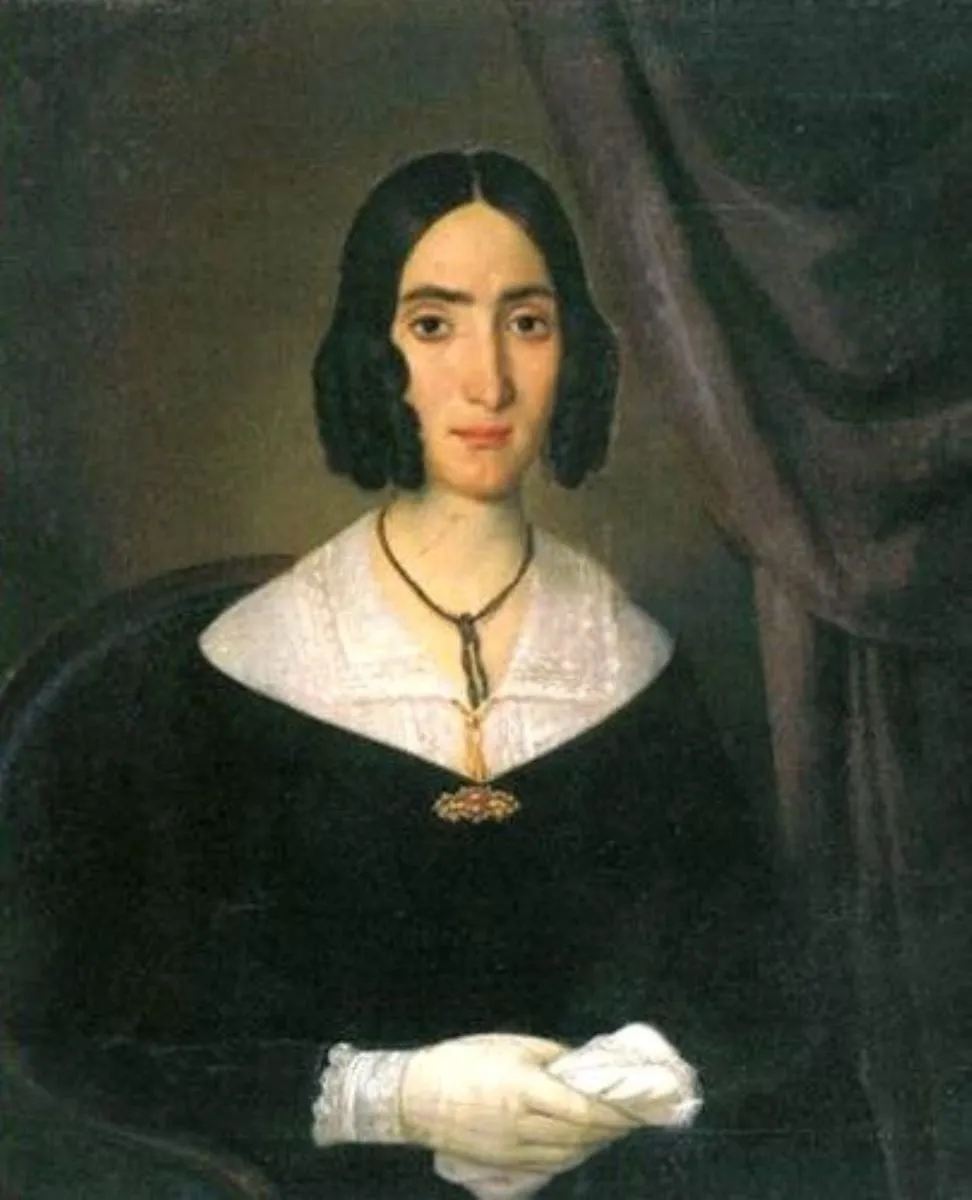
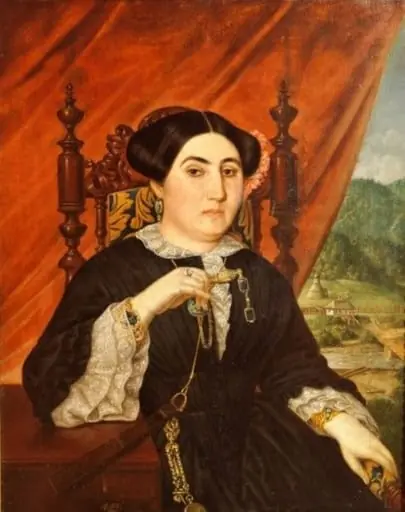
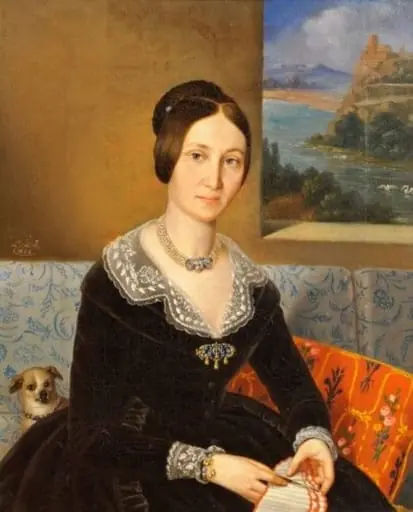
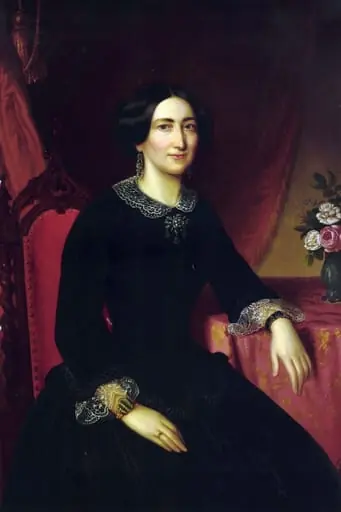
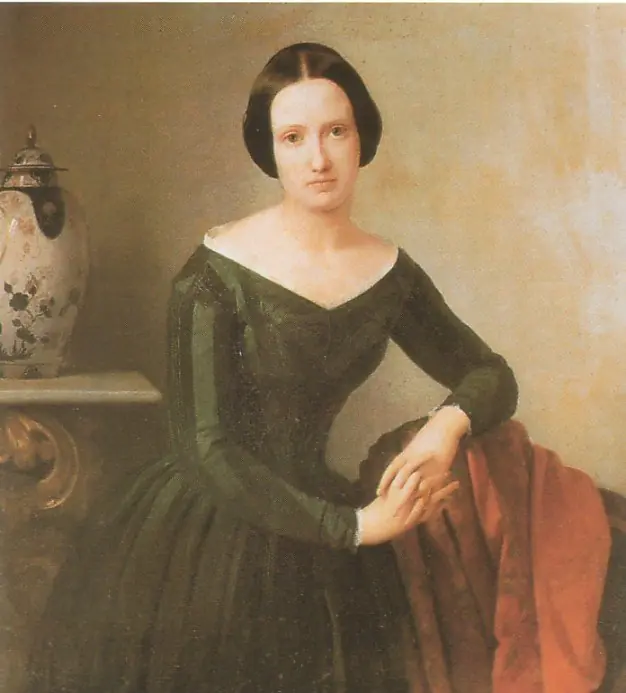
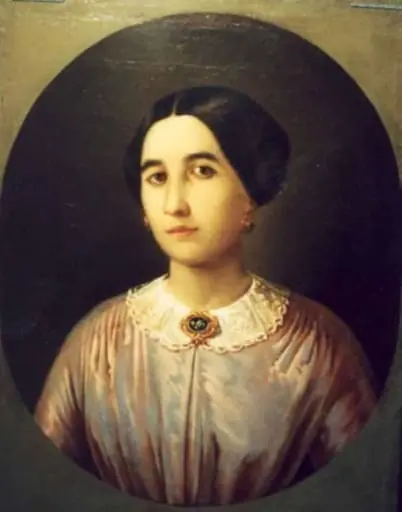
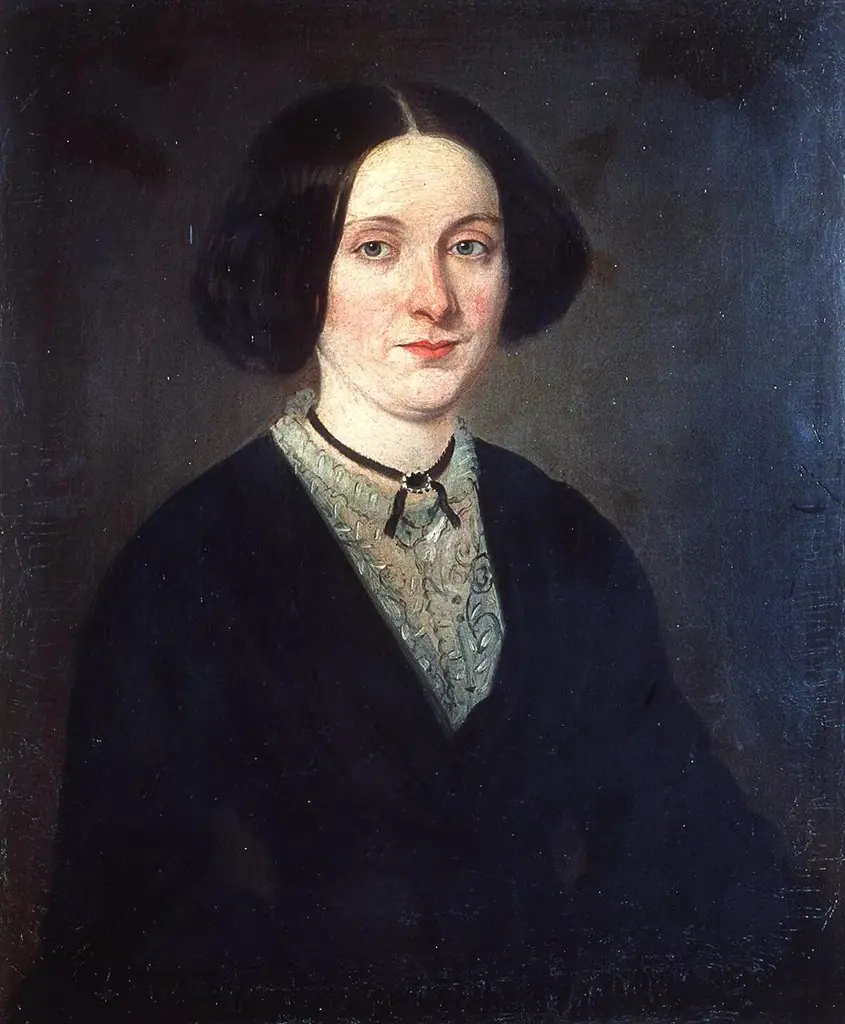
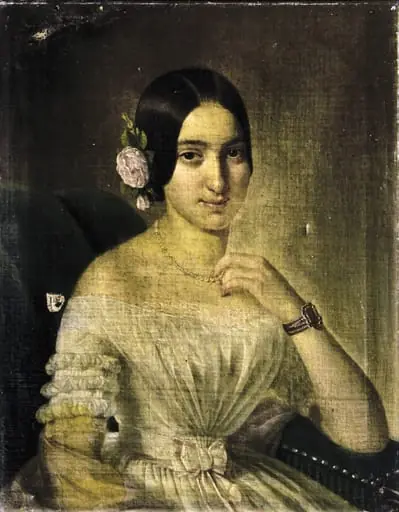
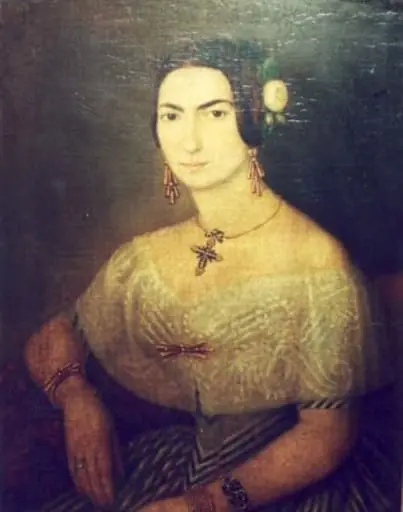
Sevastița Boldur (născută Arghiropol) is an unspecified painting by the Romanticist artist Niccolo Livaditti. It dates from 1843 and is held in the collection of the Moldova National Museum Complex. Niccolò Livaditti’s 1843 portrait captures Sevastița Boldur, born Arghiropol, in a restrained composition.
About this work
Overview
Her hands rest lightly on her lap against a plain, darkened backdrop, emphasizing the figure’s presence without extraneous detail.
Niccolò Livaditti’s 1843 portrait captures Sevastița Boldur, born Arghiropol, in a restrained composition. The canvas presents the sitter seated, her dark hair framing a composed expression, while a white collar and dark dress with a decorative brooch define her attire. Her hands rest lightly on her lap against a plain, darkened backdrop, emphasizing the figure’s presence without extraneous detail.
Subject & Meaning
The work portrays Sevastița Boldur as a dignified individual, likely reflecting her social standing and personal modesty. The calm demeanor and subdued pose suggest an intention to convey inner stability and respectability, common aspirations for portraiture among the emerging middle class in mid‑19th‑century Eastern Europe.
Technique & Style
Livaditti employs a gentle chiaroscuro, allowing soft illumination to model the sitter’s face and upper torso while the surrounding darkness recedes. This handling of light and shadow creates a subtle three‑dimensional effect, aligning the portrait with contemporary European conventions that favored modest lighting to highlight character rather than theatrical drama.
History & Provenance
Created in 1843, the portrait was likely commissioned by the Boldur family shortly after Sevastița’s marriage, a customary practice for documenting familial alliances. The painting has remained in private hands, passing through successive generations of the Boldur lineage, and has only recently entered public documentation.
Context
The portrait emerges from a period when Romanian territories were experiencing increased cultural exchange with Western artistic trends. Artists such as Livaditti, trained in the Italian tradition, introduced refined portrait techniques to local patrons, blending regional attire with broader European aesthetic standards.
Artist & collection
Artist
Niccolò Livaditti’s portraits feel like overheard gossip from the 1840s Bucharest salons—he painted the men who ran the place, their wives in stiff silk gowns, and the sons who’d inherit it all.