Artwork
Virgin and Child
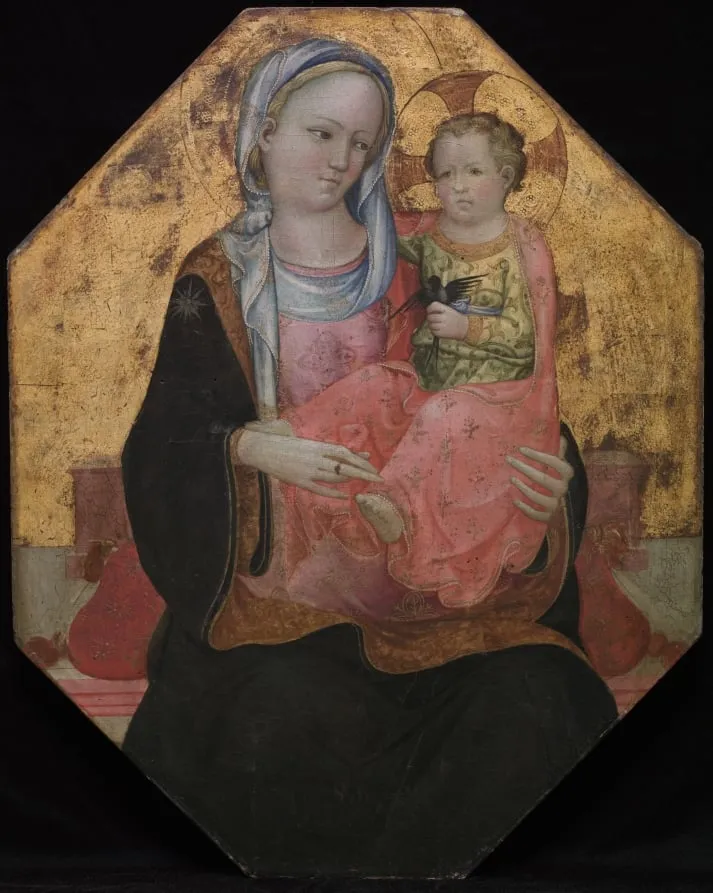
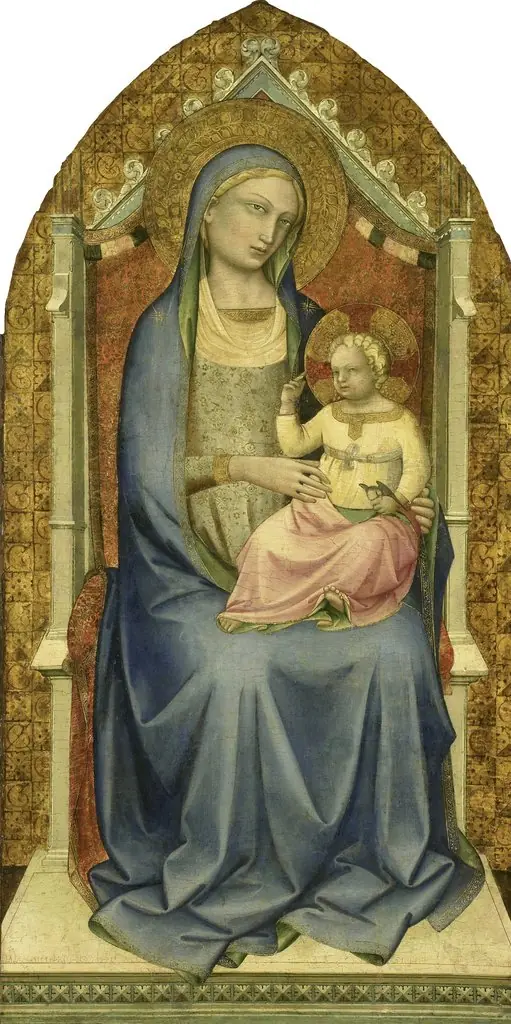
Virgin and Child is an unspecified painting by the Early Renaissance artist Rossello di Jacopo Franchi. It dates from 1434 and is held in the collection of the Cleveland Museum of Art. The panel depicts the Virgin Mary cradling the infant Christ, who clasps a small swallow in his left hand.
About this work
Swallows vanish in winter and return in spring, so people saw them as symbols of rebirth.
The painting shows the Virgin Mary holding a baby Jesus. She wears a deep blue robe with gold edges. The Christ Child clutches a small swallow in his left hand.
This bird wasn’t just decoration. Swallows vanish in winter and return in spring, so people saw them as symbols of rebirth. The painting was likely the center of an altarpiece before it was cut into an octagon.
Look up Rossello di Jacopo Franchi (Italian, c.1376–1457) to see more of his work.
Overview
The panel depicts the Virgin Mary cradling the infant Christ, who clasps a small swallow in his left hand. Mary is dressed in a deep blue mantle trimmed with gold, a conventional color scheme for the Virgin in the period. The composition is framed by an octagonal border, a shape resulting from later alteration of the original work.
Subject & Meaning
The swallow held by the Christ Child serves as an emblem of renewal; medieval belief held that swallows disappeared in winter and returned with spring, a natural metaphor for the Resurrection. By incorporating the bird, the image conveys a subtle theological message of Christ’s triumph over death and the promise of new life.
Technique & Style
Executed in tempera on panel, the painting displays the delicate modeling and linear clarity characteristic of early 15th‑century Italian devotional art. The use of rich ultramarine pigment for Mary's robe and gilded edging reflects both the artist’s skill and the patron’s resources, while the figures are rendered with a gentle, idealized naturalism.
History & Provenance
Originally the central panel of a larger altarpiece, the work was later disassembled and the surviving portion was trimmed to its present octagonal form. The alteration likely occurred when the altarpiece was broken up for sale or redistribution, a common fate for many composite religious artworks in later centuries.
Context
The painting aligns with the devotional practices of early Renaissance Italy, where intimate images of the Virgin and Child were intended for private contemplation. Its iconography and style correspond with the oeuvre of Rossello di Jacopo Franchi, an artist active in Florence and its environs between the late 14th and mid‑15th centuries.
Artist & collection
Artist
Rossello di Jacopo Franchi (c. 1376/77 – c. 1456) was a Florentine Renaissance painter, active from about 1408 until 1451.

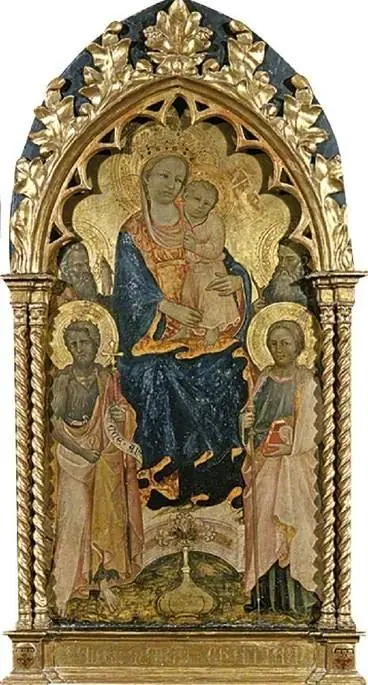
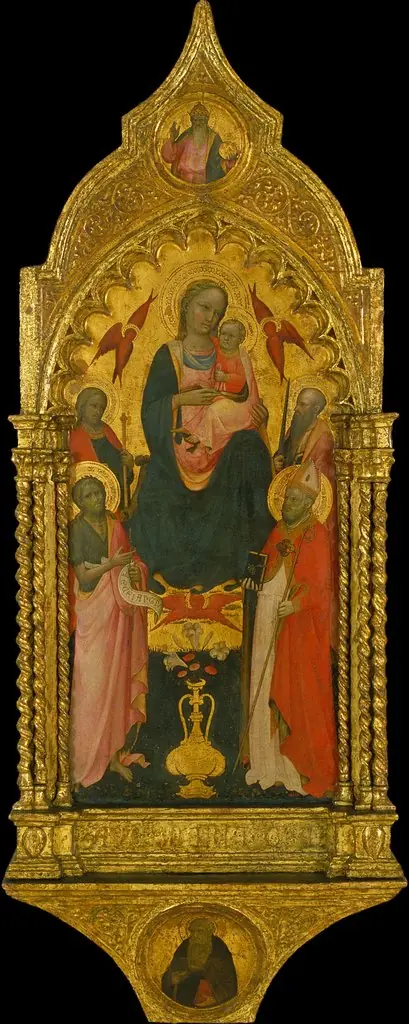
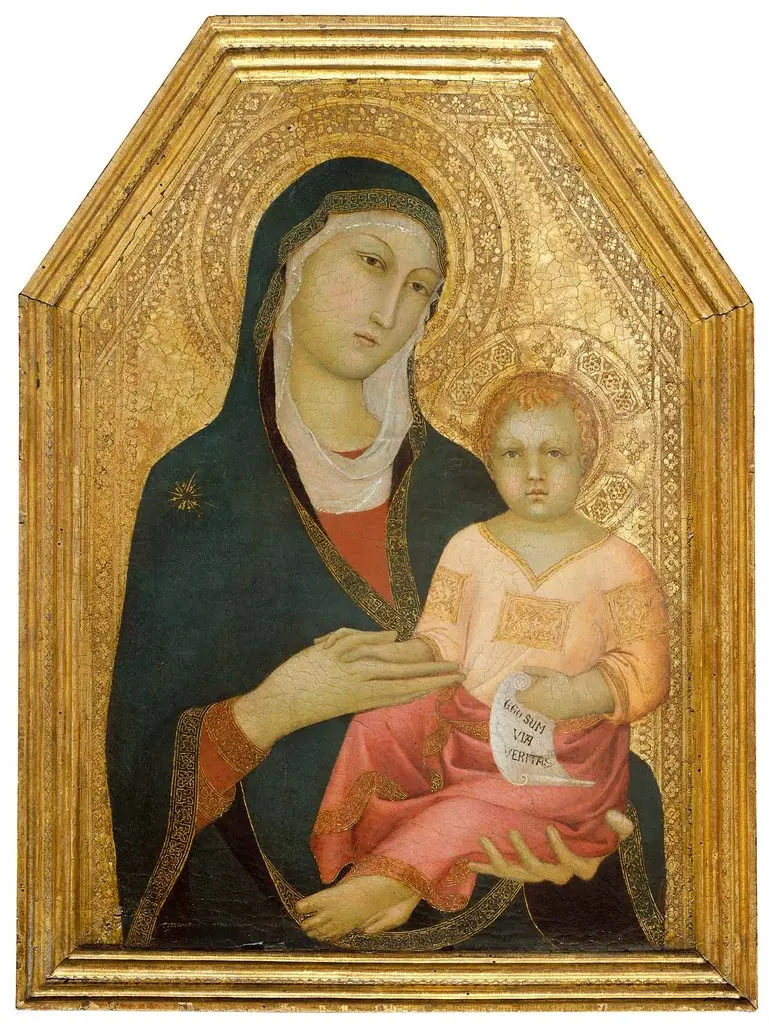 Virgin and Child
![Madonna and Child, with the Blessing Christ [middle panel], by Pietro Lorenzetti](https://artifactworldgallery.com/img/pietro-lorenzetti--madonna-and-child-with-the-blessing-christ-middle-panel--02357aa6ff04175b-w320.webp) Madonna and Child, with the Blessing Christ [middle panel]
Madonna and Child, with the Blessing Christ [middle panel]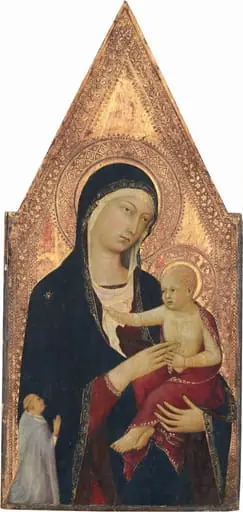 Madonna and Child with Donor
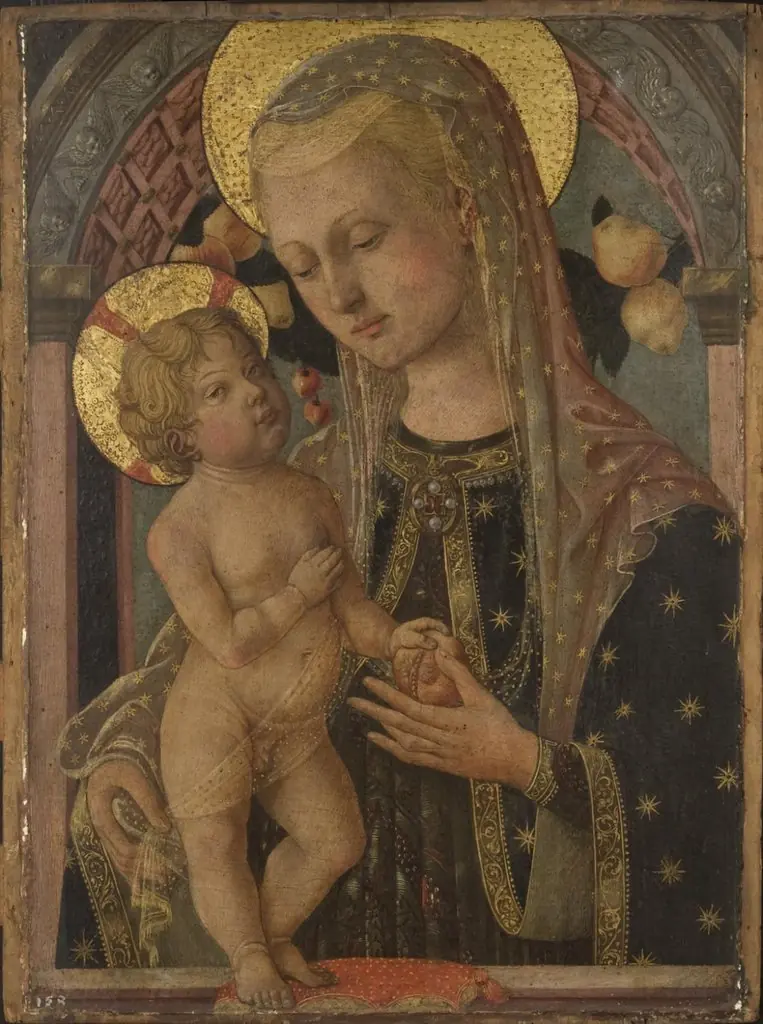 Virgin and Child with a Pomegranate
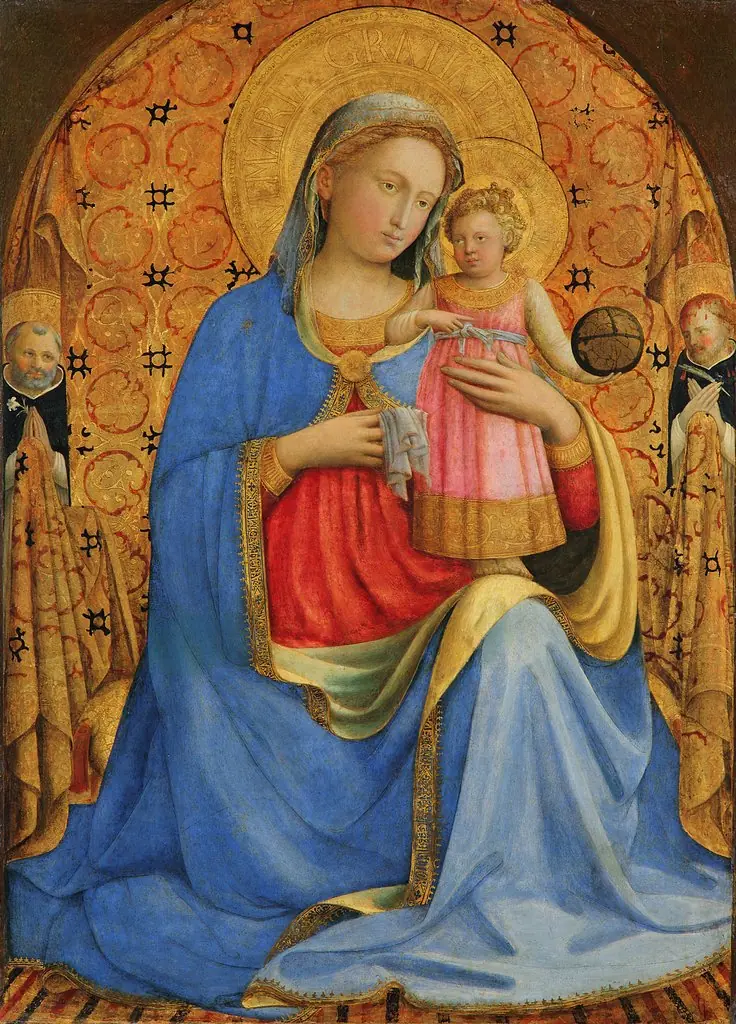 Madonna and Child
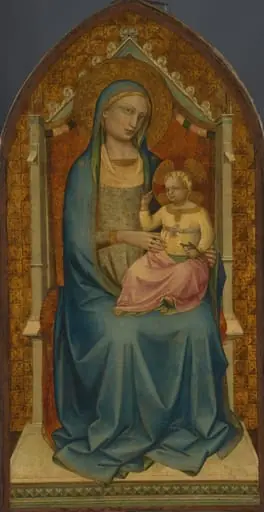 Virgin and Child
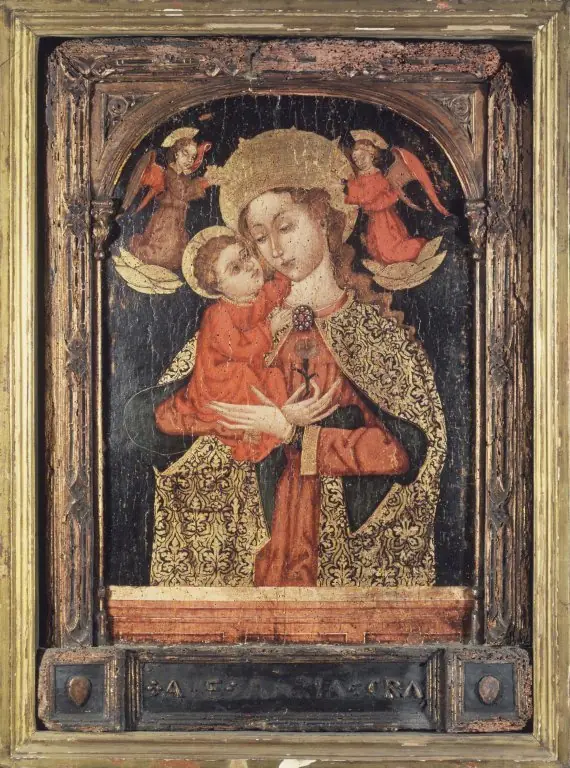 Virgin and Child with Two Angels
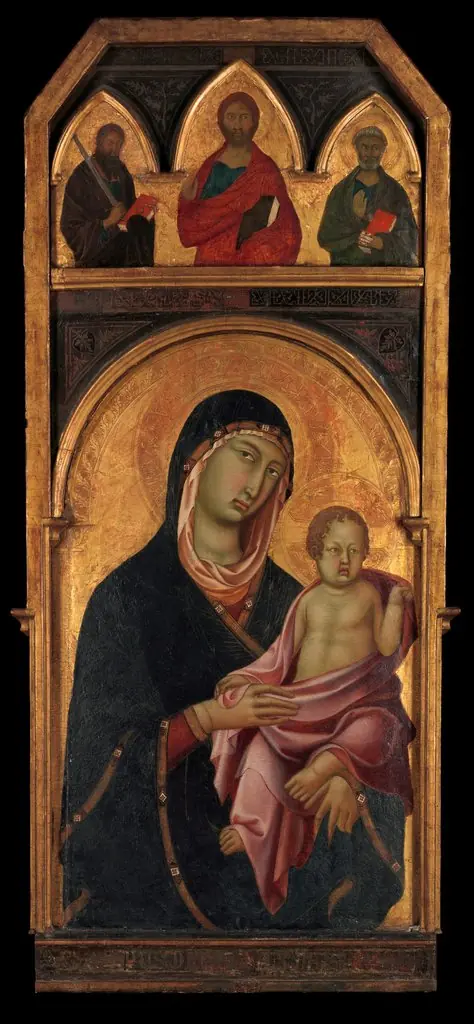 Madonna and Child
 Madonna of Humility
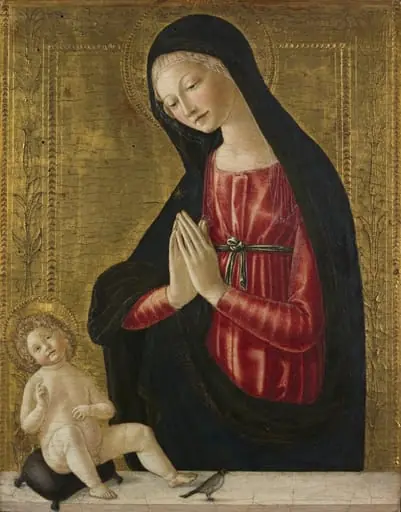 Virgin and Child with a Goldfinch
 Virgin and Child
 Virgin and Child Enthroned