Artwork
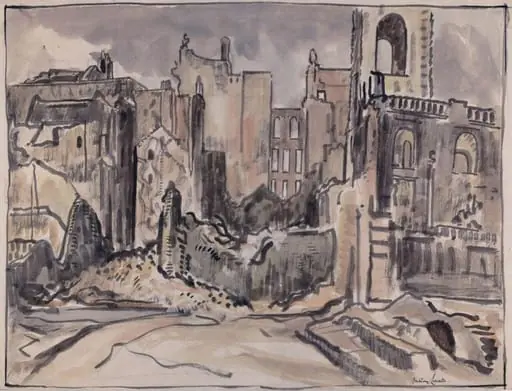
Cambrai, January 1919
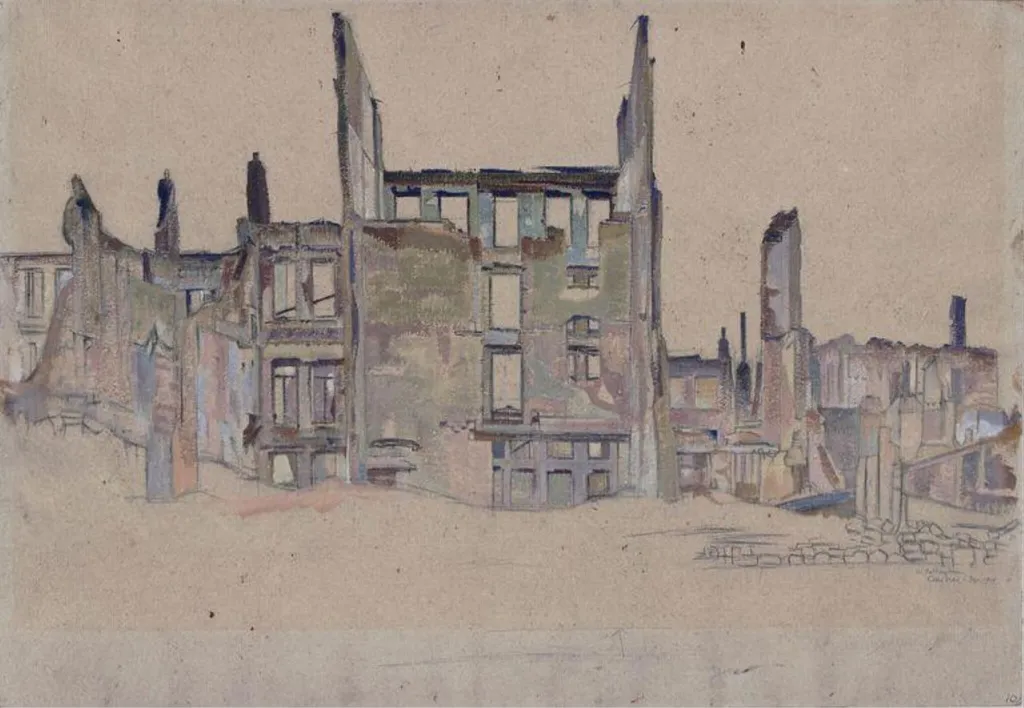
Cambrai, January 1919 is a watercolor work on paper by the Post-Impressionist artist William Rothenstein. It dates from 1919 and is held in the collection of the Victoria and Albert Museum.
About this work
Overview
Cambrai, January 1919 is a watercolour and gouache work, signed and dated by the artist in 1919, depicting a post-conflict landscape.
Subject & Meaning
The artwork portrays a devastated scene of war aftermath, with ruined buildings in the foreground and more destruction visible in the background, set against a grey sky. The composition conveys a somber atmosphere of loss and devastation.
Technique & Style
Executed in watercolour with muted brown and grey tones, the piece leverages the medium's inherent softness to create a dreamy, melancholic quality that underscores the emotional impact of the depicted desolation.
History & Provenance
Signed and dated by the artist in 1919, the work's specific historical context suggests it captures the immediate aftermath of World War I, specifically referencing the town of Cambrai, a significant location during the war.
Artist & collection
Artist
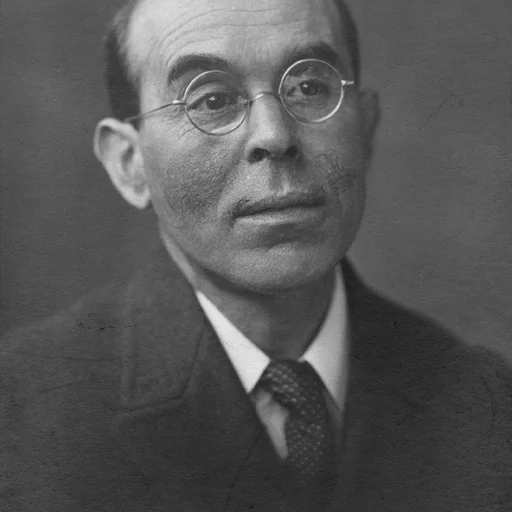
Sir William Rothenstein was an English painter, printmaker, draughtsman, lecturer, and writer on art.

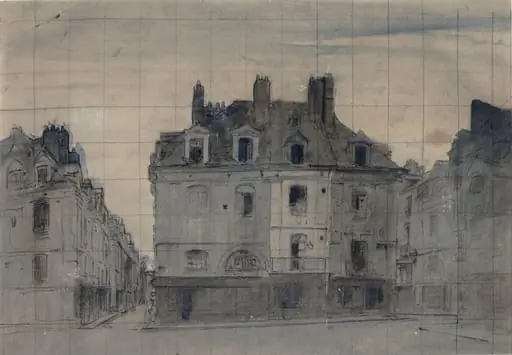 The Haunted House, Dieppe
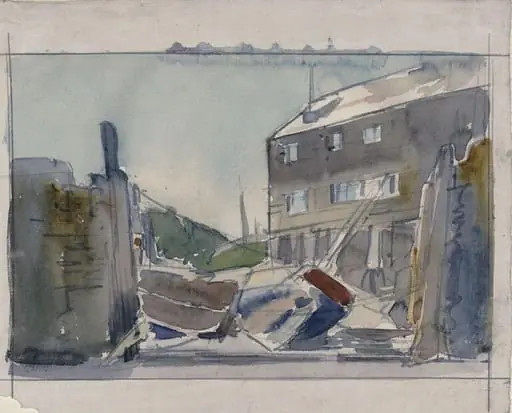 Shipyard at Padstow
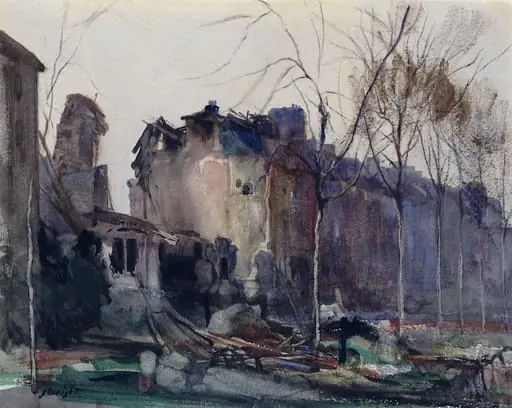 Warrington Crescent, 1918, after the Air Raid
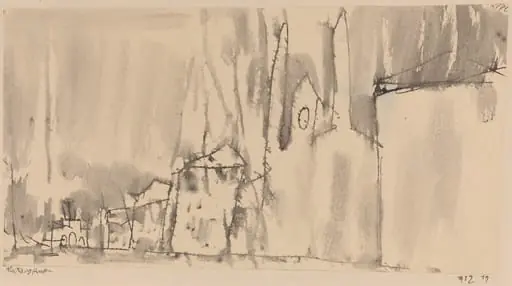 Ludwigstrasse
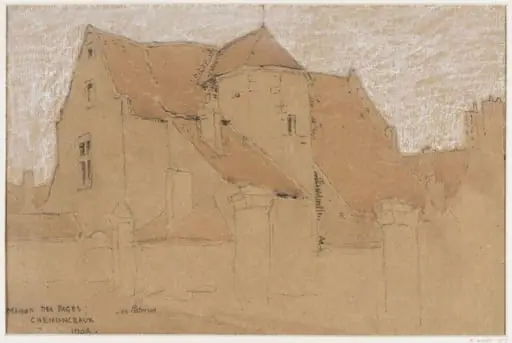 Maison des Pages, Chenonceaux, 1908
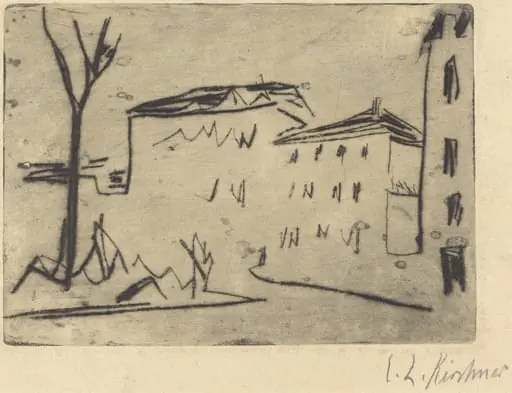 Street Corner in Dresden (Strassenecke Dresden)
 St. Nicholas, Cole Abbey, Queen Victoria Street
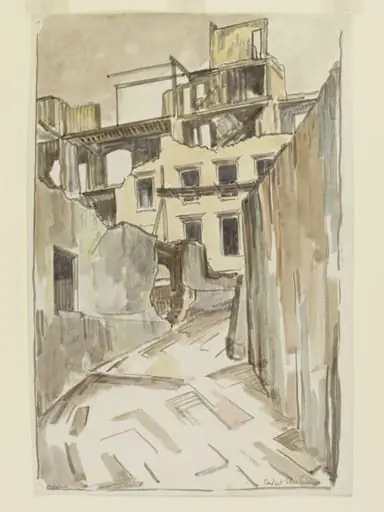 Conduit Street, corner of Saville Row, after bombing
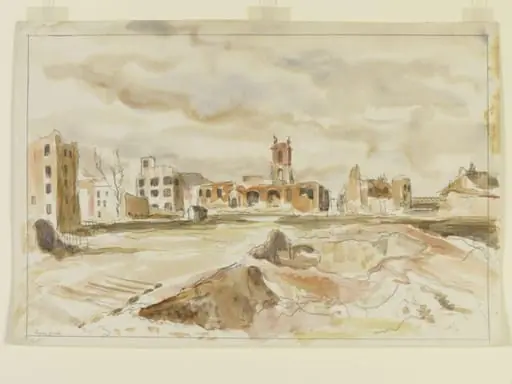 St. Giles, Cripplegate after bombing
 Χωρίς τίτλο
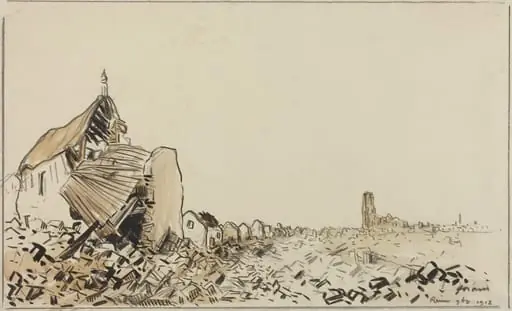 Reims 9bre 1918
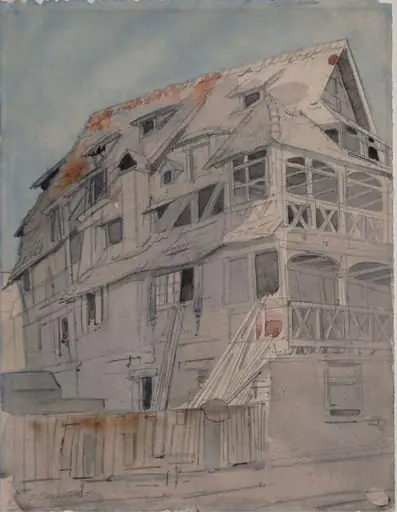 The Old Tannery, Strasbourg