Artwork
Pont de Batignies in the Forest of Compiègne
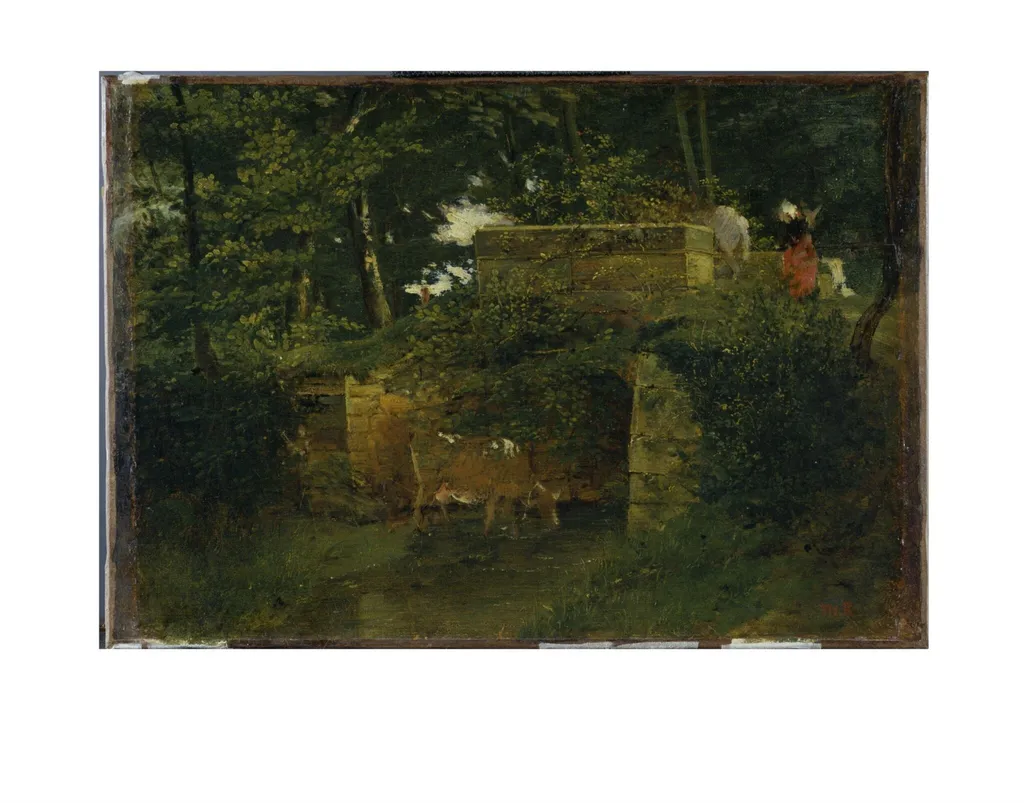
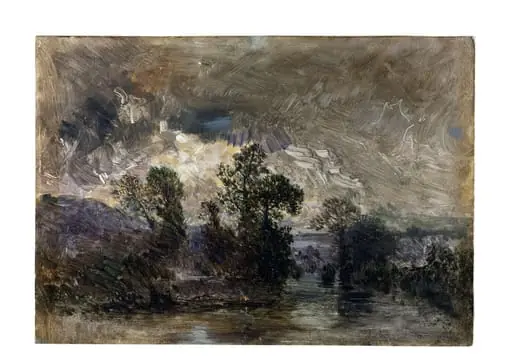
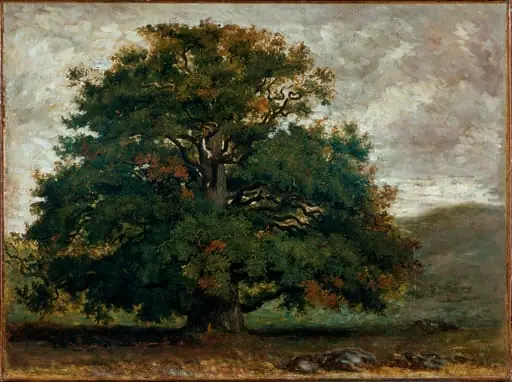
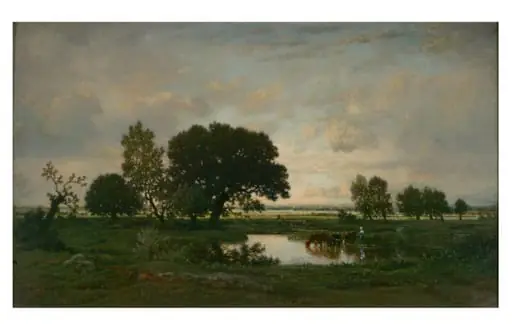
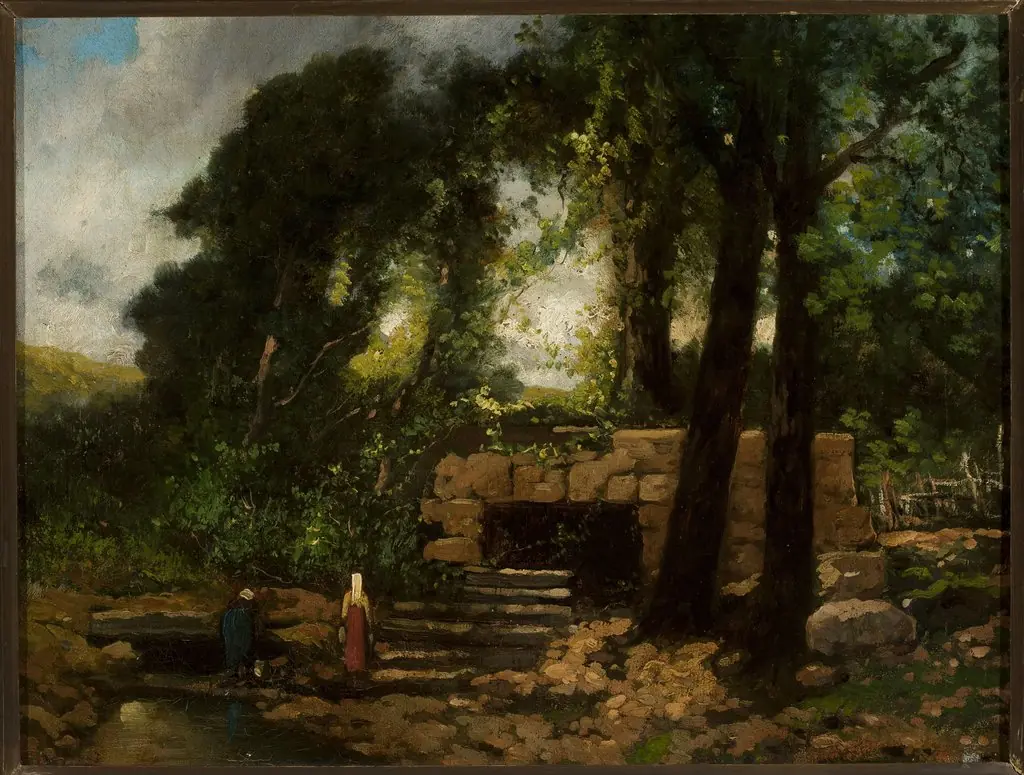
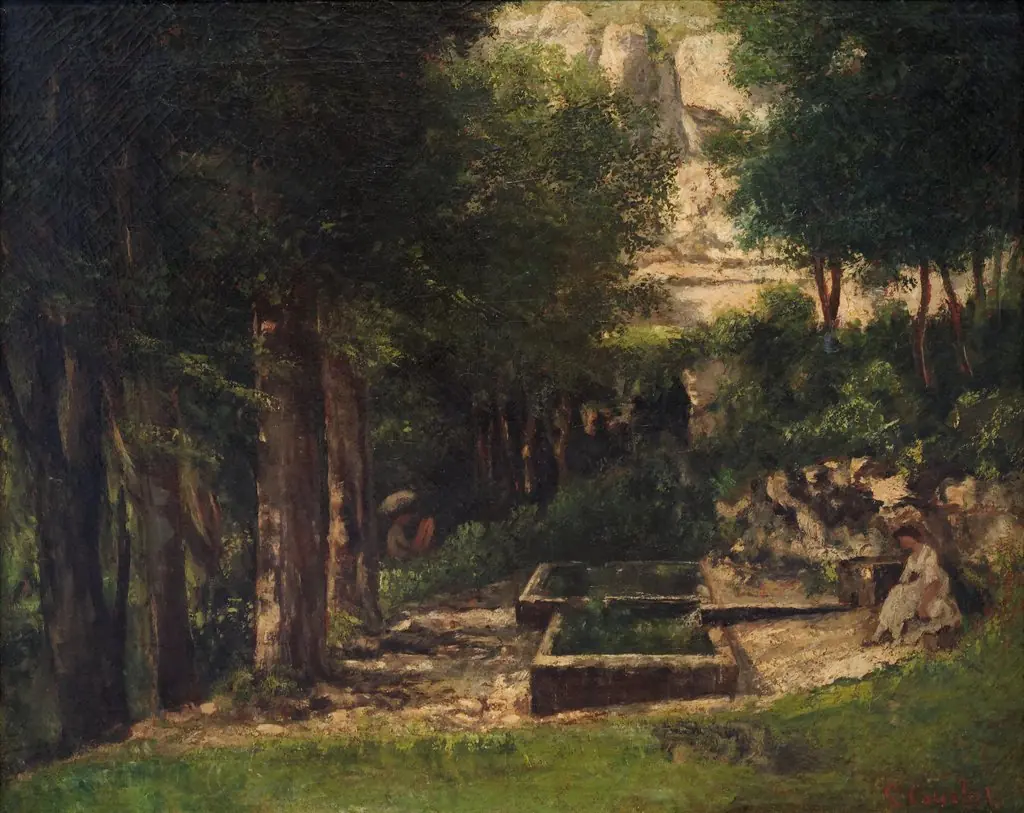
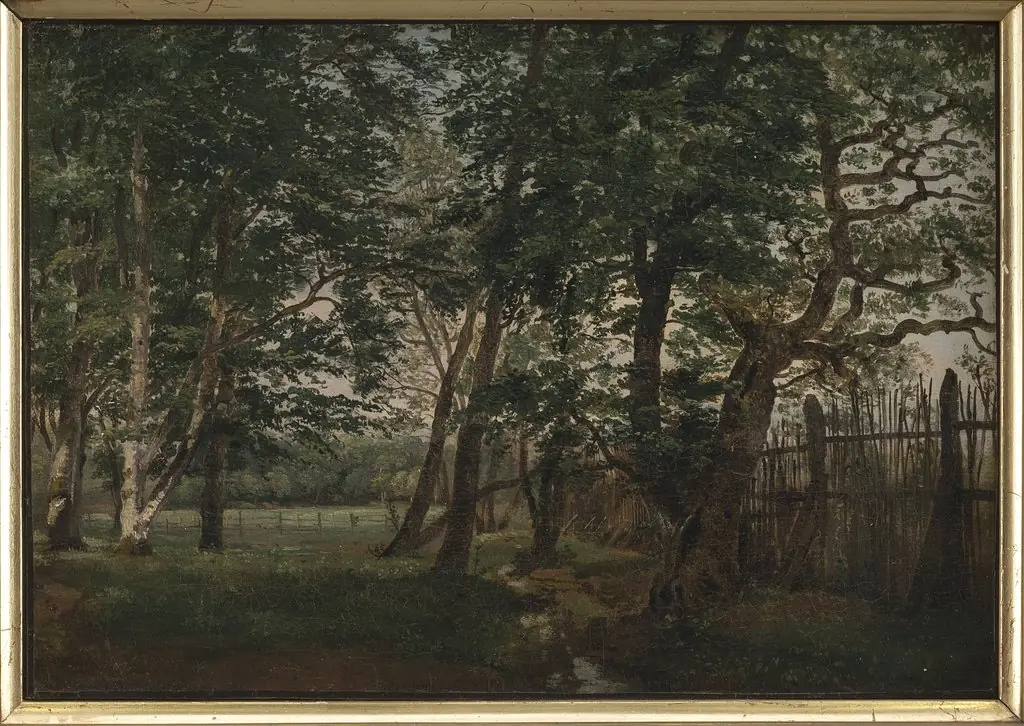
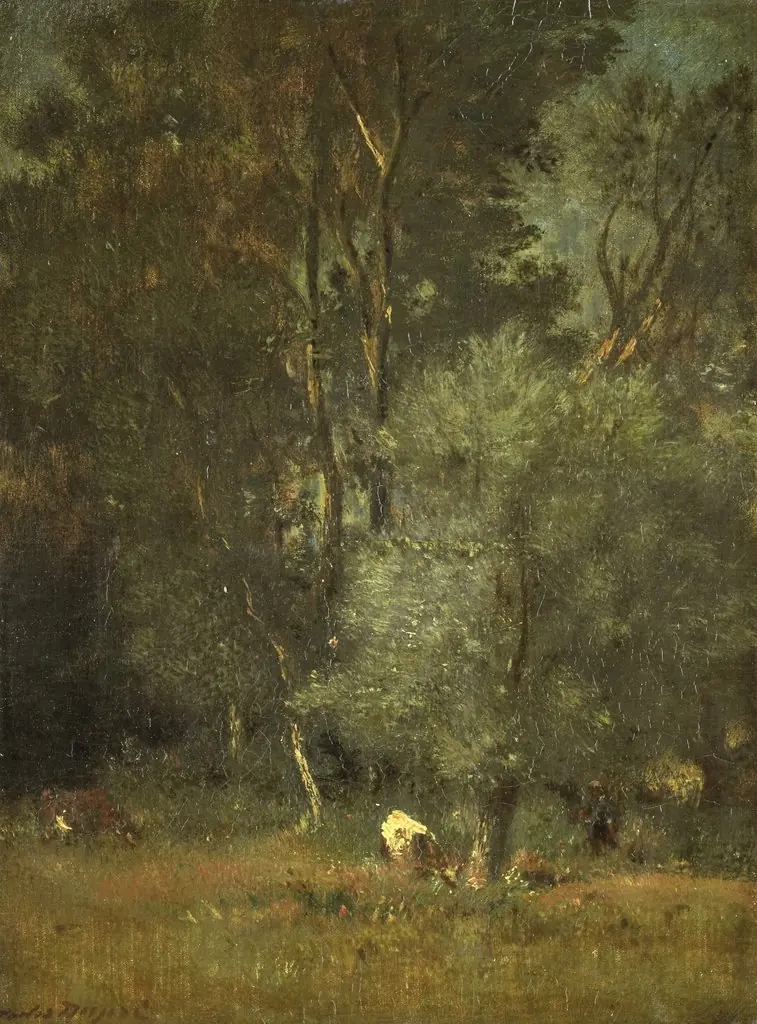
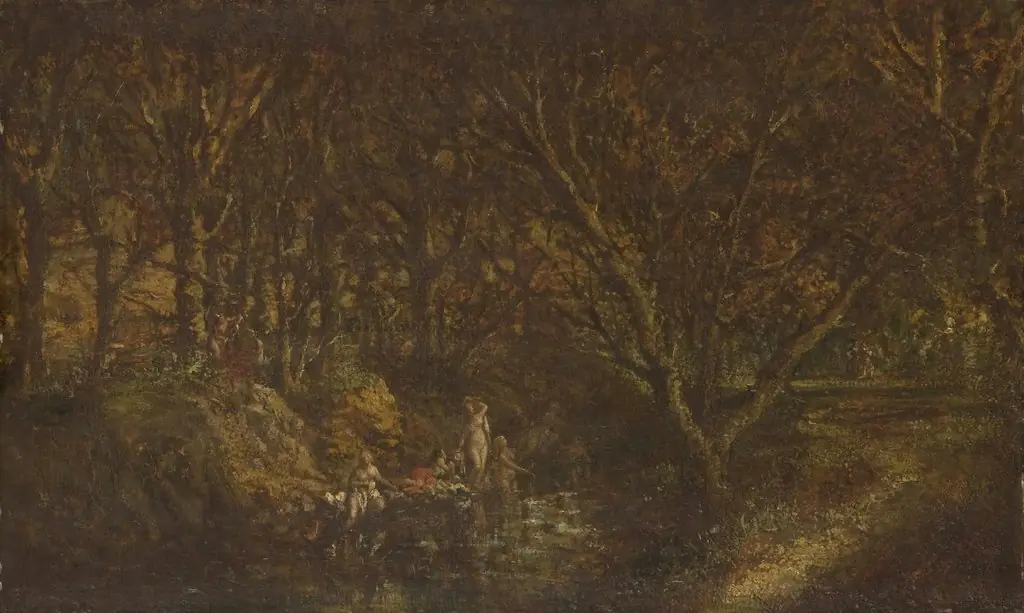
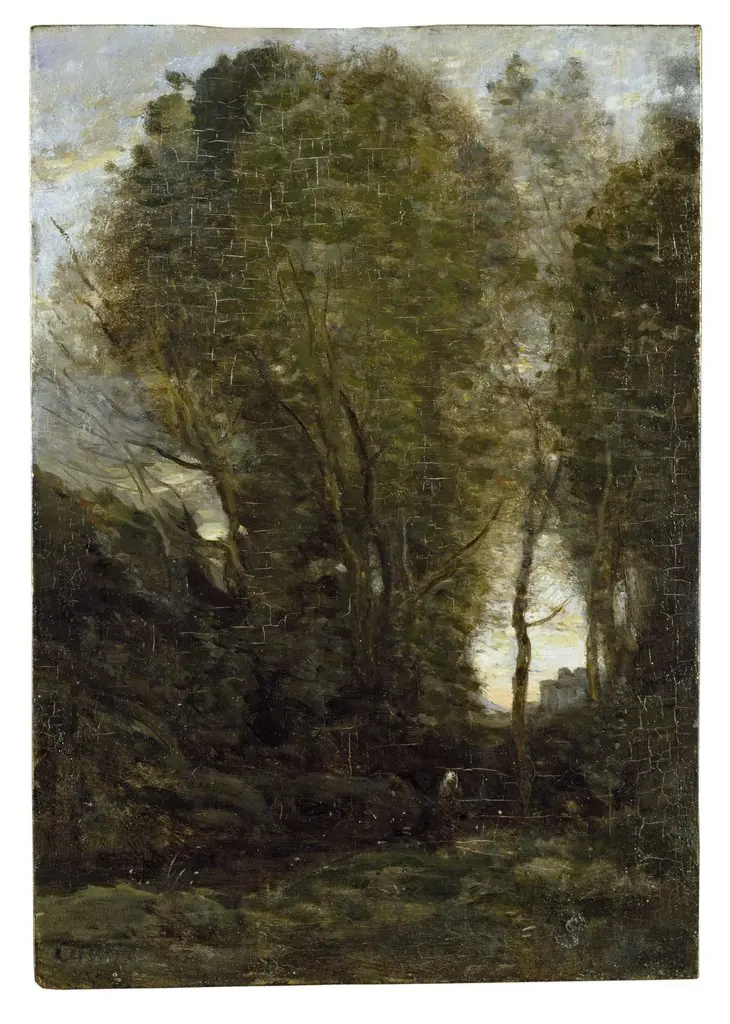
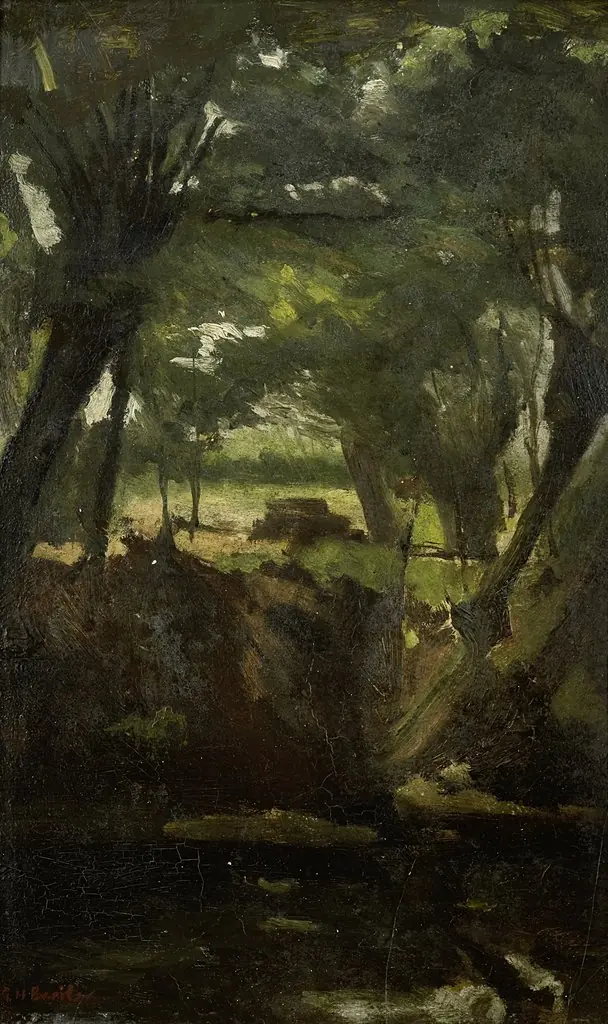
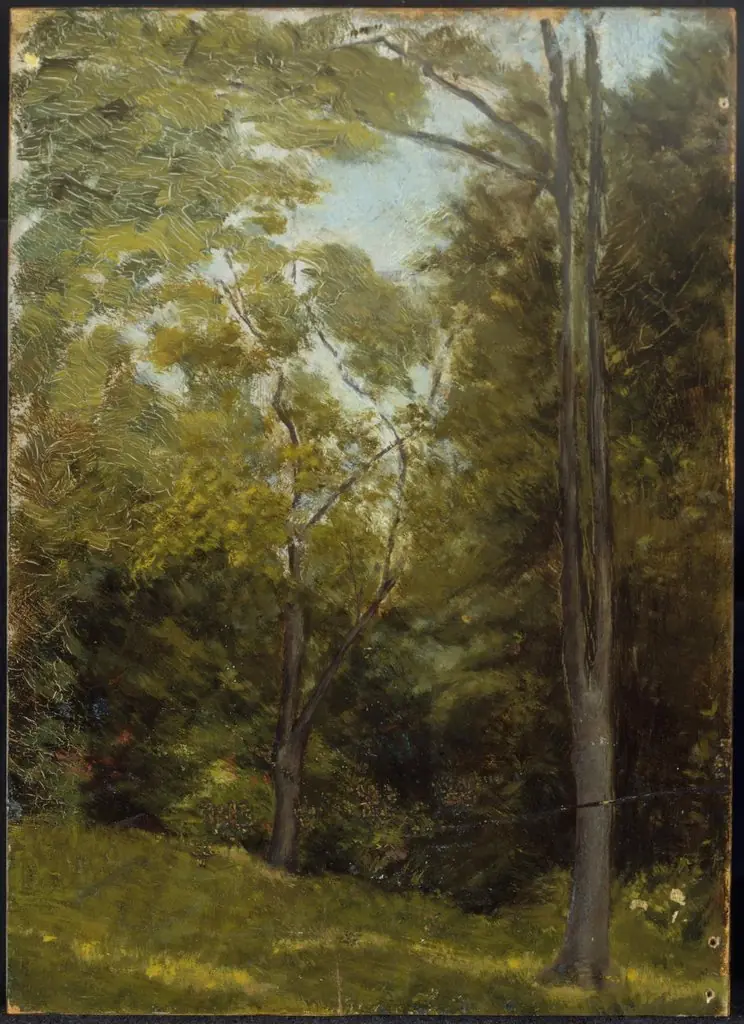
Pont de Batignies in the Forest of Compiègne is an oil painting by the Barbizon school artist Pierre-Etienne-Théodore Rousseau. It dates from 1826 and is held in the collection of the Victoria and Albert Museum.
About this work
Overview
Théodore Rousseau’s early oil sketch captures a modest wooden footbridge spanning a narrow stream within the forest of Compiègne, situated northeast of Paris.
Théodore Rousseau’s early oil sketch captures a modest wooden footbridge spanning a narrow stream within the forest of Compiègne, situated northeast of Paris. The composition presents a tranquil woodland scene, where the bridge’s weathered planks rest beneath a canopy of dark trunks, while a muted sky filters through the foliage. The work reflects the artist’s youthful engagement with plein‑air observation.
Subject & Meaning
The painting records the Batignies bridge over the Ru de Berne, a modest crossing that would have been familiar to local travelers. By focusing on the quiet interaction of water, timber, and forest, Rousseau emphasizes the ordinary beauty of a natural setting, inviting viewers to contemplate the subtle interplay of light and shadow in a moment of stillness.
Technique & Style
Executed with a loose, expansive brushstroke, the piece demonstrates Rousseau’s early departure from meticulous detailing toward a more spontaneous handling of paint. The broad application of color conveys the texture of bark and water with immediacy, while the softened edges allow atmospheric effects to emerge, foreshadowing the painterly approach that would later define the Barbizon school.
History & Provenance
Created likely during Rousseau’s teenage years, the work predates his later recognition by the Paris Salon. Though the artist faced repeated rejections from official exhibitions between 1836 and 1841, this sketch illustrates his developing commitment to direct observation of nature, a commitment that eventually earned him official commissions and the rank of Officer of the Légion d’honneur in 1867.
Own this work as a print
Artist & collection
Artist
Pierre-Etienne-Théodore Rousseau
French landscape painter of the 1820s–1850s, Rousseau built mood from weather and woodland.