Artwork
Am Zürichhorn (Studie)
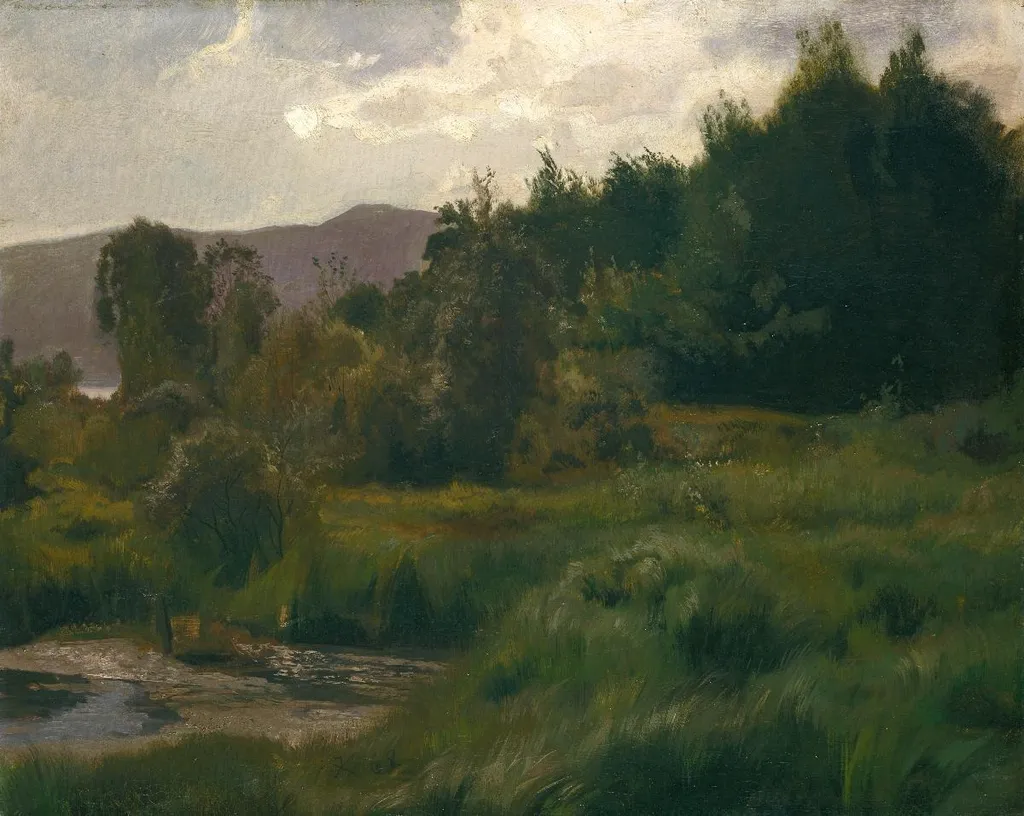
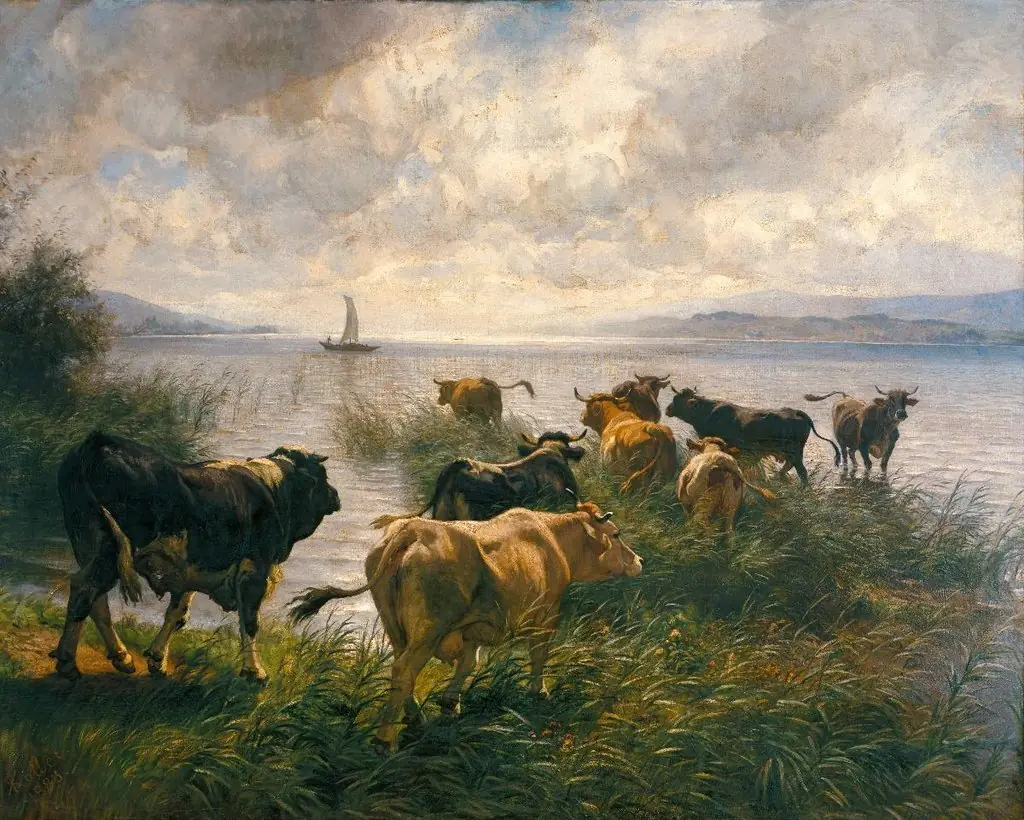
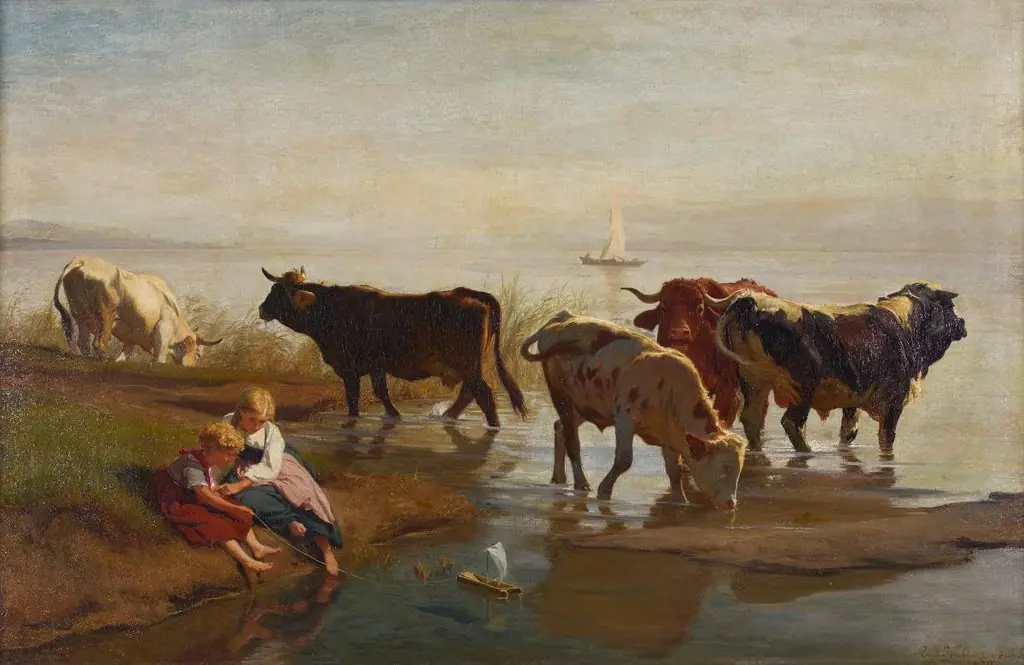
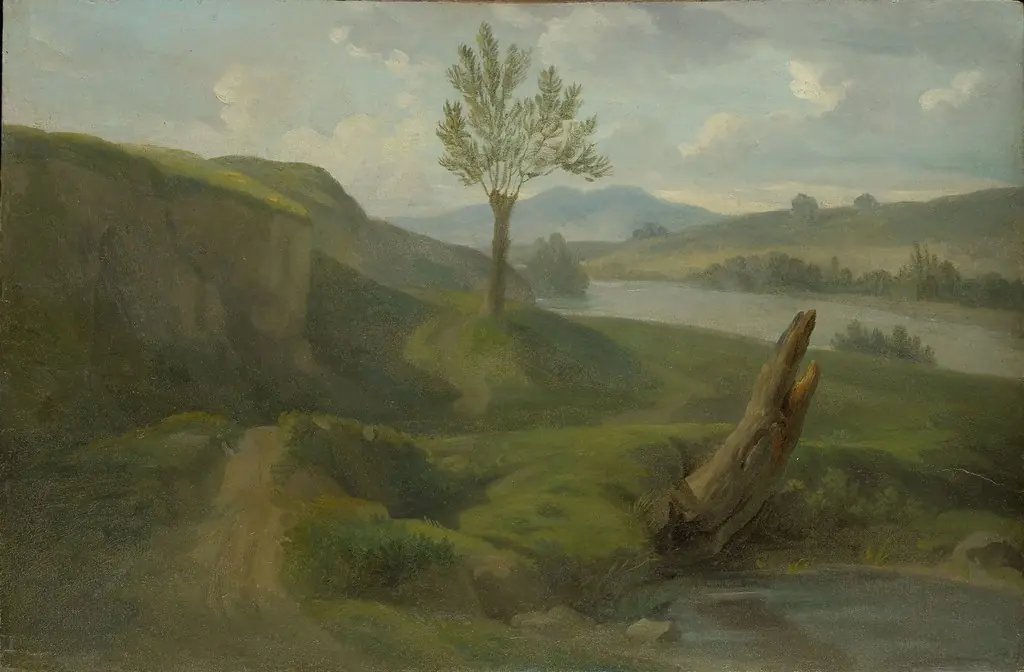
Am Zürichhorn (Studie) is an oil painting by the Biedermeier artist Rudolf Koller. It dates from 1862 and is held in the collection of the Kunsthaus Zürich.
About this work
Overview
Though associated with the Düsseldorf school, Koller’s approach remained distinctly Swiss in its restraint and attention to local topography.
Rudolf Koller painted *Am Zürichhorn (Studie)* in 1862 as a landscape study in oil. The work reflects his commitment to direct observation of nature and aligns with the quiet realism of the Biedermeier tradition. Though associated with the Düsseldorf school, Koller’s approach remained distinctly Swiss in its restraint and attention to local topography. The painting is part of the permanent collection at Kunsthaus Zürich.
Subject & Meaning
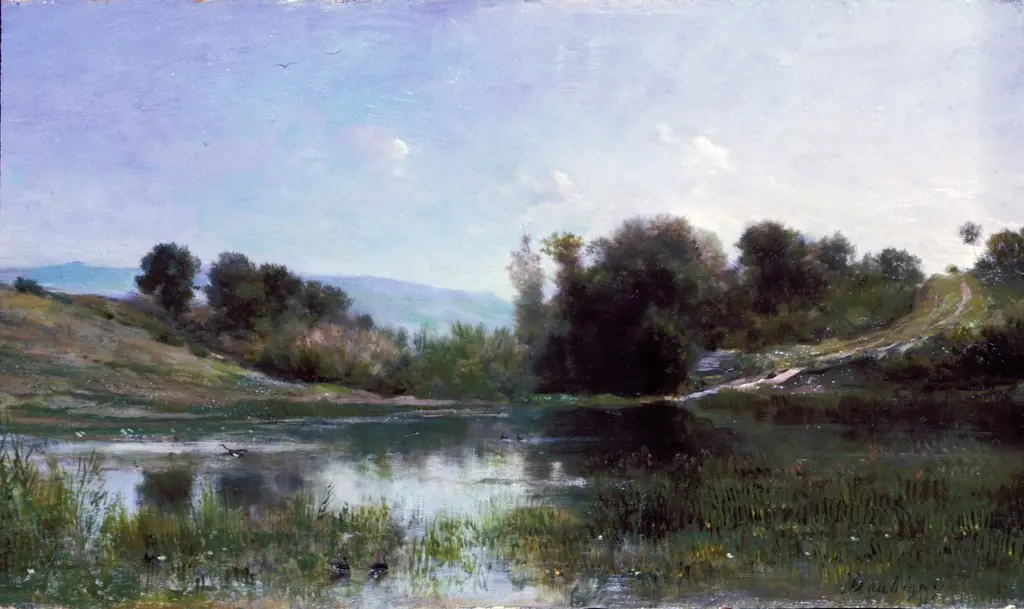
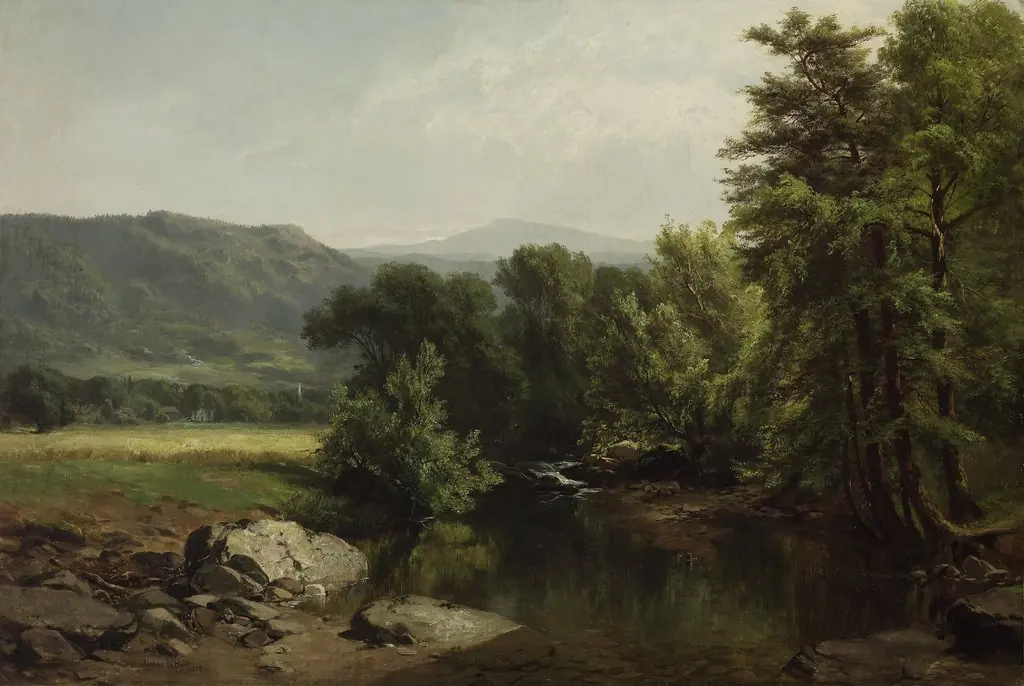
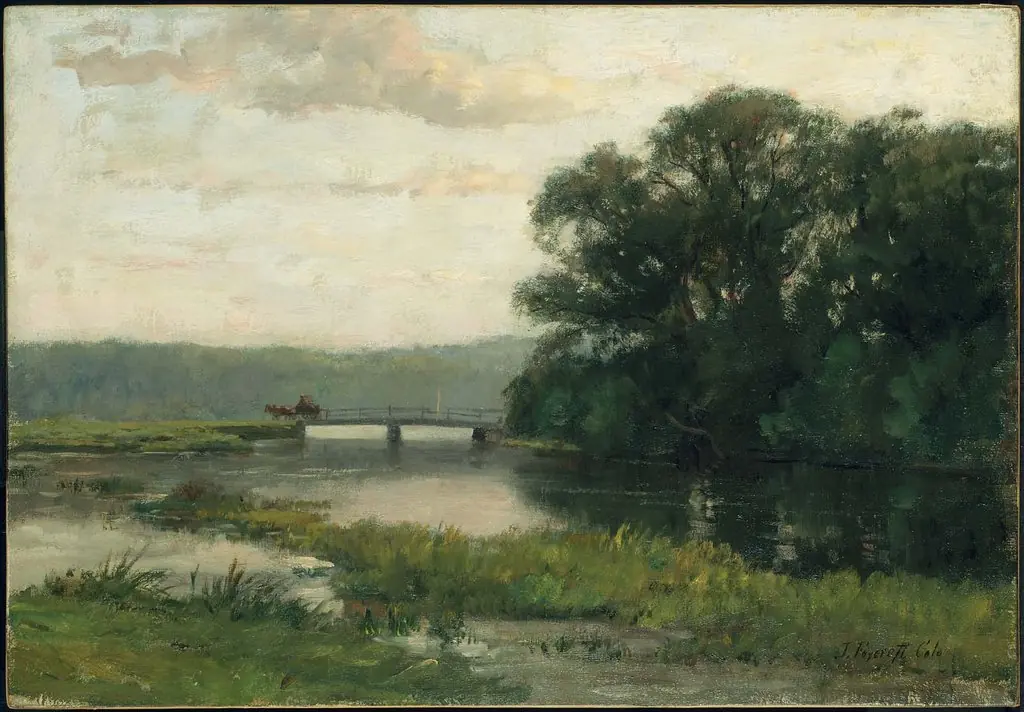
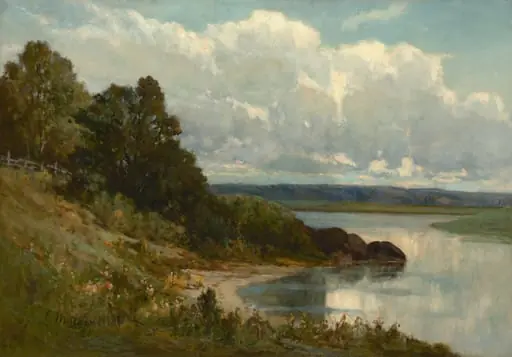
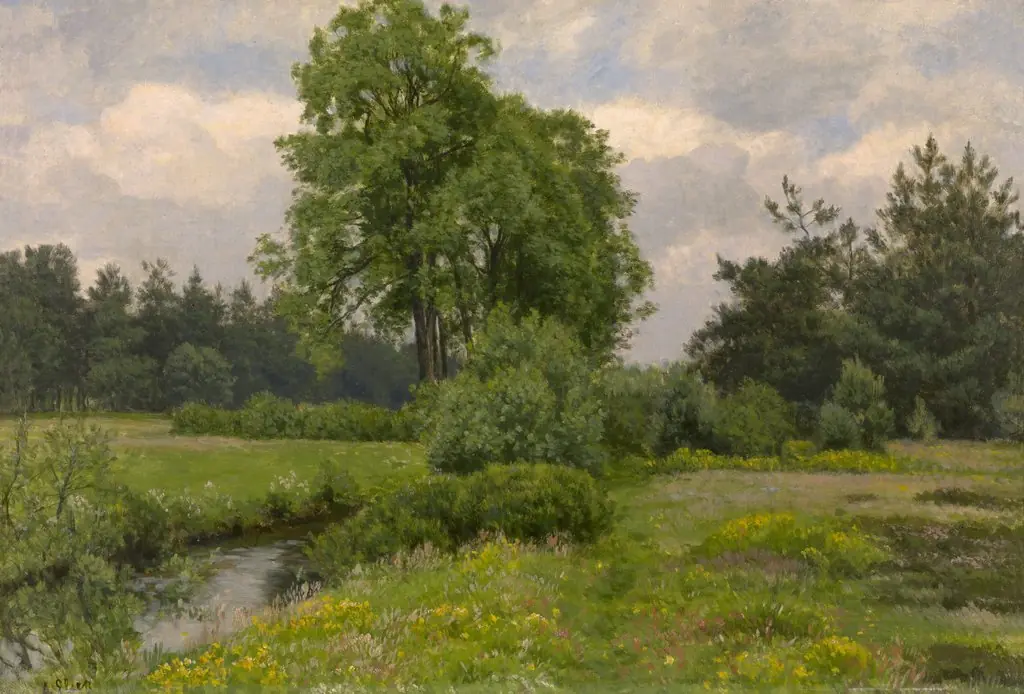
The scene captures a tranquil stretch of the Zürichhorn peninsula, where a narrow stream winds through dense vegetation. Distant hills and a soft, overcast sky frame the composition, emphasizing stillness rather than drama. Koller avoids narrative or human presence, focusing instead on the quiet rhythm of the natural environment, suggesting a contemplative engagement with place.
Technique & Style
Koller employed oil paint with a muted palette and deliberate brushwork to render subtle shifts in light and texture. The foliage is suggested through layered strokes rather than detailed rendering, while the water reflects the sky with restrained tonality. His style bridges the precision of academic training and the atmospheric sensitivity seen in French Barbizon painters, without adopting their emotional intensity.
History & Provenance
Created during Koller’s mature period, the painting was likely made as a preparatory study for larger works or as an independent record of the landscape. It entered the Kunsthaus Zürich’s collection in the late 19th or early 20th century, following the artist’s growing reputation in Swiss cultural circles. Its preservation reflects early institutional recognition of landscape painting as a serious genre in Switzerland.
Context
In the mid-19th century, Swiss artists increasingly turned to native landscapes as subjects, moving away from idealized historical or mythological themes. Koller’s focus on the Zürichhorn reflects this national shift, paralleling broader European trends toward plein air study. His work contributed to a growing Swiss identity rooted in the observation of everyday natural environments.
Legacy
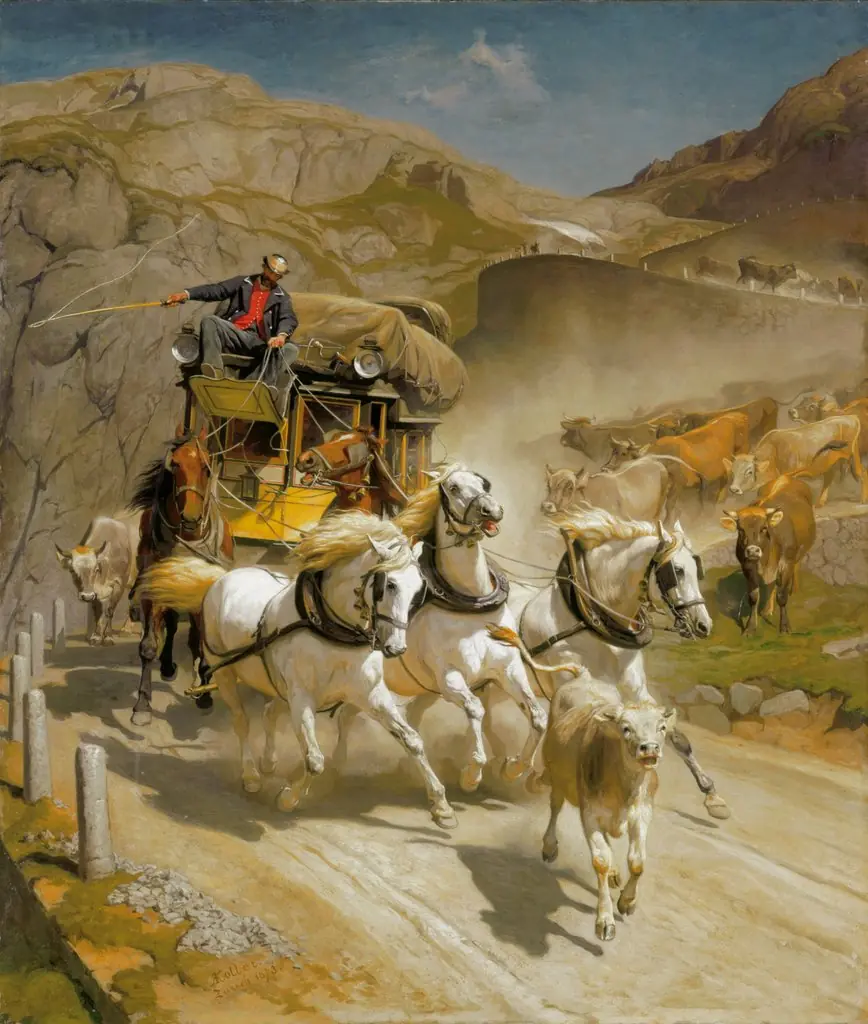
Koller is regarded as the most significant Swiss animal painter of his time, yet *Am Zürichhorn (Studie)* reveals his broader sensitivity to landscape. The painting exemplifies his role in elevating topographical studies to a form of quiet artistic inquiry. It remains a touchstone for understanding how Swiss realism developed independently of dominant German or French movements.
Artist & collection
Artist
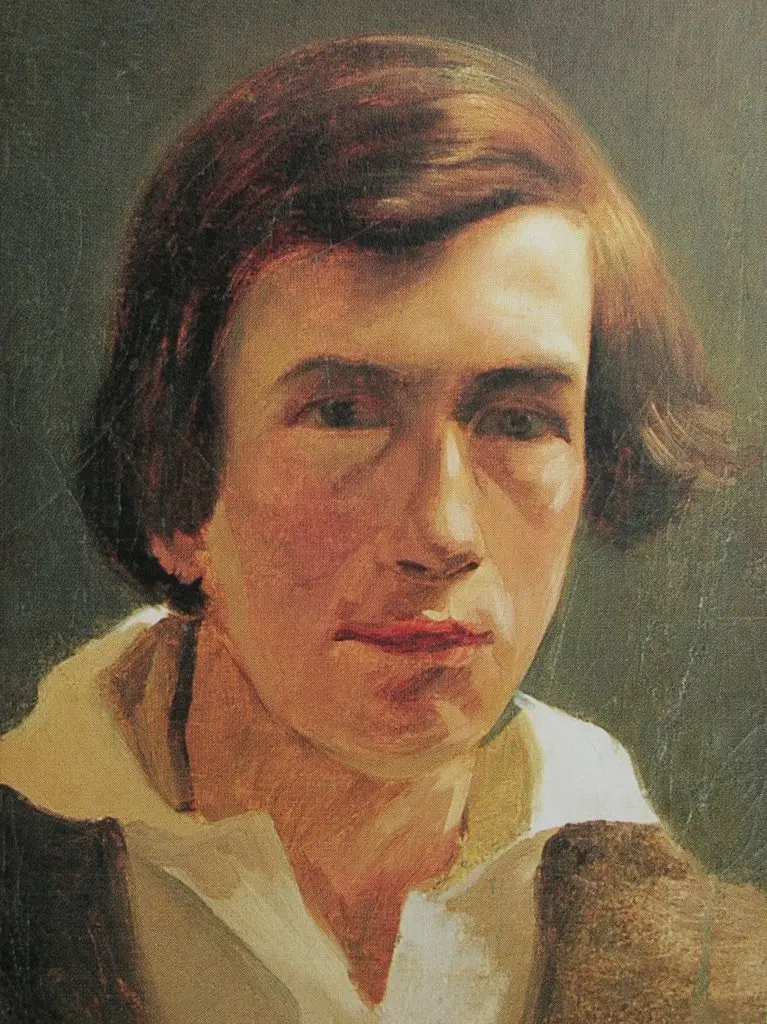
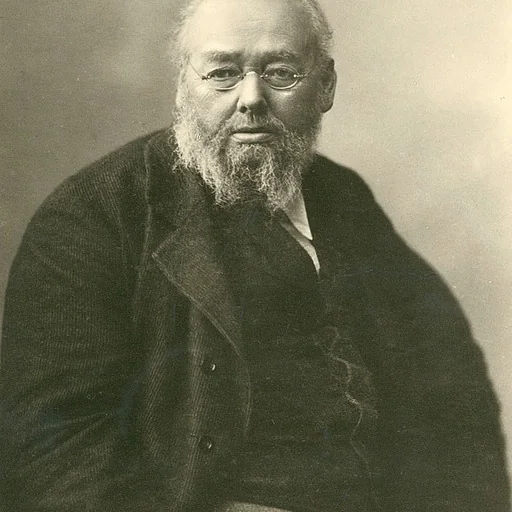
Rudolf Koller (21 May 1828 – 5 January 1905) was a Swiss painter. He is associated with a realist and classicist style, and also with the essentially romantic Düsseldorf school of painting. Koller's style is similar to…