Artwork
Stilleben mit Früchten
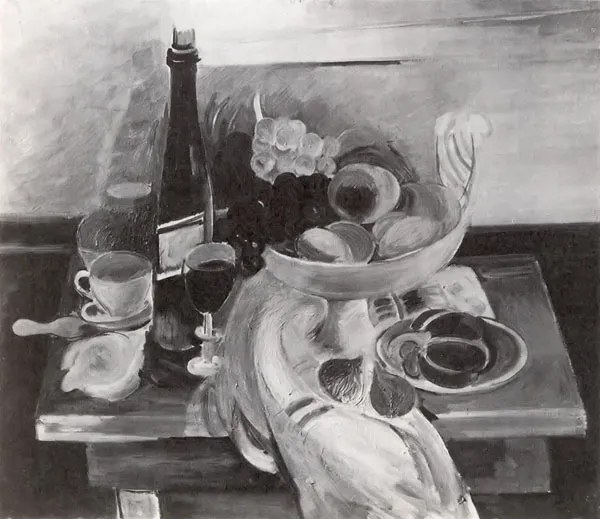
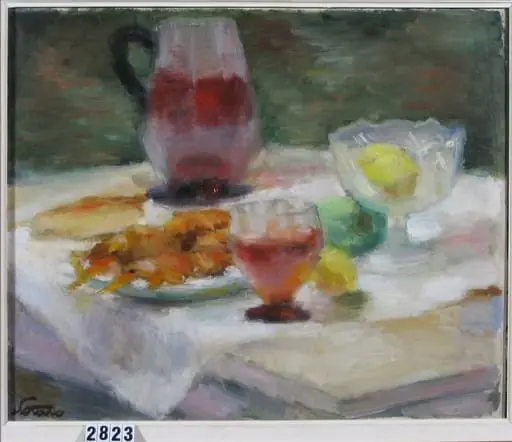
Stilleben mit Früchten is an oil painting by Rudolf Levy. It dates from 1924 and is held in the collection of the Städel Museum.
About this work
Overview
Rudolf Levy painted *Stilleben mit Früchten* in 1924 using oil on canvas, a work that belongs to the still life tradition. Born in 1875 in Stettin, Levy was part of the German Expressionist circle active in the early 20th century. The painting is now held in the Städel Museum’s collection, reflecting its significance within the artist’s oeuvre and the broader context of interwar German art.
Subject & Meaning
The composition centers on a simple arrangement: a bowl of fruit, a bottle, and two cups on saucers, one containing a spoon.
The composition centers on a simple arrangement: a bowl of fruit, a bottle, and two cups on saucers, one containing a spoon. A white cloth drapes the table, contrasting with its dark surface and the pale background. These everyday objects are rendered without narrative, inviting contemplation of presence and quietude. The focus on domestic items reflects a common Expressionist interest in the emotional weight of the ordinary.
Technique & Style
Levy employed visible, textured brushwork to build form and surface, emphasizing materiality over realism. Chiaroscuro is used to define spatial depth, with strong contrasts between the dark table and luminous background. The oil medium allows for rich tonal variation, while the loose handling of paint conveys a sense of immediacy. The style aligns with Expressionist tendencies that prioritize emotional resonance over precise representation.
History & Provenance
Created in 1924, the painting remained in Levy’s possession until his death in 1944. It entered the Städel Museum’s collection afterward, likely through acquisition or donation following the war. As a Jewish artist persecuted under National Socialism, Levy’s work was marginalized during his lifetime, making its preservation in a major institution a quiet act of cultural reclamation.
Context
Levy worked amid the shifting artistic currents of Weimar Germany, where Expressionism evolved from emotional intensity toward more restrained forms. *Stilleben mit Früchten* reflects this transition—less agitated than early Expressionist works, yet still marked by personal gesture and psychological undercurrent. The still life genre offered a space for introspection during a time of social and political instability.
Legacy
Though less widely known than some of his contemporaries, Levy’s still lifes contribute to the understanding of German Expressionism’s quieter dimensions. His work, including this painting, has gained renewed scholarly attention as part of broader efforts to recover art suppressed or forgotten during the Nazi era. The Städel’s stewardship ensures its continued presence in public discourse.
Artist & collection
Artist
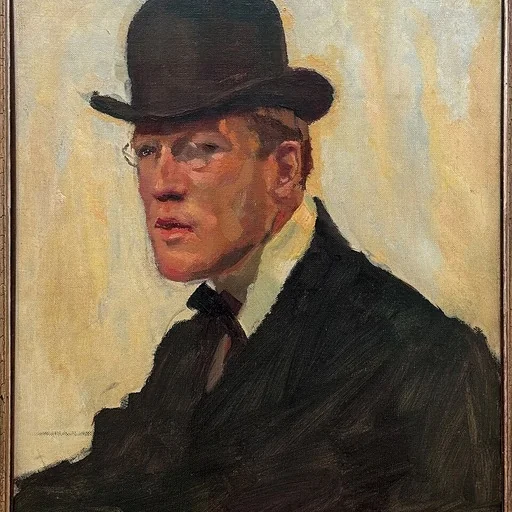
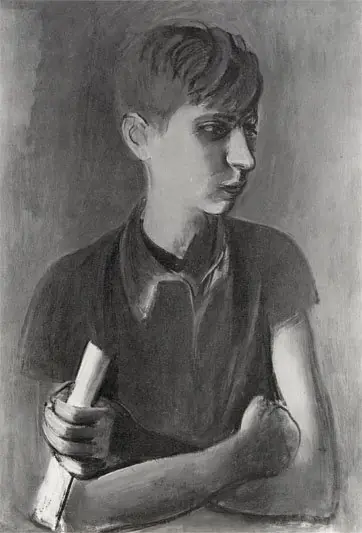
Rudolf Levy (15 July 1875, in Stettin – January 1944, in Italy or Auschwitz) was a German expressionist painter of Jewish ancestry.

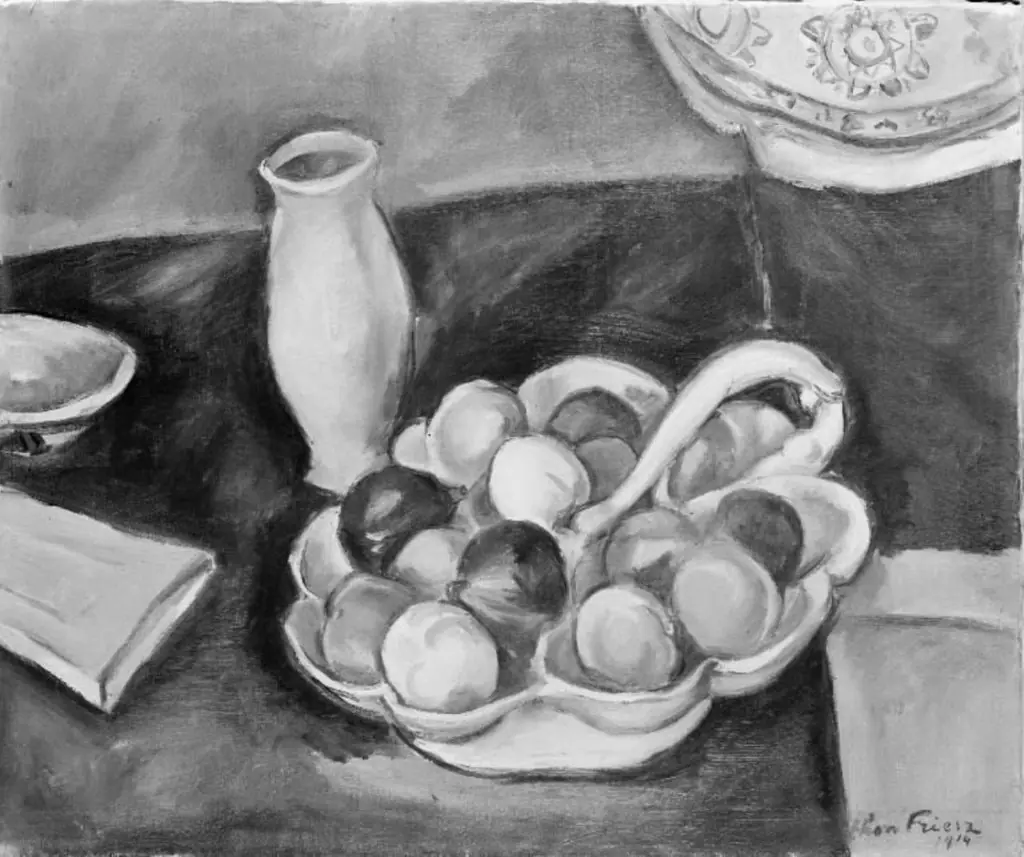 The Peaches
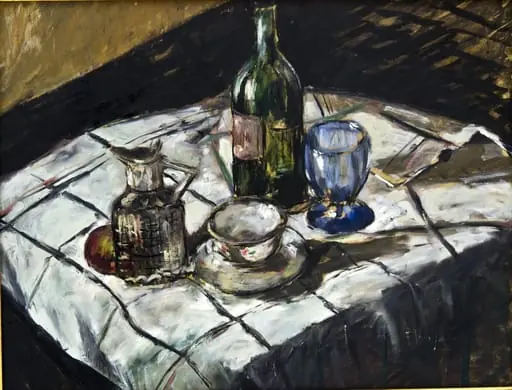 Natură moartă
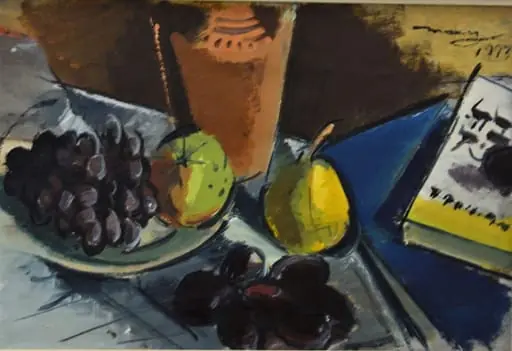 Natură statică cu fructe și carte
 Flori și banane
 Lilacs and Peonies
 Natură statică cu fructe
 Cârciumărese
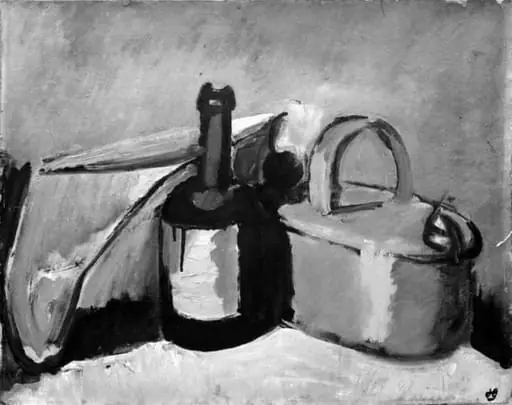 Still Life with Bottle and Lunch Box
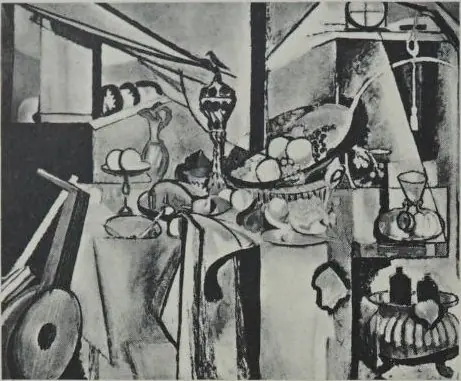 Still Life after Jan Davidsz. de Heem's "La Desserte"
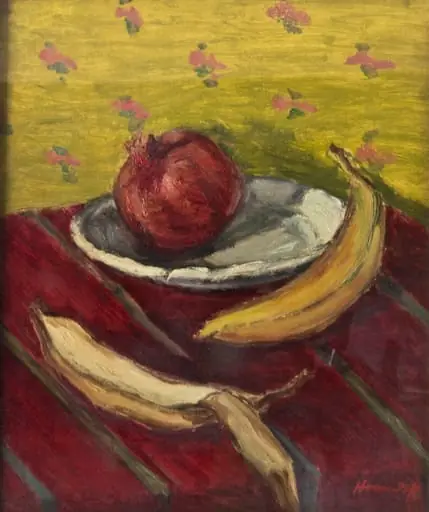 Natură statică cu banane
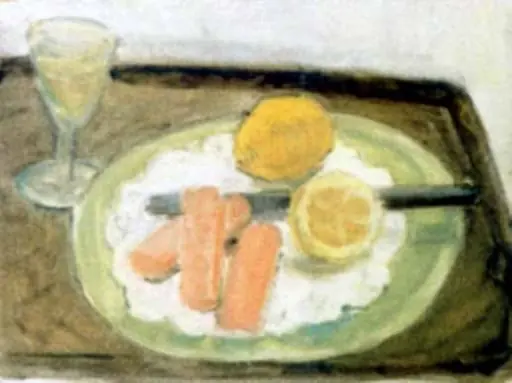 Natură statică (cu biscuiți și lămâi)
 Natură statică cu raci și carafă